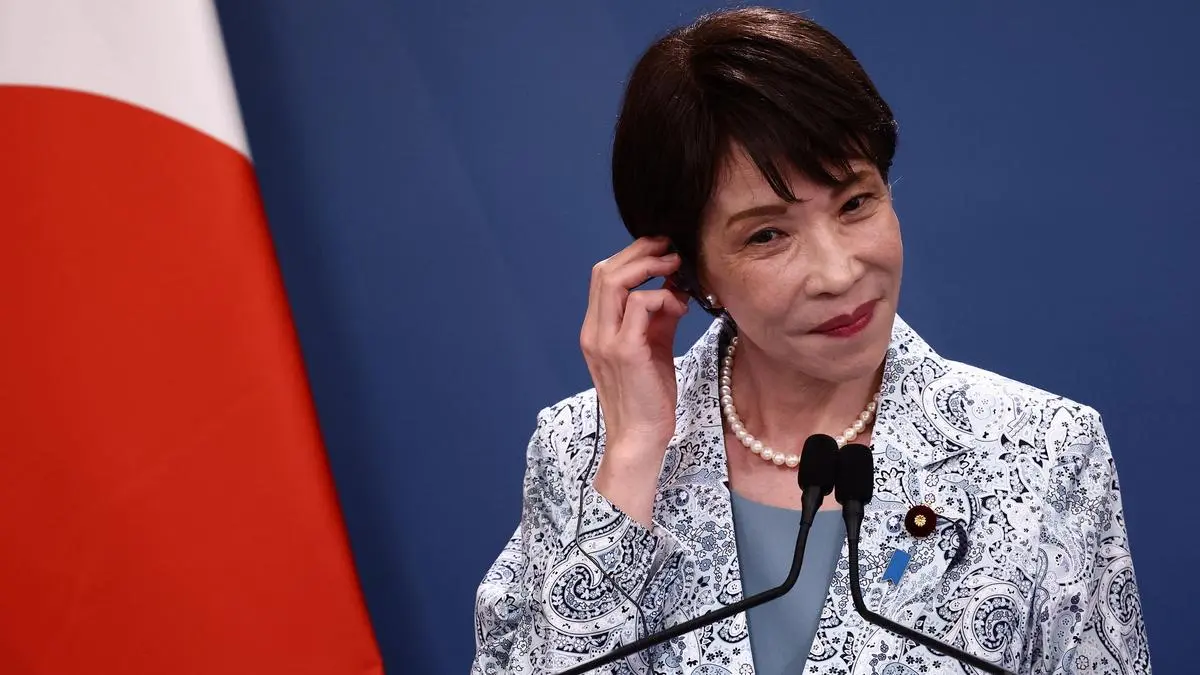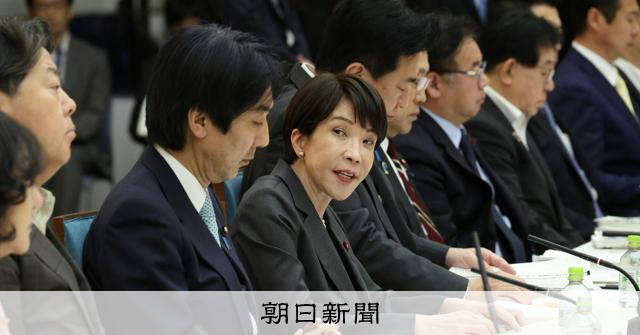
Tokyo, June 26 (Jiji Press)--The Japanese government, in an effort to realize a strong economy, aims to enhance the country's growth potential and ensure citizens' security and safety mainly through planned public-private investments worth over 370 trillion yen, it has been learned. This is a key part of a draft outline of the government's new Basic Policy on Economic and Fiscal Management and Reform, slated to be compiled in July. The outline was presented to Thursday's meeting of the Council on Economic and Fiscal Policy, chaired by Prime Minister Sanae Takaichi. The draft outline includes a plan to set up a new crisis management and growth investment quota to make the country strong and affluent. Basic ideas for national budget compilation, which are usually worked out in December, will also be included in the upcoming economic and fiscal management and reform policy. "We should ensure an appropriate amount of total spending to reinforce growth potential of the economy and expand its nominal size," Takaichi said at the meeting. To enable active fiscal spending, the draft outline calls for putting efforts to stably lower the ratio of total debts at the central and local governments to the country's gross domestic products at the center of the national government's fiscal goals. Takaichi said that the primary budget balance, which has been used as a key indicator of fiscal health, should be "managed and improved over multiple years." Private-sector members of the council urged the government to "tolerate temporary deteriorations in the primary balance if necessary, rather than mechanically setting a target year for achieving a surplus in the balance on a single-year basis." The prime minister also said, "We should move away from fiscal management relying on supplementary budgets and secure funding under initial budgets for recurring measures." In recent years, massive economic packages have been drawn up in autumn. Takaichi said that large-scale packages will not be complied from now on in principle, adding that even if the compilation of extra budgets becomes necessary in autumn this year and later, they should target "only measures that are truly urgent." END [Copyright The Jiji Press, Ltd.]
Japan Aims to Boost Growth through Public-Private Investments
Tokyo, June 26 (Jiji Press)--The Japanese government, in an effort to realize a strong economy, aims to enhance the country's growth potential and ensure citizens' security and safety mainly through planned public-private investments worth over 370 trillion yen, it has
354 words~2 min read