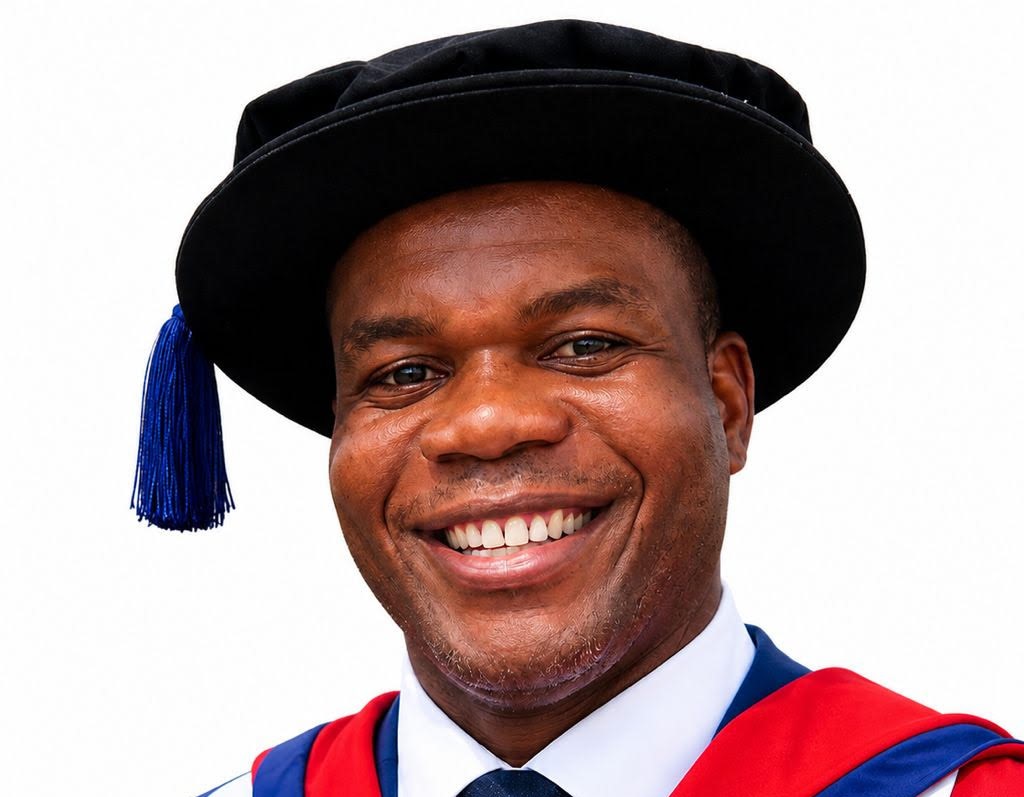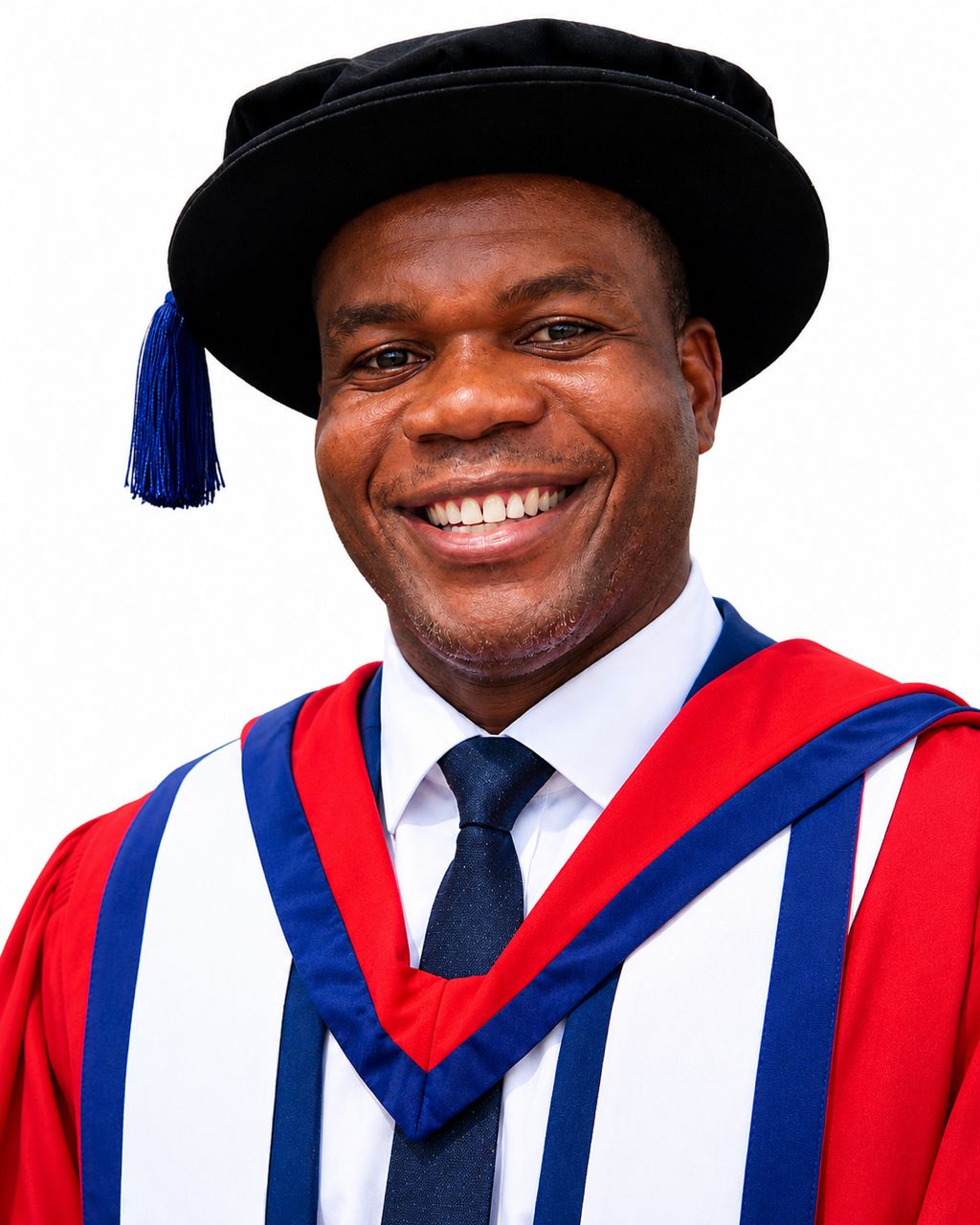
The thank-you photo is posted. The grant money comes in. And six months later, the shop is closed. It’s a cycle, Dr. Seyefar Clement says he has seen too often. As an SME finance expert and principal lecturer at the University of Bedfordshire, he argues the issue isn’t always a lack of capital.
In Nigeria, SMEs account for 96% of businesses and employ millions of people. Yet many struggle because support is often viewed as free money rather than capital meant to grow, be repaid, and fund the next entrepreneur. To Dr. Clement, the analogy is simple: if a water bottle is never refilled, everyone eventually goes thirsty.
In this interview with MARY NNAH, ahead of World SME Day, celebrated annually on June 27, Dr. Clement shares a decade of hard lessons from advising SMEs across Nigeria and the UK. He points to mindset as the missing piece. He notes that without financial literacy, accountability, and support targeted at real community needs, even the most promising hustles break. For him, turning Nigeria’s everyday entrepreneurs into lasting businesses will take more than cheques. It will take a shift in how growth is approached.
How would you simply explain what an SME is, and why it matters to an economy?