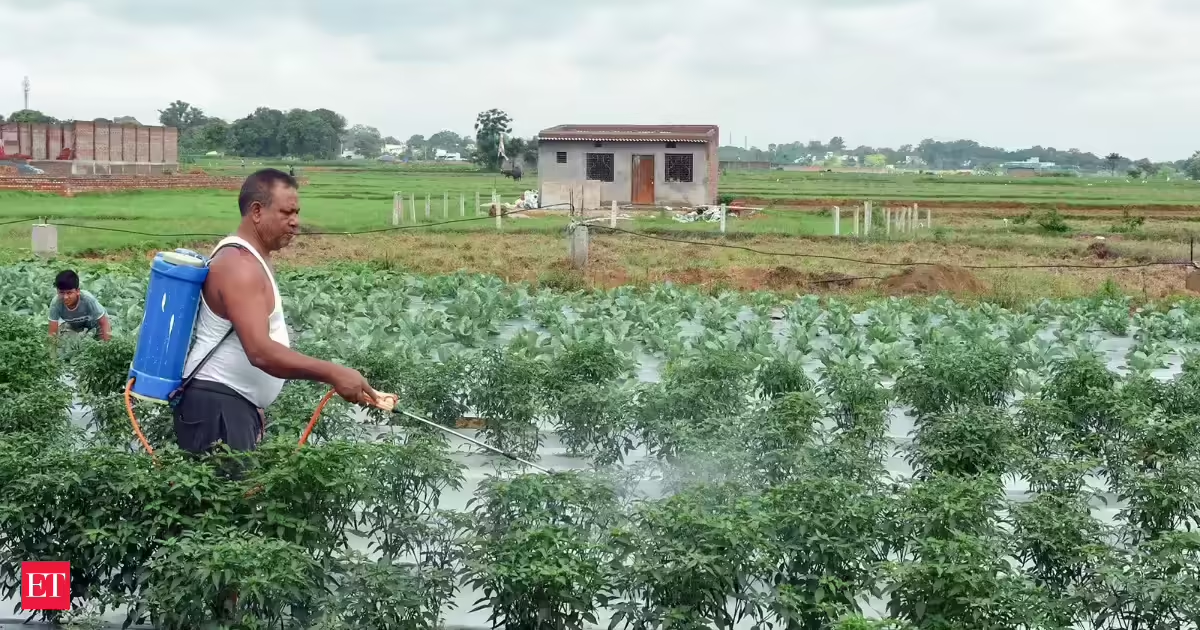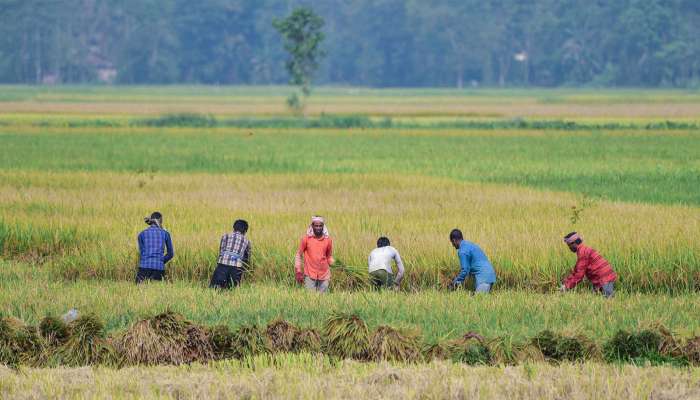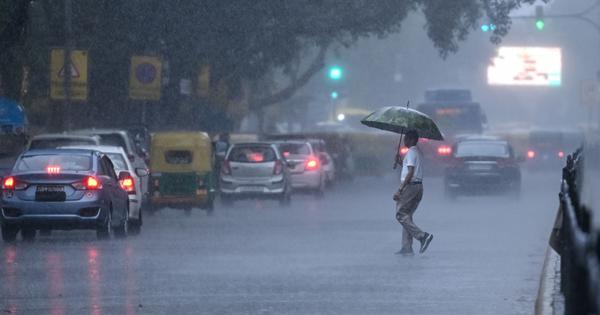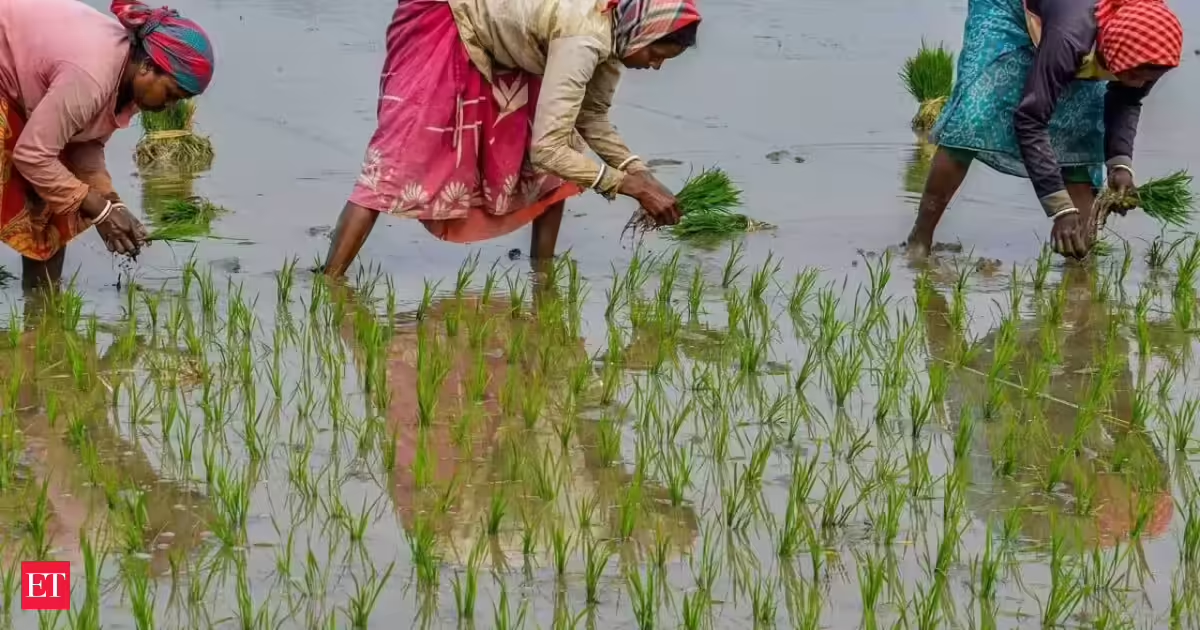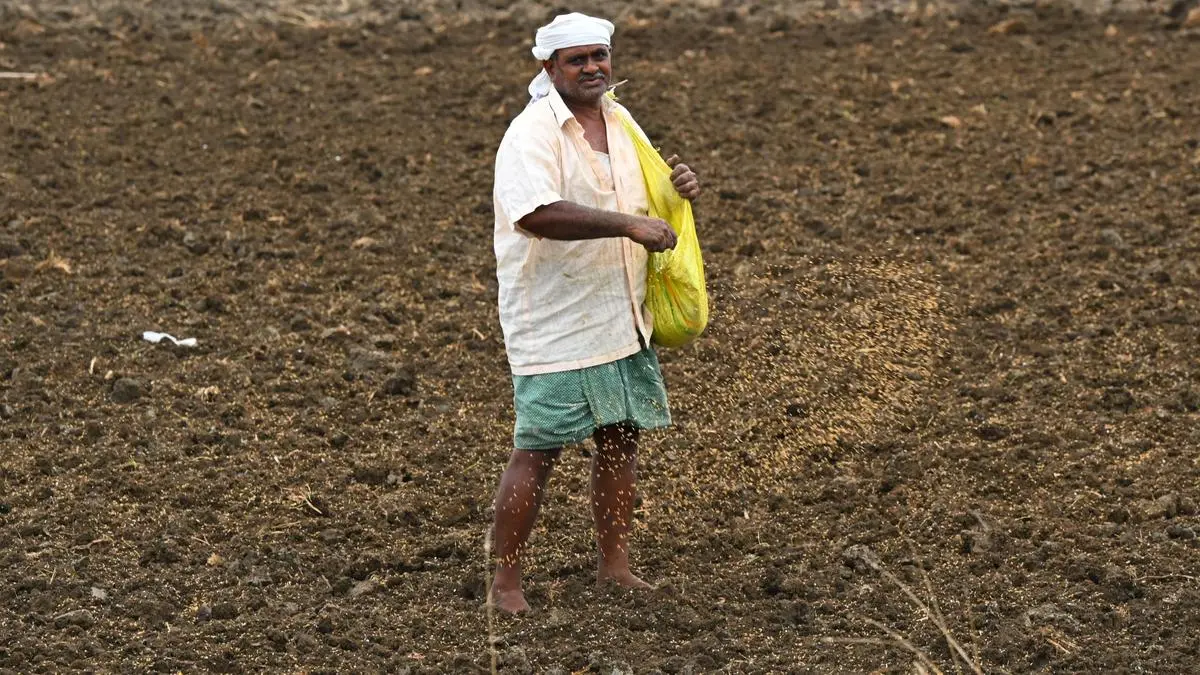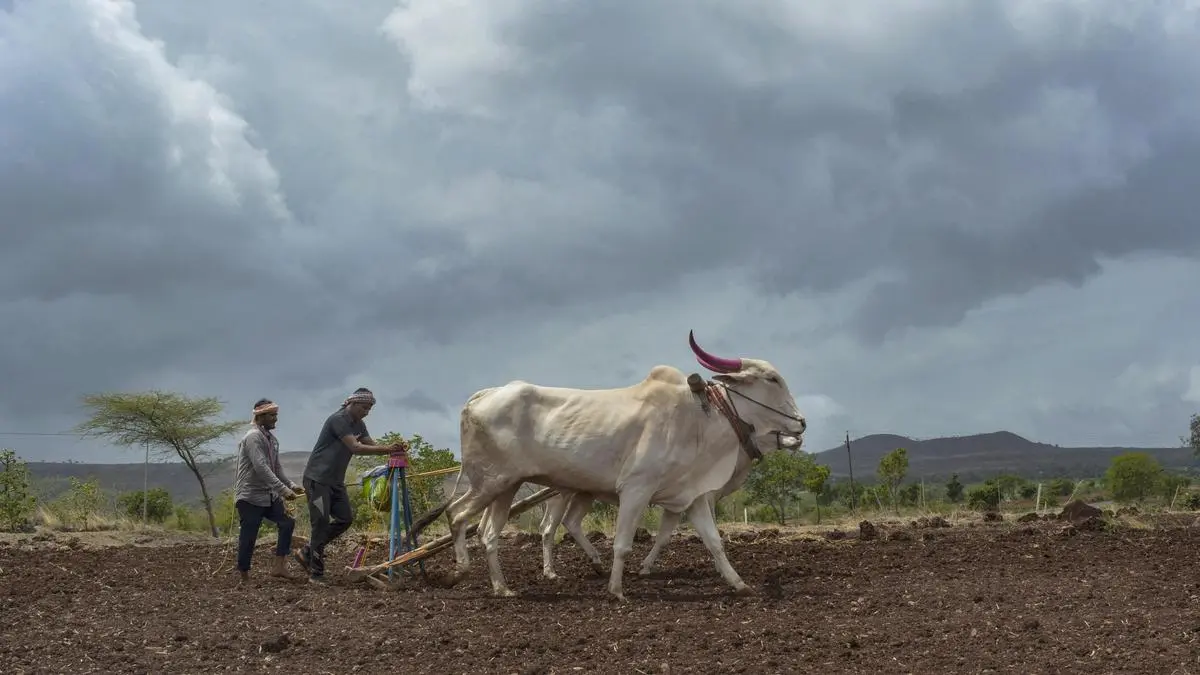
While El Niño increases the risk of a weaker monsoon, its impact varies across years and regions
| Photo Credit:
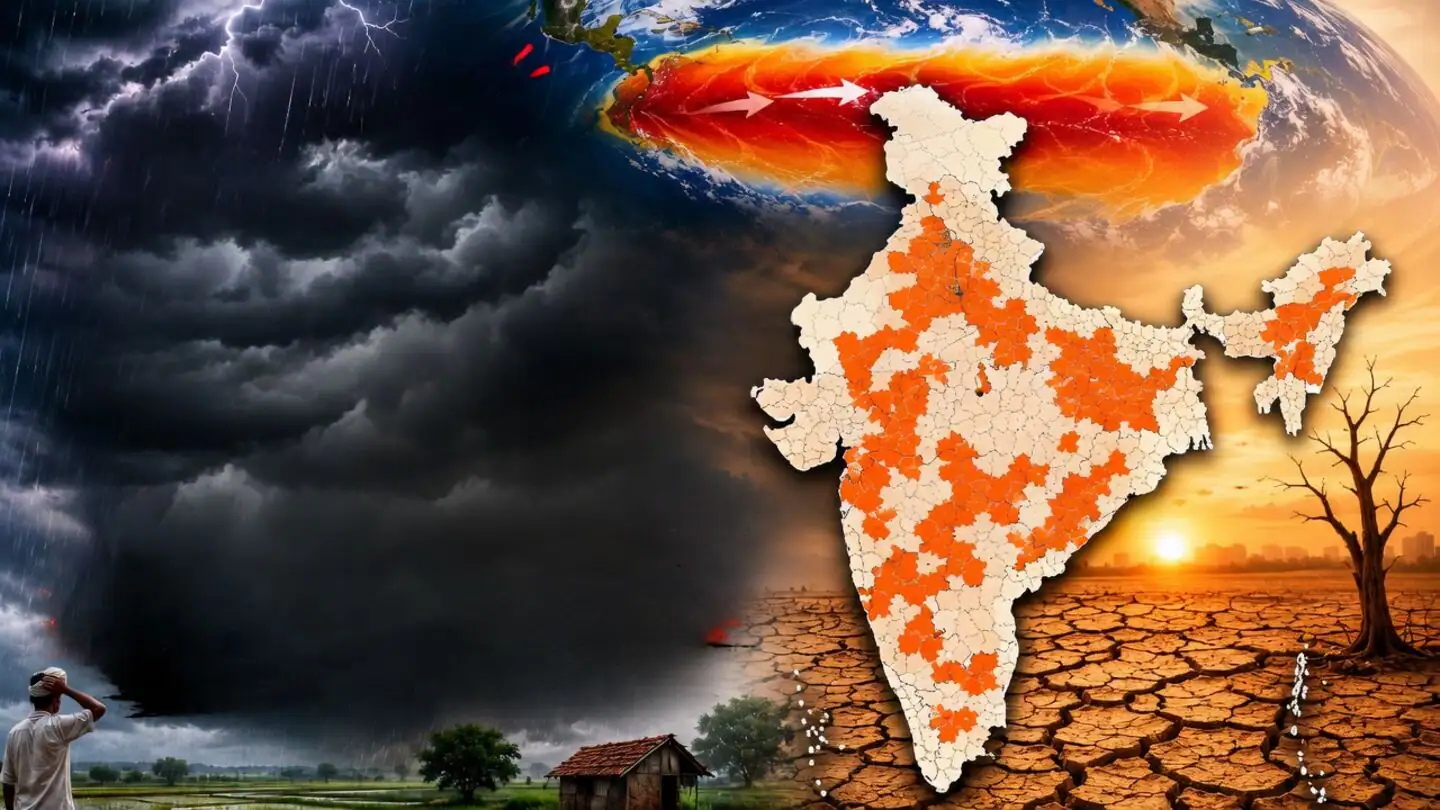
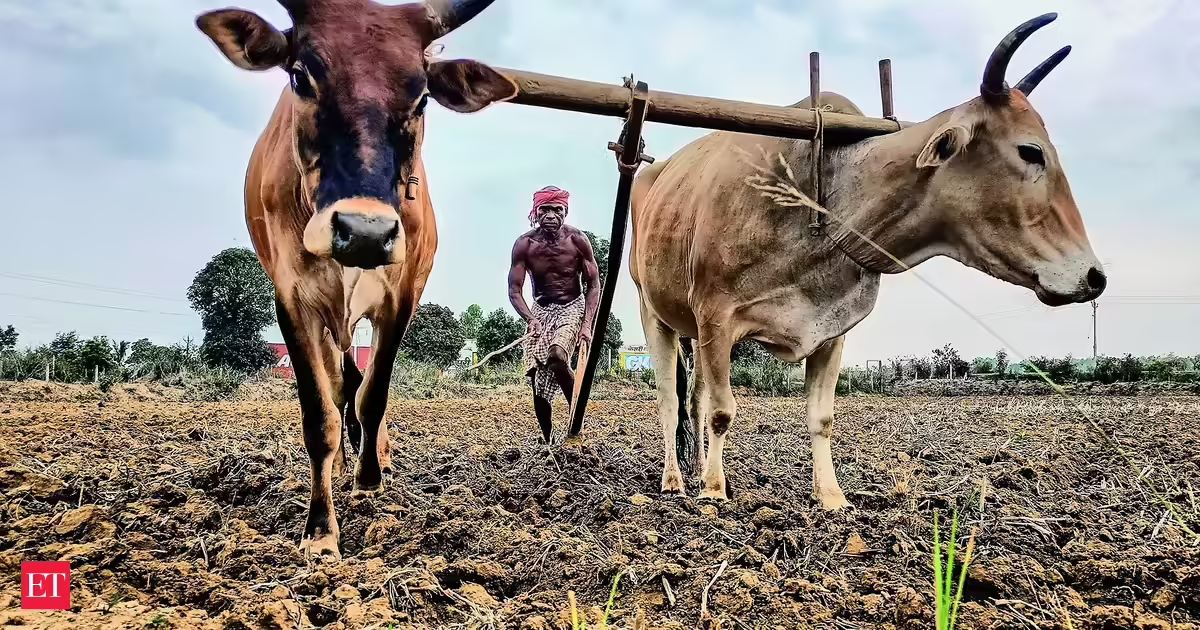
Meteorological agencies have warned of El Niño conditions and increased probability of deficient rainfall in several regions, particularly during the critical August-September period when standing kharif crops are most vulnerable. Such forecasts inevitably trigger concerns about agricultural output, food prices, rural incomes and economic growth. Agriculture may account for a smaller share of GDP today, but a significant proportion of India’s population, livelihoods and economic activity continues to depend directly or indirectly on agriculture and the monsoon.El Niño, a periodic warming of surface waters in the equatorial Pacific, influences weather systems across large parts of the world. While El Niño increases the risk of a weaker monsoon, its impact varies across years and regions. Weather forecasts matter. But preparedness matters no less. Recent reviews by the Agriculture Minister have highlighted an important but less understood aspect of Indian agriculture — the district-level contingency plans designed to respond to weather uncertainty. These encompass moisture conservation, seed preparedness, alternative crop strategies and coordinated action across institutions.For many outside the agricultural system, these may appear to be routine administrative responses. In reality, they are part of a much larger preparedness framework that India has been building over several decades through the efforts of agricultural scientists, meteorologists, research institutions and State governments. District-specific contingency plans address delayed monsoons, droughts, dry spells and other weather aberrations. Their purpose is to help farmers adapt to a changed reality.Facilitating measuresWhat does such preparedness actually involve? First, seed preparedness. If the onset of the monsoon is delayed or rainfall becomes erratic, farmers may need access to short-duration varieties or alternative crops better suited to a shortened growing season. Recommendations alone are insufficient; the required seed must reach the village at the right time. Equally important is affordability. Smallholders often exhaust their limited savings on the first round of failed sowing and may not have the resources to purchase fresh seed without timely support. Second, advisory support. Beyond rainfall forecasts, farmers require practical guidance. Should sowing be delayed? Should crop choice be altered? Should fertilizer application schedules be modified? How should scarce moisture be conserved for critical crop stages?Third, moisture/water management. Every millimetre of rainfall assumes value. Mulching, small farm ponds, desilting tanks, and protective irrigation become critical. These simple investments often prove invaluable during difficult times. Fourth, efficient use of available fertilizers and timely agronomic practices become crucial during moisture stress.Fifth, fodder availability, drinking water arrangements and veterinary support for livestock become integral components of drought preparedness. Livestock often provides a critical buffer for rural households when crops fail or incomes decline. Above all, there is the question of institutional coordination and timely action.Contingency planning, in reality, is a chain of practical decisions: whether an alternative seed reaches a village in time; whether a farmer receives timely advice on sowing; whether a farm pond or village tank provides one protective irrigation; whether fodder and credit are available; whether procurement, storage and markets are ready to support any shift in cropping patterns and, if not, what corrective action is required. Its effectiveness is ultimately measured not by the document prepared but by the quality and timeliness of actions taken across thousands of villages.This is why the discussion around district contingency plans deserves wider public attention. India’s agricultural resilience today is stronger than it was a generation ago, not because the monsoon has become more reliable, but because knowledge, institutions and contingency systems have steadily evolved. Agricultural resilience is built not in the year of crisis but in the years preceding it. Yet even the best-designed plans can be undermined by failures in execution.As the kharif season progresses, public attention will understandably remain focused on rainfall figures and reservoir levels. Equally important, though less visible, will be the preparedness measures unfolding across districts and villages. The coming months may test not only the monsoon, but also the institutional memory that Indian agriculture has accumulated over decades — and the ability to translate that learning into timely action.The writer is former Deputy Managing Director, NABARD. Views are personalPublished on June 26, 2026