Jurisprudence
June 25, 20262:55 PM
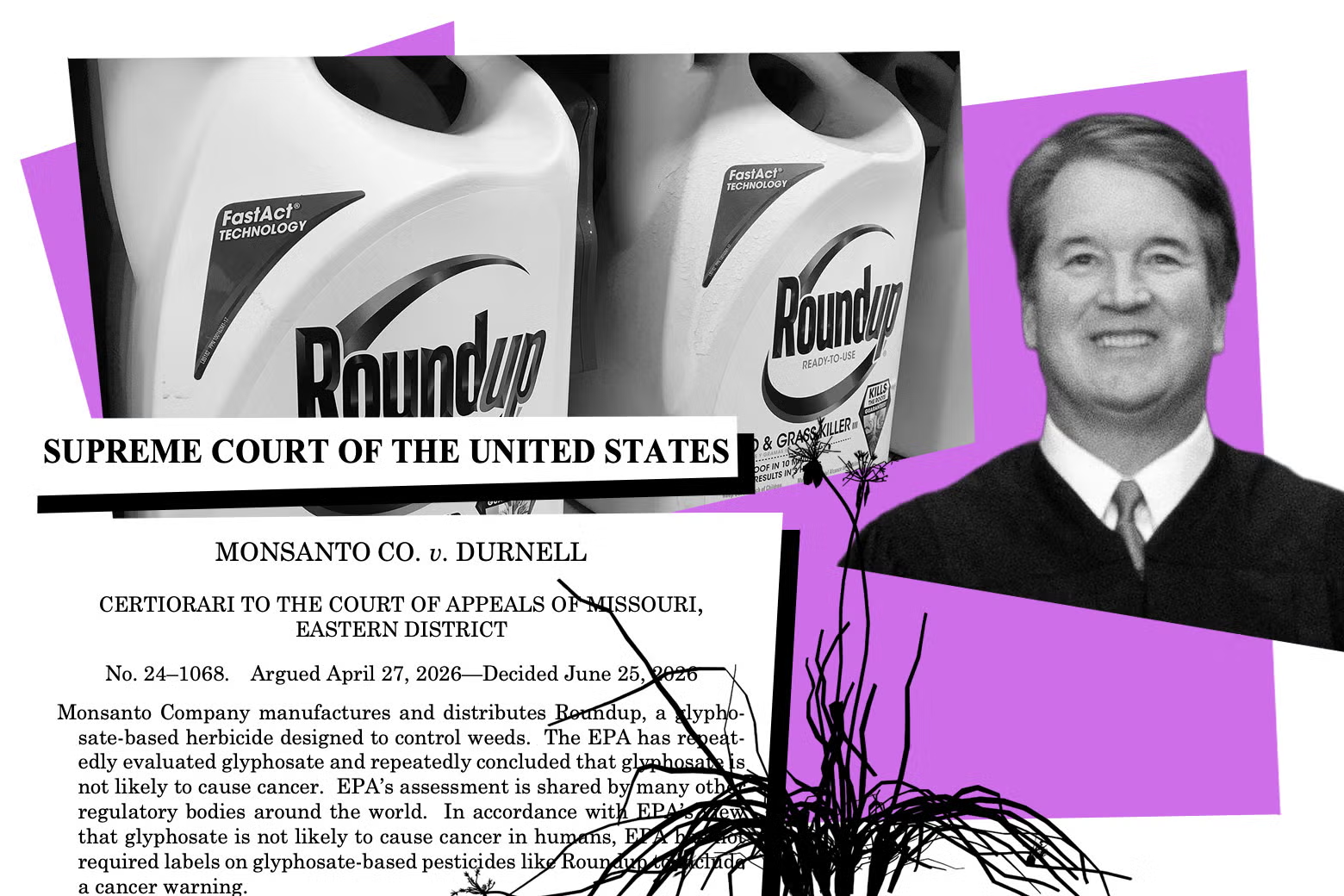
Photo illustration by Slate. Photos by Scott Olson/Getty Images, Erin Schaff/Pool/AFP via Getty Images and Supremecourt.gov.
This is part of Opinionpalooza, Slate’s coverage of the major decisions from the Supreme Court. Keep up with all of our Supreme Court coverage and analysis by signing up for weekly email roundups. The best way to support our work—and unlock exclusive legal analysis—is by joining Slate Plus. (If you are already a member, consider a donation or merch!)
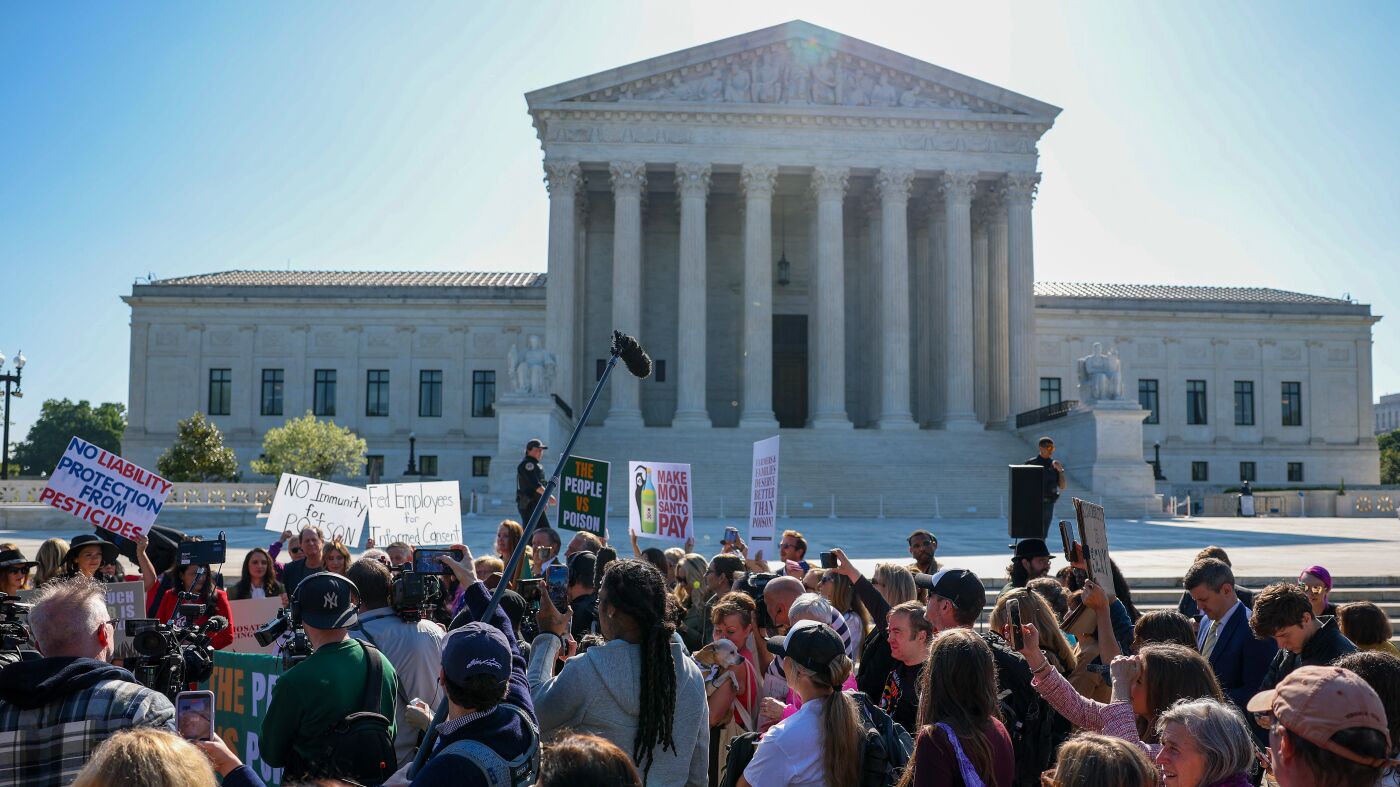
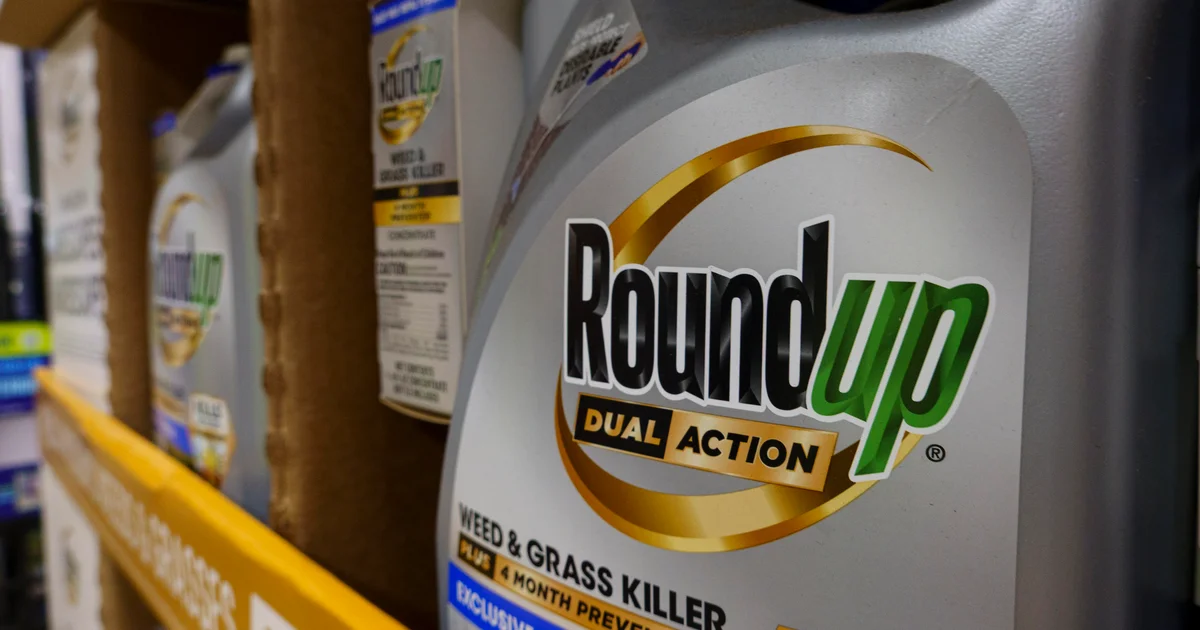
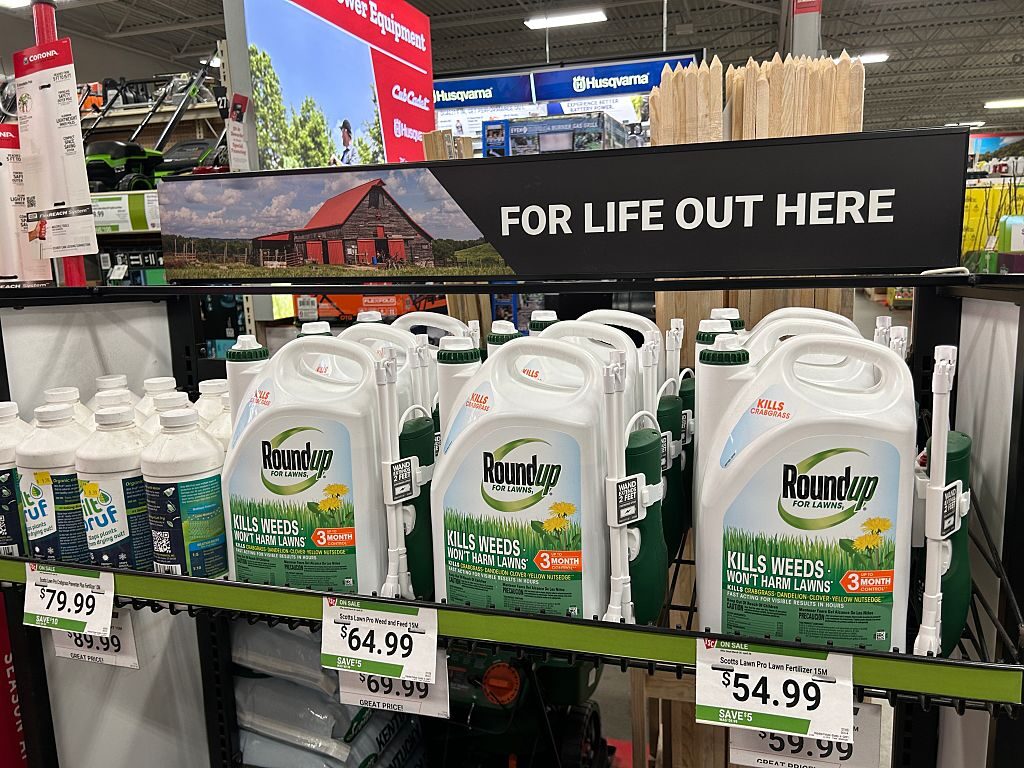
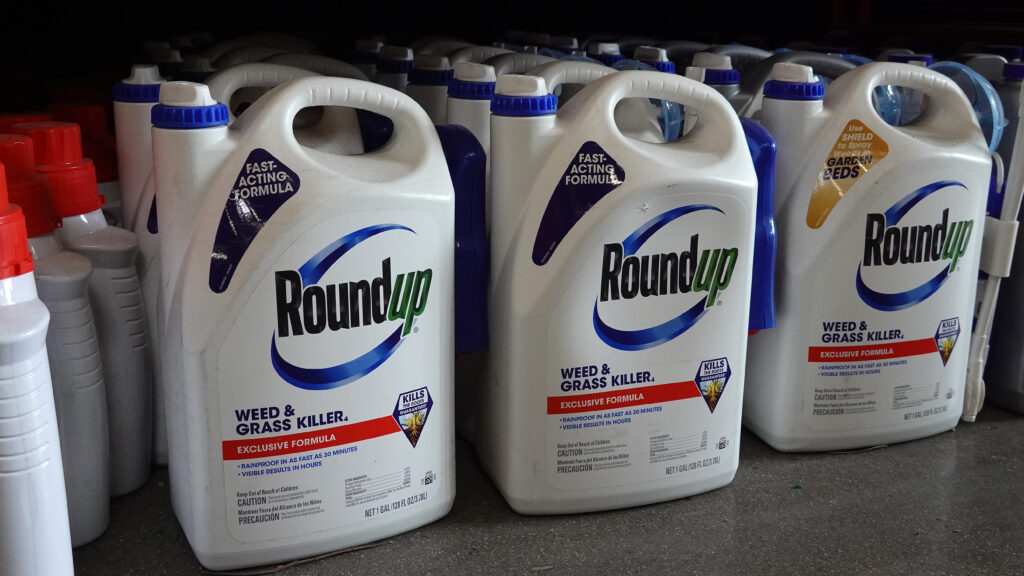
In the late 1990s, John Durnell began using the weedkiller Roundup to help tend to the community spaces in his neighborhood in St. Louis. Since then, he and roughly 170,000 other users have been diagnosed with non-Hodgkin’s lymphoma and related cancers associated with extended exposure to glyphosate, Roundup’s key ingredient and a probable carcinogen. Many of them have filed suit against Monsanto, now owned by Bayer. But out of those 60,000 still-active lawsuits, only Durnell’s case reached the Supreme Court. Now, it has become something much larger than one man’s lawsuit: a decision that federal regulatory approval can permanently shield corporations against accountability for harm, regardless of what their own internal documents and science later reveal.