EDITOR’S NOTE: The Nature Medicine study on timing of immunotherapy and survival of cancer patients was retracted by the journal on June 24, 2026. After an investigation into discrepancies identified after the study was published, the journal editors said “they no longer have confidence in the integrity of the study results.”
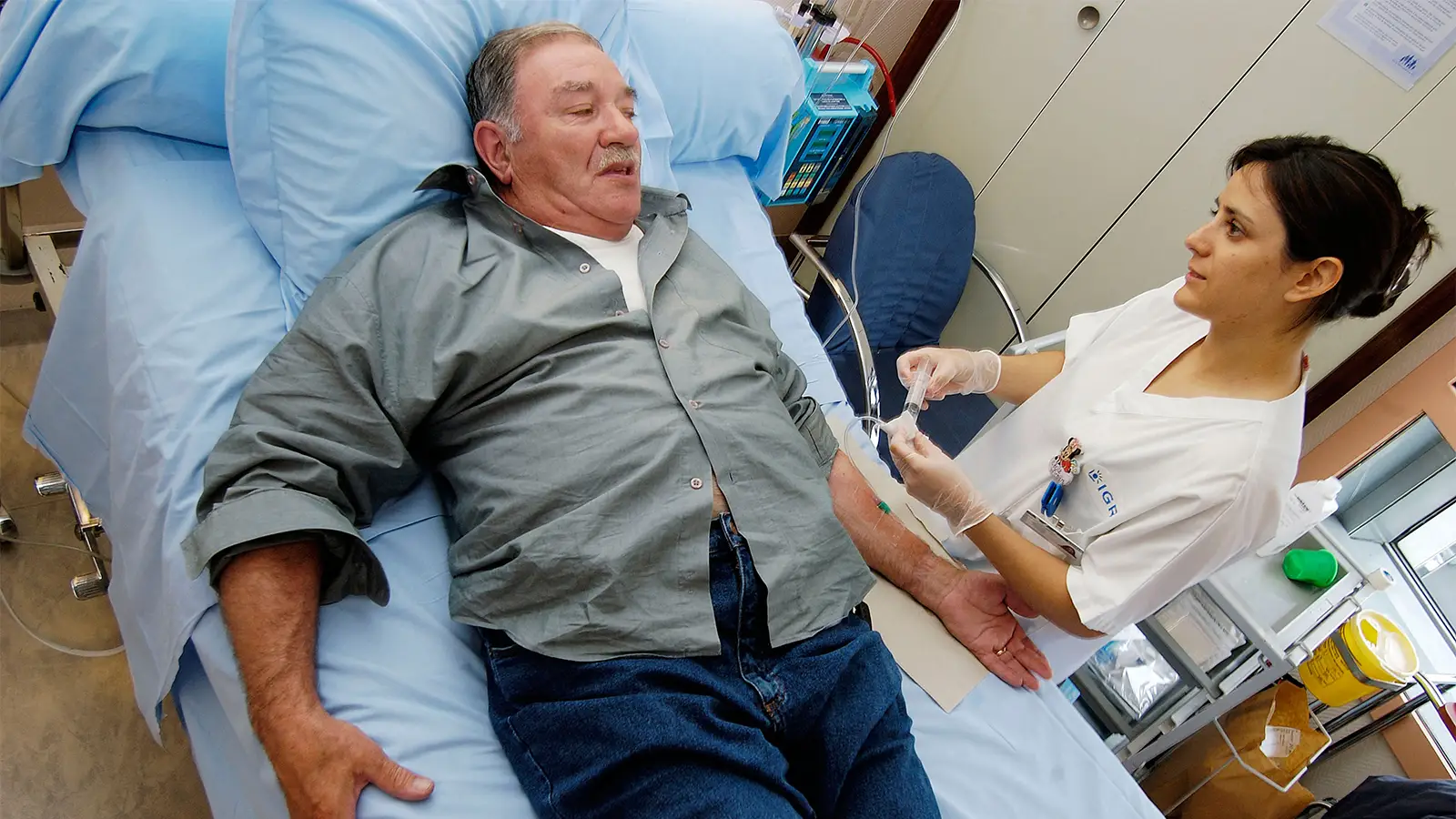
Researchers recently tried an experiment: Gather people who had the same kind of lung cancer and put them on the same type of treatments to fire up their immune systems. The only difference was that half the group got their medications earlier in the day, before 3 p.m., and the other half got them later.
The surprise finding was that the time of day made a difference: Patients who got their first rounds of treatments in the morning had, on average, about five more months before their cancers grew and spread, a measure doctors call progression-free survival — and they lived almost a year longer than those who got their treatments later. They also had better odds of being alive at the end of the study, which has been running for more than two years.
Researchers have long studied the body’s clock, its circadian rhythm, which governs a host of biological functions including the release of hormones, when we feel hungry or tired, body temperature, blood sugar and blood pressure. There are dozens, if not hundreds, of smaller clocks under the control of this master clock at work in cells and tissues.