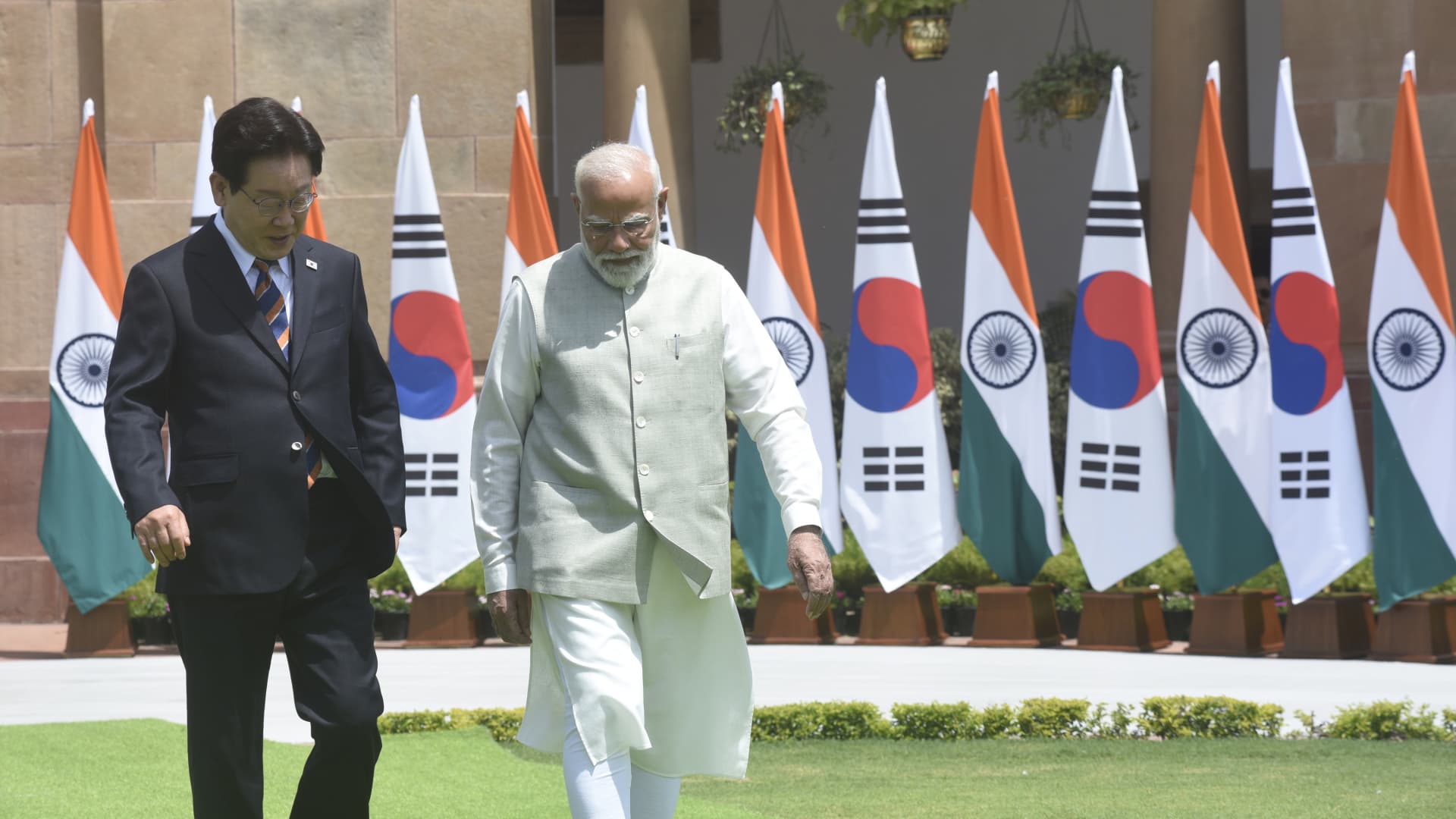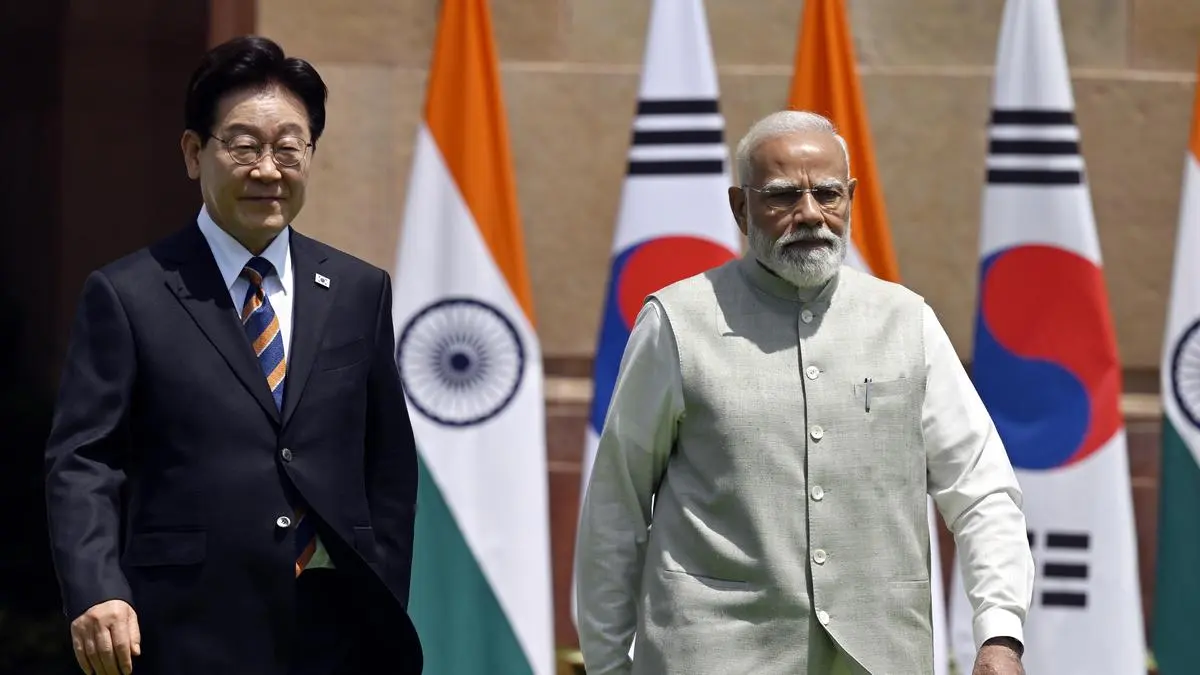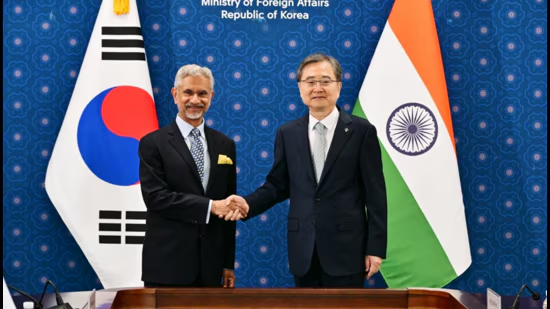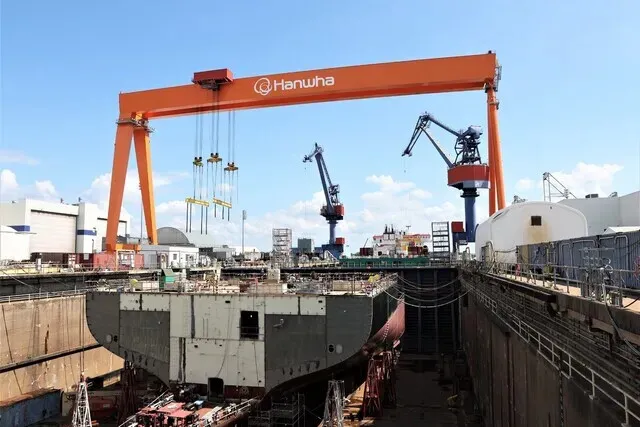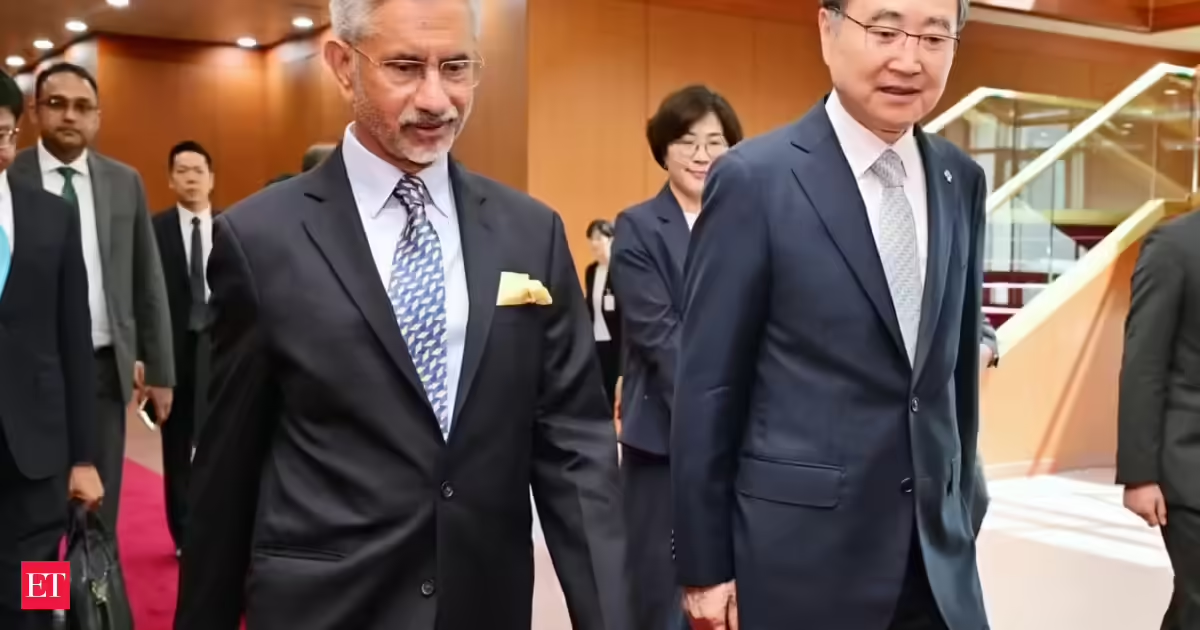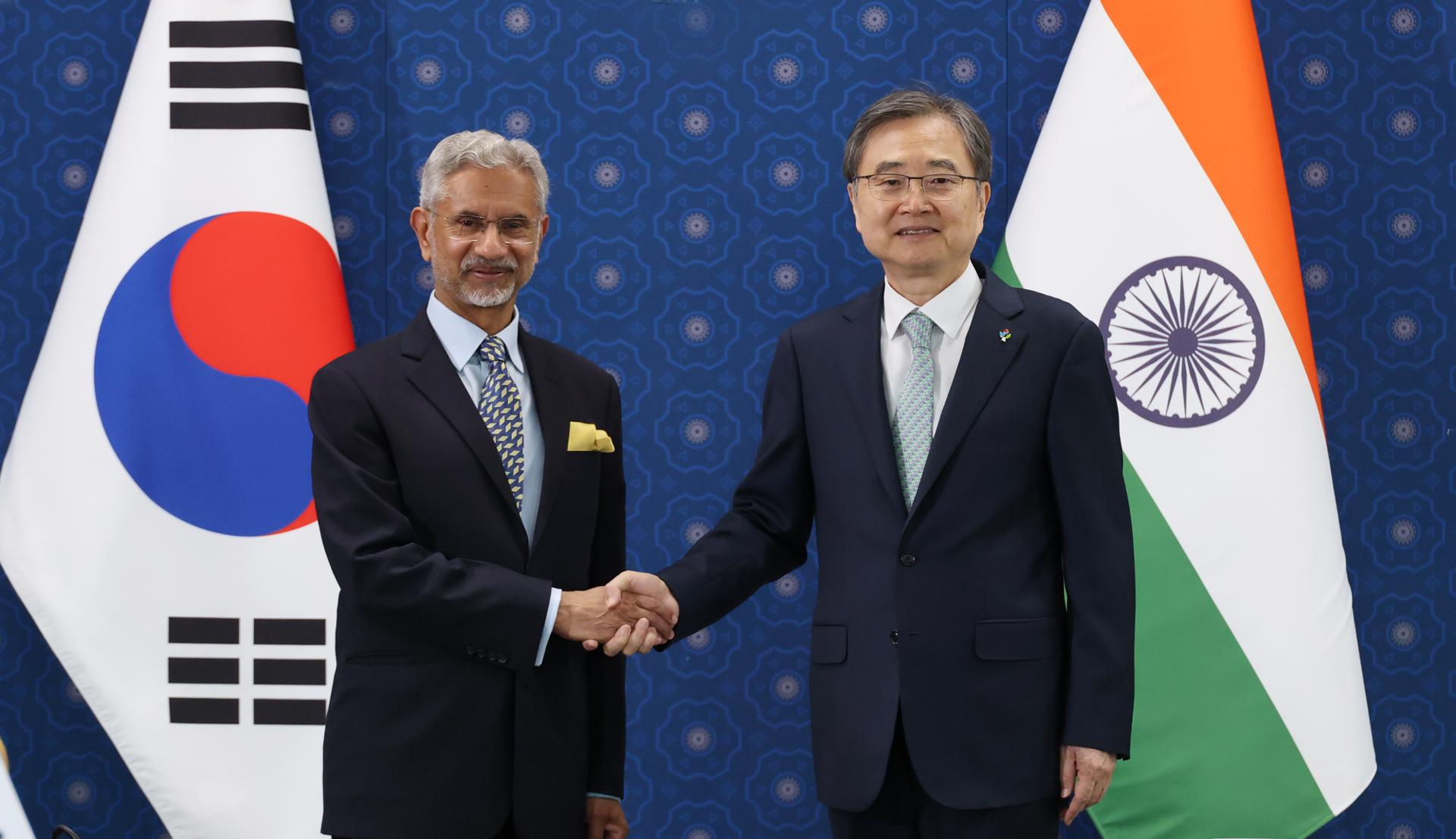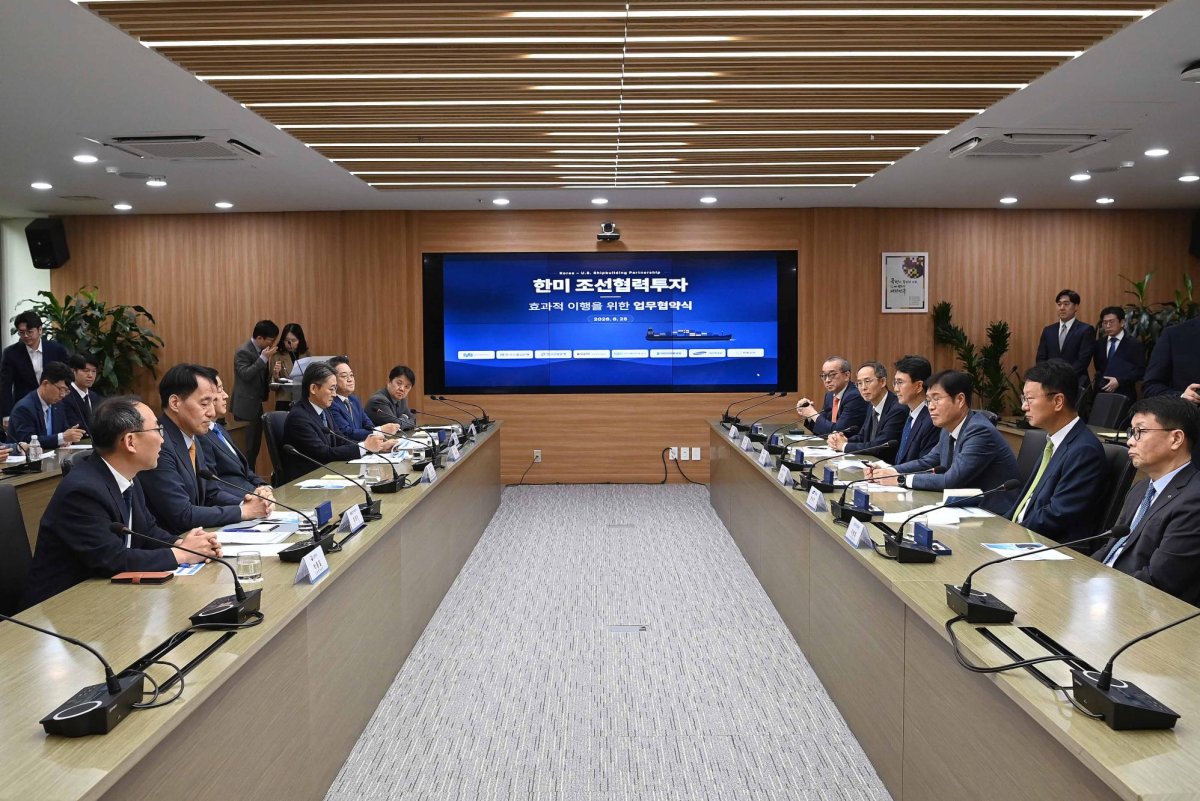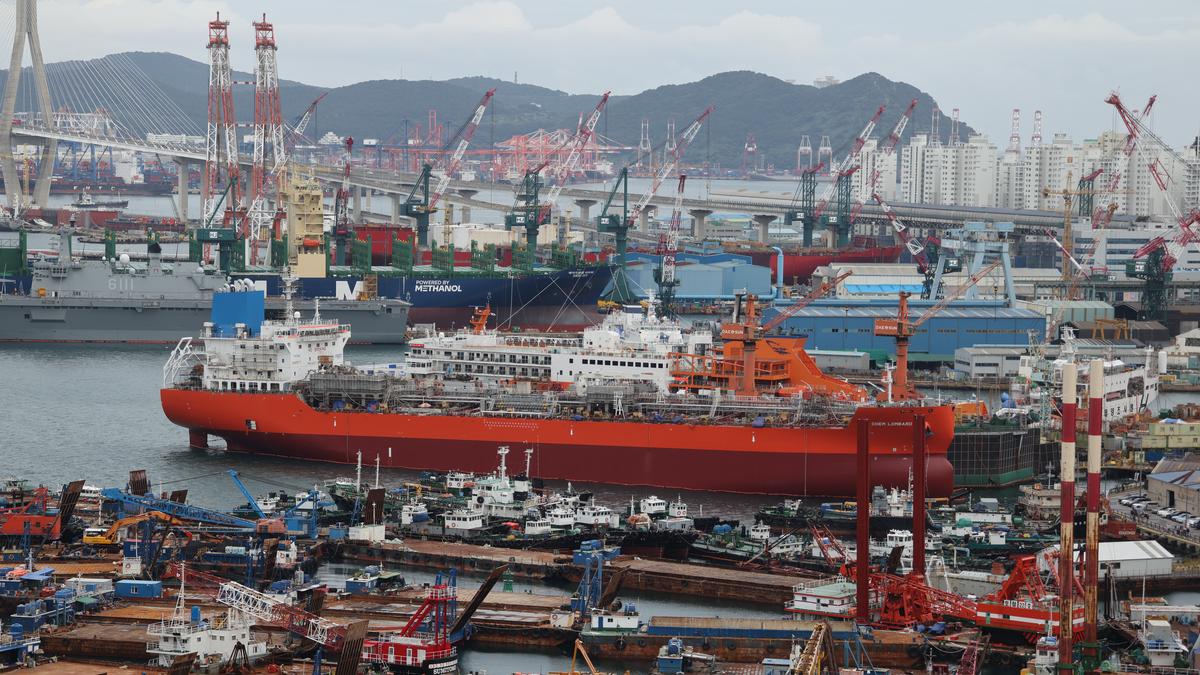
In April this year, South Korean President Lee Jae Myung met Prime Minister Narendra Modi in India, his first visit to India and the first by a Korean leader in eight years. The meeting was remarkable in many ways, as it revived high-level political interaction at the leaders’ level, resulting in the expansion of partnership in strategic sectors. However, the visit was special for another reason: it paved the way for strong collaboration between India and South Korea in the shipbuilding industry, a strategic sector that India is seeking to revive.Seoul plugs into India’s shipbuilding driveMr. Lee’s visit has given positive momentum to the slowly progressing India-South Korea shipbuilding partnership, as seen in the slew of memoranda of understanding (MoU) and agreements signed during his trip. While the big three of the South Korean shipbuilding industry — Samsung Heavy Industries (SHI), HD Korea Shipbuilding & Offshore Engineering, and Hanwha Ocean — had already announced their investment plans, partnerships, or interests in India, Mr. Lee’s support reiterates the South Korean government’s strategic commitment to shipbuilding collaboration with India. Last year, a subsidiary of Hyundai signed an MoU with Cochin Shipyard Limited and has since announced plans to invest $4 billion in Thoothukudi, Tamil Nadu, to construct a green shipyard. Similarly, SHI has signed a partnership with Swan Defence and Heavy Industries to build ships in India. These developments showcase India’s attractiveness as a shipbuilding destination for global giants.South Korea is also interested in developing a complementary supply chain that includes ancillary industries. For instance, the Korea Marine Equipment Association (KOMEA), which comprises 304 enterprises across ship design, shipbuilding, marine equipment, and ship repair, has opened an office in Mumbai. This is expected to pave the way for the development of a robust shipbuilding ecosystem in India. Such steps will help foster a shipbuilding cluster encompassing ancillary industries and other critical facilities required for scaling up the sector. Further, these partnerships are expected to provide the Indian shipbuilding industry with much-needed support, including design and engineering expertise as well as production know-how. This will help India develop human capital and adopt technology at scale, making its shipyards more competitive internationally. In addition, the various MoUs signed between India and South Korea — at both the government-to-government and business-to-business levels — on workforce development, maritime education, research, and innovation will further strengthen the shipbuilding ecosystem. Together, these efforts could help establish a holistic, cluster-led development model inspired by the success of the city of Ulsan in South Korea.What has been accomplished in such a short time is commendable, but the task is far from complete. To emerge as a leading shipbuilding nation, India will have to pursue multiple objectives simultaneously. It must support the industry through proactive policy and fiscal measures while also responding effectively to external crises that could disrupt supply chains and affect demand. The sector will require sustained hand-holding until it becomes self-sufficient and capable of competing globally, particularly with established giants such as China.Fill the gapsThere must be a focus on human capital development, policy and fiscal support, and bringing in ancillary industries. India’s Maritime Vision 2030 and Maritime Amrit Kaal Vision 2047 clearly state the objective of being among the top 10 shipbuilding nations by 2030 and in the top five by 2047.Complementing initiatives such as the Maritime Development Fund, Shipbuilding Development Scheme, and Shipbuilding Financial Assistance Policy make it clearer that India is serious about attracting foreign investment in the shipping and shipbuilding sector.However, policy and operational gaps persist. To rectify these gaps, India will have to focus on implementing a series of reforms related to regulatory consistency and legal predictability and also providing access to low-cost and long-term capital. Steps such as the creation of the Sagarmala Finance Corporation Limited (SFCL), India’s first non-banking financial company for the maritime sector, are a positive and welcome development.However, the greater challenge will be establishing a comprehensive industrial ecosystem for shipbuilding. To achieve this, India will need to move quickly on workforce development, supplier localisation, and the creation of dedicated maritime institutions. In addition, Indian academia and research institutions will have to play a larger role in this developmental partnership to support the country’s shipbuilding ambitions.India must continue to focus on three key priorities: providing sustained policy and fiscal support, developing the capacity to absorb transferred technologies, and formulating a sectoral strategy with clearly defined goals and targets. The in-principle approval of the greenfield project in Tamil Nadu is a welcome development, signalling that approval and implementation bottlenecks need not be insurmountable. To capitalise on this opportunity, however, State governments, alongside the central government, must ensure timely follow-through at every stage, facilitate the entry of foreign investors, and provide continuous support throughout the investment process.A proven pathwayWhile India’s shipbuilding ambitions are ambitious, they are not impractical. South Korea’s shipbuilding journey, from a minor player to a global leader in just 15 years, beginning in the 1970s, demonstrates what is possible. India can replicate that success by focusing on three priorities: sustained policy and financial support, competitive shipbuilding and industrial capacity, and a skilled workforce.Abhishek Sharma is a Junior Fellow, Indo-Pacific, with the Strategic Studies Programme at the Observer Research Foundation. X account @AVIRAL96
India’s shipbuilding ambitions can set sail with Korea
South Korea’s shipbuilding journey, from a minor player to a global leader, demonstrates what is possible, and India can replicate that success
864 words~4 min read