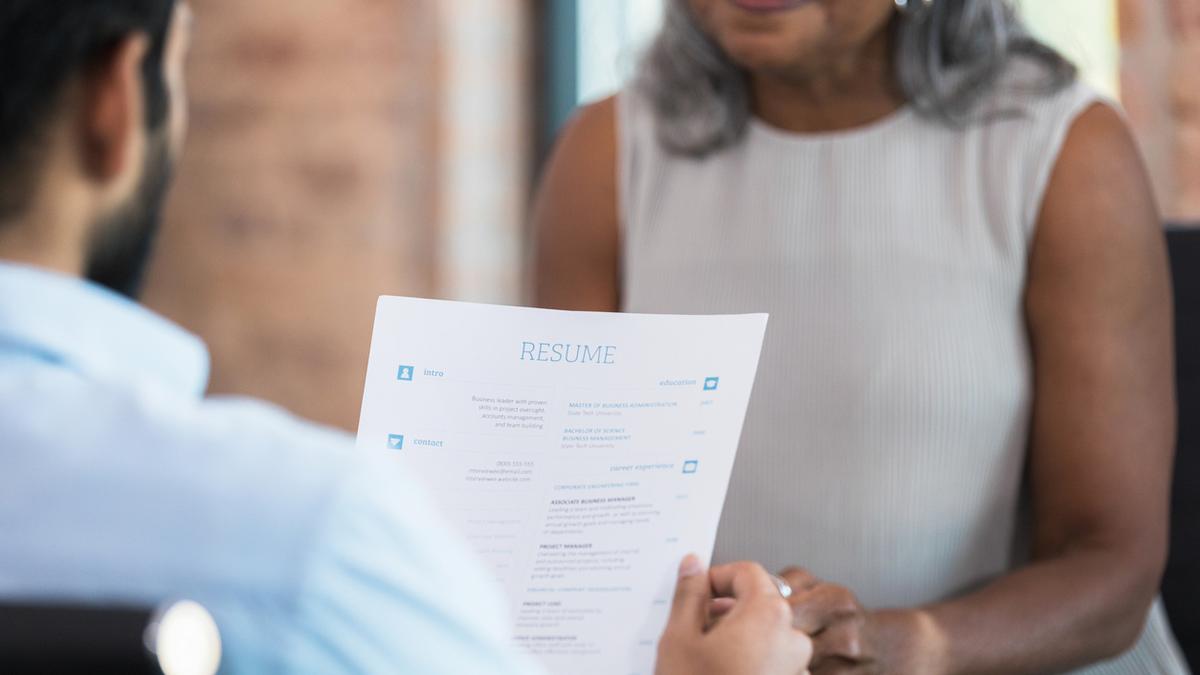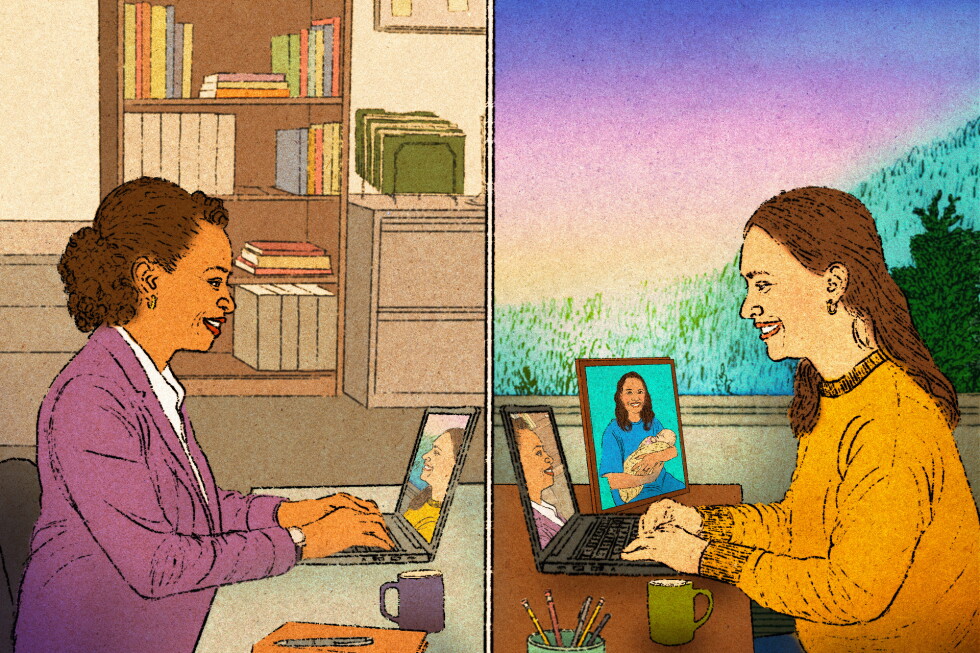
NEW YORK (AP) — When Monique De Liberto began looking for a paying job after putting her career on pause to parent full-time, she felt paralyzed by self-doubt. “Who do you think you are trying this after 17 years?” Di Liberto recalled asking herself. “You have no business doing this.”The fear and uncertainty she felt is familiar to many people seeking work after an absence from the job market. Whether they lost a position during mass layoffs or needed to leave one to care for an ill loved one, job applicants can expect questions about employment history lapses to surface during screenings and interviews.“You have to address it honestly and directly,” said Andy Decker, CEO of Goodwin Recruiting, a candidate recruitment and placement firm. “Make sure that you’ve included anything you did during that time. Did you get certifications? Did you volunteer?”
This article is part of AP’s Be Well coverage, focusing on wellness, fitness, diet and mental health. Read more Be Well.
Extended periods between jobs have become far more common and are less stigmatized than they were before many people worked from home or took time off during the COVID-19 pandemic to take care of children or relatives, Decker said. Some people note these periods on their resumes as a “career break” or “family responsibility,” he said. Here are strategies suggested by a recruiter and workers who have been there for addressing a career gap.