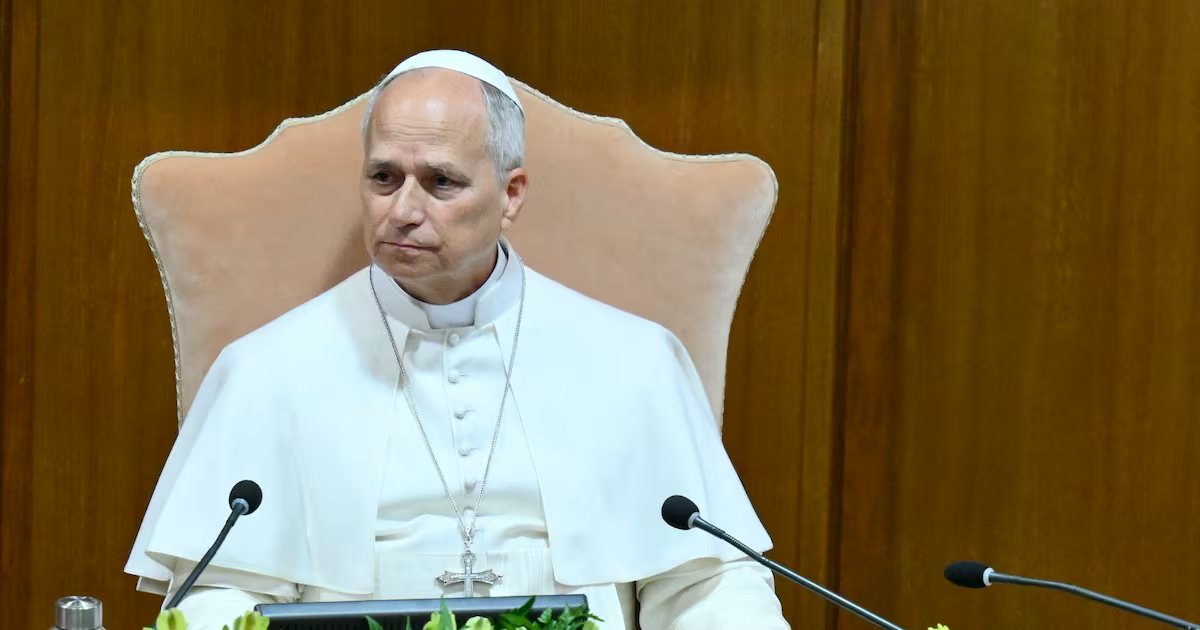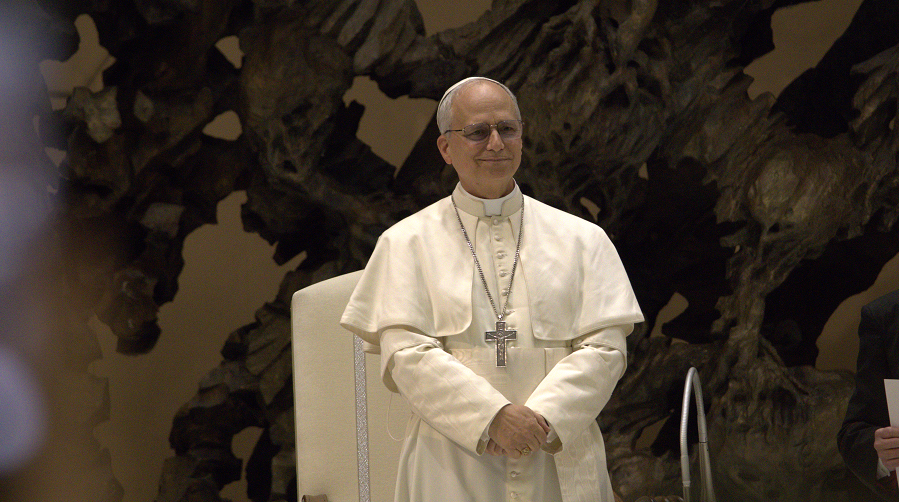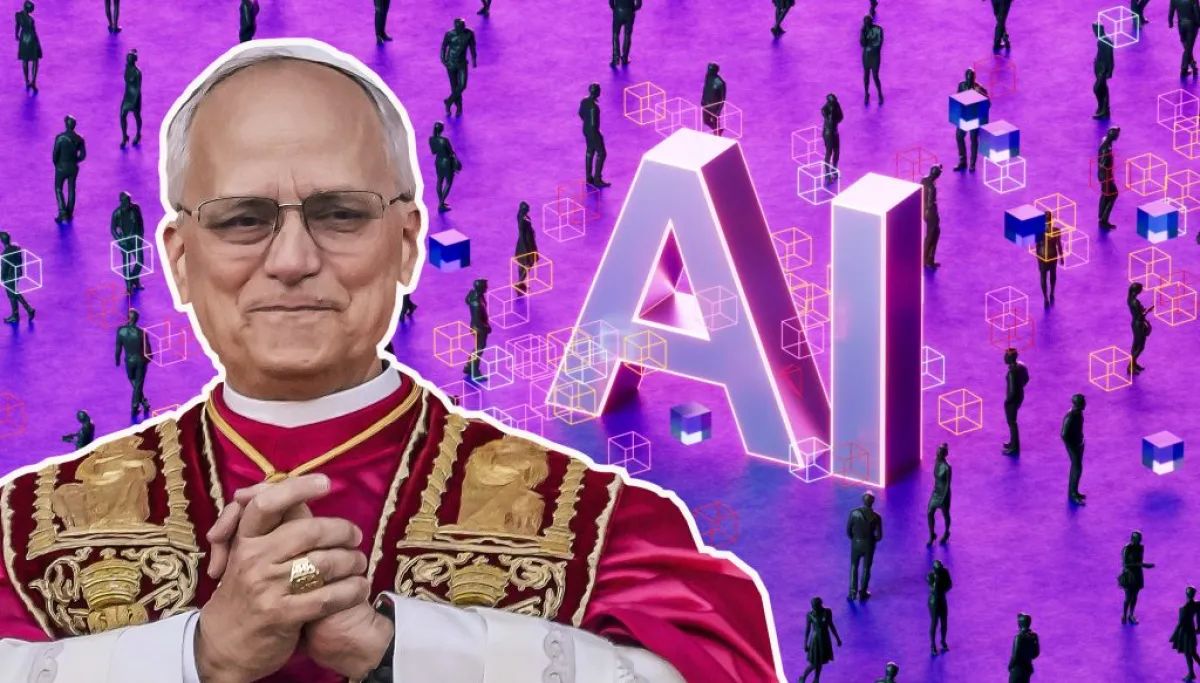
In Focus delivers deeper coverage of the political, cultural, and ideological issues shaping America. Published daily by senior writers and experts, these in-depth pieces go beyond the headlines to give readers the full picture. You can find our full list of In Focus pieces here.A pope named Leo wrote an encyclical focused on a technological and economic revolution upending labor, destabilizing the culture, and concentrating wealth and power in ways that threatened human dignity itself. “The elements of the conflict now raging are unmistakable,” he warned. The wealthy few were growing unimaginably powerful, while workers were being “surrendered, isolated and helpless, to the hard-heartedness of employers and the greed of unchecked competition.” Society was fracturing and everyone was talking about it.“The momentous gravity of the state of things now obtaining fills every mind with painful apprehension; wise men are discussing it; practical men are proposing schemes; popular meetings, legislatures, and rulers of nations are all busied with it — actually there is no question which has taken deeper hold on the public mind.”
That was Leo XIII, writing in 1891. The encyclical was Rerum Novarum (“Of New Things”), and it helped set in motion one of the most consequential moral and institutional responses to technological disruption in modern history: the labor movement, workers’ rights protections, minimum wage laws, the architecture of what we now call social democracy. It did not happen quickly or cleanly. But it did happen.I thought of this recently when I watched a clip of Demis Hassabis, CEO of Google DeepMind and one of the most important figures in the history of artificial intelligence, speaking about how the AI revolution has unfolded. “It’s not the way I dreamed about years ago,” he said, “where we would be sort of contemplating this philosophically and sort of carefully considering each next step. We’re not in that world.”