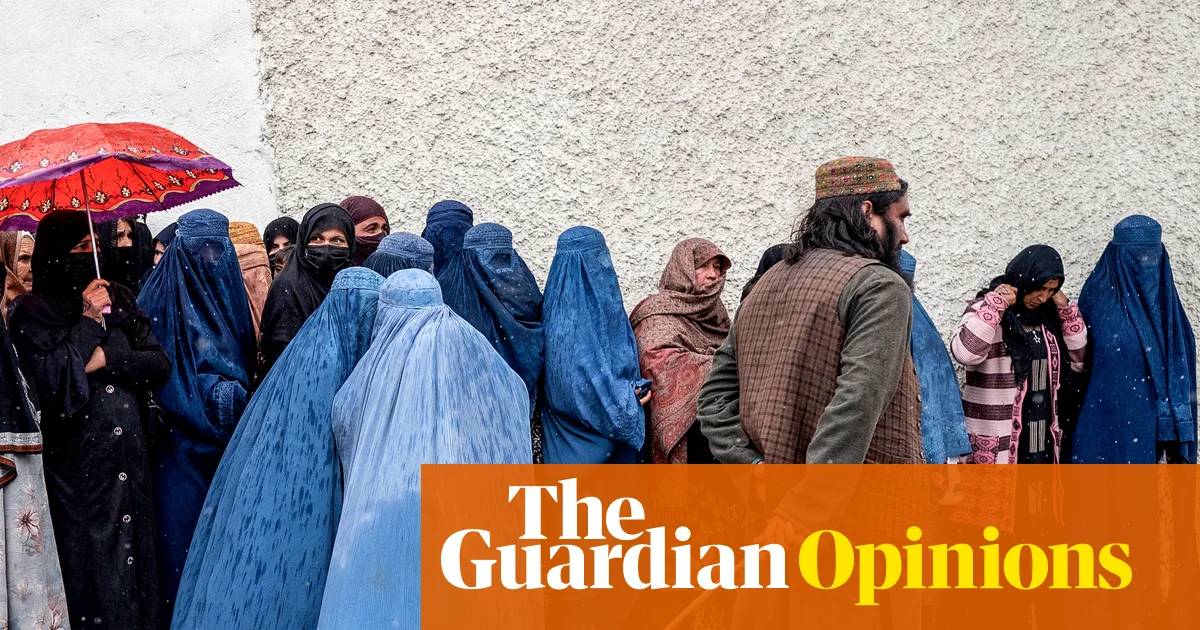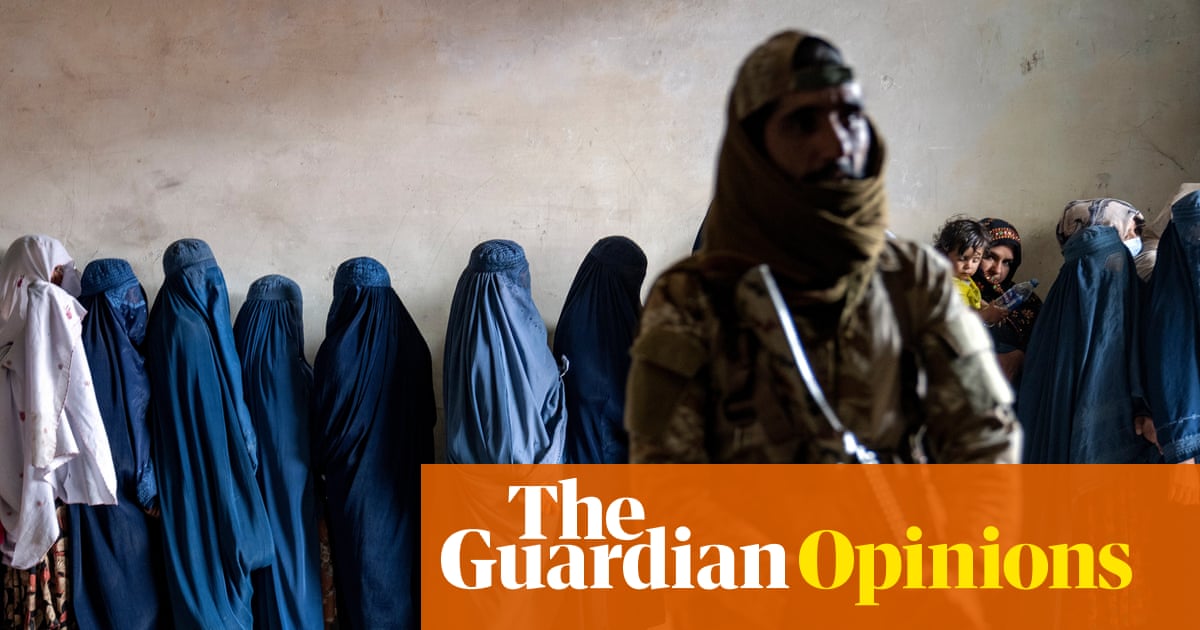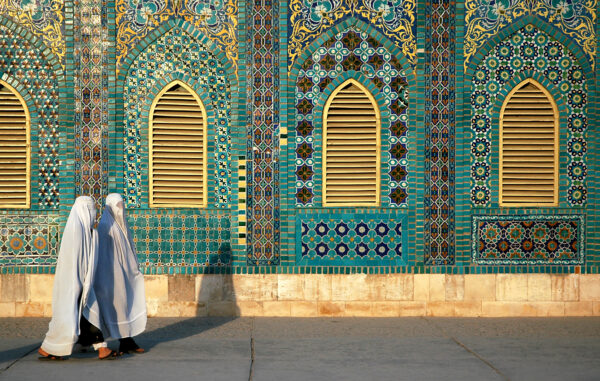
When the Taliban violently seized Kabul in August 2021, the international community responded with unified condemnation. Global powers promised strict diplomatic isolation. They set non-negotiable thresholds for human rights, counterterrorism, and inclusive governance as prerequisites for any future relationship.
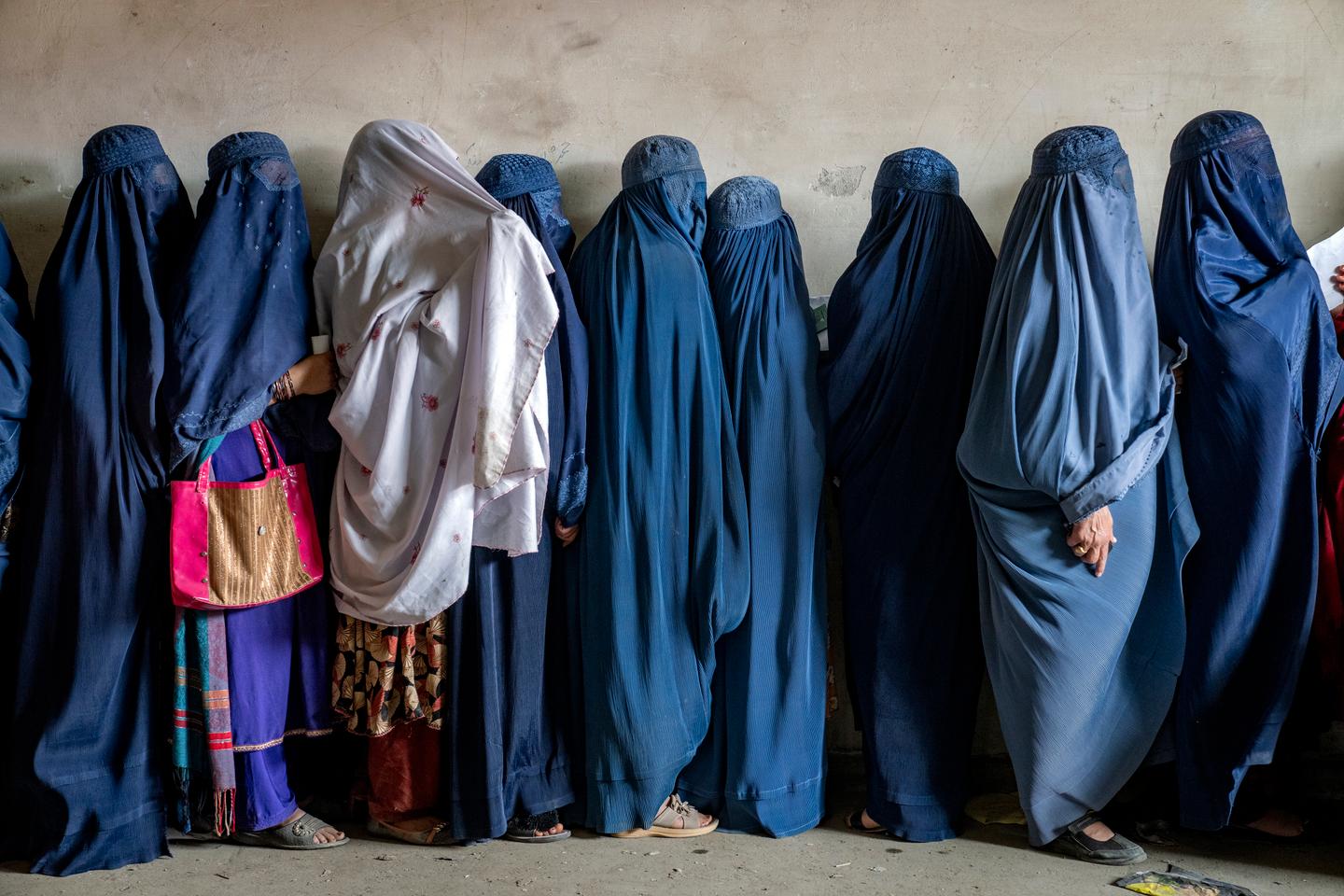
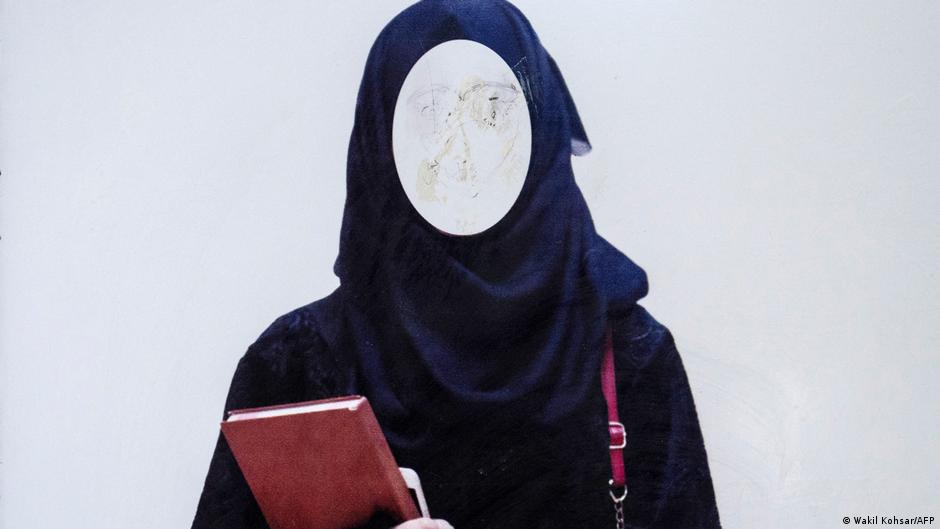
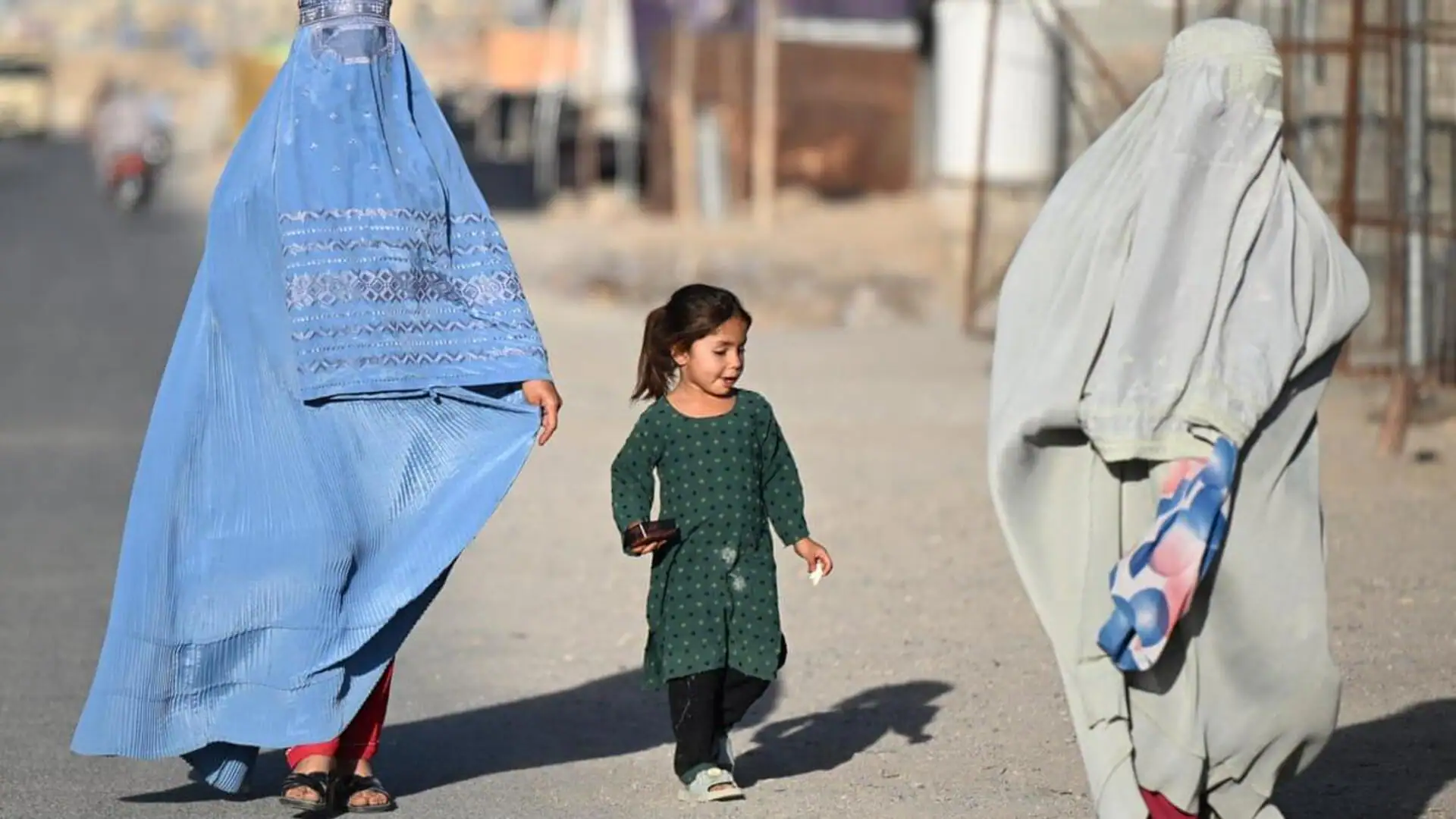
Years later, a troubling transformation has occurred. The catastrophic erasure of basic human liberties in Afghanistan is no longer treated as an intolerable emergency. Instead, it is undergoing rapid geopolitical normalization. Global powers increasingly view the ban on female education, the exclusion of women from the economy, and the resulting mass exodus of intellectual capital as permanent internal realities rather than points for international intervention.
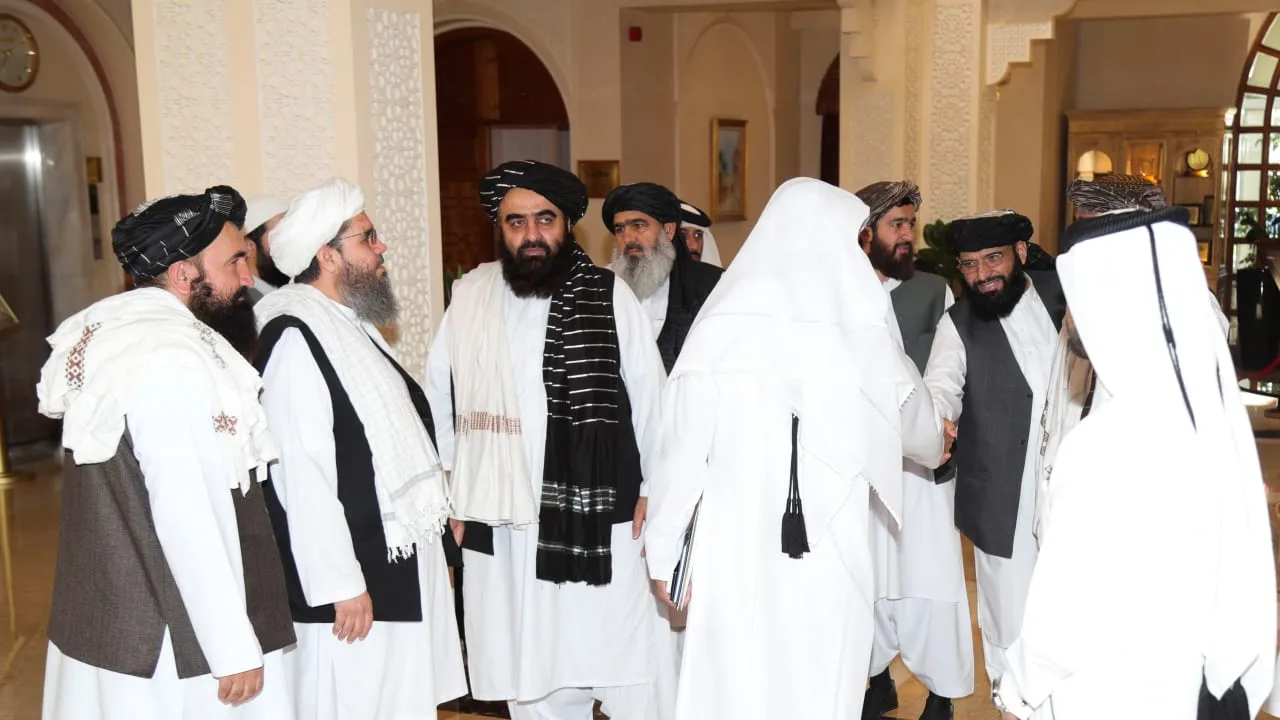
Behind this shift are structural mechanisms: changing international diplomacy, tactical concessions by global organizations, and the calculated silencing of the Afghan people’s authentic voices.
Organizations like Amnesty International and Human Rights Watch have extensively documented this humanitarian catastrophe. Most analysts view the crisis strictly through the lens of international human rights law, focusing on immediate suffering.