This article was originally published on LucidShark Blog.
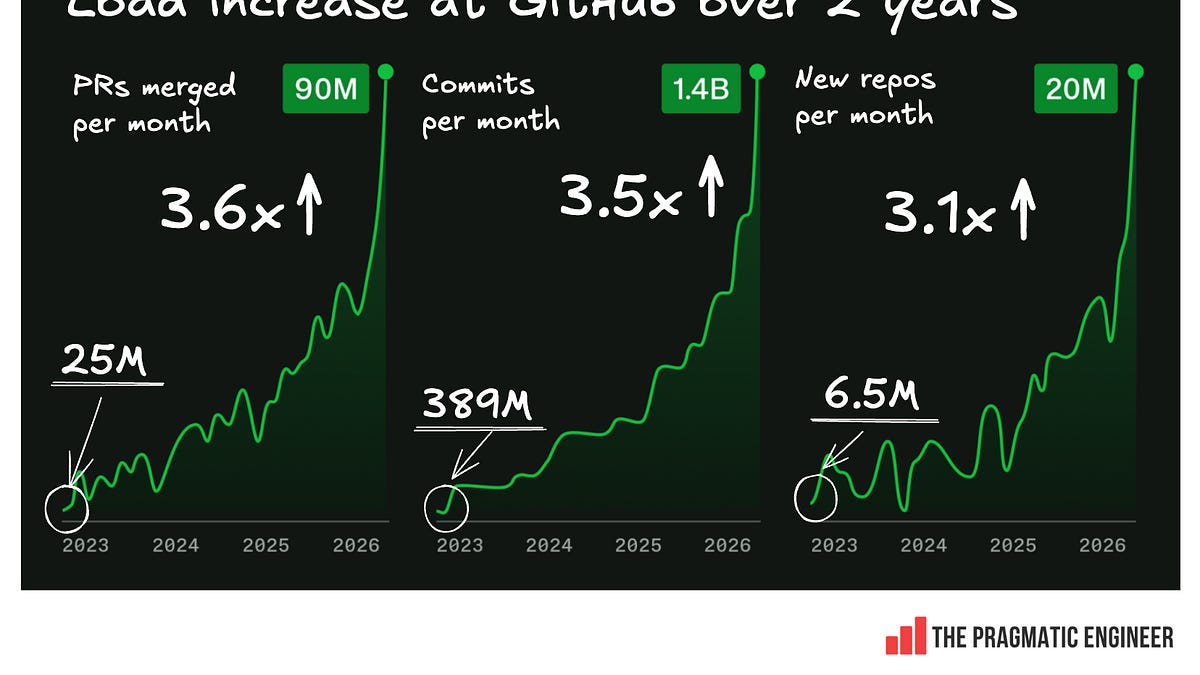
Something shifted on GitHub this year. Open any trending page, search for almost any library name, and you will find dozens of repositories that share a familiar fingerprint: a README generated in seconds, a handful of Python or TypeScript files with functions stretching hundreds of lines, zero test files, and a commit history that reads "initial commit" followed by "add features" followed by nothing.
The Hacker News thread from June 24 put a number to the feeling many developers already had. Commenters described browsing GitHub and finding repository after repository that looked functional at a glance but fell apart on closer inspection. Not because the code was obviously wrong, but because it had never been measured against any quality standard before being pushed.
The core problem: AI tools make it trivially easy to generate code that compiles and appears to work. Nothing in the default vibe-coding workflow measures whether that code is maintainable, tested, or structurally sound before it hits a public repository.
What the AI Code Dump Actually Looks Like