“Frida Kahlo used to be known as the wife of [artist] Diego Rivera but now the opposite is true – she’s Mexico’s most well-known artist and perhaps even the most well-known Mexican,” says tour guide Pato.
We are standing opposite Museo Frida Kahlo, otherwise known as Caza Azul, the striking cobalt-blue building where she was born and spent most of her life. Today, queues of tourists snake around the corner and pose for pictures outside.
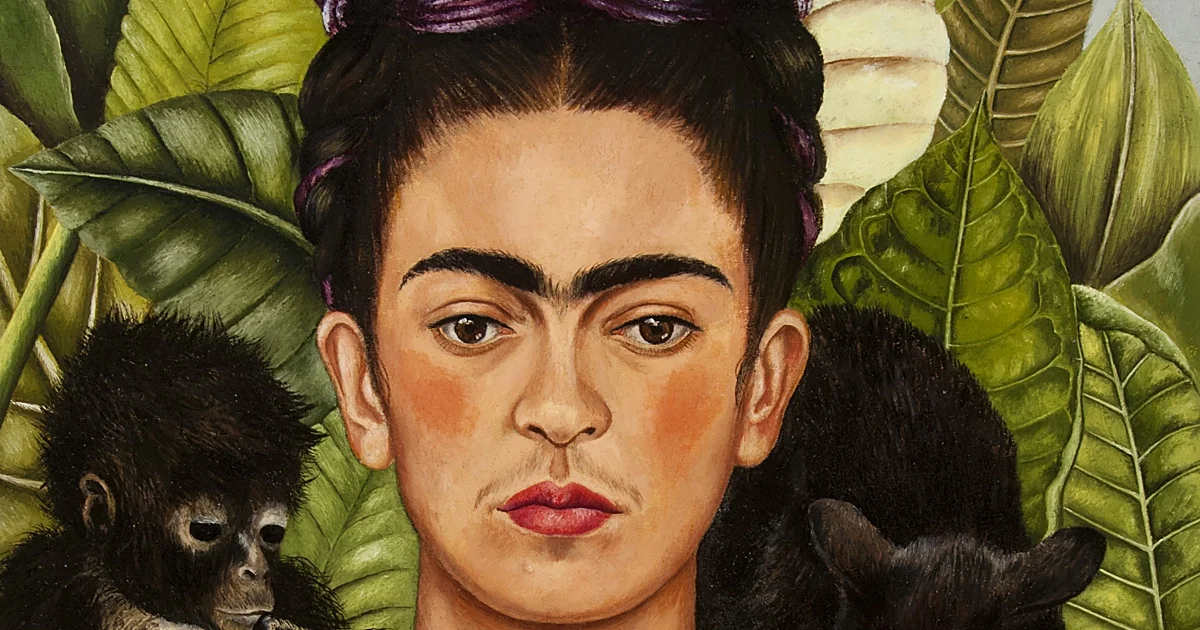
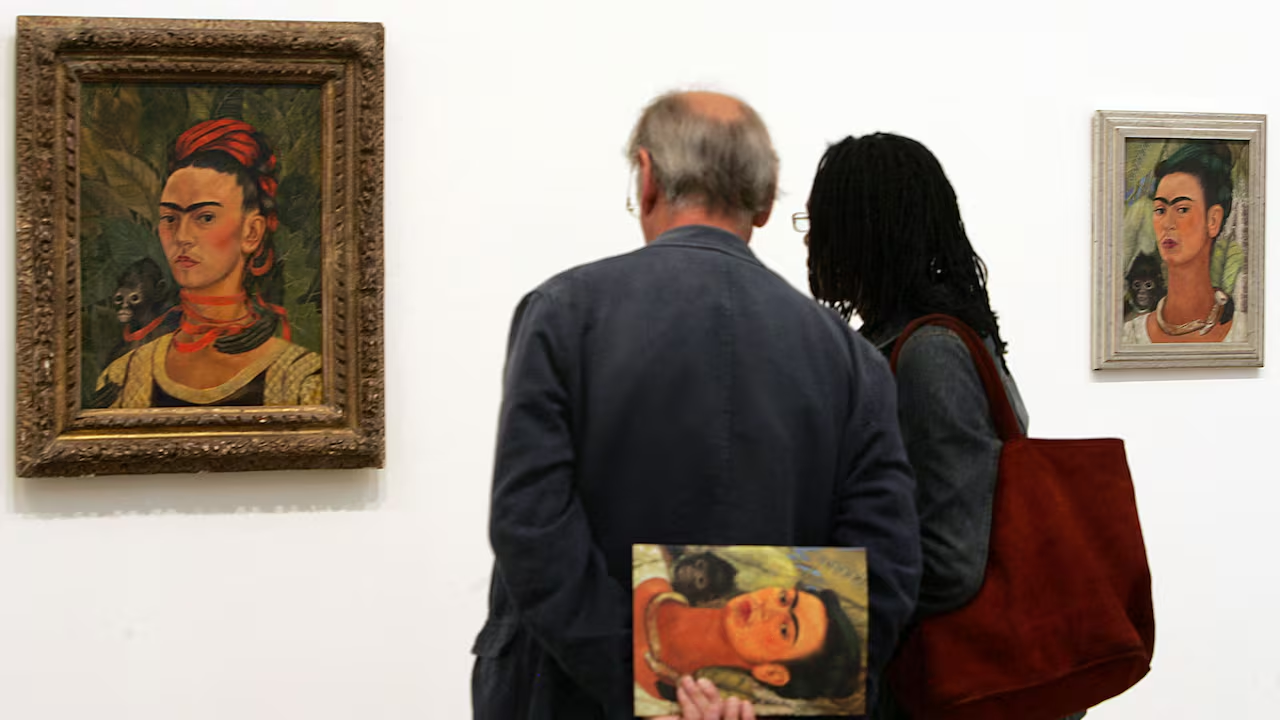
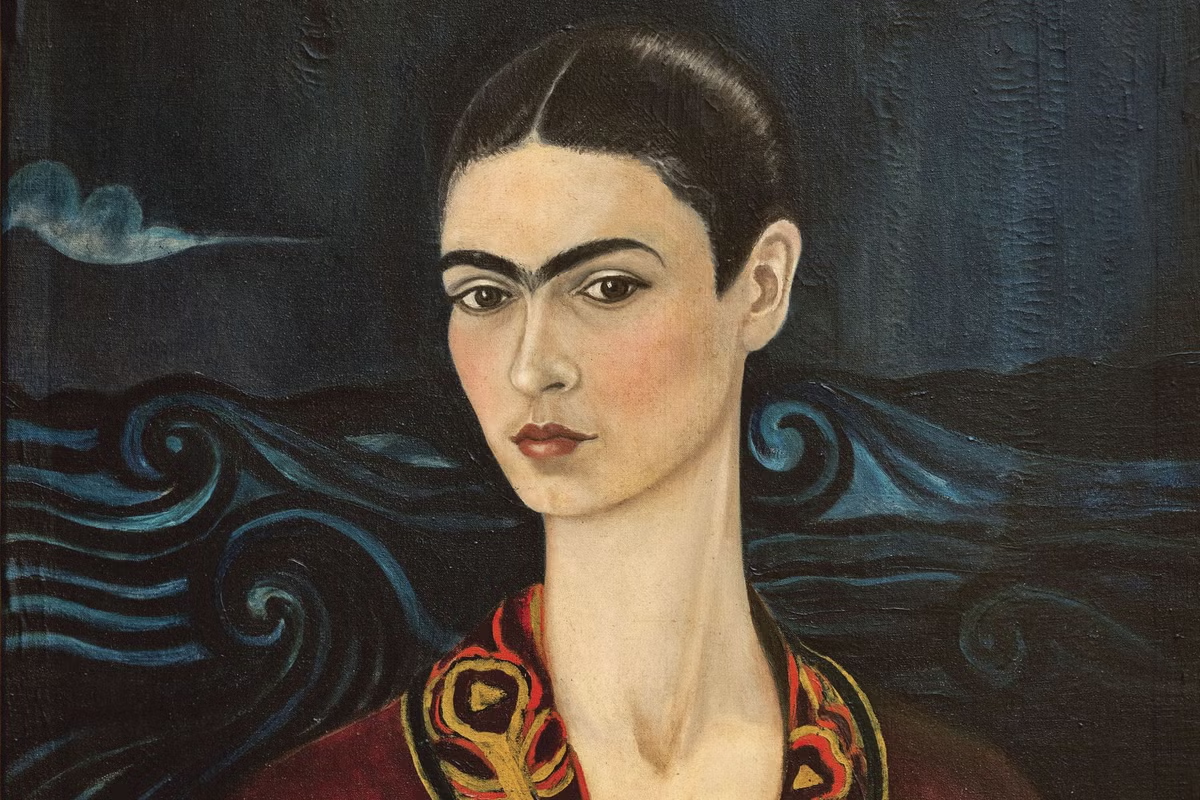
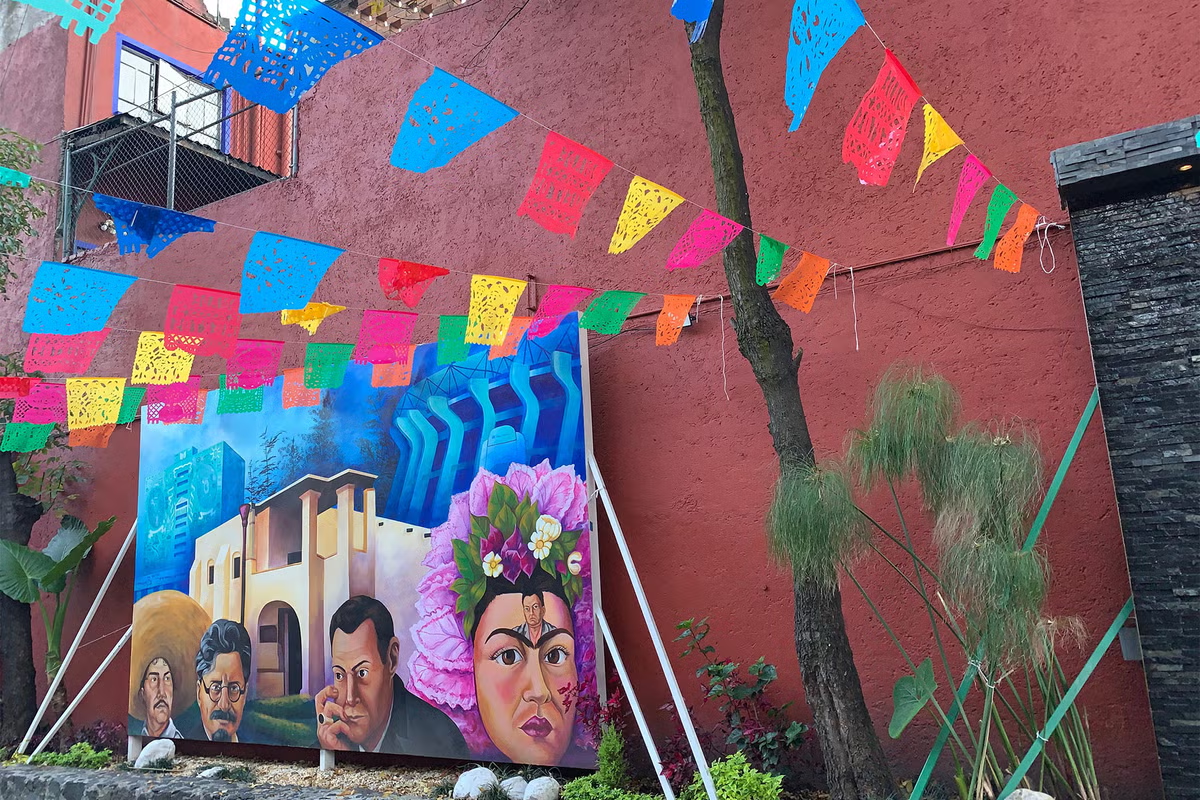
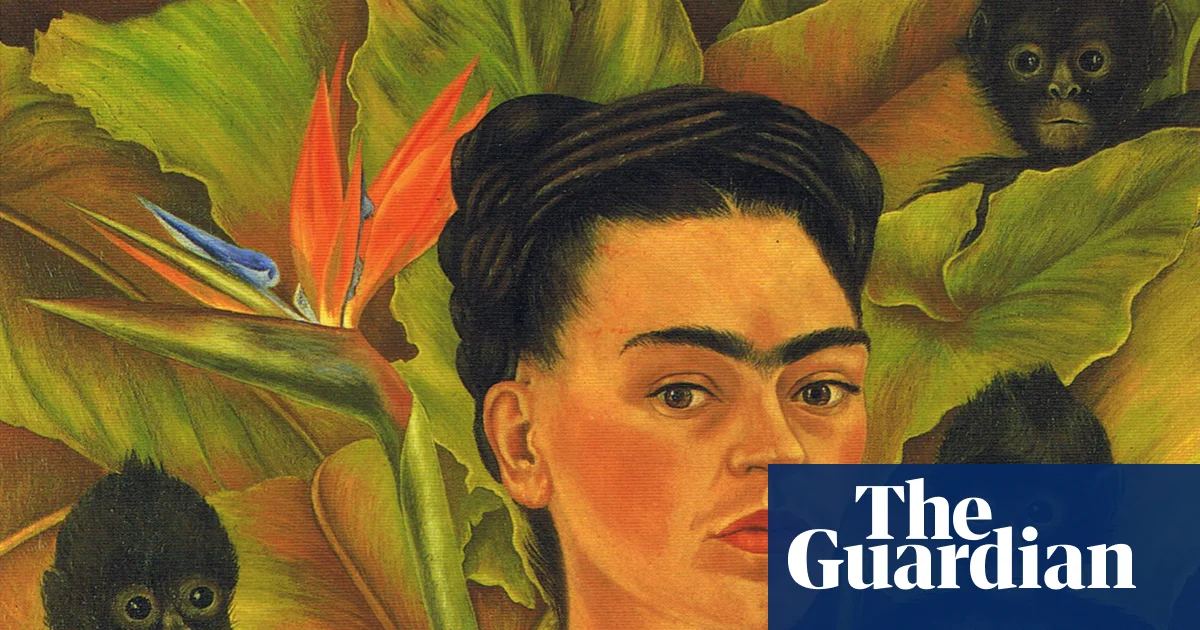
In Mexico City, Frida Kahlo is omnipresent – her distinctive face, with her strong unibrow and ribbon-braided hair, is featured on the 500-peso bank note, and etched on paintings and prints at market stalls. Her art is dotted around galleries and museums across the city.
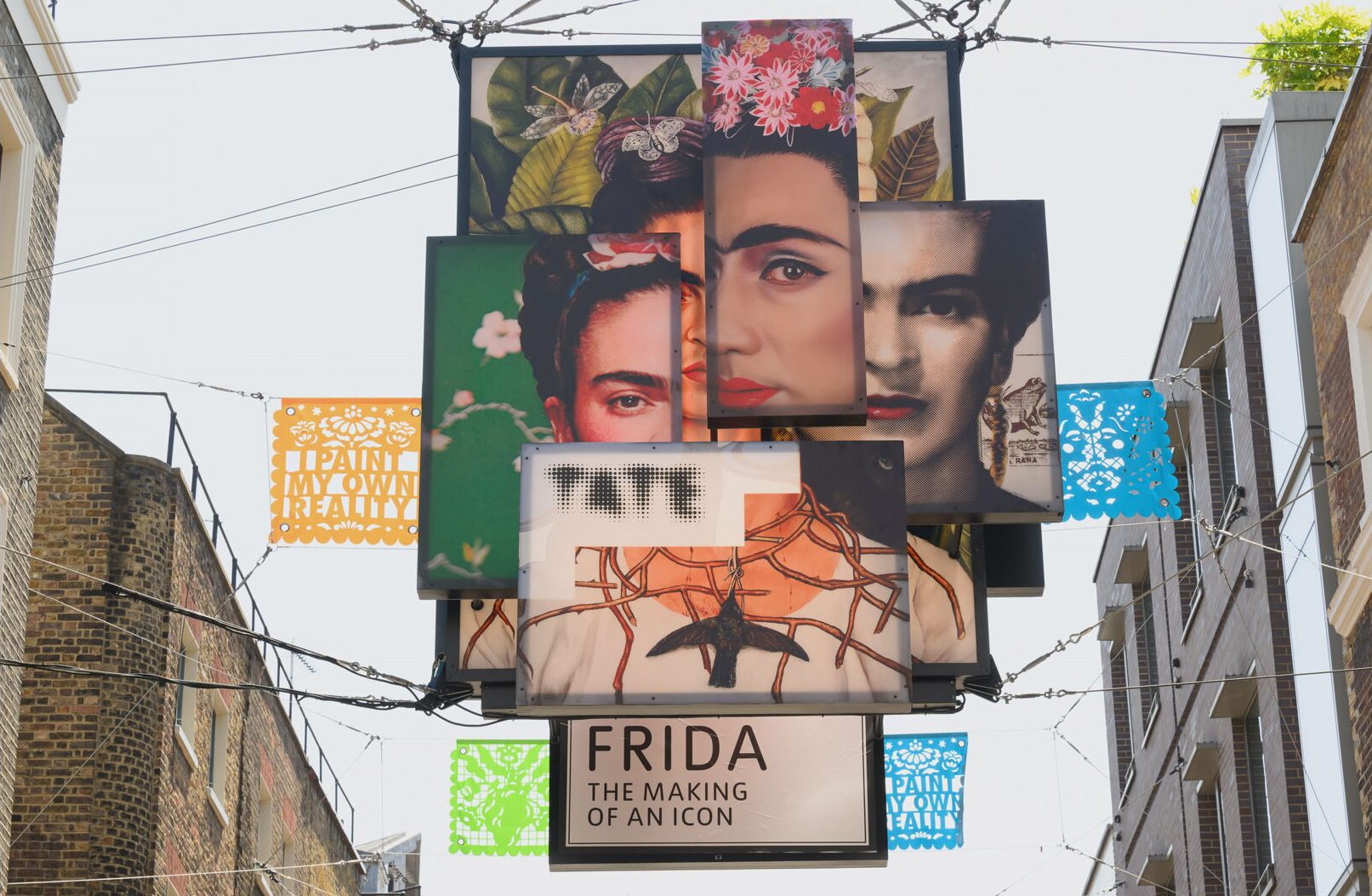
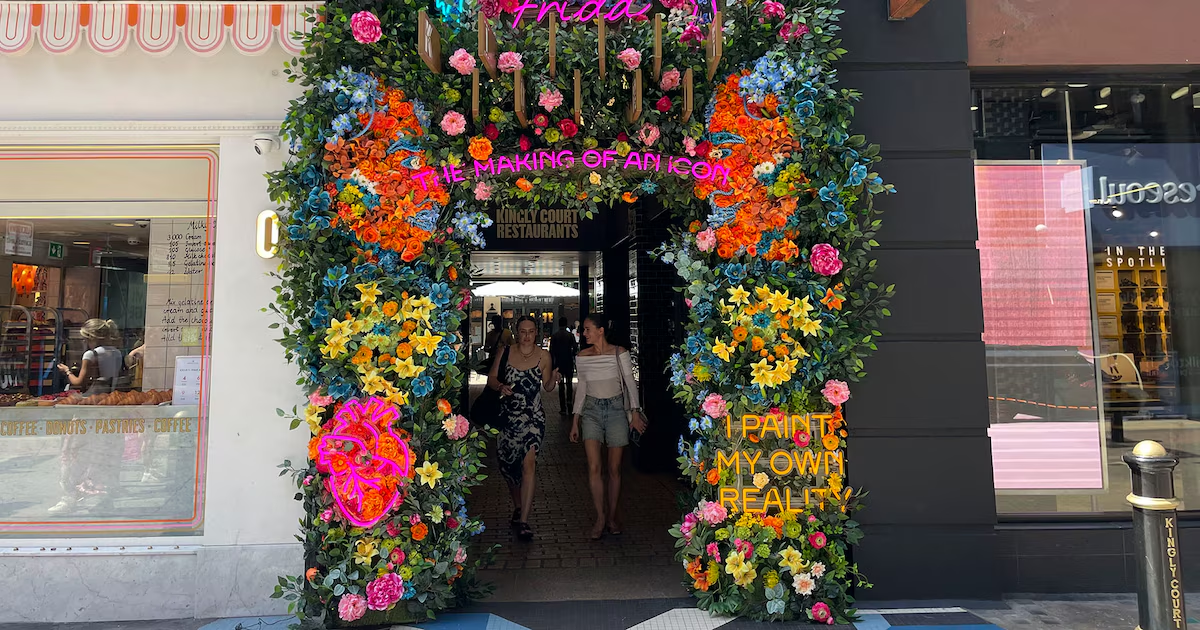
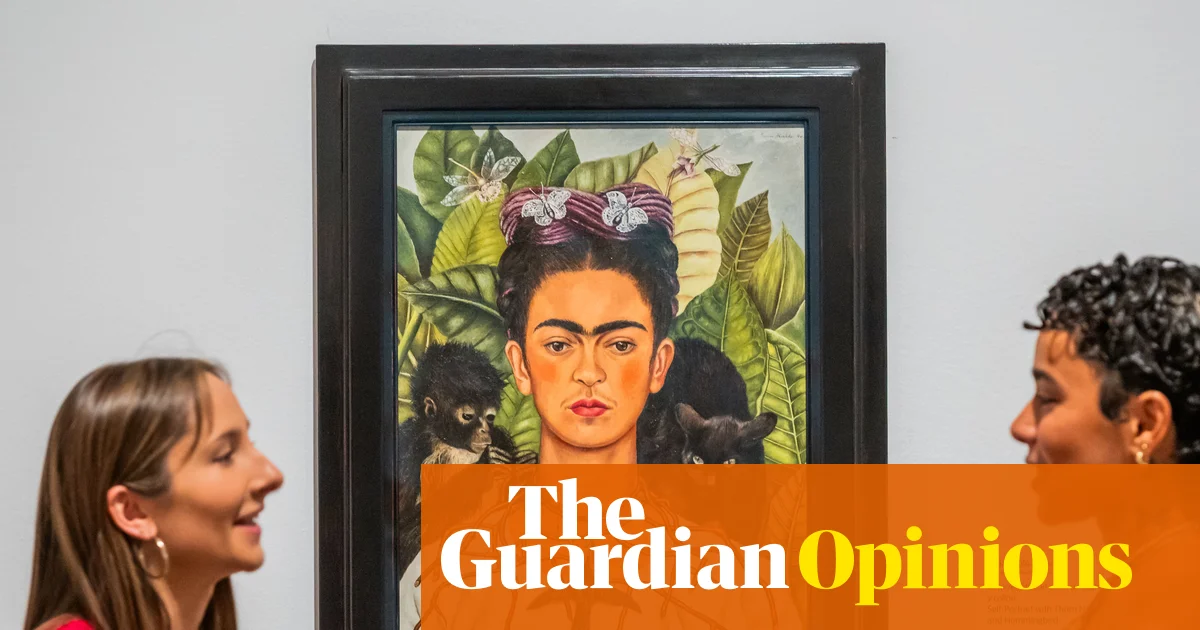
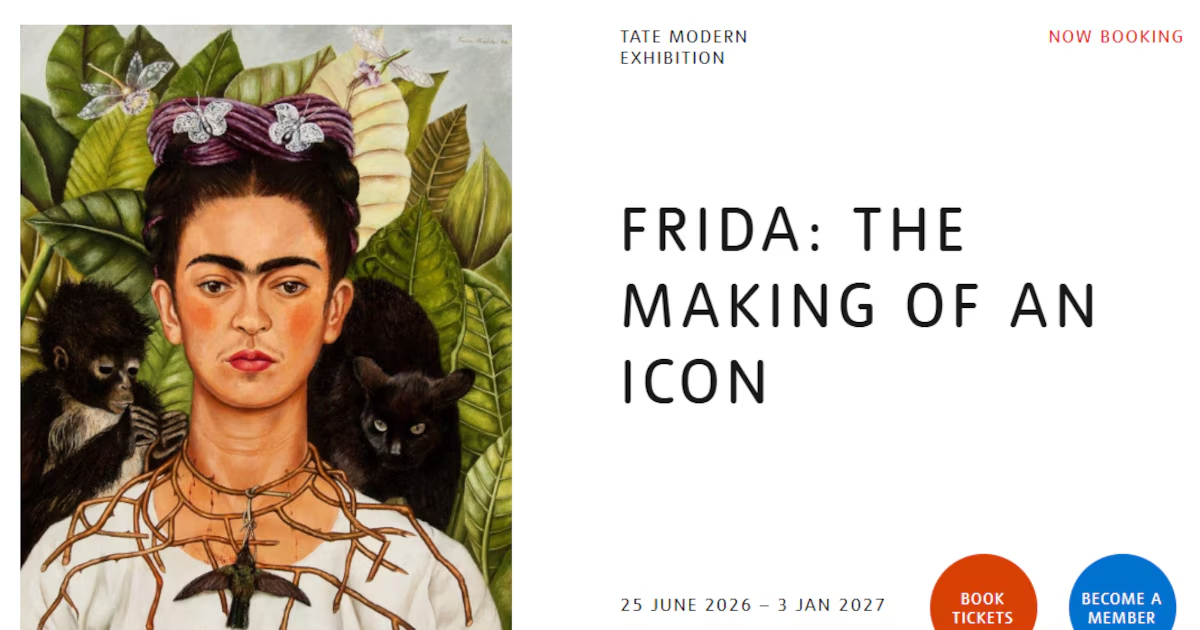
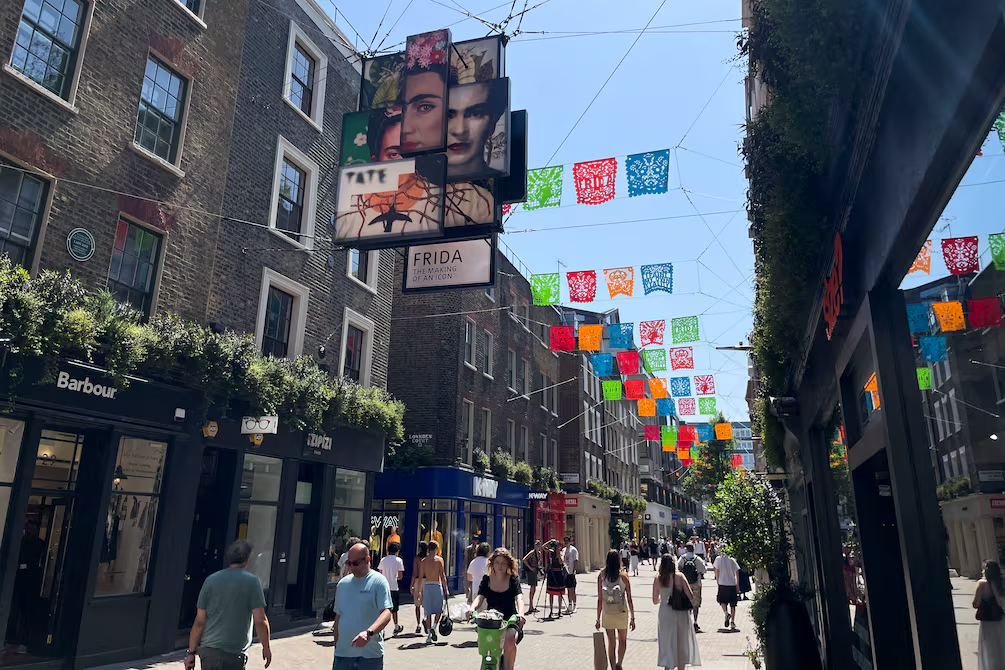
And Kahlo’s work is now crossing the Atlantic with the Frida: The Making of an Icon exhibition at Tate Modern. The show features more than 30 of her pieces. Ahead of its opening on Thursday, it had the highest pre-sales for an exhibition in the art museum’s history.
But for a deeper look into the artist who was known for her self-portraits, her intimate portal of her ongoing physical pain (she experienced polio as a child and later was left severely injured after a near-fatal bus accident), and her bold style, there’s an alternative in her hometown that doesn’t have an end date.