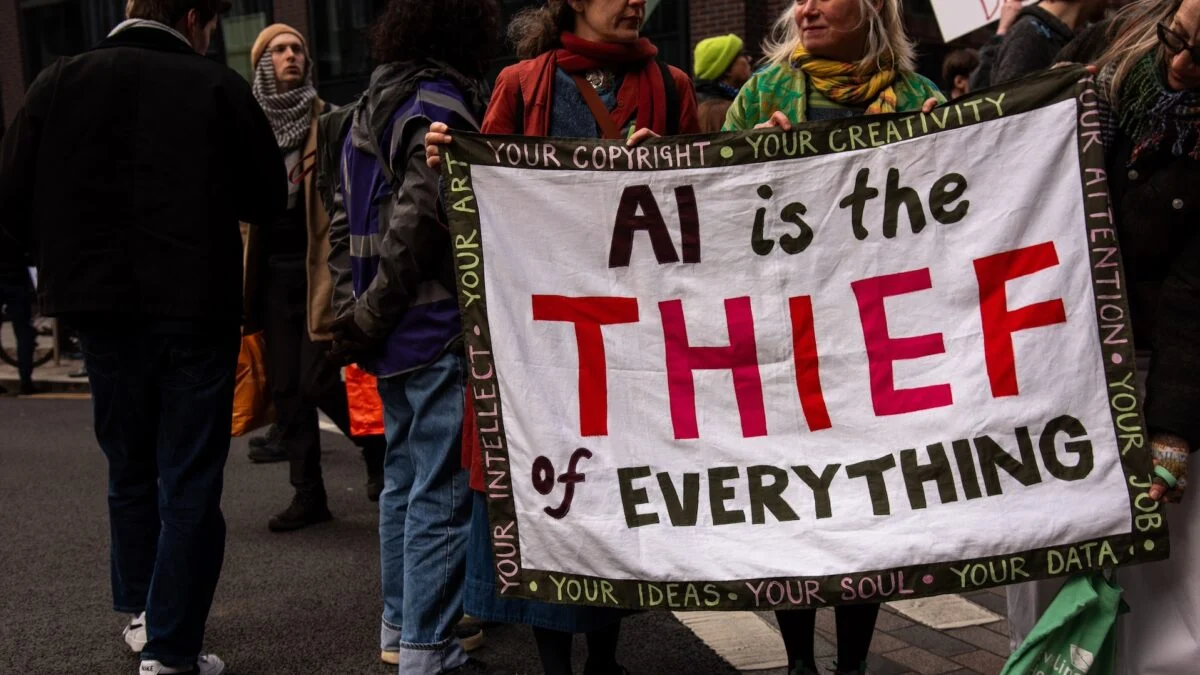
Good artists borrow, great artists steal, as the adage goes. In the cutthroat and almost completely unregulated modern AI industry, there are many tech developers who would probably agree. Few of them would come right out and admit it, though. Not long after the generative AI boom took the business world and Wall Street by storm, a chorus of complaints started being leveled against companies like OpenAI, Microsoft, Anthropic, and Google, whose models were trained using a sizable chunk of all the content that’s ever been published on the internet—including, as many subsequent lawsuits would allege, massive quantities of copyrighted materials. Confronted by a potentially existential threat to the business model that had sustained them for decades, some major publishers chose to fight back in court. (Others signed content licensing agreements with leading AI labs, trading access to their databases in exchange for a cut of the labs’ profits, custom AI tools, and other perks.) By and large, the AI companies have responded to these allegations by arguing that the scraping of online data is permissible under existing laws around “fair use.” Given the financial stakes and the novelty of the technology in question, lawyers and judges will have their hands full for some time before such disputes are finally resolved. In the meantime, legal challenges against AI companies are continuing to mount.
Everyone Wants to Build AI Using Someone Else’s Work
Publishers and artists aren’t the only ones accusing AI startups of foul play these days.
866 words~4 min read