Story audio is generated using AI
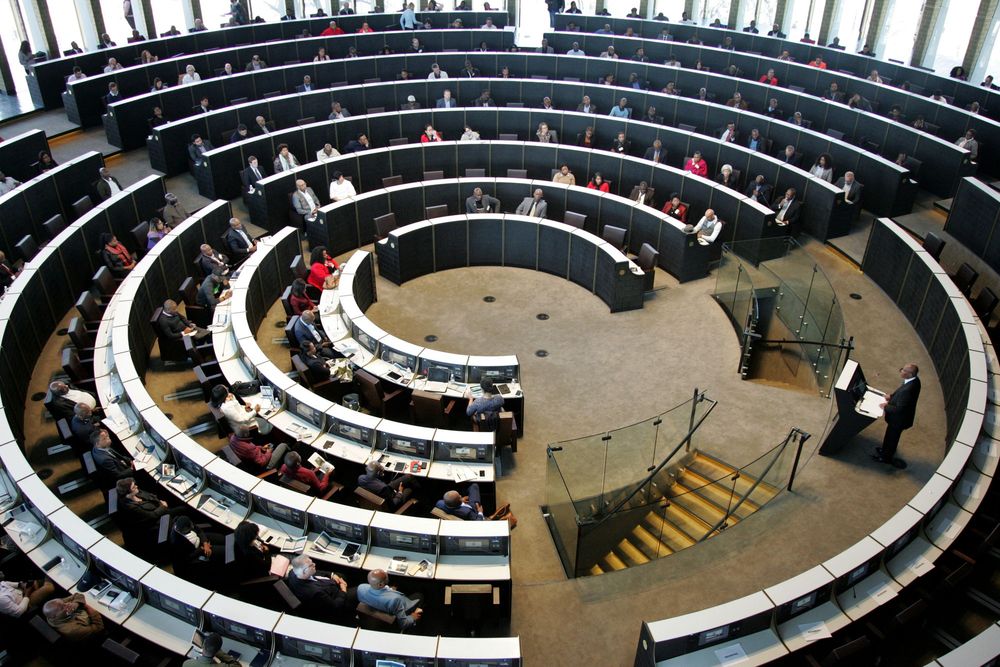
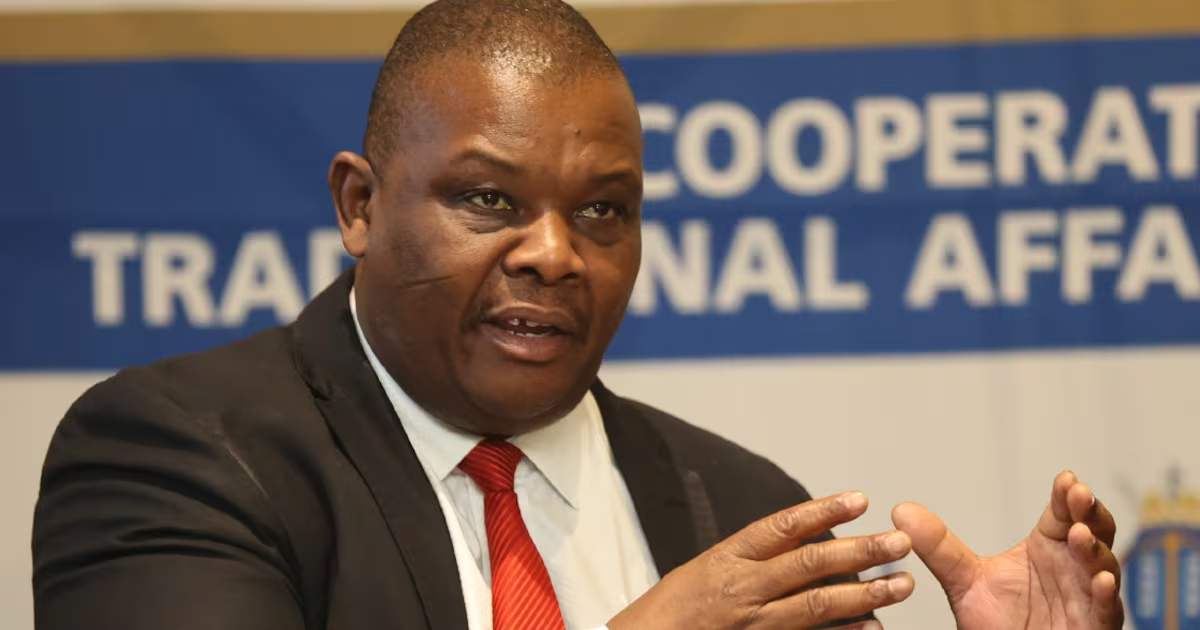
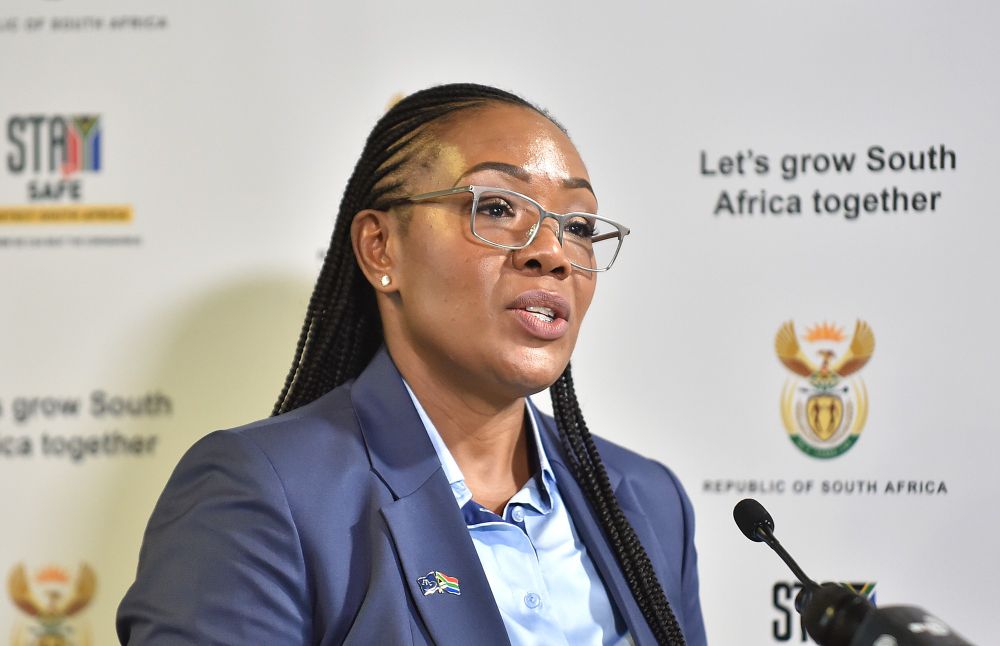
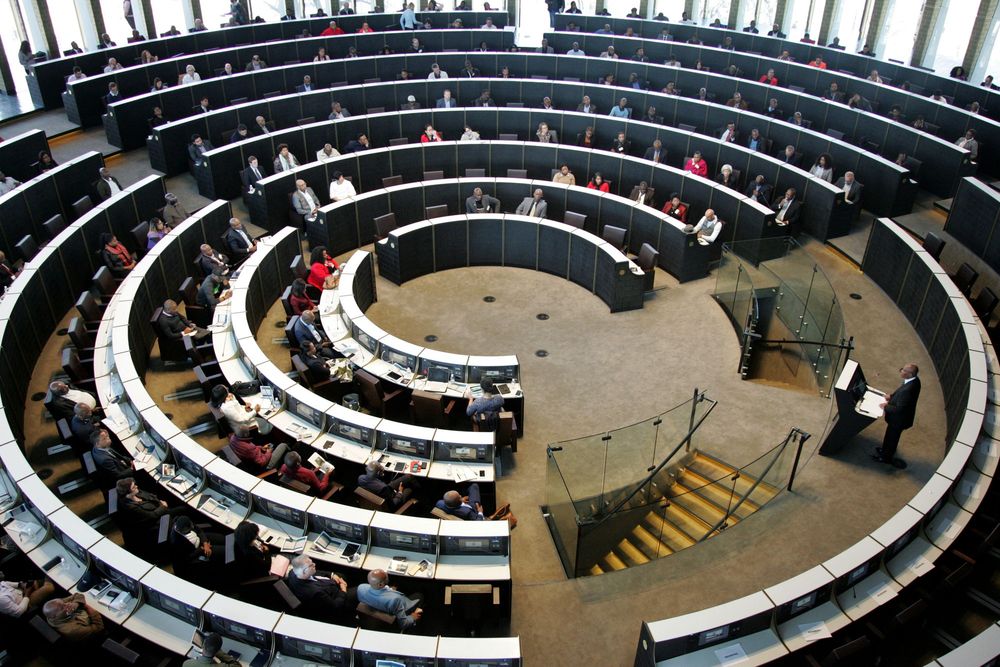
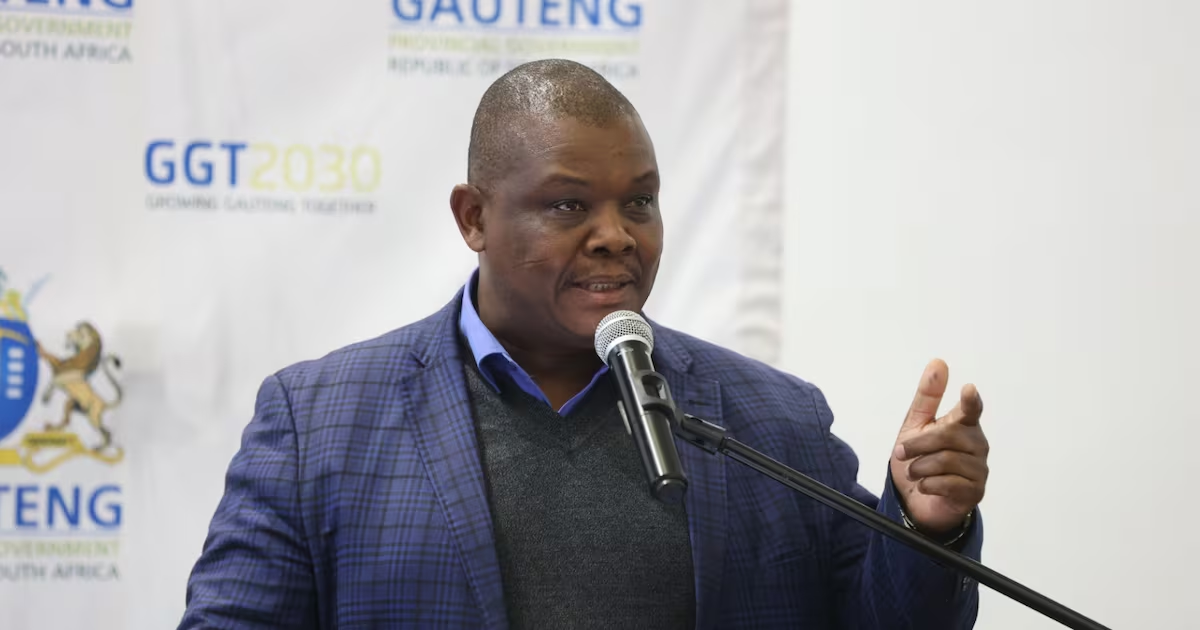
The Gauteng department of co-operative governance and traditional affairs (Cogta) has been allocated a budget of R680.5m for the 2026/27 financial year, with the biggest slice of R295.9m directed at fixing the embattled local government. Tabling the department’s budget vote at the Gauteng provincial legislature in Johannesburg on Thursday, MEC Jacob Mamabolo said the R680.5m budget forms part of the medium-term expenditure framework allocation of R1.9bn over the next three years. The budget vote comes as auditor-general Tsakani Maluleke on Wednesday slammed the poor state of local government, revealing in the local government audit outcomes for 2024/25 financial year that none of the country’s eight metros received a clean audit during the period under review. Of Gauteng’s 11 municipalities, only the Midvaal and West Rand councils received clean audits. It also comes as the Joburg metro, the country’s economic and financial hub, which has a budget of R97.1bn for 2026/27, is battling a debilitating financial crisis that is threatening to cut the city’s power supply as the municipality owes Eskom R5.3bn. On Thursday, Mamabolo said the R295.9m allocation for local government will support “municipal administration, municipal finance, public participation, capacity development, stakeholder engagement and municipal performance monitoring”. “A further R197.4m has been allocated to development and planning. This programme drives integrated development planning, disaster management services, infrastructure support and municipal infrastructure interventions. Importantly, this allocation includes R80m dedicated to addressing municipal energy challenges through the implementation of the Gauteng Energy Response Programme,” Mamabolo said. “An amount of R165.6m has been allocated to administration to ensure that the department remains capable, professional and responsive in supporting municipalities, while R21.6m has been allocated to Traditional Institutional Management to strengthen traditional leadership institutions, support cultural programmes and promote social cohesion.” While municipalities across Gauteng continued to demonstrate resilience in maintaining essential services, the MEC said the reality facing local government demands an integrated approach. “In line with this profound principle, it is now a well-known fact that as Gauteng we have well-established Intergovernmental Relations (IGR) forums that bring together the provincial government, all our 11 municipalities as well as national government departments and entities to plan, resolve challenges and bring innovative solutions to the challenges that affect our communities not as stratified entities but as one government,” he said. Institutional capacity Mamabolo hailed progress in the professionalisation of municipal administration, saying it is gaining momentum as the filling of senior management positions has improved to 86%. All municipal manager and city manager positions are now occupied, and 88% of critical technical posts have been filled.These improvements are strengthening institutional capacity and improving the ability of municipalities to deliver services effectively,” Mamabolo said. Regarding council finances, the MEC said while municipal debtors remain unacceptably high at R173bn and Eskom debt has risen to R31bn, “the Local Government Turnaround Strategy has created a platform through which these challenges are being actively addressed”. “This budget seeks not merely to fund programmes, it seeks to strengthen institutions, to improve governance, secure essential services, build resilience. It seeks to accelerate digital transformation and to restore public confidence and trust in local government.”