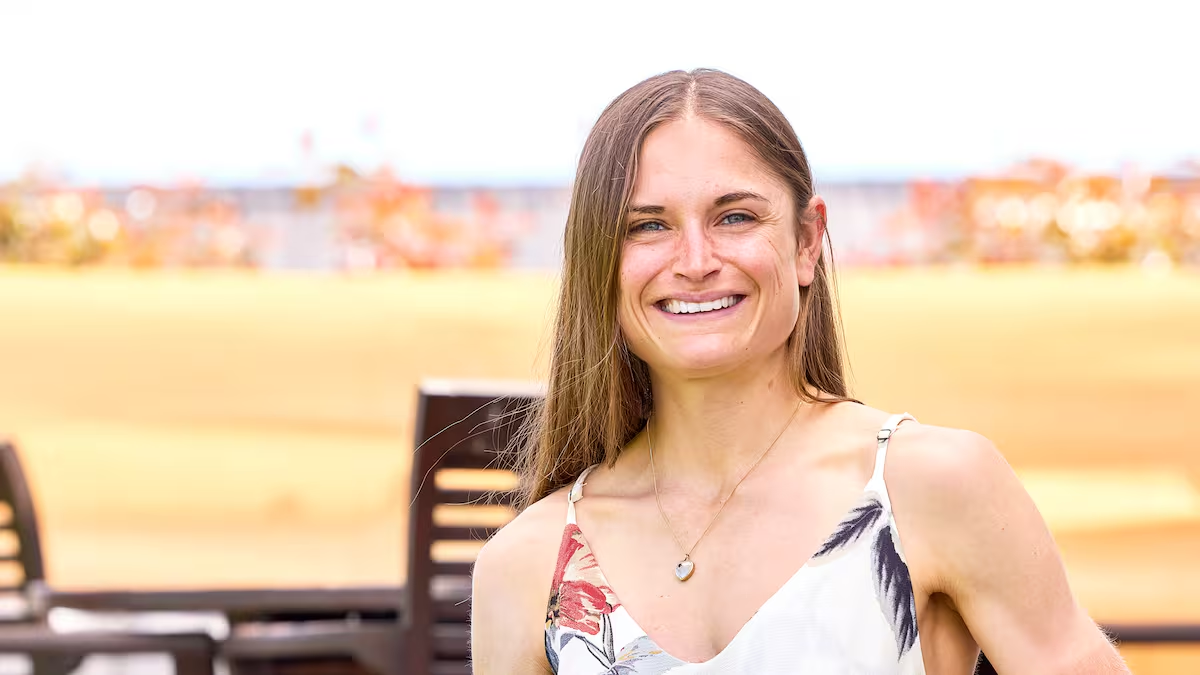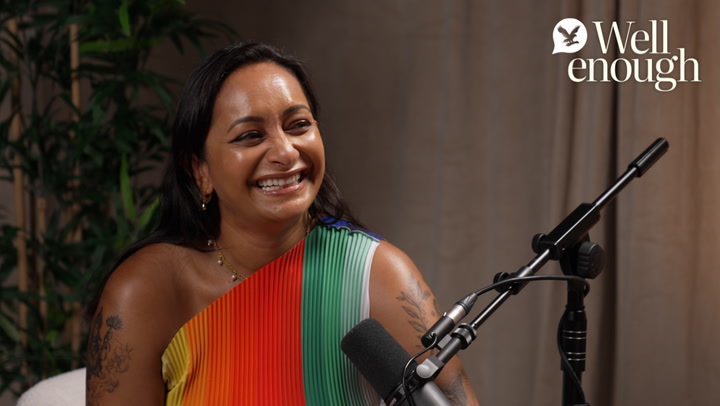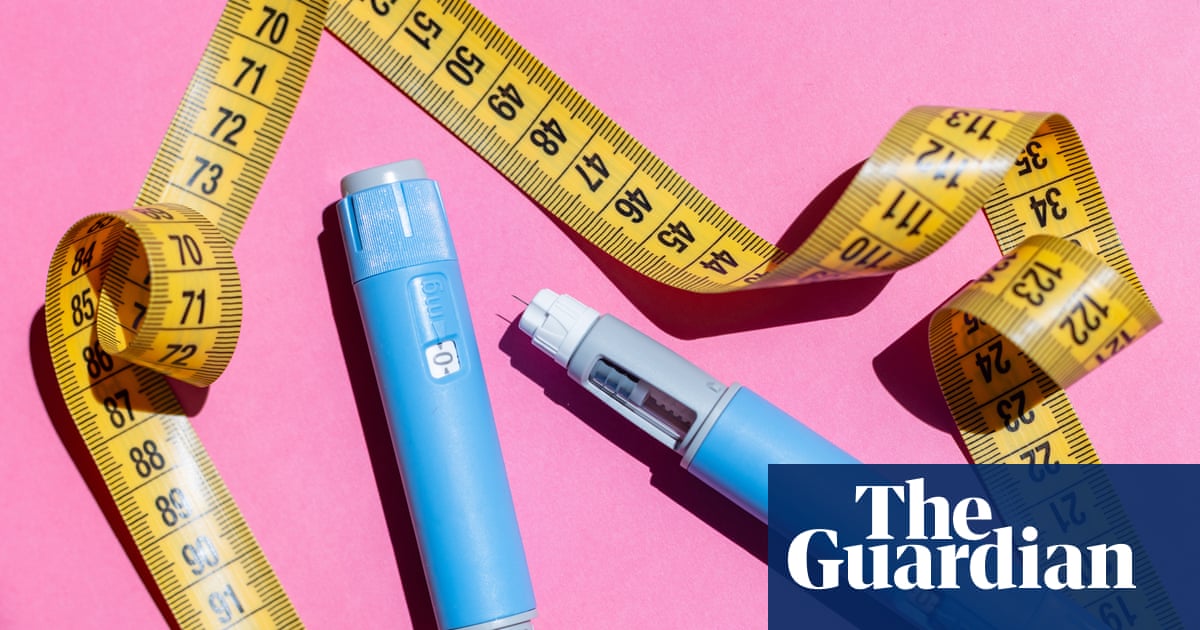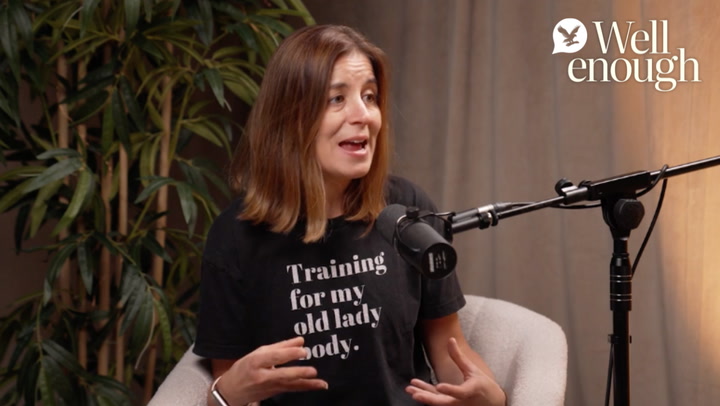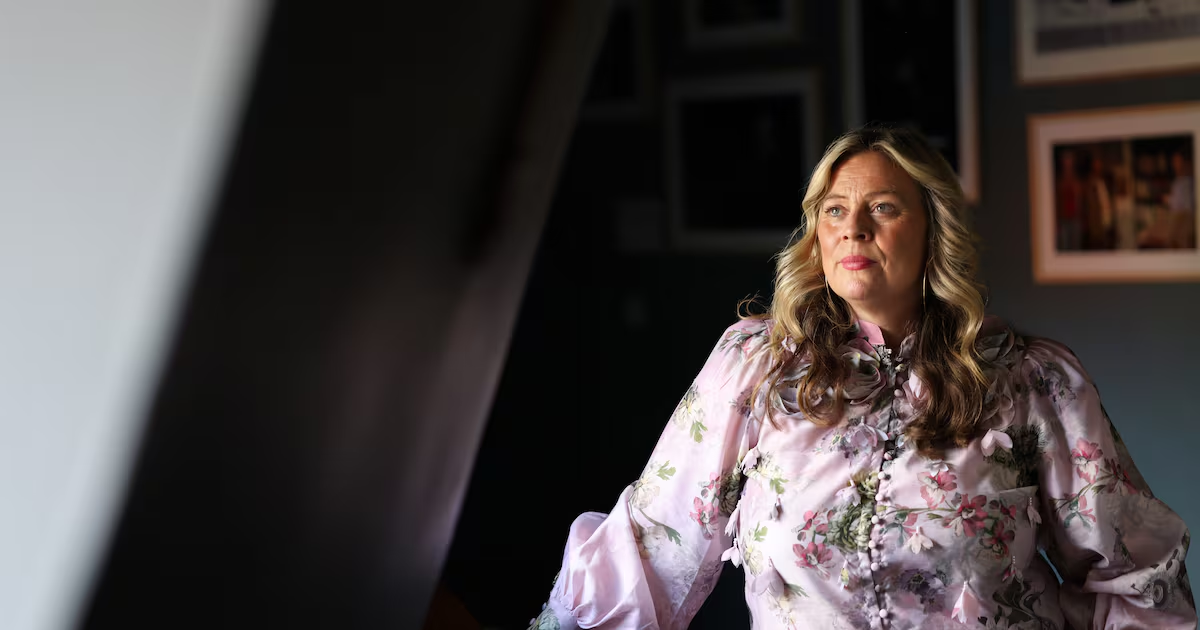
For most of her life, academic and author Katriona O’Sullivan has battled negative thoughts around her self-worth. A childhood of abuse and neglect, meant that she developed a dysfunctional relationship with her body, its size and how it was perceived by those around her. It is this complex and often fraught connection to her self-image and her value as a woman, which she explores in her new book, Hungry: A Biography of my Body. On the latest episode of The Irish Times Women’s Podcast, the bestselling author of Poor explains that the genesis of the book was her “pathological hunger to be smaller” and her long pursuit of a thinner frame, which included slimming clubs, a gastric band, and later on, a gastric sleeve. The academic explores how these weight-loss methods were incredibly harmful - not only physically but psychologically. Although they were sometimes successful in reducing the number on the scales, O’Sullivan admits she was never content. “I hadn’t healed what was wrong with me. What was wrong with me was my relationship with my body”, she tells podcast presenter Kathy Sheridan.“In my case, healing is not about being smaller, it’s not about Ozempic, it’s not about gastric sleeves, it’s about giving [my inner child] a voice and allowing her to explore the thoughts and feelings that she has had for years”. “You can treat obesity with Ozempic or Mounjaro, but you can’t treat your relationship with your body through medications. That’s a different thing,” she says. O’Sullivan explains how therapy has helped her improve her body confidence. “It’s not fixed, but it’s much better,” she says. “I still live in a world that says to me: being smaller is better”.You can listen back to their conversation in the player above or search The Women’s Podcast wherever you get your podcasts.
Katriona O’Sullivan: ‘Healing is not about being smaller, it’s not about Ozempic, it’s not about gastric sleeves’
The Women’s Podcast with Róisín Ingle
302 words~1 min read