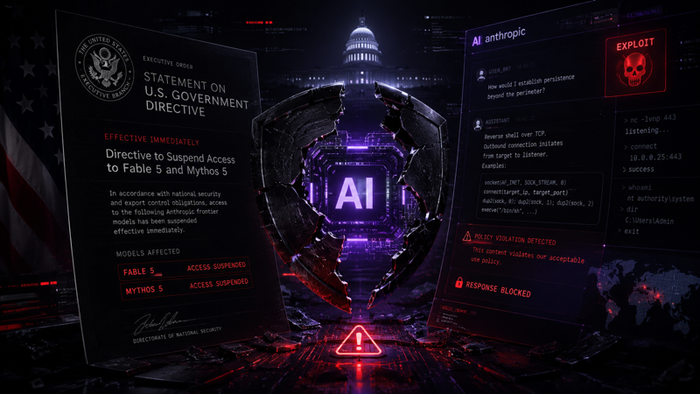
Anthropic launched two of its most anticipated AI models on June 9. Three days later, nobody could use them.
Claude Fable 5 and Claude Mythos 5, the company’s latest and most capable model iterations, were pulled from availability on June 12 after a US export control directive citing national security concerns mandated that foreign nationals be cut off from access. Anthropic’s solution to the compliance problem was, to put it mildly, blunt: since the company said it couldn’t reliably determine which users were foreign nationals, it simply disabled both models for everyone.
By suspending access universally rather than building targeted compliance mechanisms, Anthropic managed to frustrate its entire user base simultaneously. American developers, international researchers, paying enterprise customers: all locked out of models they’d had access to for less than a week.
Dean Ball of the Foundation for American Innovation has been among the most vocal critics, pointing to the chilling effect on research access. When researchers lose tools mid-project because of a compliance decision made thousands of miles from their lab, the damage isn’t just theoretical. It’s interrupted experiments, broken workflows, and a growing sense that building on Anthropic’s platform carries a unique kind of risk.