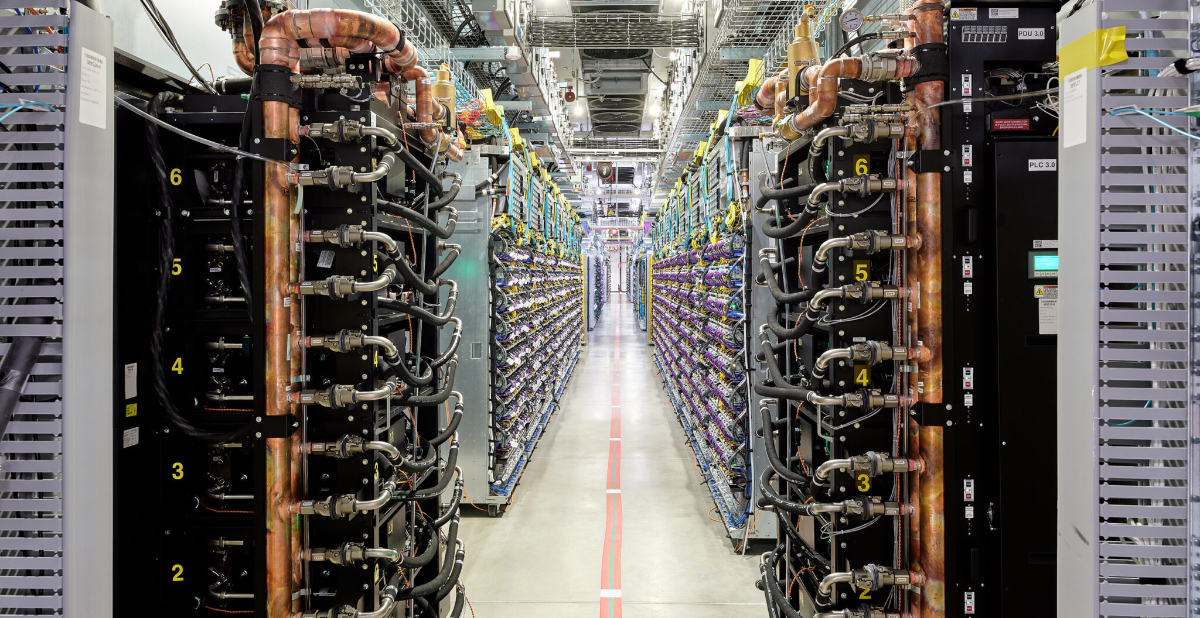
Google data center, New Albany, Ohio. Credit: Google
Support CleanTechnica's work through a Substack subscription or on Stripe.
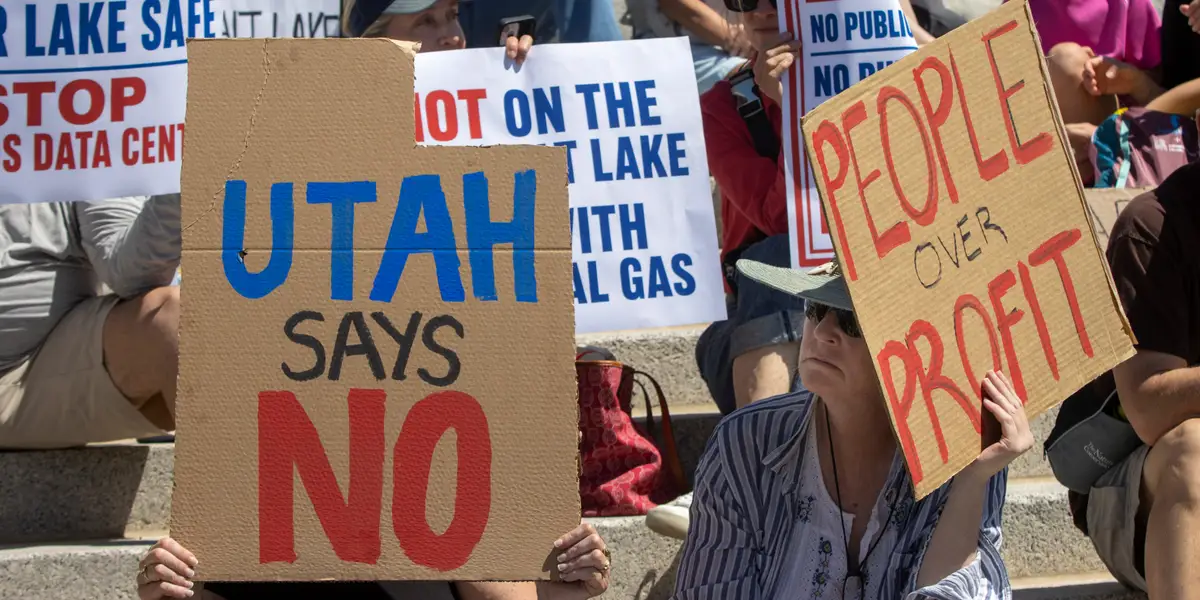
Kevin O’Leary is a media star who is known as Mr. Wonderful on the reality TV show Shark Tank. Recently, he placed his boldest bet yet, on Stratos, a proposed data center in Utah that he said would create thousands of jobs, add millions of dollars in revenue for local governments, supply its own power, and might even add some water to the rapidly shrinking Great Salt Lake.
Despite O’Leary’s sunny predictions, the reality is that Stratos would require 9 gigawatts of power. Is that a lot? Look at this way: the entire state of Utah uses half that much. According to Grist, when complete, Stratos would cover 40,000 acres — an area twice the size of Manhattan — and raise the state’s carbon emissions by 64 percent. “While its water needs remain unknown, the sprawling data center would neighbor the northernmost tip of the shrinking Great Salt Lake, which will likely hit a record low elevation this year following an unprecedented dry winter,” Grist said.
Robert Davies, a physics professor at Utah State University, believes the giant computer center will create a massive heat island capable of devastating the area’s ecology. He estimated the finished project would cover about as many square miles as Washington, D.C., making it the largest data center on the planet, and that it could produce enough heat to spike nighttime temperatures by as much as 28 degrees Fahrenheit [emphasis added] in the high desert valley where it will be located. “What I’ve found is, it’s so much worse than I even thought it would be,” Davies said.