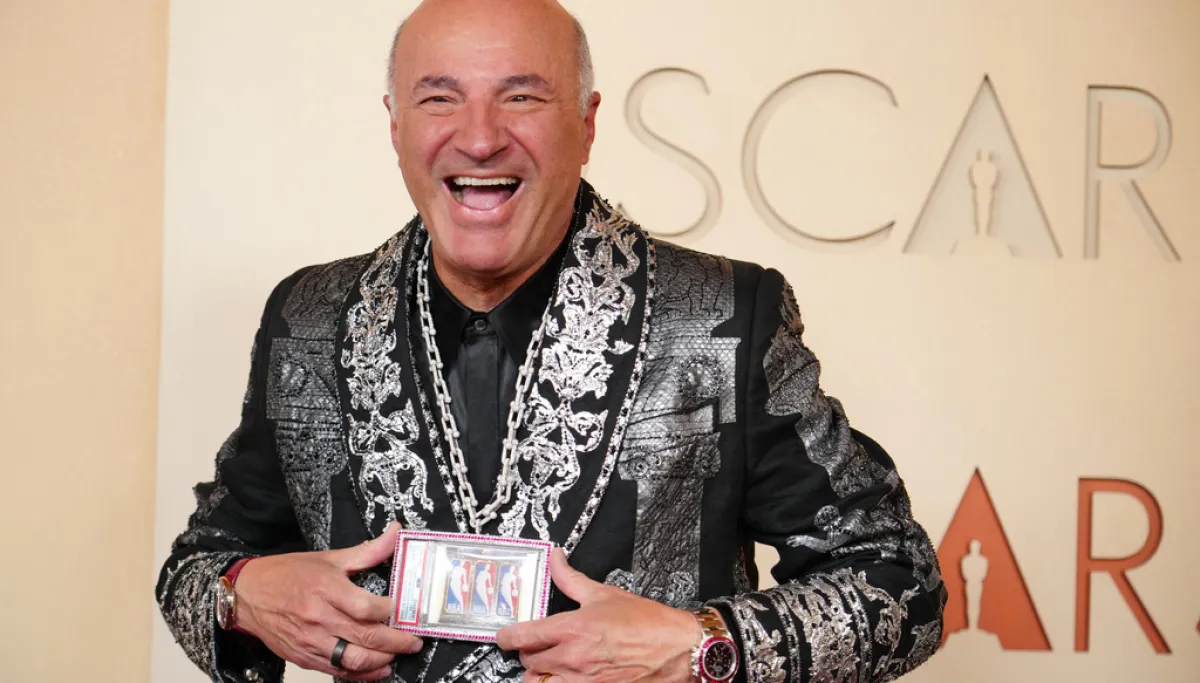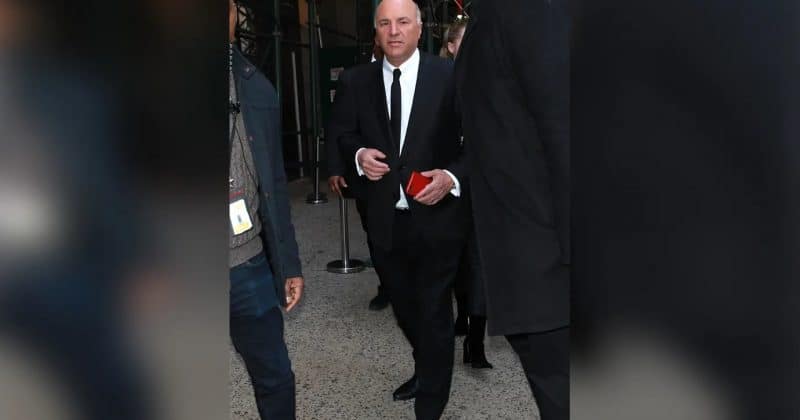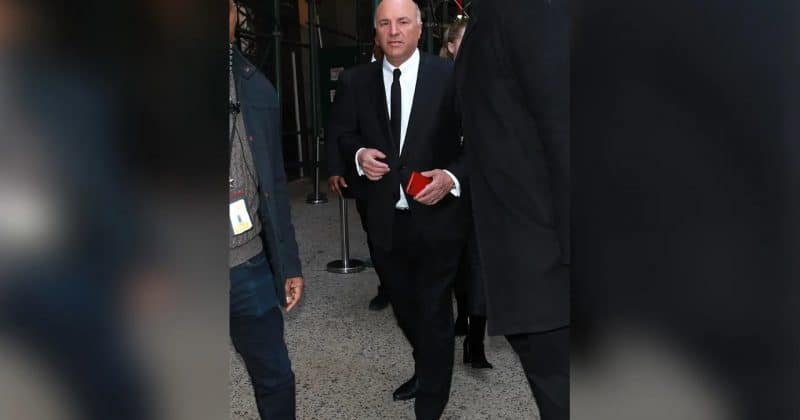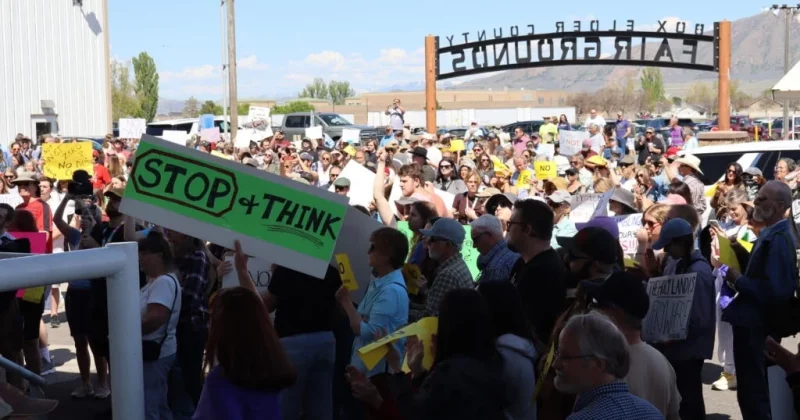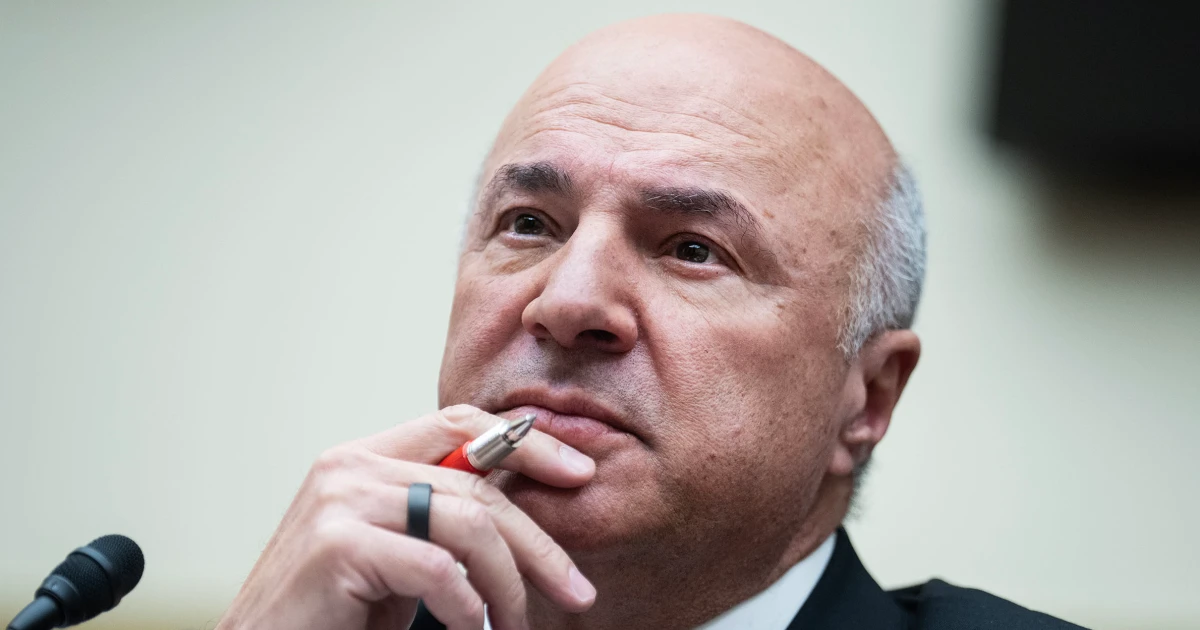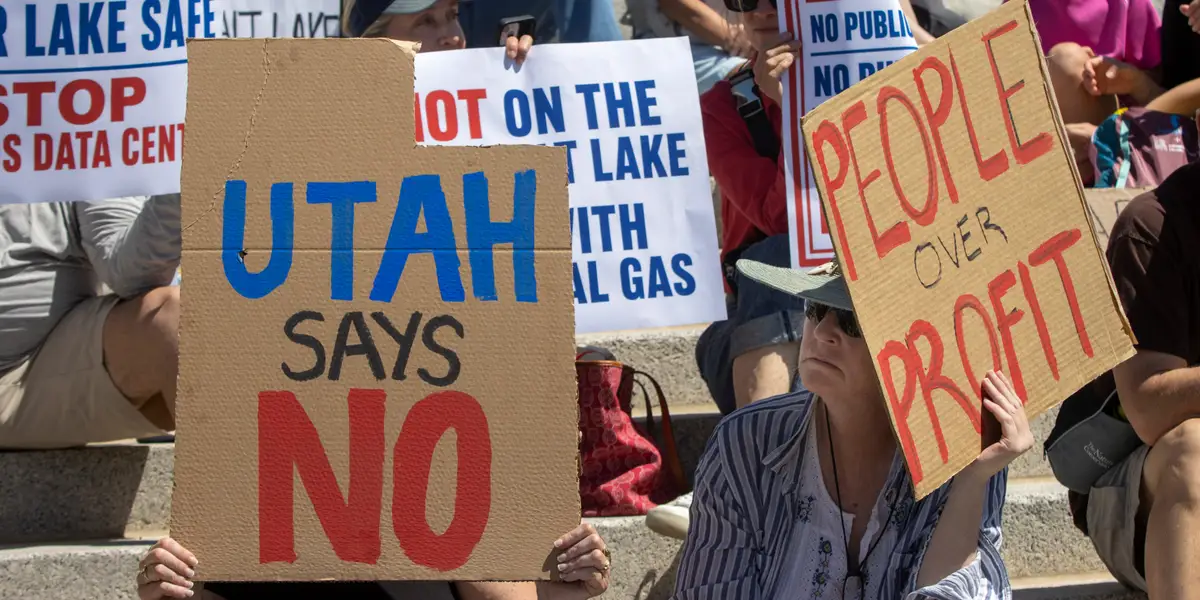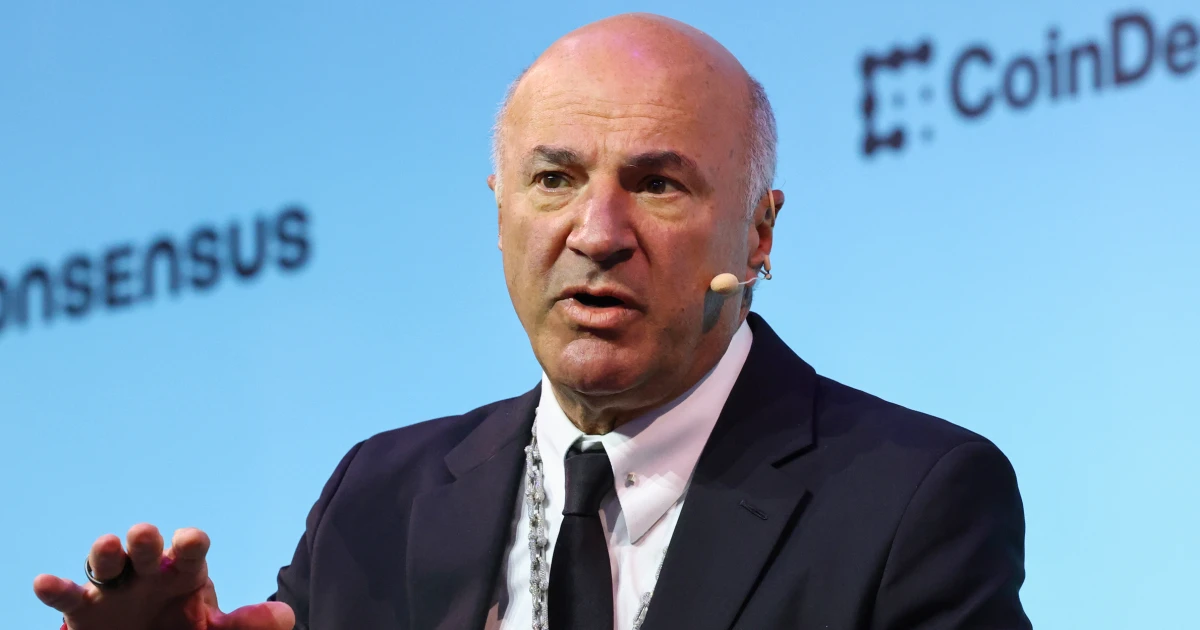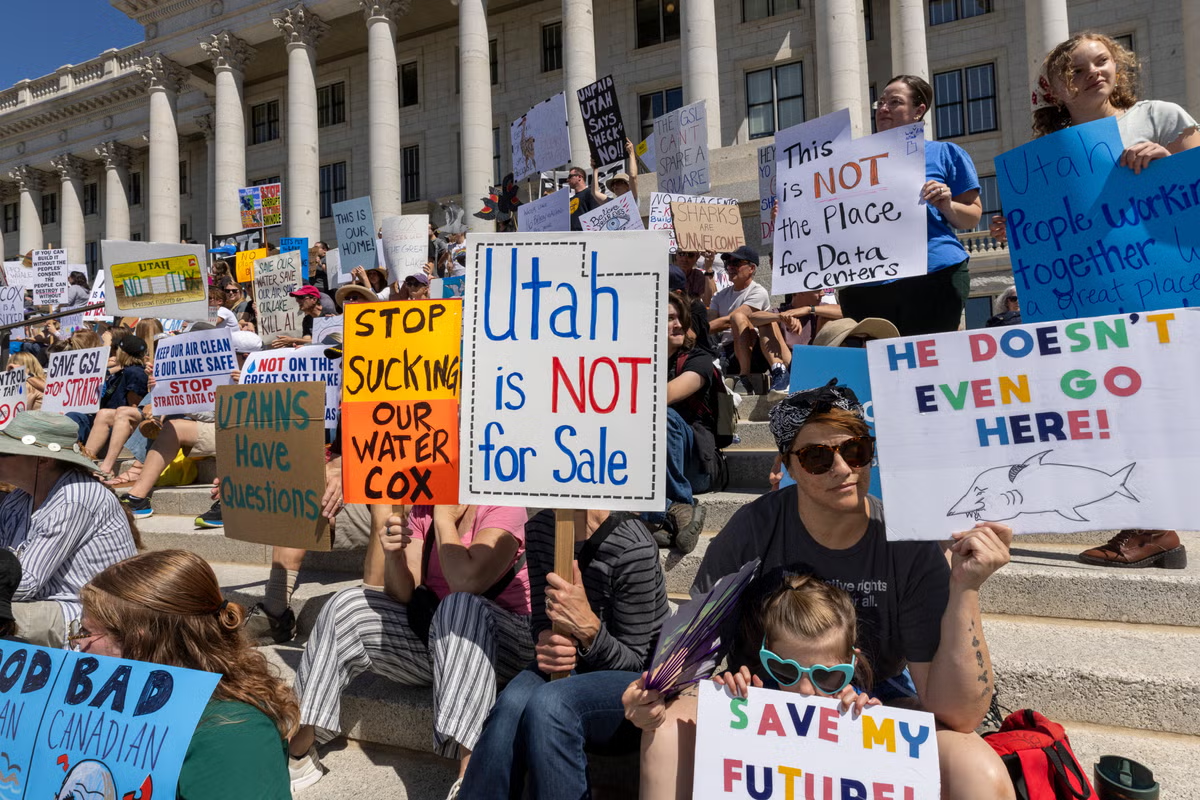
Shark Tank celebrity investor Kevin O'Leary has decided to join the data center gold rush, but Utah Senate President J. Stuart Adams is mucking up his claim.O'Leary's proposed data center — to be built in Box Elder County, Utah — is called the Stratos Project and would service AI development and support U.S. defense operations, according to Business Insider. The initial plan was to house a 10,000 acre data center on 40,000 acres of land. But his plans changed on Thursday when he agreed to shave approximately 20,000 acres off his project, reducing it by 50 percent. His team informed Adams of his offer in a letter on Thursday, according to the Salt Lake Tribune.Even with the 50 percent reduction, the campus will be be larger than Manhattan.The negotiation between Adams and O'Leary began on Monday, when the lawmaker demanded that the celebrity investor reduce the campus for his data center by 75 percent and asked for more robust commitments from his team regarding the project's conservation efforts, environmental impact, heat reduction methods, and public transparency.Venture capitalist Kevin O'Leary is planning to build an enormous 10,000 acre data center on 40,000 acres of land in Utah, but state lawmakers recently asked him to pare down his project by 75 percent (AFP/Getty)Protesters hold signs in front the of the Utah State Capitol building to oppose the construction of the Stratos data center in Box Elder County (Getty)One of O'Leary's spokespeople told Business Insider that the demands blindsided them."We have not engaged any Utah legislators on this. The letter caught us off guard," they said at the time. "What I can tell you is that we are analyzing the letter carefully with our team, and Kevin intends to respond to President Adams personally before the end of the week."That response came on Thursday, the Salt Lake Tribune reported. Though O’Leary’s team is cooperating, its offer is less than the demanded 75 percent asked by Adams. "Cutting back the deal 75 percent is like me selling you a house, and you get to live in the upstairs toilet," he told the Salt Lake Tribune on Monday.Cows graze in the area where the Stratos Project, a proposed data center will be built in Box Elder County on May 15, 2026 near Snowville, Utah. Supported by celebrity investor Kevin O'Leary, the data center proposal has met strong opposition from scientists, environmental groups, and citizens who fear it could have a potentially devastating impact on wildlife and the water level of the Great Salt Lake (Getty)Adams' demands appear to reflect the concerns brought by Utah residents and environmental activists who oppose O'Leary's project.Many new data center projects announced over the past year have been met with resistance from residents and conservation-oriented groups citing the facilities' water use, noise pollution, and staggering power draw. O'Leary's project will require 9 GW of power, which is more power than the entire state of Utah currently uses, The Guardian reports.In addition to its resource guzzling, Utahns are also concerned that the project will further destabilize the already fragile Great Salt Lake ecosystem.“At a time when the Great Salt Lake is already in crisis, approving a project that will consume water and energy at this scale is irresponsible and dangerous,” Franque Bains, director of the Sierra Club’s Utah chapter, told The Guardian. “Utahns want to see the Great Salt Lake restored, not stripped.”O'Leary insisted his data center would not only be a jobs creator for Utah, but the Canadian citizen trotted out some American defense talking points to help sell his project.“I don’t think there’s a bigger site in the world than this,” O’Leary told Fox News. “It shows the Chinese and the rest of the world we are not messing around, we are going to get this done, move it forward and provide the compute power to our AI companies that defend the country.”He's also addressed critics' concerns that the building would become an eyesore in what is otherwise a wild landscape. O'Leary disagrees with the assumption and thinks his data center could become a sight to behold.“I don’t believe in gray boxes,” O’Leary told Fast Company. “There’s no reason a data center has to be ugly. I don’t know where that law was written. I think they can be beautiful.”Demonstrators take part in a protest at the Utah State Capitol to oppose the construction of the Stratos data center in Box Elder County on May 23, 2026 in Salt Lake City, Utah (Getty)It's unclear how O'Leary's fight with Utah will play out, but he's made clear he doesn't intend to drop his project. In the meantime, he suggested that paid actors were making up some of the protesters, and said he would provide evidence to the Trump administration. "After seeing coordinated false attacks against the Utah data center project, we brought in an advanced data science team to trace where the content was coming from and the results were shocking. What we found led back to organized networks, political activist groups, and funding trails tied to massive international entities," O'Leary wrote on X on May 25. "We dug through IRS 990 filings, tracked IP data from around the world, and uncovered what appears to be a coordinated campaign targeting energy and data center projects across multiple regions."He said his team prepared 90 pages of evidence to provide the Trump administration on the issue."There’s a coordinated PR war happening around energy infrastructure and data centers, and we’re not going to ignore it," he wrote.
Kevin O’Leary’s massive data center cut down by half after battle with Utah lawmakers
The data center’s campus was originally going to be twice the size of Manhattan. Now it will only be slightly larger than the island
914 words~4 min read