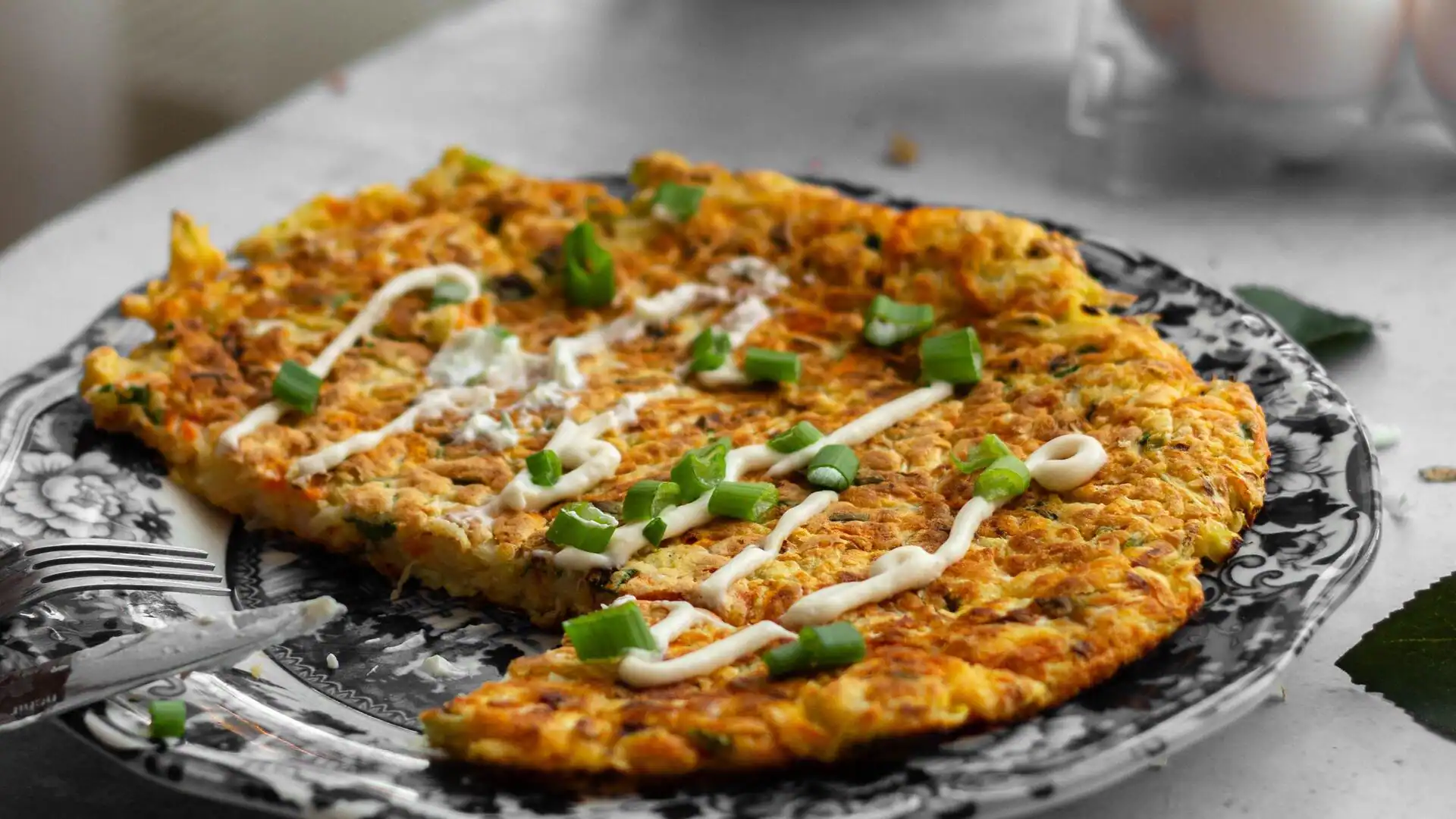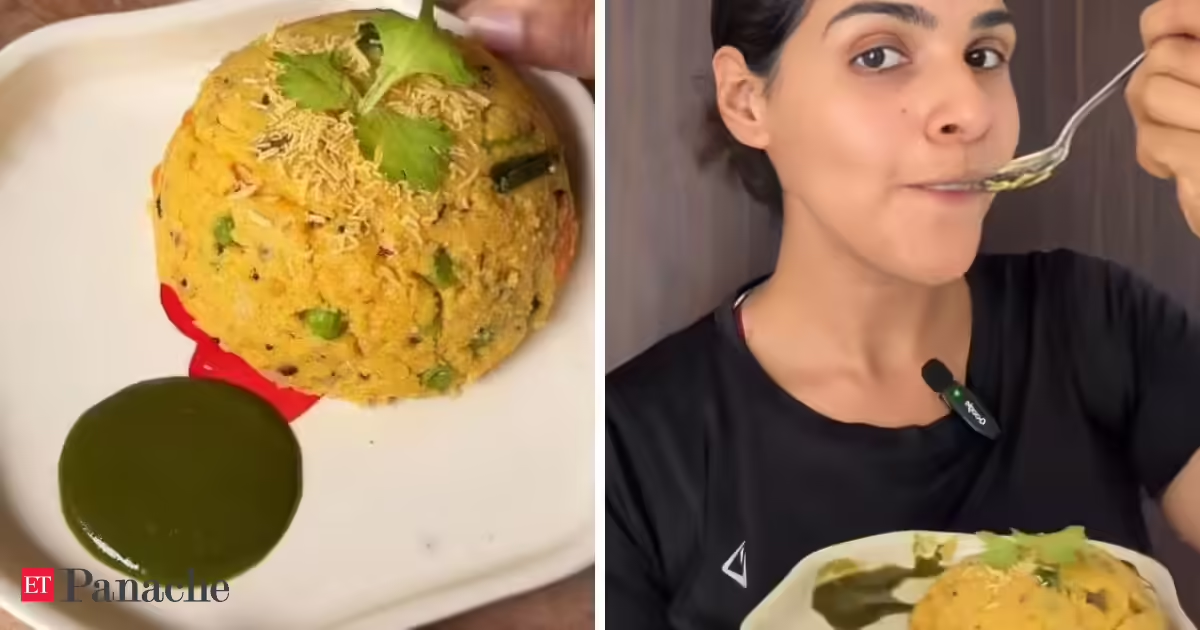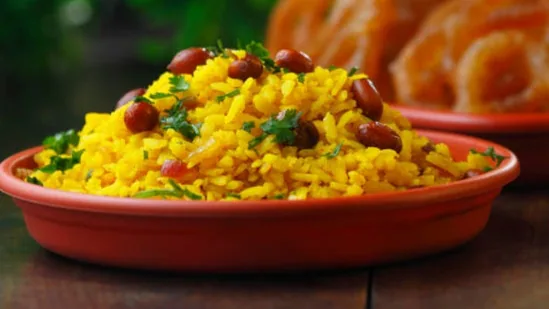
Bollywood actor and Padma Shri awardee R. Madhavan has once again made headlines for his simple and disciplined food choices. According to a report in the Times of India, the actor prefers a traditional South Indian breakfast that is naturally high in protein, easy to digest, and rooted in age-old home cooking traditions.What makes Madhavan's breakfast stand out is its simplicity. The high-protein South Indian pongal is not based on trends or fad diets, but on a traditional way of eating that has supported balanced nutrition for generations.ALSO READ: GTA 6 Gameplay TrailerA simple South Indian breakfast with powerful nutritionAt the core of Madhavan’s favourite breakfast is a classic South Indian fermented dish made from rice and lentils. This combination is widely used across Indian households and is valued for its natural protein content and gut-friendly benefits. In one of his interviews with Curly Tales, the Dhurandhar actor revealed his love for South Indian Pongal, a high-protein dish over Upma.ALSO READ: iPhone 18 Pro Max Price in US The dish becomes even more nutritious because of the fermentation process, which enhances digestion and improves nutrient absorption. It is usually paired with chutney and sambar, making it a complete and balanced meal.Why this breakfast is considered healthy and high-proteinThis South Indian pongal is often recommended by nutrition experts because it offers steady energy without heaviness. The combination of ingredients makes it particularly suitable for people with active lifestyles like actors and athletes.Key benefits include:Natural plant-based protein from rice and lentilsImproved digestion due to fermentationLong-lasting energy release throughout the morningLight on the stomach yet filling enough to avoid mid-meal cravingsFor someone like R. Madhavan, who manages a busy shooting schedule along with fitness routines, such meals offer both convenience and nutrition.What is Pongal dish?It is a protein-rich breakfast dish that combines rice and moong dal (split yellow lentils). According to USDA data, 100 grams of raw moong dal provides approximately 24 grams of protein along with a good amount of dietary fiber and essential nutrients. When combined with cereals, pulses help improve the overall amino acid profile of a meal, making it more balanced and nutritionally complete. To further increase the protein value, ingredients like paneer or nuts can be added, or Pongal can be paired with protein-rich sides such as sambar and chutney made from roasted gram.How the dish is prepared at homeThe preparation follows a simple, traditional process that has been passed down through generations. Key ingredients:RiceLentils (urad dal or similar pulses)SaltWater for fermentationBasic preparation method:Soak rice and lentils separately for several hoursGrind into a smooth batterAllow natural fermentation overnightCook as soft pancakes or steamed forms depending on variationServe with protein-rich accompaniments like chutney or sambarThe fermentation process plays a key role in enhancing both taste and nutrition.Why traditional Indian breakfasts are trending againIn recent years, there has been a noticeable shift back toward traditional Indian foods, especially among celebrities and fitness-conscious individuals. These meals are simple, minimally processed, and naturally balanced, making them ideal for modern lifestyles.Nutrition experts often highlight that traditional South Indian breakfasts are:Low in processed ingredientsRich in plant-based proteinEasy on the stomachSuitable for long shooting schedules and workoutsFor actors like R. Madhavan, who balance intense filming routines and fitness, such meals offer consistent energy without heaviness.
Padma Shri awardee R Madhavan’s favourite high-protein South Indian breakfast dish: Detailed recipe, nutrition benefits and why he starts his day with it
Padma Shri recipient R. Madhavan champions a traditional South Indian breakfast, highlighting its protein-rich pongal as a cornerstone of his disciplined diet. This fermented rice and lentil dish, naturally high in protein and easy to digest, offers sustained energy without heaviness. Its simplicity and age-old nutritional benefits are making traditional Indian meals a trending choice for health-conscious individuals and busy professionals alike.
540 words~2 min read