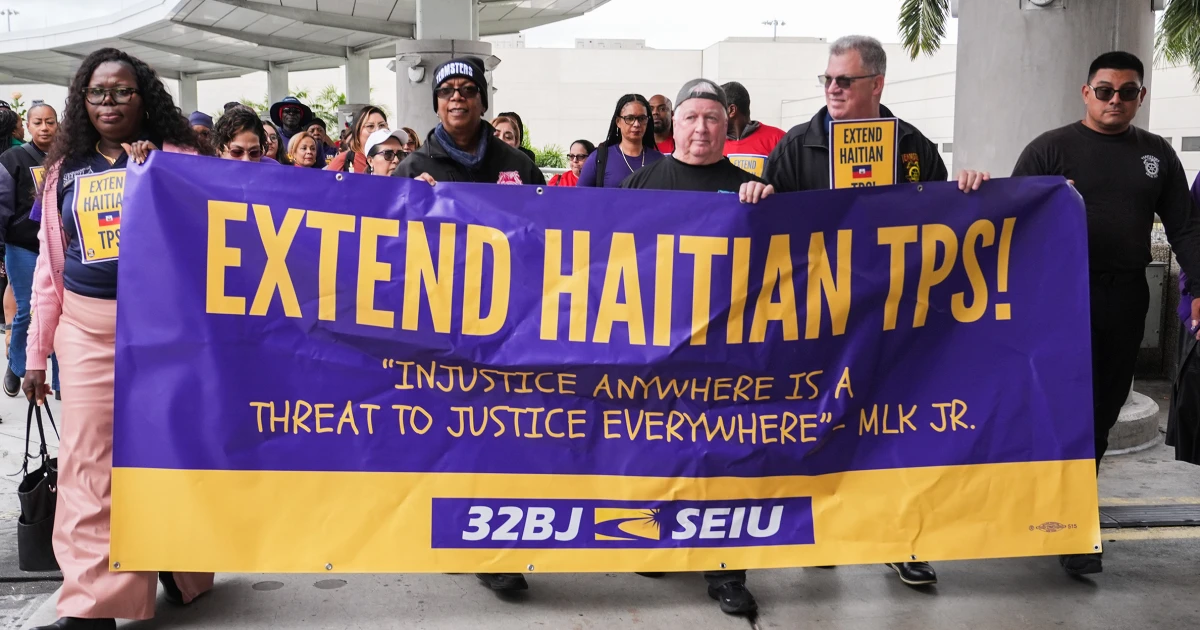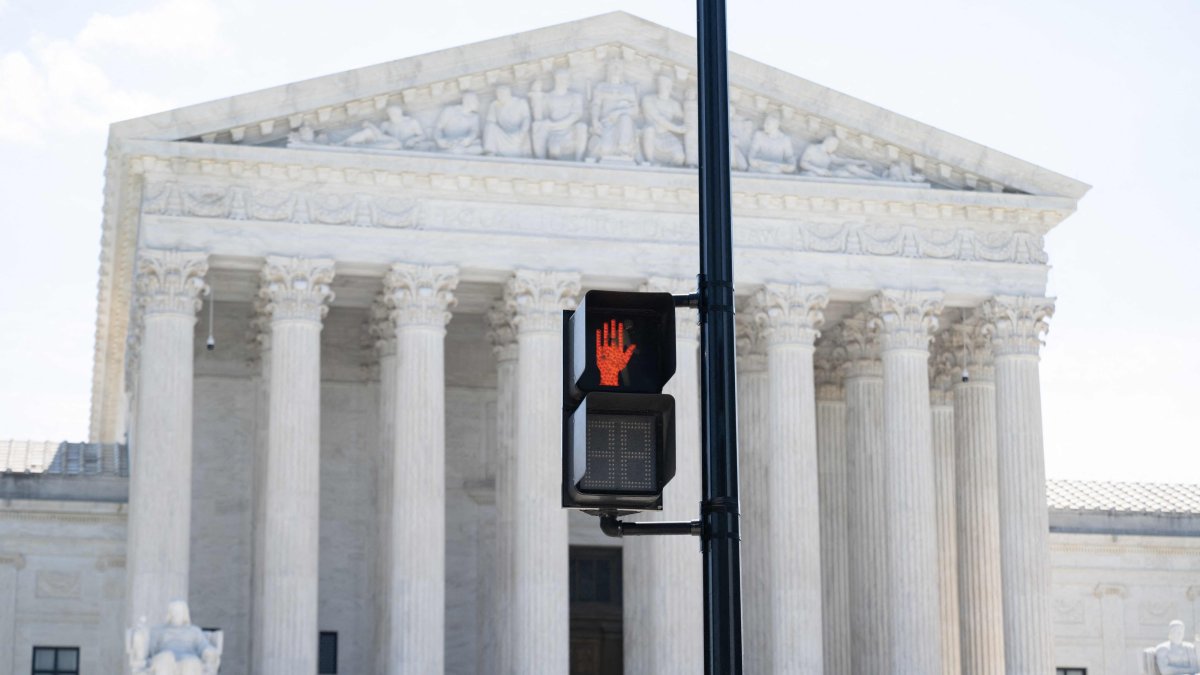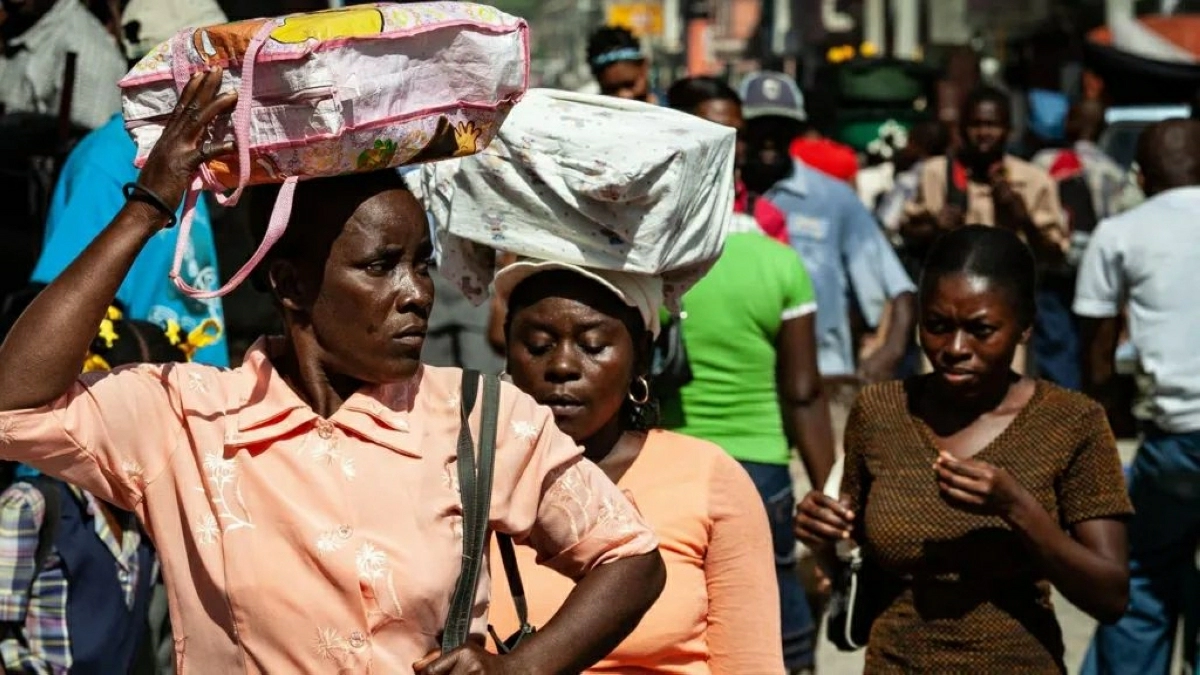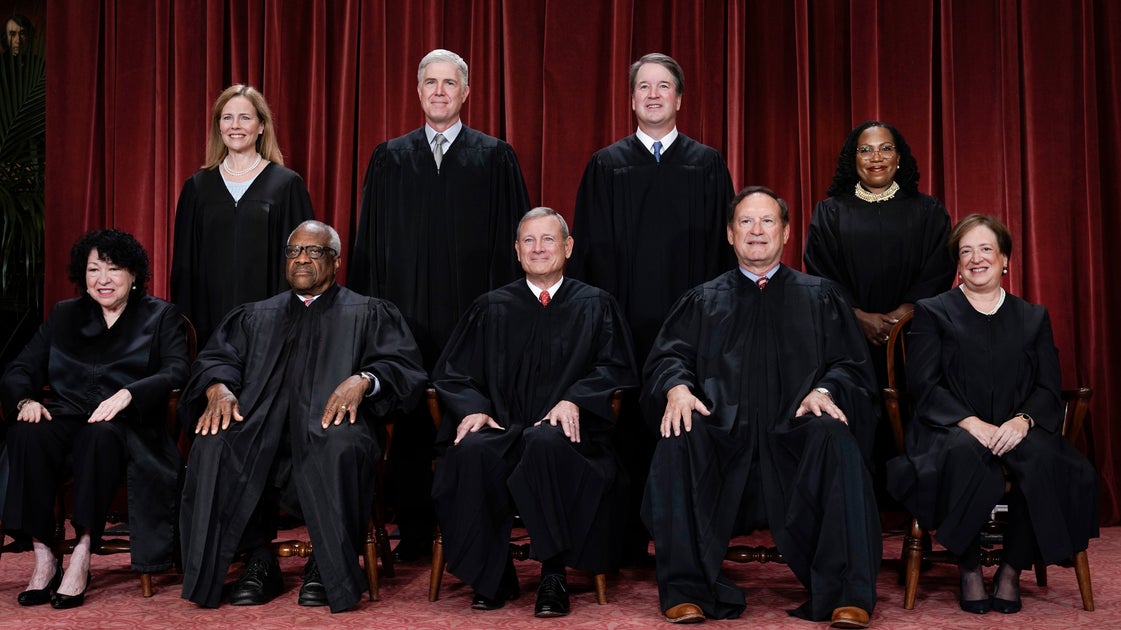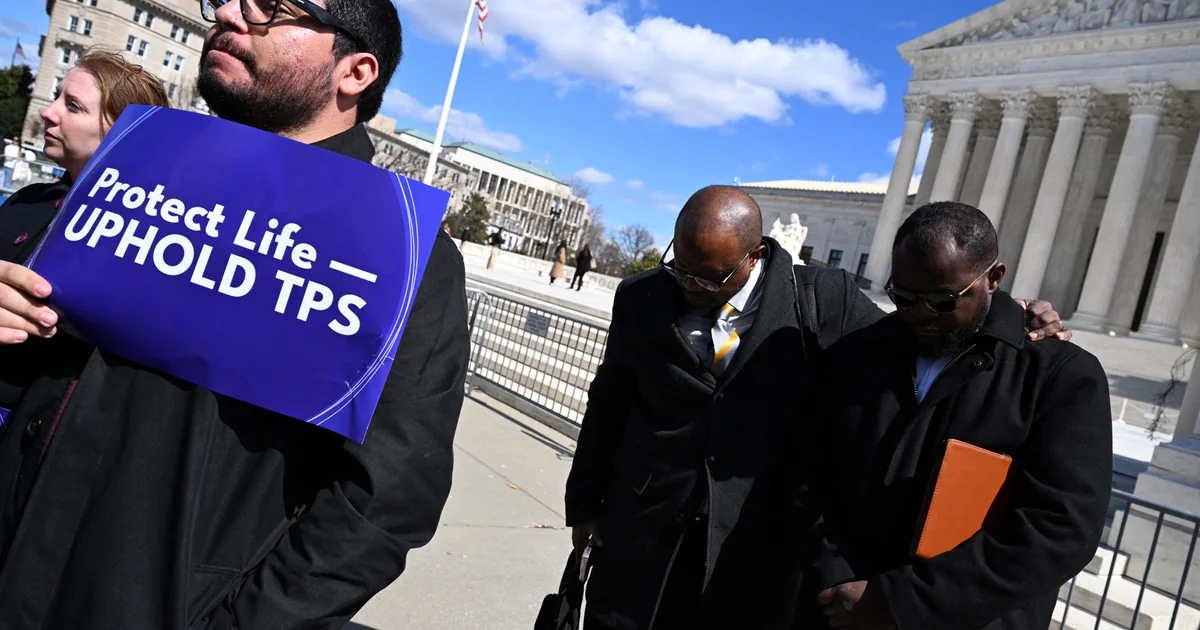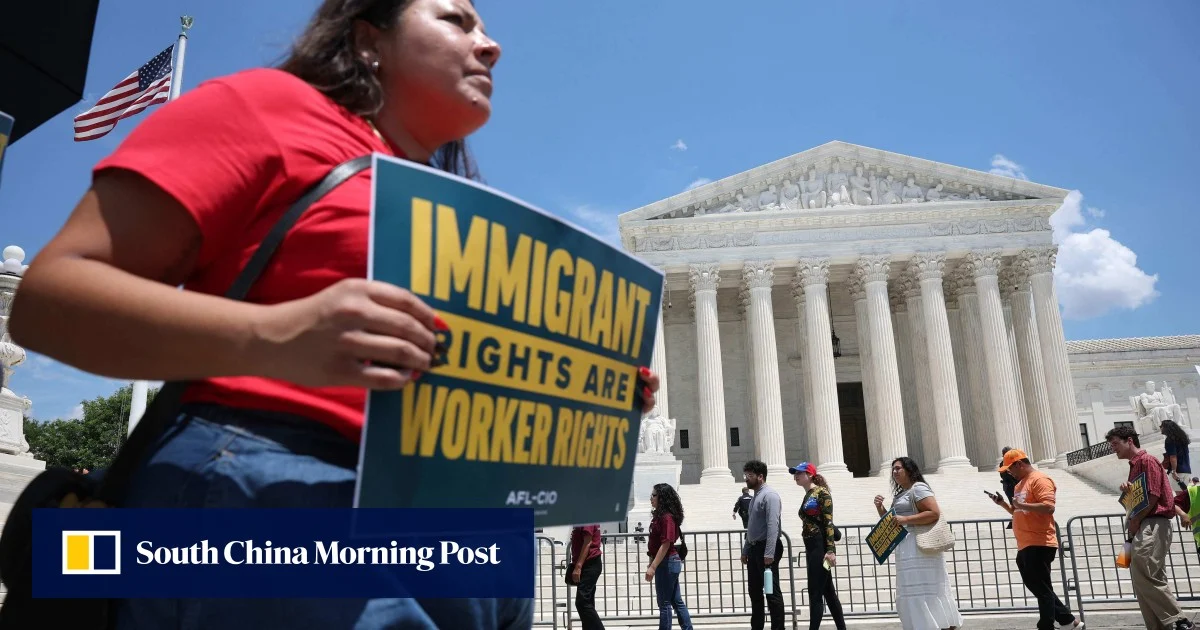
The Trump administration’s massive deportation agenda sailed ahead on Thursday when the Supreme Court ruled to allow the Trump administration to strip nearly 400,000 people lawfully living in the United States of temporary protected status.The combination cases, Mullin v. Dahlia Doe and Trump v. Fritz Emmanuel Lesly Miot, were before the justices in April for arguments and specifically focused on whether former Department of Homeland Security Secretary Kristi Noem followed the law when terminating temporary protected status for Syria and Haiti. Noem went on a tear of terminations starting last year and attempted to end protections for 13 of 17 countries who had received the designation. Temporary protected status, or TPS, was developed by Congress in 1990 and seeks to provide relief to people who can not stay in their home country due to armed conflict, natural disaster or other extraordinary and temporary conditions. Under the law, the homeland security secretary is responsible for assessing whether a country can be removed from the TPS list, but that decision must be made in consultation with other government agencies. Doe and Miot argued Noem failed to follow this basic protocol when terminating status for Haiti and Syria and instead dropped them from the list solely because of a long-running racial animus toward nonwhite immigrants espoused by President Donald Trump.In the 6-3 decision, written by Justice Samuel Alito, the majority declared that Noem’s decision was not subject to review by the courts, and that Doe and Miot could not prove racial bias and were not entitled to interim protections.“The Court assumes for the sake of argument that heightened scrutiny applies and that it must determine whether a ‘discriminatory purpose [was] a motivating factor in the decision’ to terminate Haiti’s TPS designation. ... Because application of that standard calls for consideration of the context in which a challenged statement was made ... the immigration context is an important factor. None of the cited statements by either the President or the Secretary was overtly racial, and in substance all expressed policy views that could rest on race-neutral justifications,” Alito wrote.“While the Supreme Court failed to uphold the separation of powers at the center of our Constitution, it is not too late for Congress to act. If it doesn’t, everyone will suffer the consequences.”- Lupe Aguirre of the International Refugee Assistance ProjectThere are 1.3 million TPS holders living in the United States. At least 363,000 Haitian TPS-holders and 7,000 Syrian TPS-holders live in the U.S. Last October, the high court agreed to terminate status for Venezuela, a move that wrested protections away from at least 300,000 Venezuelans lawfully living in the U.S. Trump has regularly denigrated immigrants and, from the campaign trail in 2023, said that they were “poisoning the blood of our country.” He regularly cast racist aspersions at Haitians while campaigning in 2024, falsely claiming Haitians were eating people’s pets. In December, Noem referred to immigrants entering the U.S. as “killers, leeches and entitlement junkies.”After the ruling was issued Thursday, Lupe Aguirre, deputy director of U.S. litigation at the International Refugee Assistance Project, told HuffPost the decision gave the Trump administration “carte blanche to blanche to ignore Congress, undermine the rule of law, and detain and deport our neighbors.”“The imminent loss of TPS is a recipe for chaos, cruelty, and yet another blow to our democracy. In what could be the largest de-documentation effort in history, hundreds of thousands of healthcare workers, students, and other valued community members will be robbed of their TPS status and their ability to live and work legally in the United States,” Aguirre said. “While the Supreme Court failed to uphold the separation of powers at the center of our Constitution, it is not too late for Congress to act. If it doesn’t, everyone will suffer the consequences.”This is a developing story. Please check back for updates.
Supreme Court Will Allow Trump Admin To Strip Nearly 400,000 Of Temporary Protected Status
There are at least 1 million people in the U.S. who have awaited this ruling with bated breath.
638 words~3 min read