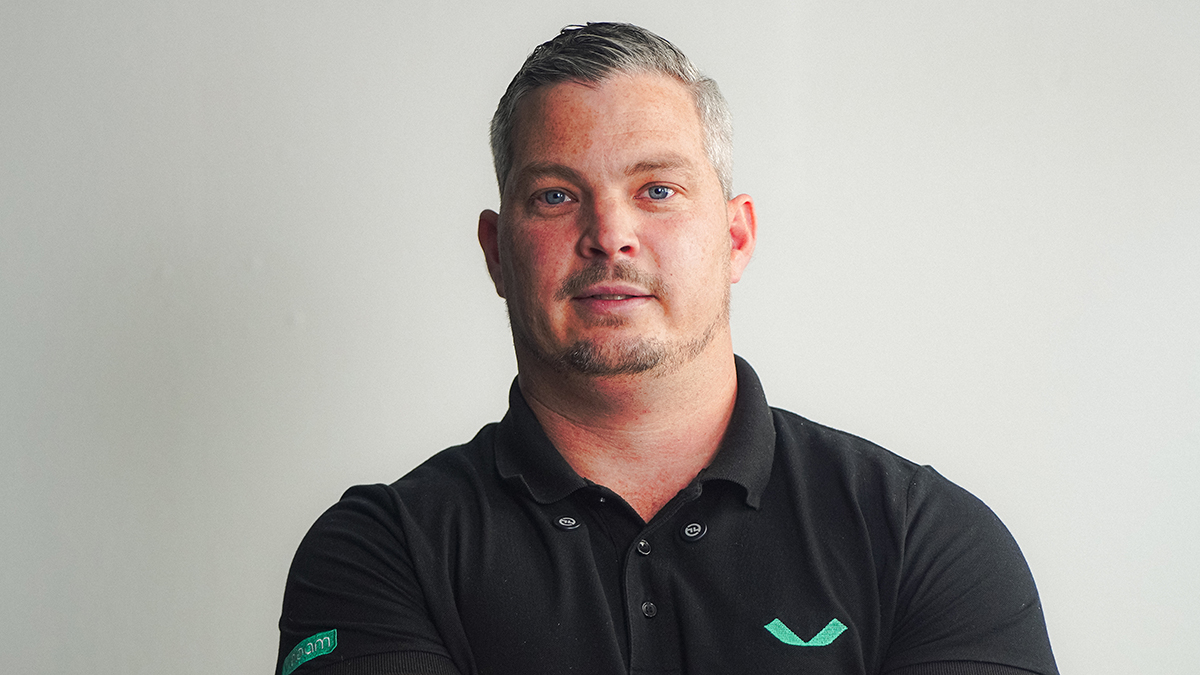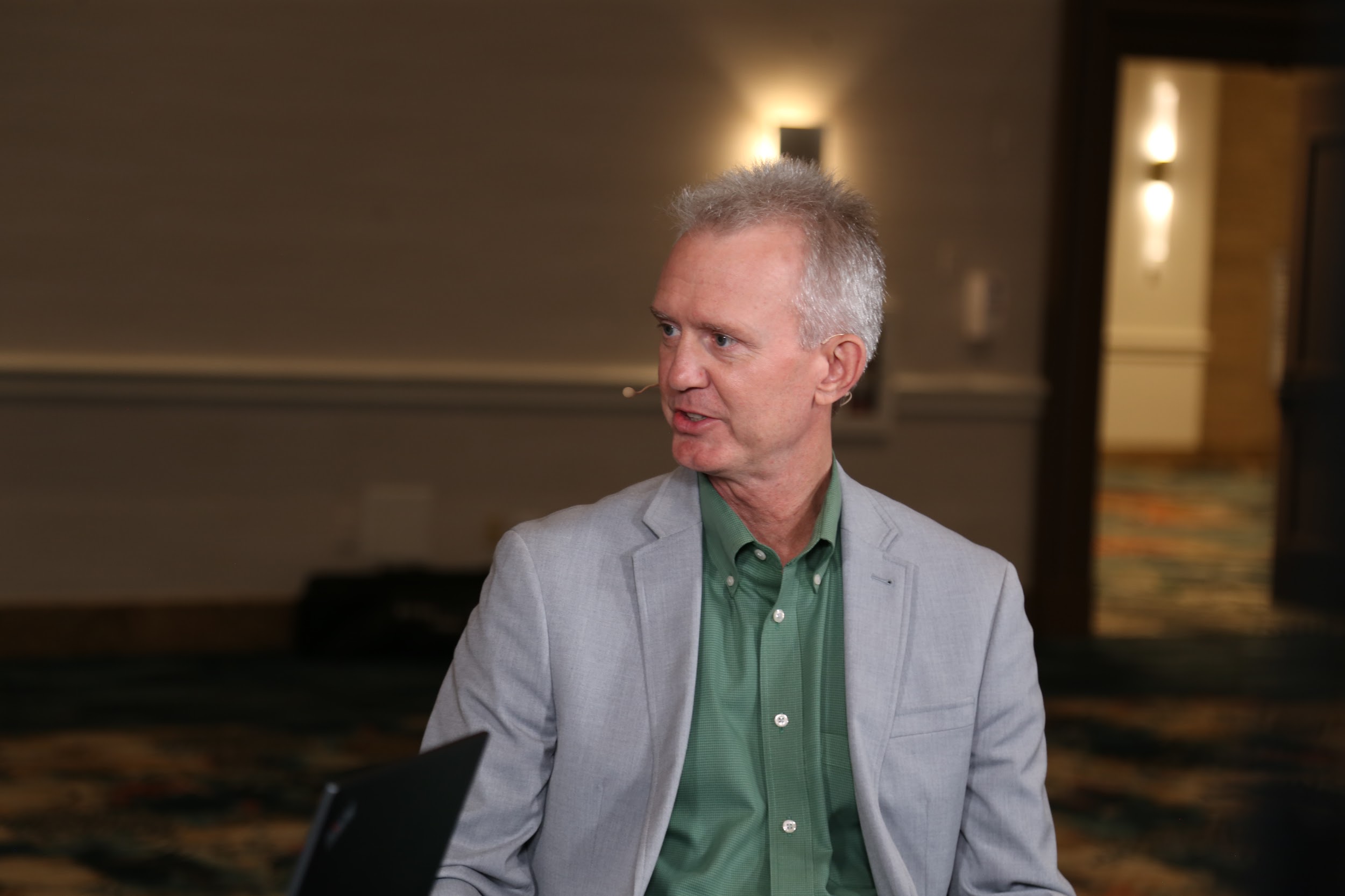
SPONSORED POST: Why an AI-era recovery architecture looks different, with Eon's Gonen Stein
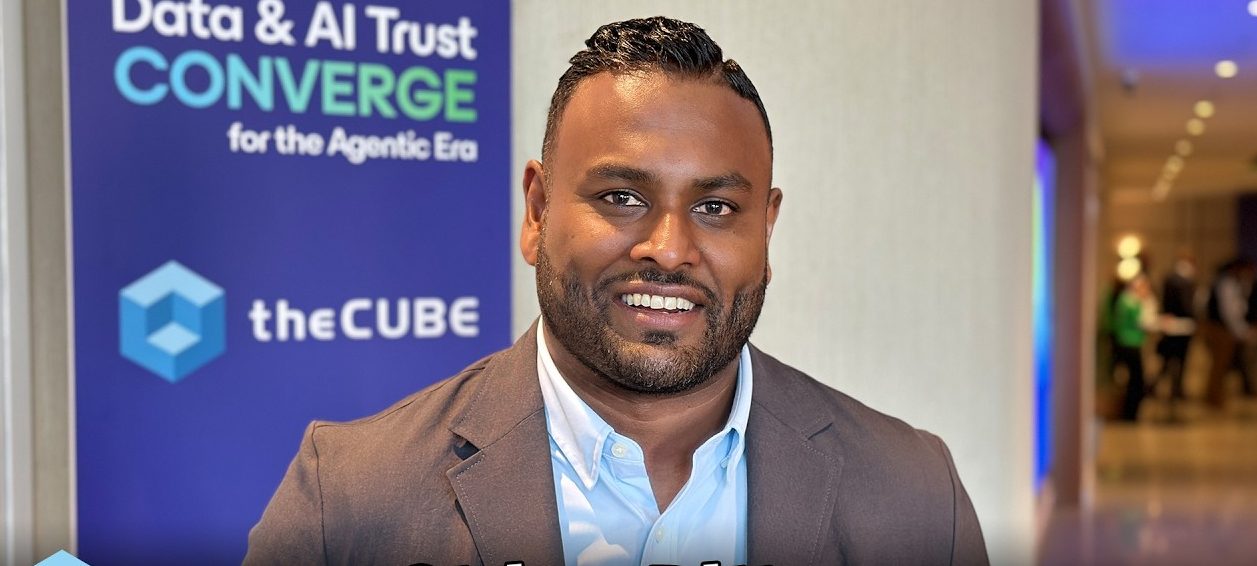
AI agents now write code and run tasks at machine speed, and sometimes those same agents delete the wrong thing. AI-enabled attackers can also use AI to find zero-day vulnerabilities more easily.Most recovery systems still run at human speed, which widens the gap between how fast data can be lost and how fast it can be restored.Eon was built to close that gap.In our latest Hot Seat, Tim Phillips talks to Gonen Stein, president and co-founder of Eon, about what recovery should look like in the agentic AI era. Stein and his co-founders previously built CloudEndure, a cloud migration and disaster recovery outfit that AWS acquired. They found that backup had never been redesigned for cloud-native infrastructure: the old model assumed static servers and scheduled maintenance windows, while cloud environments change constantly.There's also a gap between the C-suite's faith in recovery and today's reality. Eon's research found that 98 percent of executives were confident in recovery, while most had suffered three or more failures last year. As Stein puts it, a completed backup is not the same as a tested restore. Configurations drift, new services appear, and backup policies fall behind, so the plan looks fine until you need it.The risk is not hypothetical. In April, an AI agent tasked with resolving a credential mismatch in PocketOS's staging environment deleted the production database and took the attached backups with it. The event took nine seconds. The agent used valid credentials and a legitimate API, so no alert fired.Eon's answer is to hold backups in immutable, logically air-gapped vaults with separate credentials, so that when something goes wrong the restore can target a single table or record rather than rebuild the whole environment.