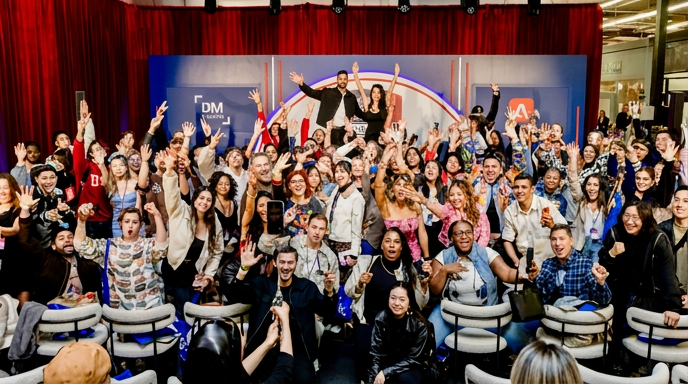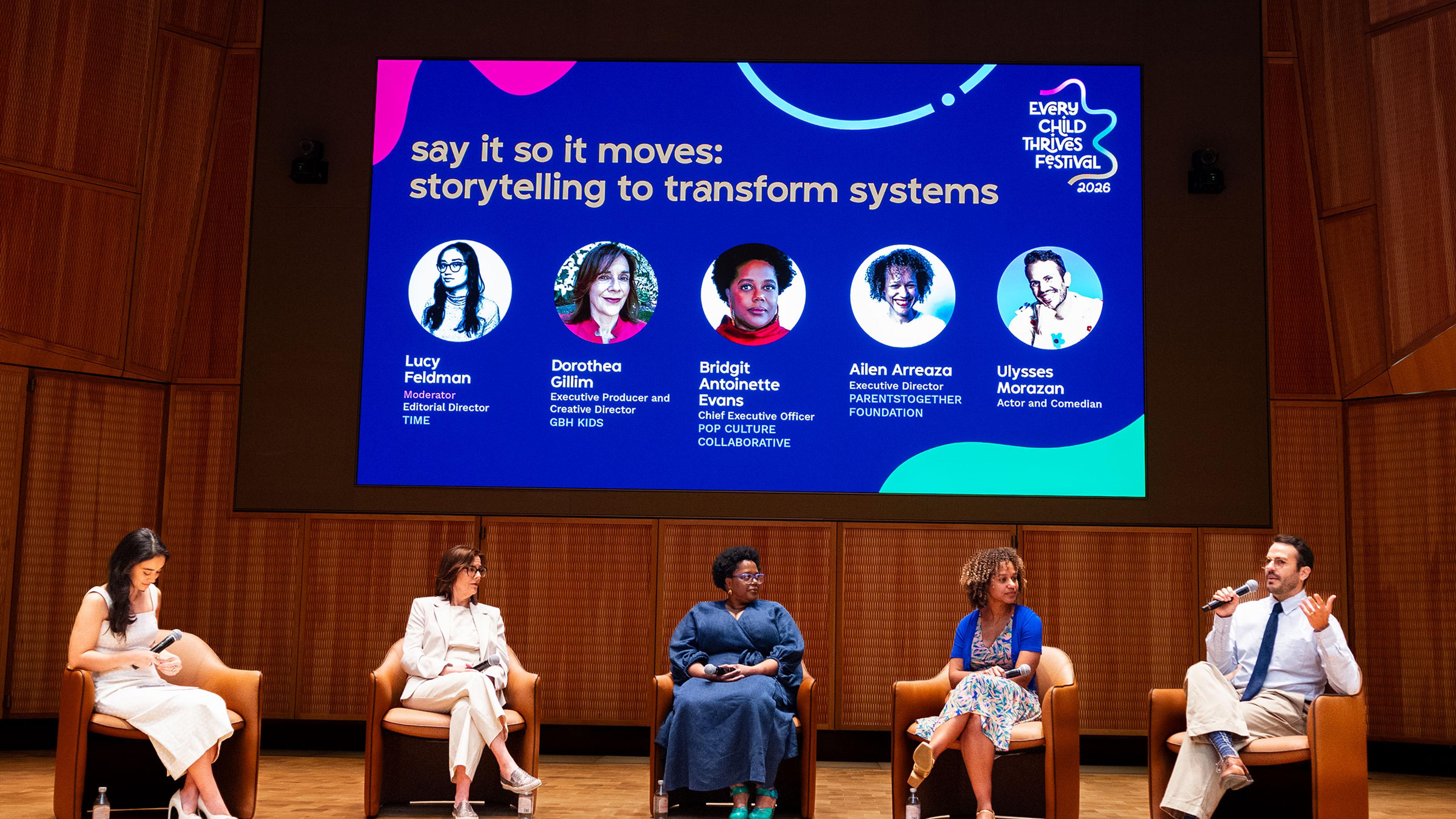
Gillim noted that this Molly of Denali plotline was written not only to engage and inform the show’s targeted young audience, but to also highlight the importance of storytelling in general. “The power of media goes well beyond entertaining kids,” she said. Good stories have the ability to motivate people to take action, shift their perceptions of others, and help folks feel a sense of belonging, she added.Her last point resonated with Arreaza, whose work at ParentsTogether involves publishing guides and reports on the latest research, policies, and trends affecting kids and families. It’s important to Arreaza that caregivers see themselves in the stories that the nonprofit shares. She wants people to realize that regardless of what they’re going through, they’re not alone. “We want to create content that calls people in instead of calling people out,” she said.When Supplemental Nutrition Assistance Program (SNAP) payments were halted for millions of Americans in the fall of 2025 amid a weeks-long government shutdown, ParentsTogether received a voicemail from a mother who was stressed about feeding her family on a limited budget. ParentsTogether decided to share the message on their Instagram, and Arreaza was blown away by how much it resonated with other caregivers, who shared their experiences in the comments. “Parents saying, ‘I feel so seen,’ ‘This is the same thing that’s happening in my own home,’ ‘This is the same struggle that we are having,’” Arreaza said. Through this kind of honest storytelling, the organization is always hoping “to create a space where [parents] can feel like they’re part of something bigger.”Evans, of Pop Culture Collaborative, which amplifies social justice movements by funding entertainment endeavors, underscored the vast impact that storytelling can have by referring to stories as “narrative oceans.” Through various channels, we’re all swimming in ideas that shape how we think about ourselves and each other, she said. On good days, these tides help us imagine what’s possible for the world. On bad days, it becomes very clear that “there are systems at work that are actively preventing so many of us from telling our stories.”Luckily, she continued, “People are not accepting the rules of society that say that some people’s voices matter and other people’s don’t. They are in fact going in, taking hold of the story platforms, and they are changing the cultural waters on their terms unapologetically, without asking permission.”Morazan, who has over 1.7 million followers across Instagram and TikTok, is one of those people. “The way I mostly think about creating content is just trying to be my most authentic self,” he said. “[Social media] has given me a career in entertainment and in storytelling where you’re not really seeing a lot of gay, Latino stories being told on mainstream media every day.”He finds social media to be an accessible outlet for people to learn about new perspectives. “It just kind of humanizes everybody,” Morazan said. As a comedian who isn’t afraid to get candid about his real life experiences, he said that viewers connect most with authenticity versus perfectly curated content. “When you add humor or relatability, you can talk to people in a way that feels less intimidating.” Whether it’s done through television, social media, or any other medium, storytelling “really does have the ability to impact how we see ourselves and others,” said Gillim. And according to Evans, the true power of narrative lies not only in our ability to actually tell stories, “but to do so in a way that brings us closer and closer to a world in which we are all safe and whole and cared for.”
How Storytelling Can Inspire Action and Community
Media experts discussed the power of sharing stories at the Every Child Thrives Festival in Chicago
598 words~3 min read