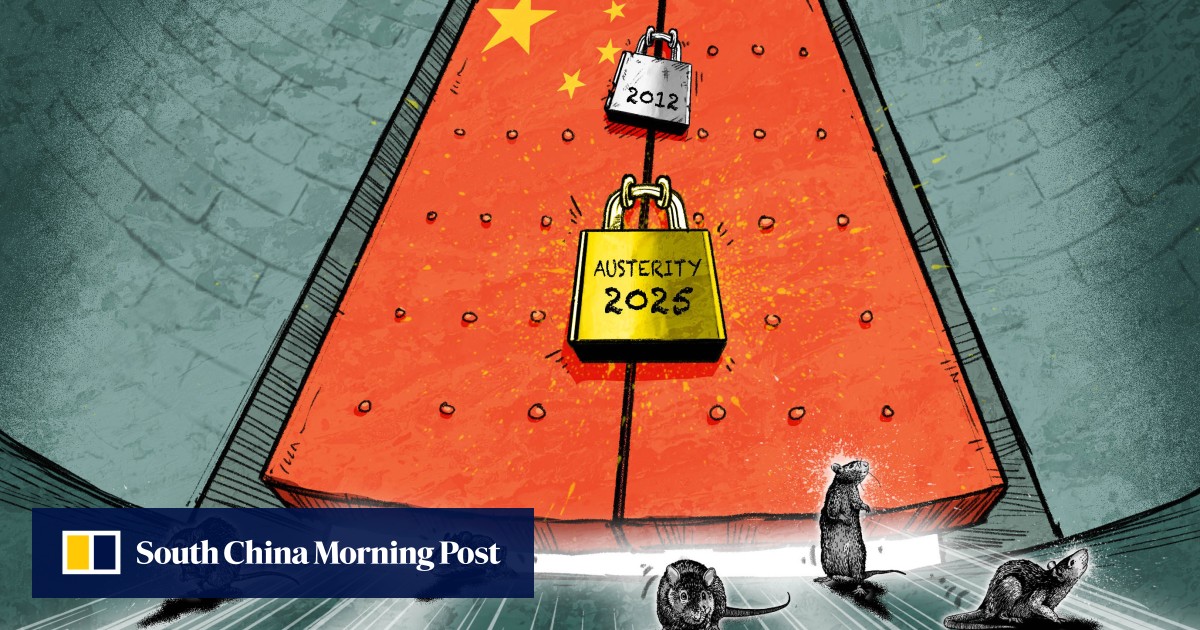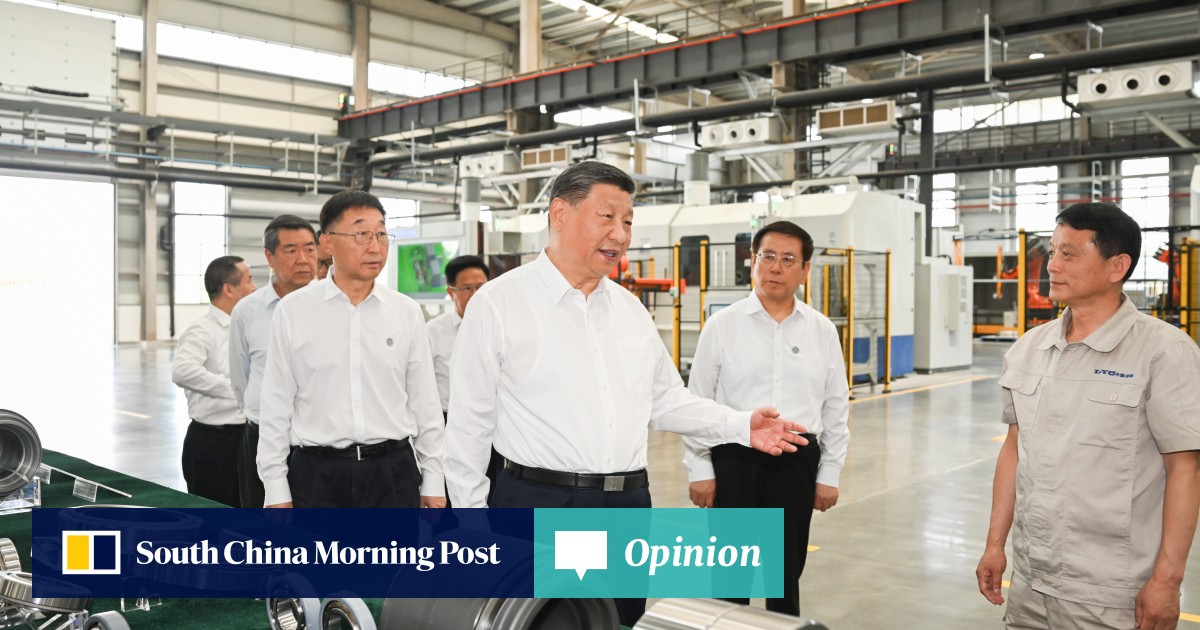
The Chinese Communist Party’s (CCP) recent campaign to strengthen a “correct view of performance” (政绩观) represents a structural recalibration of China’s governance framework beyond mere ideological exercises. Launched in February and expected to continue till July, the initiative acknowledges that the metrics that underpinned political legitimacy over the past four decades – particularly rapid GDP growth and infrastructural expansion – are no longer sufficient to sustain political legitimacy amid an economic slowdown, fiscal constraints, and rising societal expectations. In response, the CCP is attempting to redefine what counts as bureaucratic success, shifting from a narrow, quantitative conception to a model that combines political loyalty, social welfare, and long-term policy execution.
Chinese leadership has repeatedly stressed in the past few years that genuine achievements must benefit the people and withstand the scrutiny of practice, public opinion, and history. This reframing seeks to correct persistent distortions within local governance, where incentives have long encouraged shortsighted governance style, excessive risk-taking, and the pursuit of “image projects” designed to produce immediate and visible results. Practices ranging from data manipulation to wasteful prestige infrastructure are now explicitly framed as manifestations of a distorted performance view that undermines policy effectiveness and public trust.