TL;DRA Michigan township of 3,000 people is being sued for hundreds of millions of dollars after it killed a $2.36 billion Chinese battery plant. The Gotion case has become a test of whether America can build its way to supply-chain independence when communities keep rejecting the factories.
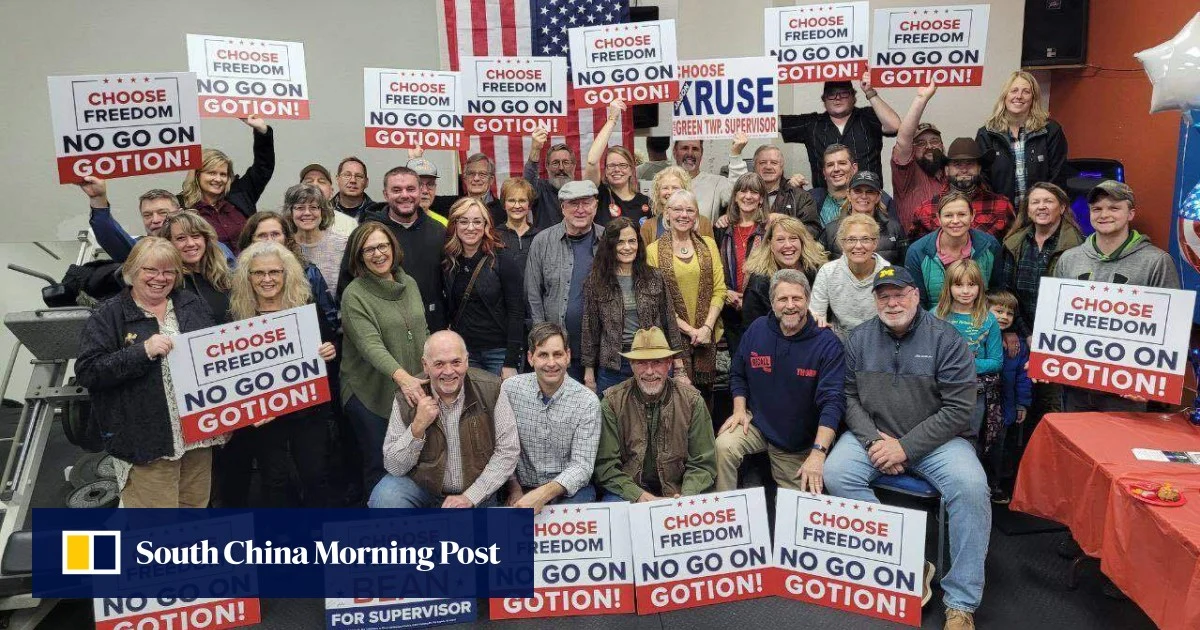
Less than three years ago, residents of Green Charter Township, a rural community of roughly 3,000 people in central Michigan, packed a hall to celebrate what they saw as a victory for local democracy. They had recalled every member of their town board and installed replacements who promptly killed a $2.36 billion electric vehicle battery plant proposed by Gotion, a US subsidiary of the Chinese manufacturer Gotion High-Tech.
The victory may cost them their town. Gotion is now suing Green Charter for hundreds of millions of dollars in damages, and the township has already run a budget deficit of nearly $400,000 from legal fees alone.
What the township rejected
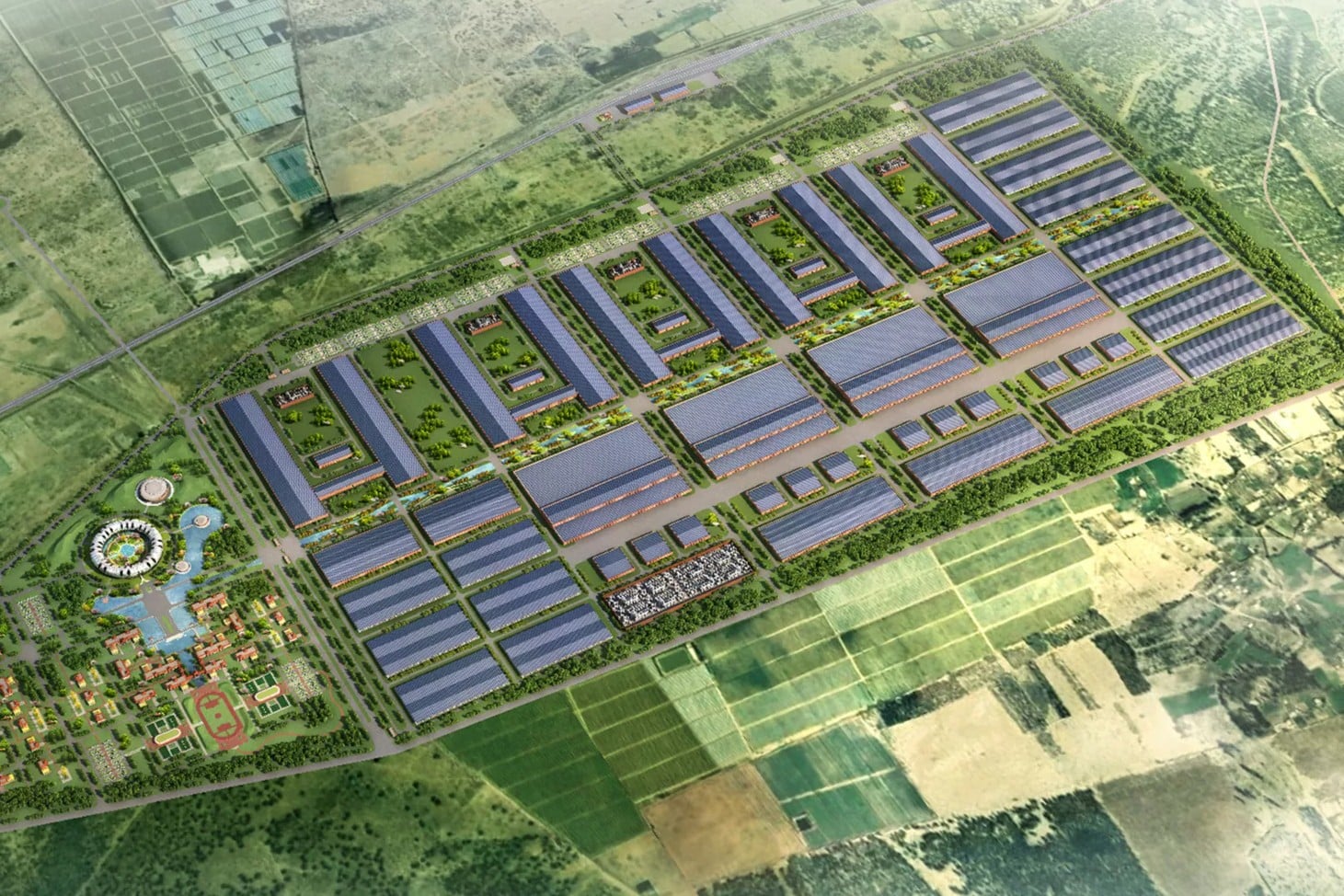
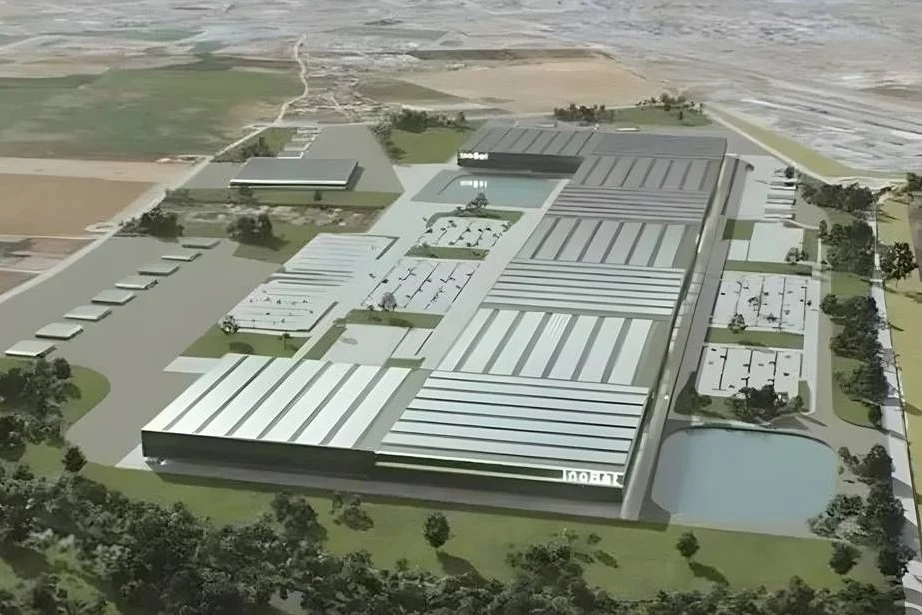
Backed by Michigan Governor Gretchen Whitmer and nearly $175 million in state incentives, the proposed Gotion campus would have covered 109 hectares, including more than 24 hectares of protected wetlands, to produce lithium iron phosphate cells and EV components. It was projected to create roughly 2,500 jobs and support US efforts to onshore critical battery supply chains.