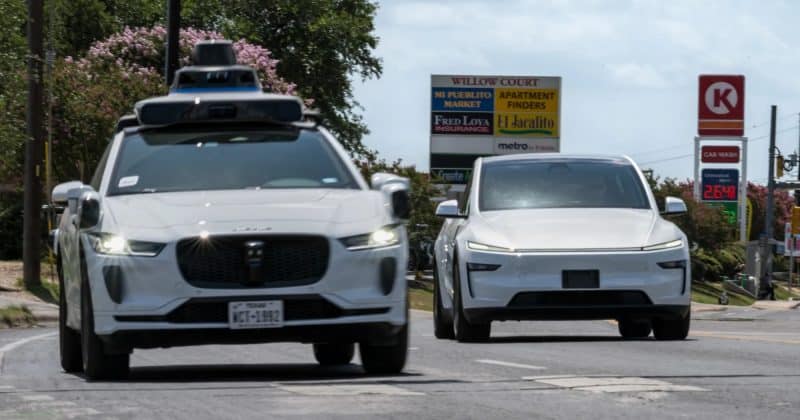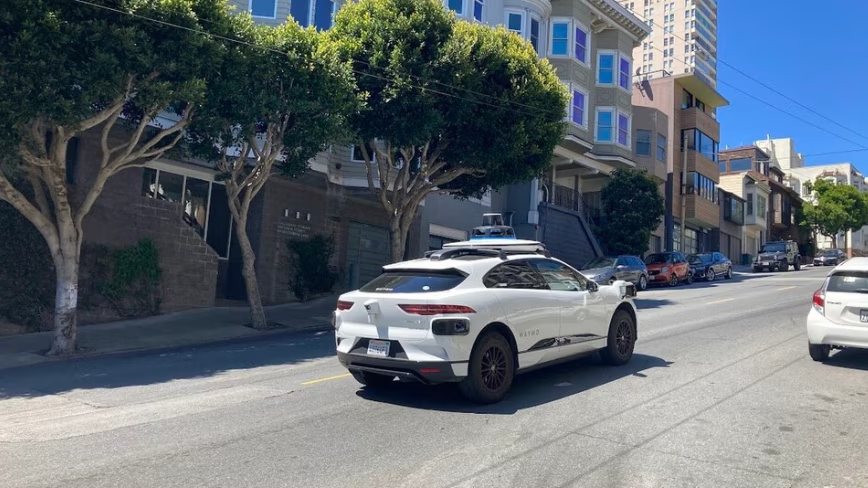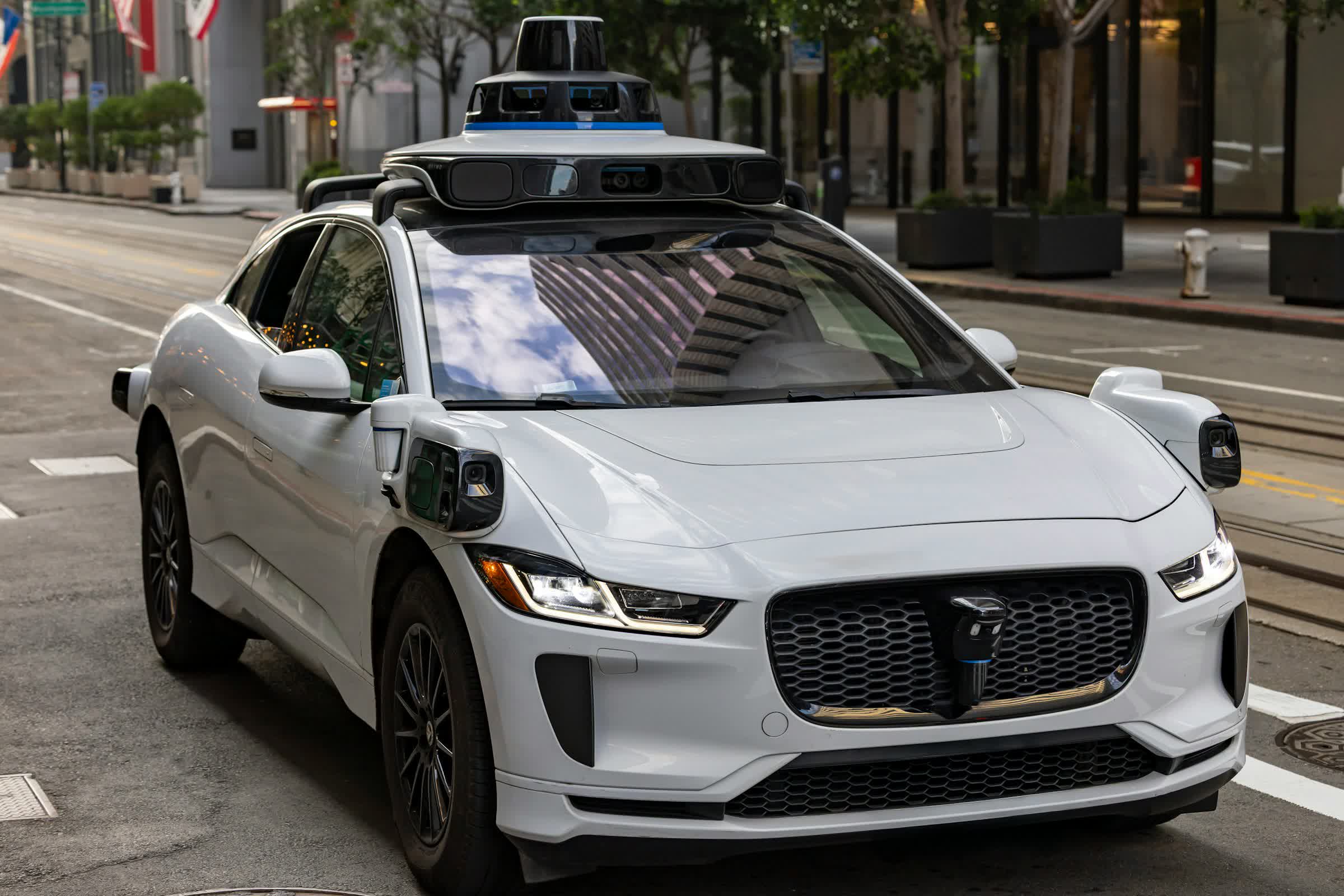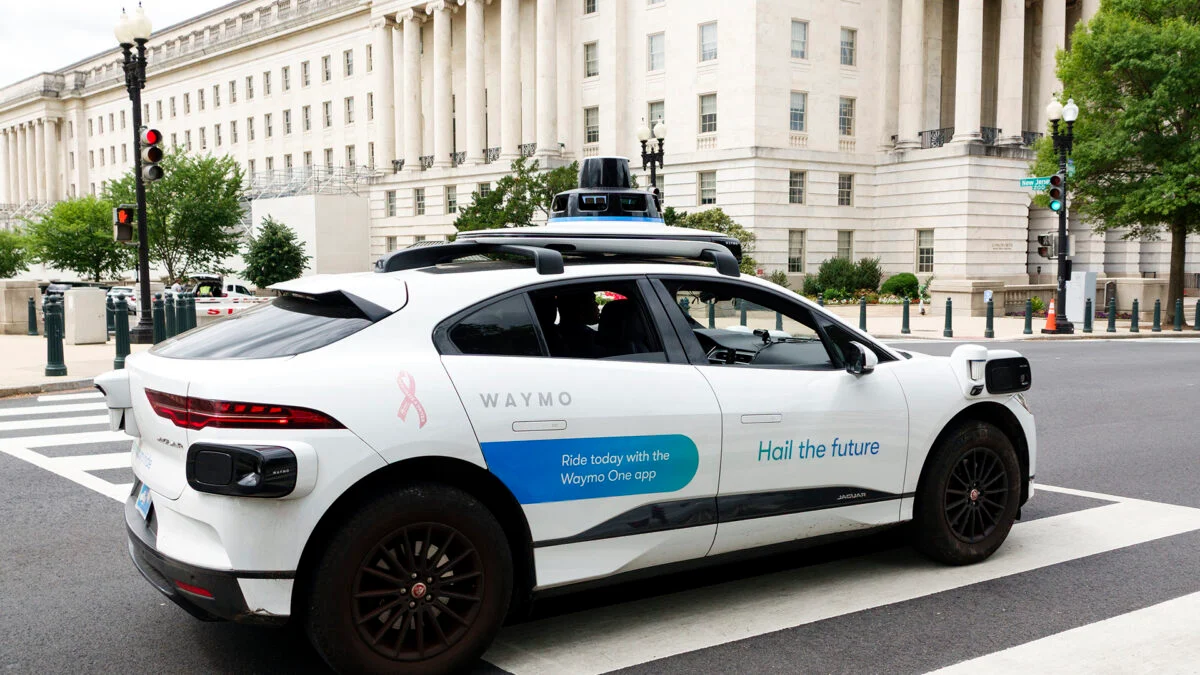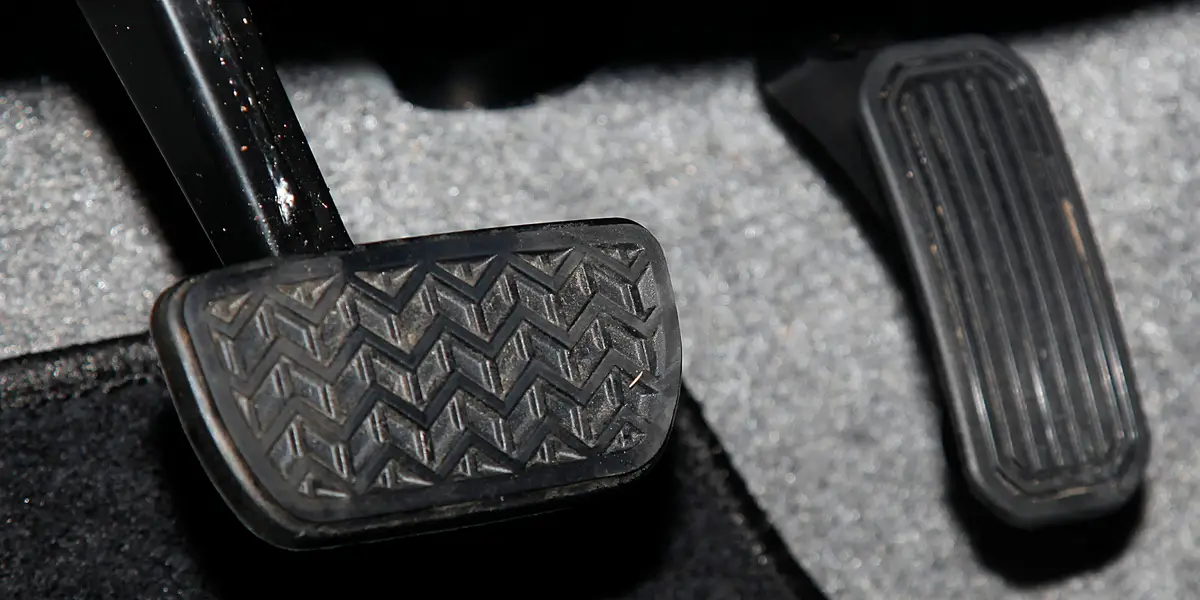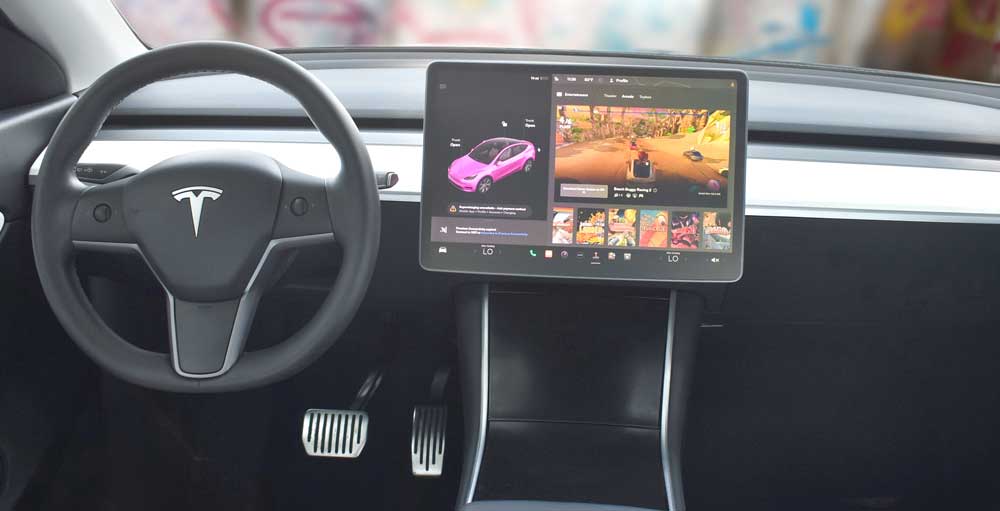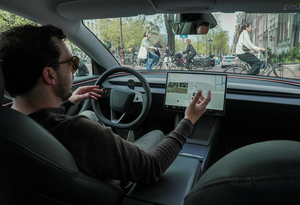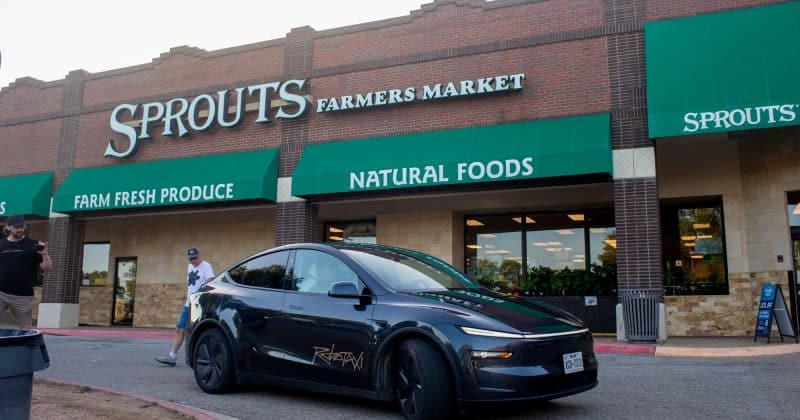
The US Department of Transportation is rewriting the rulebook for what counts as a car. The agency is moving to eliminate the requirement that vehicles include a brake pedal, a steering wheel, and other traditional human controls, clearing the regulatory path for fully driverless vehicles to hit American roads at scale.
The update targets the Federal Motor Vehicle Safety Standards (FMVSS), the set of rules that has governed vehicle design in the US for decades. Those standards were written with an assumption so obvious nobody questioned it: a human would be driving. That assumption is now officially outdated.
What’s actually changing
The National Highway Traffic Safety Administration (NHTSA), the arm of the DOT responsible for vehicle safety, has been working on updated FMVSS rules designed to accommodate vehicles built around Automated Driving Systems (ADS).
The updated standards are set for approval in March 2026. They would replace conventional safety requirements that mandate things like brake pedals, steering columns, and accelerators with performance-based criteria. Instead of asking “does this car have the right hardware for a human driver,” regulators would ask “does this car’s autonomous system meet equivalent safety benchmarks.”