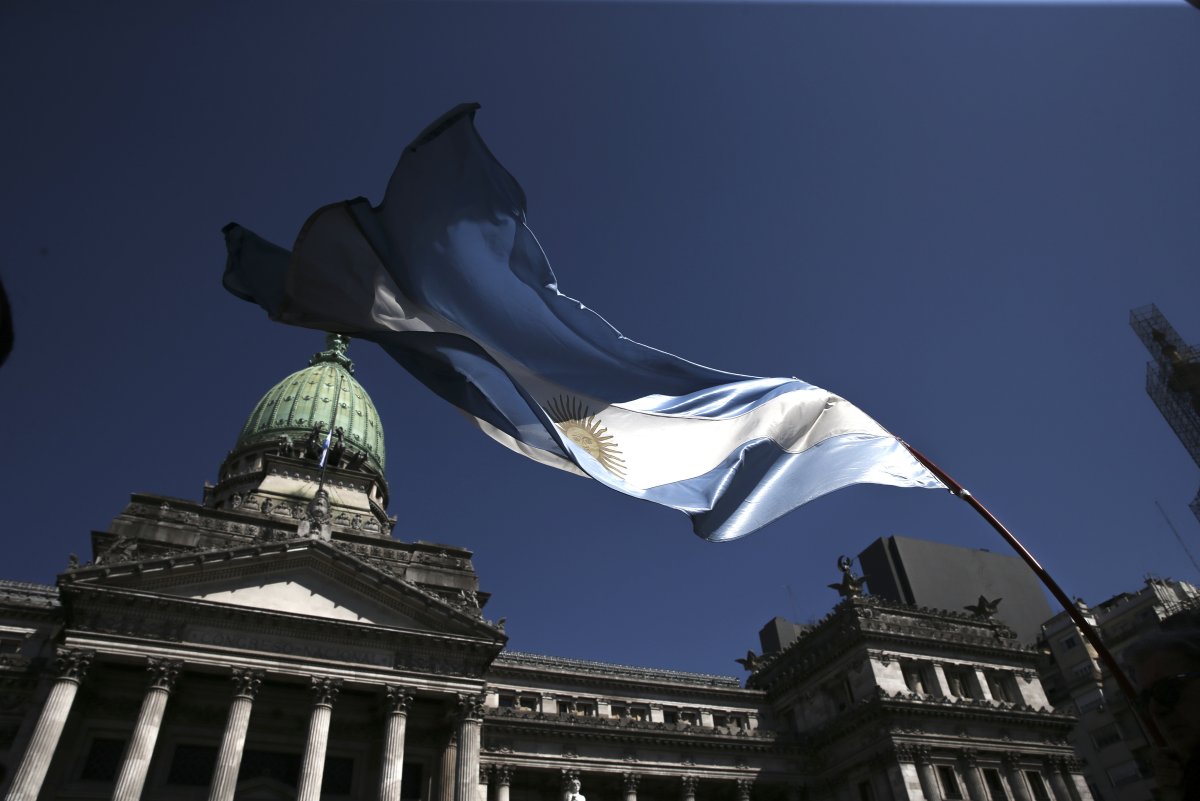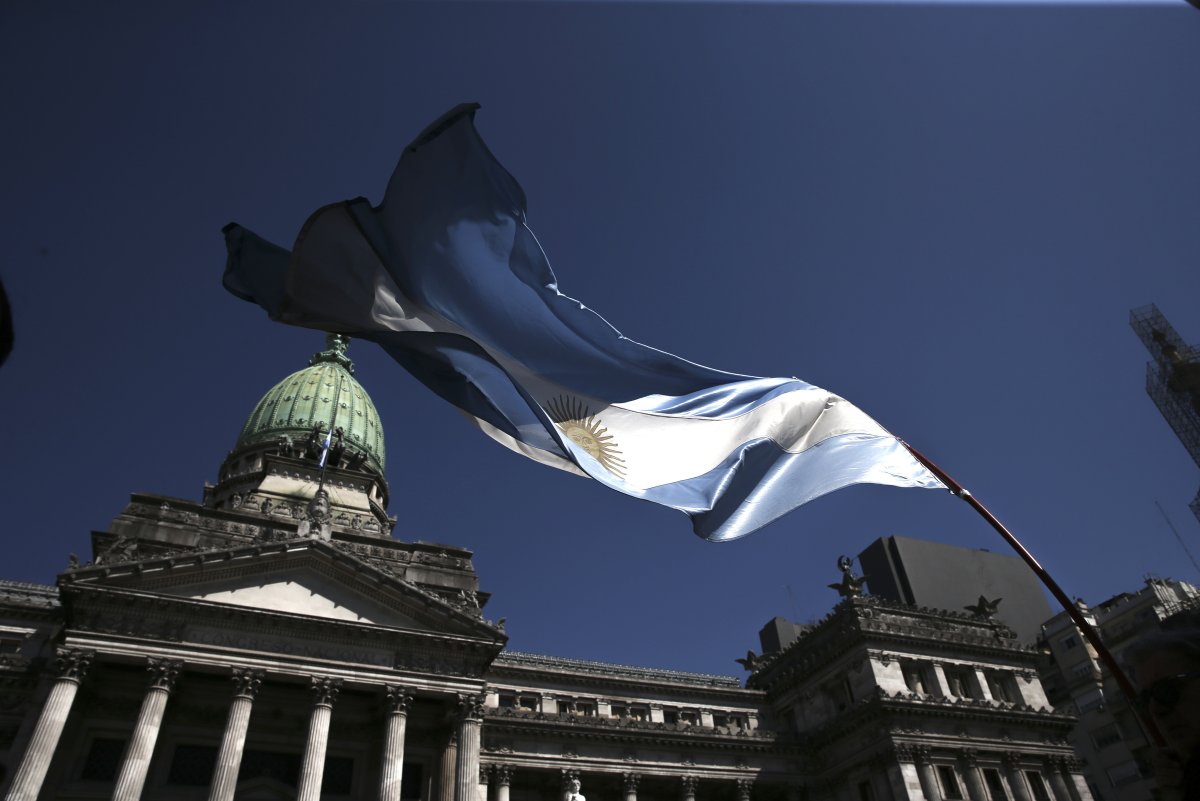
Decades of government intervention and fiscal instability made Argentina one of Latin America's most expensive places to invest. File Photo by David Fernández/EPA
June 25 (UPI) -- Argentina represents the most difficult case examined in this six-part series. Decades of government intervention and fiscal instability made it one of Latin America's most expensive places to invest, and recurring political crises deepened the problem. Investors demanded high returns because experience had taught them that the rules could change without warning. Contracts might be rewritten, or a new economic policy might replace the previous one overnight.
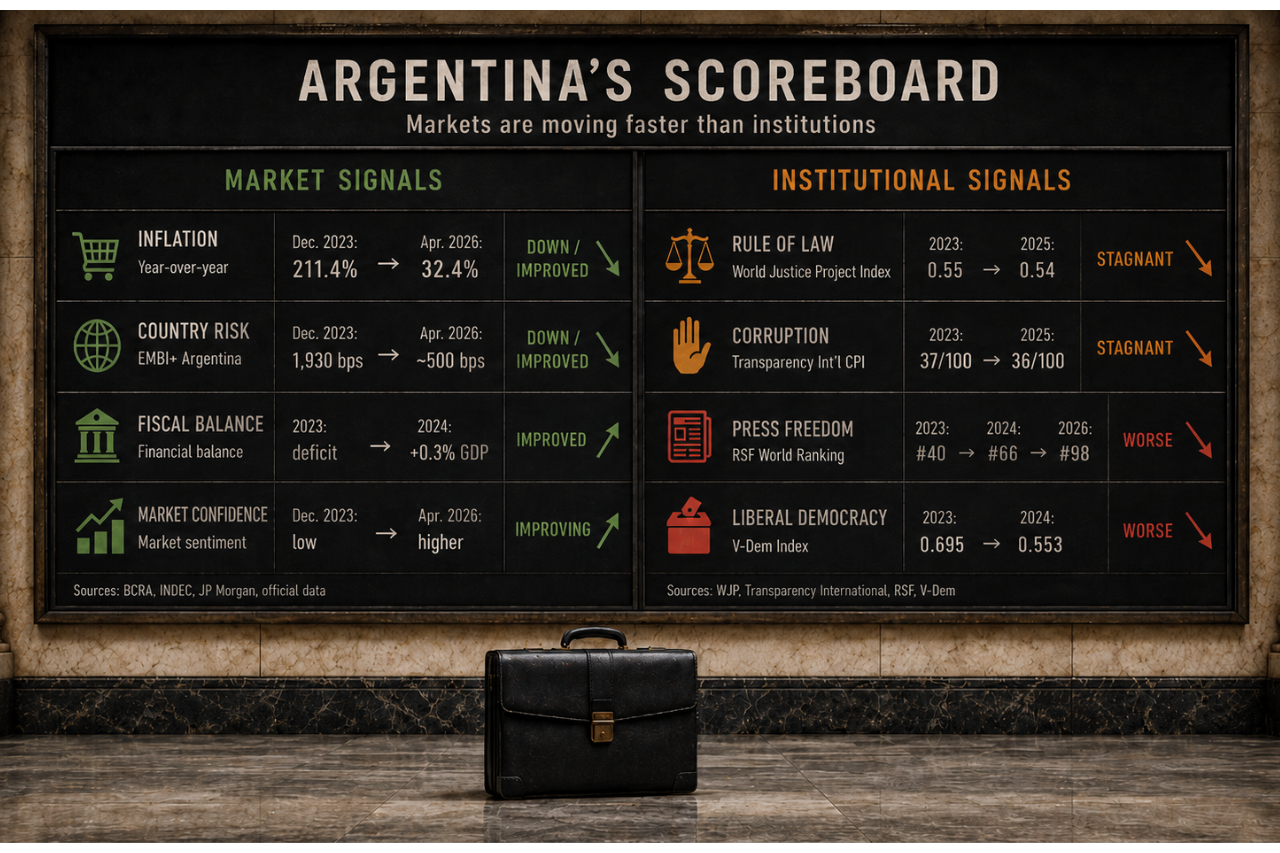
Recent developments suggest that pattern is not irreversible. Argentina's government posted a primary fiscal surplus of 1.4% of GDP in 2025, according to the Economy Ministry, the country's second consecutive annual surplus after 14 years of deficits. The 2026 budget, passed by Congress in December, targets a primary surplus of 1.2% of GDP and projects inflation easing to roughly 10% for the year.
The early results have been mixed but real. Monthly inflation fell to 2.1% in May, the National Institute of Statistics and Censuses reported, the slowest pace in eight months. But year-over-year inflation actually rose to 33.2% because of a weak comparison base, a reminder that disinflation in Argentina remains uneven rather than settled. S&P Global nonetheless upgraded the country's sovereign credit rating to B- from CCC in June, citing improved fiscal and external accounts.