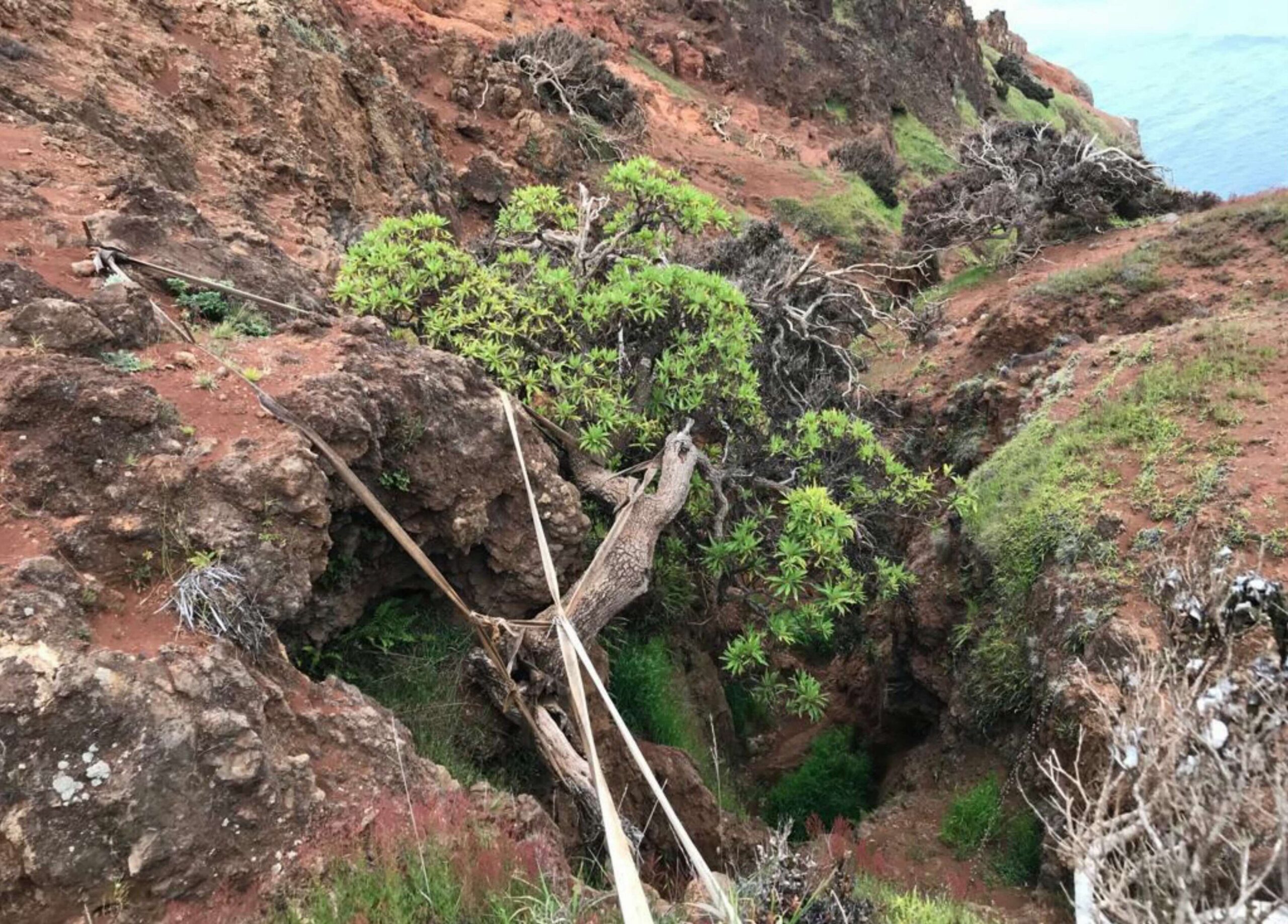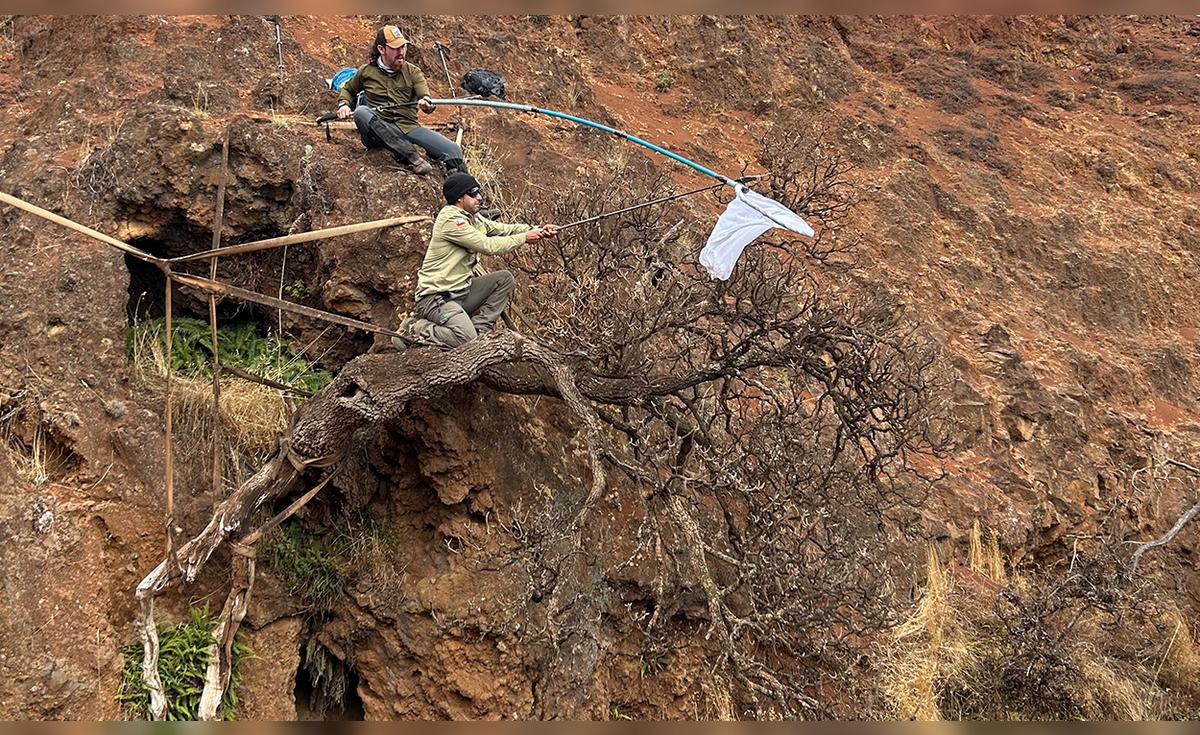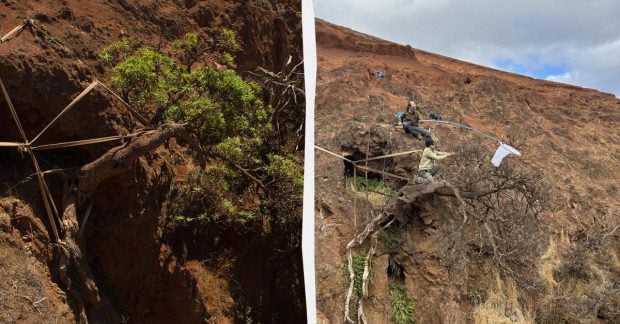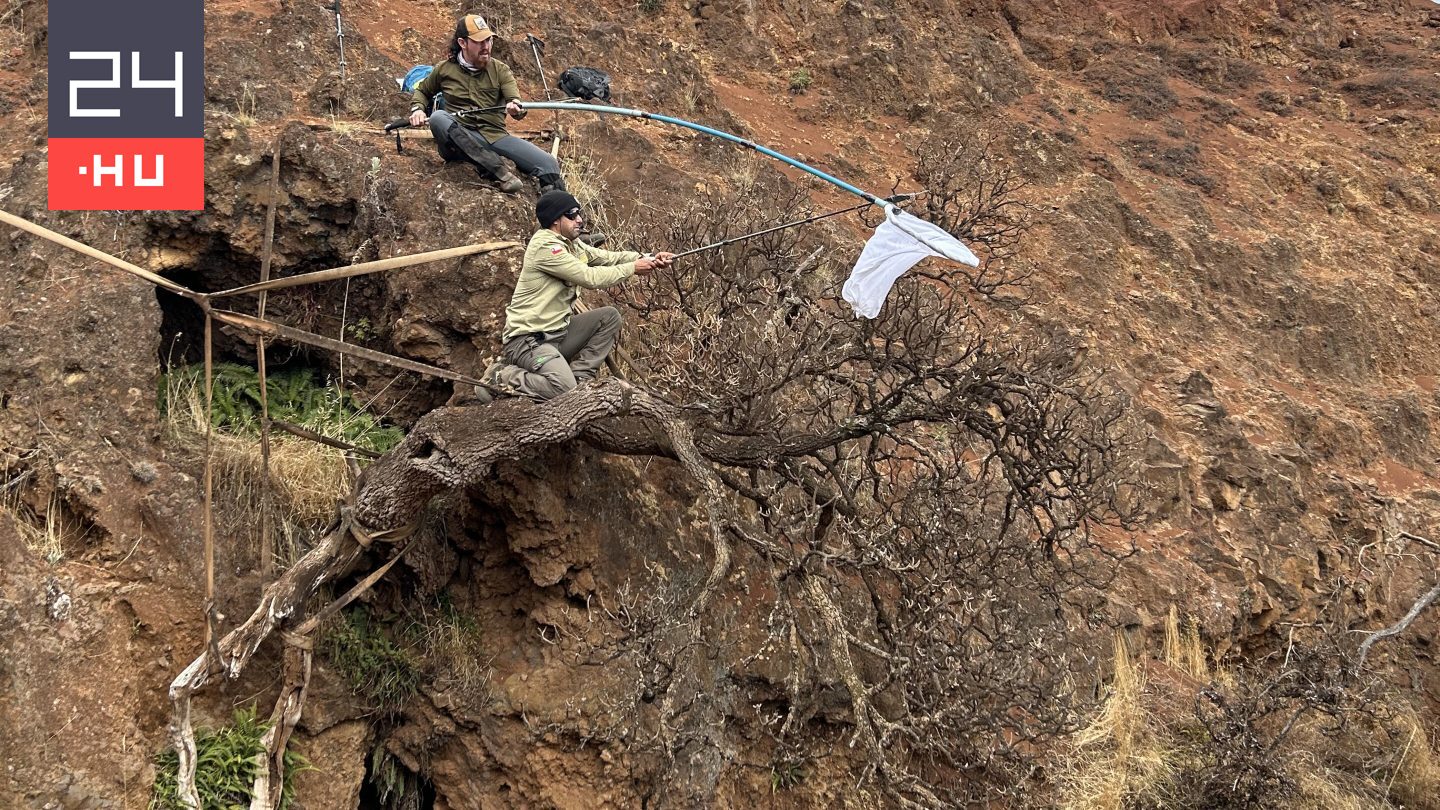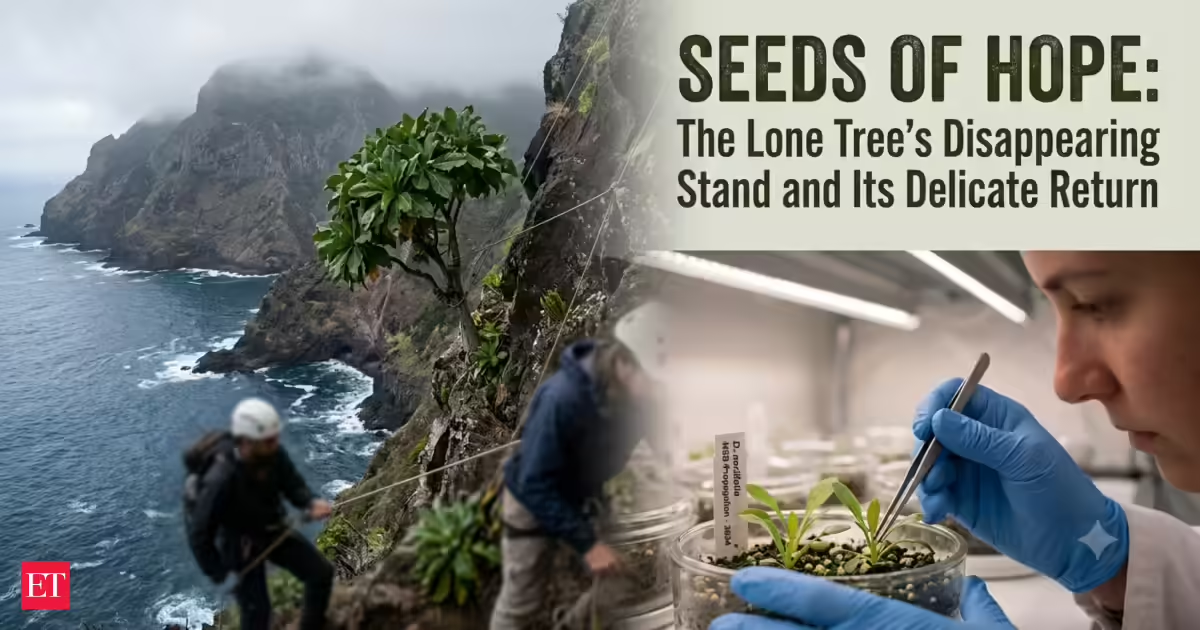
World's loneliest tree making a comeback story: On a steep cliff on Robinson Crusoe Island, a single tree is holding on against the odds. For years, 'Dendroseris neriifolia', a rare tree daisy found only in Chile's remote Juan Fernández Islands, has survived as the last known wild individual of its species. Now, seeds collected from that lone tree have successfully begun to grow at Kew's Millennium Seed Bank in England.Conservationists recently collected seeds from the last surviving wild tree and sent some of them to Kew's Millennium Seed Bank in England, as per a report. The results have given scientists a reason to be hopeful: several of those seeds have successfully sprouted.A species reduced to one treeThe story of 'Dendroseris neriifolia' is a dramatic one. The species once grew in ravines and lower areas across Robinson Crusoe Island, located more than 400 miles off mainland Chile, as per an Eco News report.Over time, however, habitat loss, invasive plants, grazing by introduced animals, forest clearance, fires, erosion, and human activity pushed the species closer and closer to extinction.By 1980, only eight wild trees remained. Today, scientists know of just one. The surviving tree grows on a steep cliff and is even supported with ropes to help prevent it from falling.You Might Also Like: Seeds from the last survivorEarlier this year, conservationists collected 400 seeds from the lone tree. Twenty-nine of those seeds were sent to Kew Wakehurst in Sussex for testing and conservation work, as per the Eco News report.Scientists examined the seeds using X-ray analysis and found that 25 appeared potentially viable. They then began germination trials.The outcome was encouraging. All eight seeds selected for germination have now sprouted, and eight seedlings are currently growing at Wakehurst.Researchers expect three of the young plants to eventually be transferred to Logan Botanic Garden in Scotland, as per the Eco News report.You Might Also Like:Why every seed mattersFor a species hanging on by a single wild tree, seed banking is essential. Kew's Millennium Seed Bank stores billions of seeds from wild plant species around the world, providing an important backup for plants at risk of disappearing.In the case of 'Dendroseris neriifolia', that backup could prove critical. A storm, landslide, disease outbreak, or another unexpected event could wipe out the last wild tree at any time.The challenge aheadWhile the new seedlings represent an important step forward, scientists caution that the recovery effort is still in its early stages.Because all available wild seeds come from a single parent tree, the species now faces serious genetic limitations. Researchers also note that about 90% of the species' seeds are non-viable due to geographical isolation, while some plants growing in gardens cannot be used because they have hybridized, as per the Eco News report.As a result, every healthy seedling is considered extremely valuable.More than just one treeSaving 'Dendroseris neriifolia' could have benefits beyond preserving a single species. The Juan Fernández Islands are home to many plants found nowhere else on Earth. Scientists also note that the Critically Endangered Juan Fernández firecrown hummingbird depends on 'Dendroseris' flowers, highlighting the close relationships that exist within the island ecosystem, as per the Eco News report.FAQsWhat is Dendroseris neriifolia?It is a rare tree daisy species found only on Chile's Juan Fernández Islands.How many wild trees are left?Scientists currently know of just one surviving tree in the wild.
World’s loneliest tree: A plant reduced to a single wild survivor is making an unexpected comeback
World's loneliest tree making a comeback: Discover the remarkable story of 'Dendroseris neriifolia', the world's loneliest tree, as it makes a stunning comeback with new seedlings sprouting in England's Kew Millennium Seed Bank. Learn about its history, conservation efforts, and the importance of genetic diversity for its survival.
555 words~3 min read