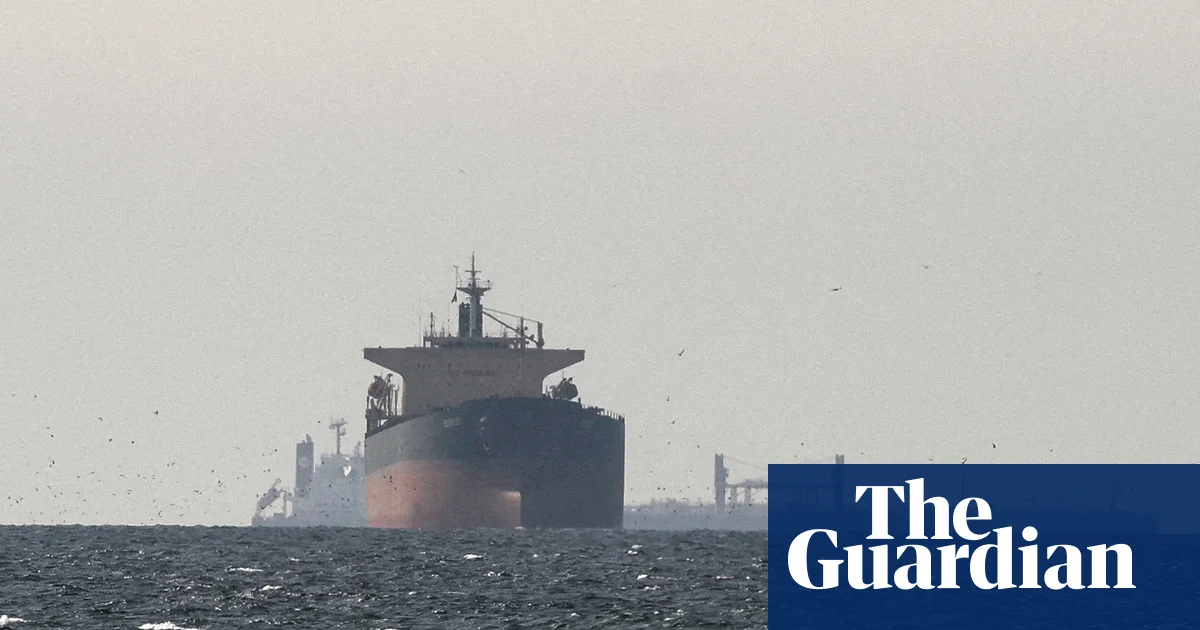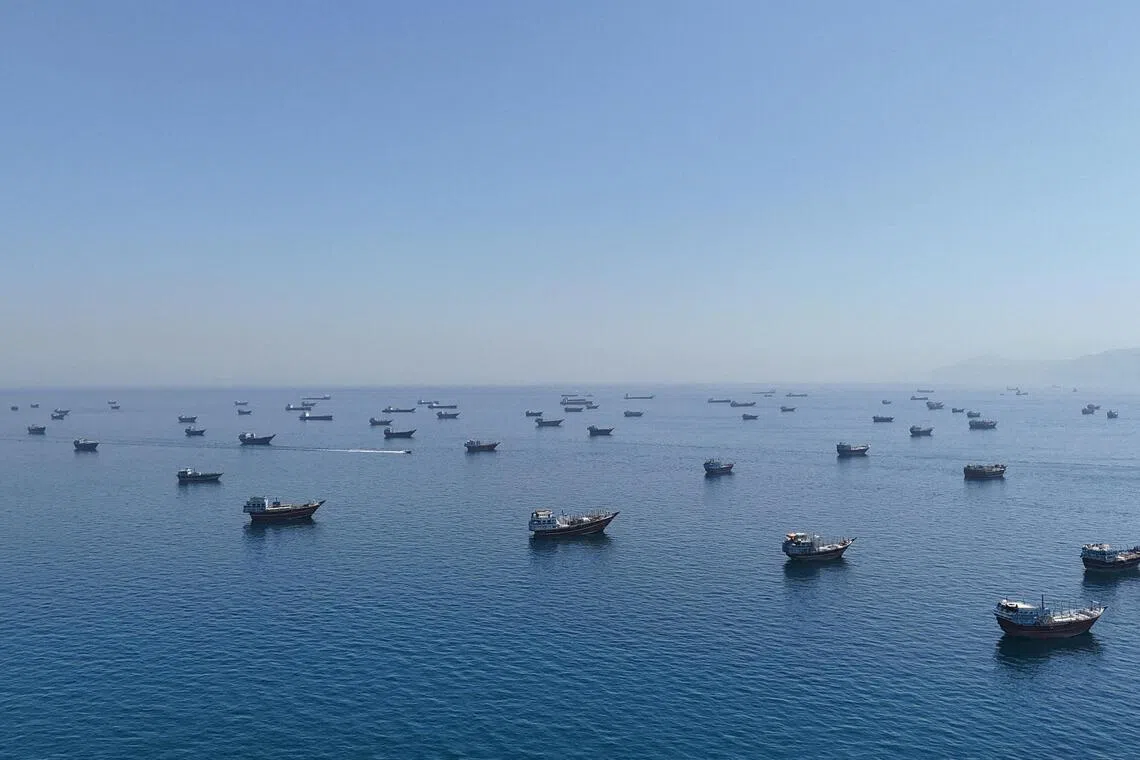
Bengaluru: Oil prices fell on Thursday to levels last seen before the start of the Iran war as expectations of rising supply from the Middle East outweighed demand concerns.Prompt-month Brent crude futures for August delivery were down 51 cents, or 0.7%, to $73.23 a barrel by 1201 GMT, while U.S. West Texas Intermediate lost 53 cents, or 0.8%, to $69.81 a barrel.Both contracts hit their lowest since February 27.Also Read: Sanjay Malhotra calms rate hike fears as RBI watches oil, monsoonAugust Brent was trading lower than September, which was priced at $73.50, signalling ample short-term supply.U.S. Energy Secretary Chris Wright told a forum that flows through the Strait of Hormuz were close to those before the start of the Iran war, with at least 20 million barrels having exited the strait in the last 24 hours.A return to complete normalcy would take a few weeks, however, because the strait needs to be demined, he added."Most of the increase in flows from the Gulf is outbound -ships exiting the Strait," UBS analyst Giovanni Staunovo said.However, a significant increase in inbound flows requires shipping confidence to return, including safety assurances and mine clearance to allow insurance premiums to normalise, Staunovo said.Rising Middle Eastern supply, together with Iran set to boost sales after a temporary reprieve from U.S. sanctions, drove down prices of physical crude oil cargoes around the world.Goldman Sachs said it does not expect a large pick‑up in Iranian production, even if sanctions relief extends beyond the August 21 expiry.On the demand side, China is likely to remain the main buyer of Iranian crude, as EU and UK sanctions on Iranian oil and vessels remain in place, the bank added.An accord agreed last week to end the U.S.-Israeli war, which began on February 28, has allowed the resumption of traffic through the strait.It set up a 60-day period of negotiations to tackle tougher issues, such as Iran's nuclear programme. Wright said oil would continue to flow through the strait even if the deal did not hold, and that Iran would not be able to close it again.Also Read: RBI MPC: Growth rate could top 7% if oil prices fall furtherUBS lowered its Brent price forecasts to $85 per barrel for end-September and end-December, and $80 per barrel for end-March and end-June 2027.Meanwhile, Iraq will consider all available options if its OPEC quota is not significantly increased and has weighed leaving the producer group, sources with knowledge of Iraqi oil policy told Reuters.The prospect of Iraq considering an exit from OPEC follows the surprise exit of the United Arab Emirates this year. Iraq is one of five founding members and the group was formed in the Iraqi capital.On the geopolitical front, Ukraine's military hit an oil depot in Russia's Krasnodar region and two oil refineries in the Ufa region, 1,500 km (932 miles) from the Ukrainian border, Ukrainian President Volodymyr Zelenskiy said on Thursday.
Oil falls to pre-war levels on rising Middle East supply
Oil prices have dropped to pre-Iran war levels as increased Middle Eastern supply overshadows demand worries. Flows through the Strait of Hormuz are nearing normalcy, boosting confidence despite ongoing demining efforts. Meanwhile, Iraq is contemplating leaving OPEC due to quota concerns, and Ukraine has targeted Russian oil facilities. These developments are reshaping the global energy landscape.
482 words~2 min read