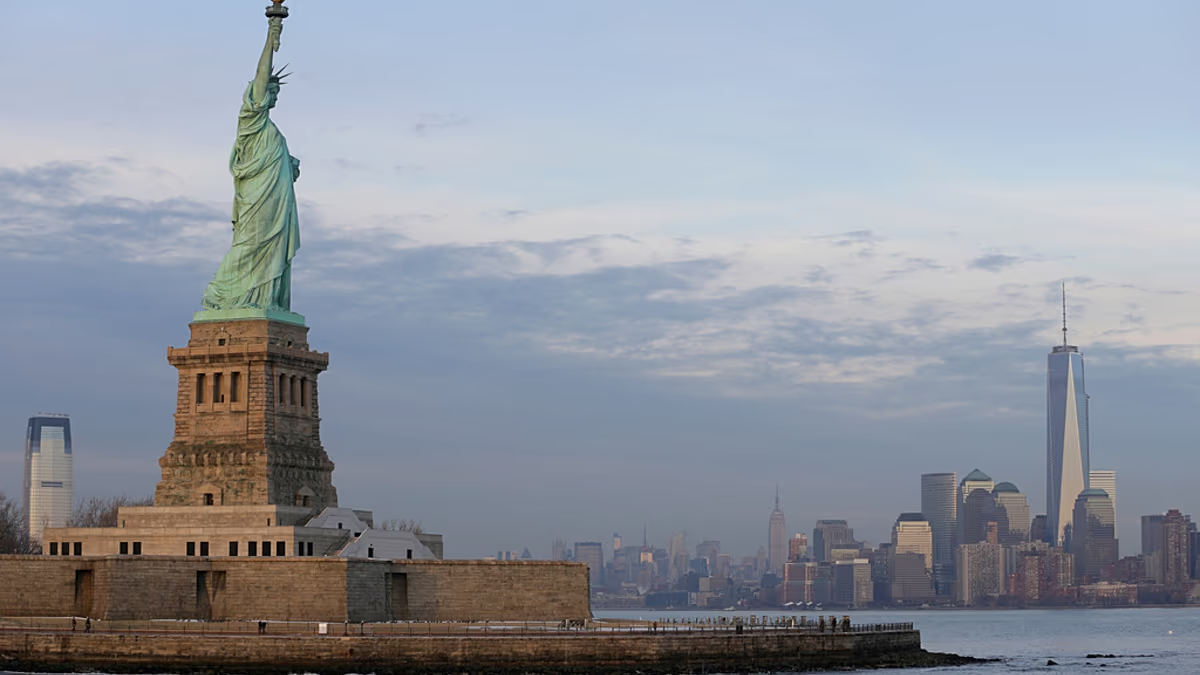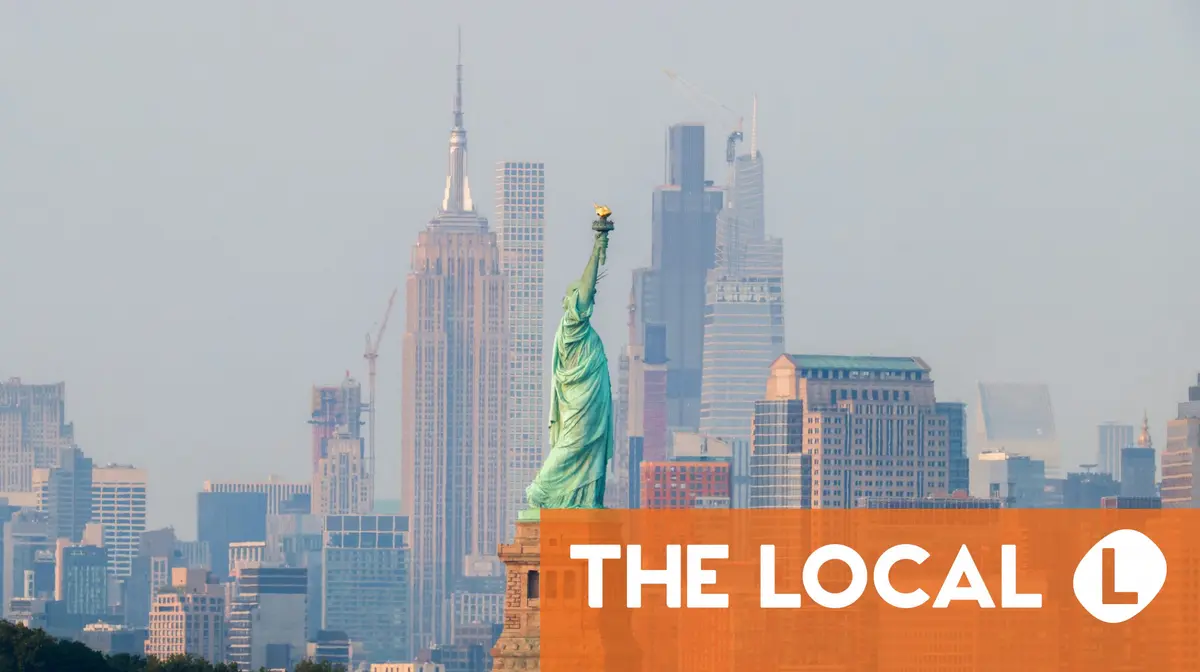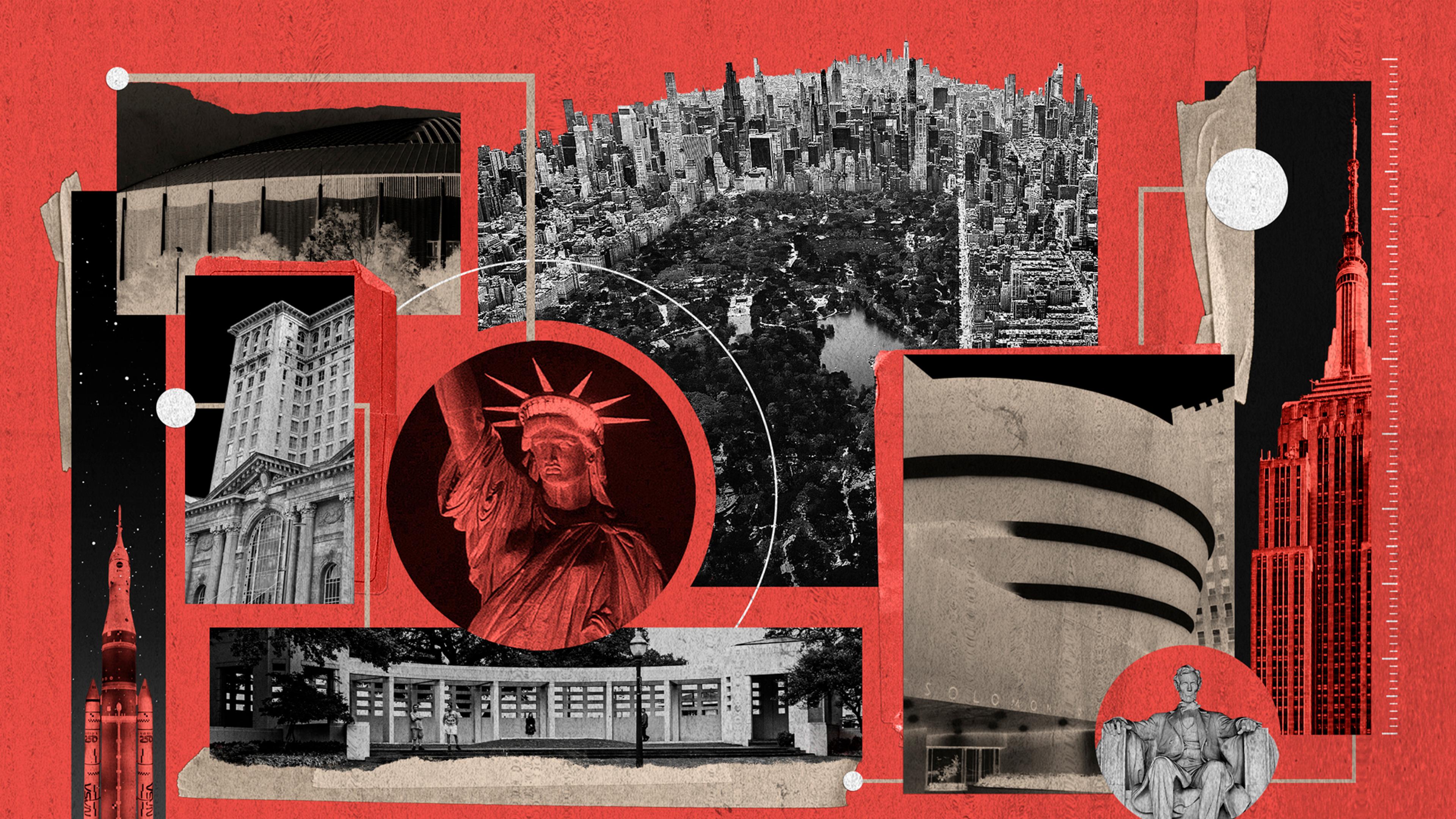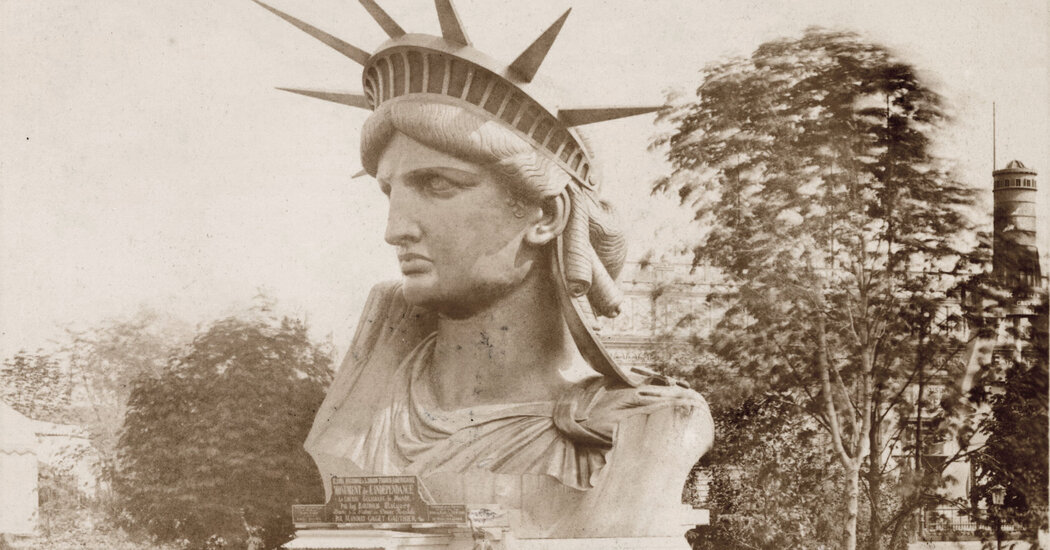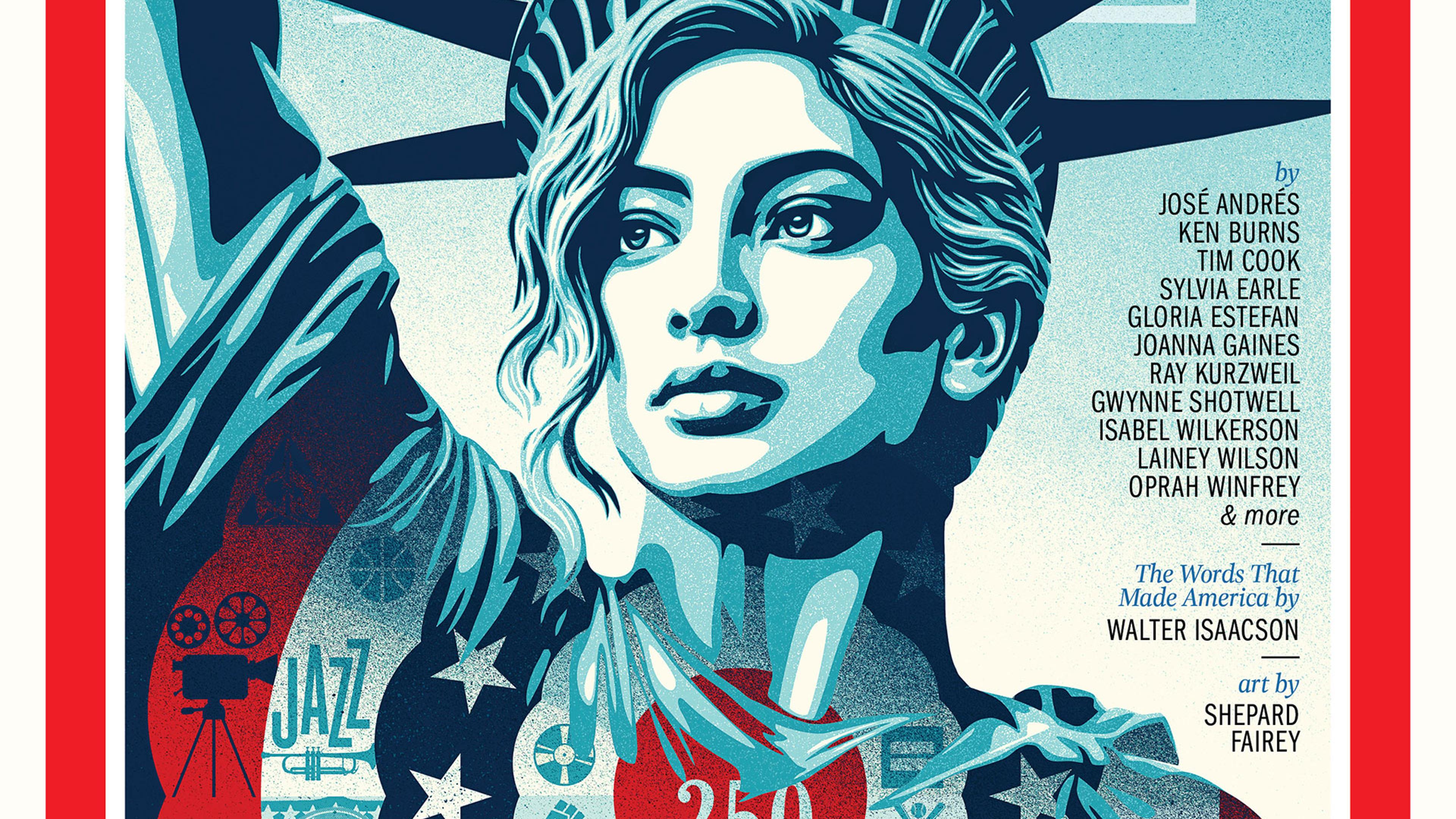
And now, in Fairey’s hands, the Statue of Liberty is draped in a wide range of additional movements, moments, and ideas, calling out touchpoints and milestones from the past 250 years of American history—from the civil rights movement and jazz to the space program and the automobile. Taken together, she represents, he says, "the promise of pluralism in a more fair and just society." (The cover also calls out some of the contributors who, for the special project featured in this issue, told us about the places and things that define America to them. Fairey himself contributed, picking a piece by the conceptual artist Barbara Kruger as a work of art that captures this moment.)This cover marks TIME’s fourth collaboration with Fairey, who created two for Person of the Year: Barack Obama in 2008 and The Protester in 2011. More recently, his work graced the cover of TIME’s 2020 election issue.Fairey, a graduate of the Rhode Island School of Design who began his career designing skateboards and T-shirts in the 1980s, says he has held onto the “street-art–skate-punk” commitment to bending the rules in the name of what you believe in, even as he has come to believe that conversation can be more powerful than confrontation. Given its 103-year history, TIME is not new to marking major American anniversaries. For the bicentennial July 4, 1976, issue, TIME also turned to an American artist to capture the moment. Distinguished illustrator Louis Glanzman painted a portrait of Thomas Jefferson for the cover, based on the artwork of Charles Willson Peale's 1791 painting of Jefferson. The 18th century vibe didn't stop there: the special issue is written as if it were published that week in 1776.TIME also covered America’s 150th anniversary in 1926—albeit not as prominently. In a short item at the end of the National Affairs column. The magazine wrote of the milestone: “The President [Calvin Coolidge] and Mrs. Coolidge entrained for Philadelphia to lead in the commemoration of the 150th anniversary of the Declaration of Independence. City-of-Brotherly-Love Mayor Kendrick met them; together they rolled into the exposition grounds. After a 48-gun salute echoed away, the President spoke of 'inalienable rights . . . idealism . . . destiny.' Later he visited Independence Hall, touched the crack in Liberty Bell; then crossed over the new four-mile Delaware River bridge to New Jersey, where he planted a maple tree, with Governor Moore, Senators Edwards and Edge applauding. It was drizzling and a thoughtful observer had thrown a raincoat about the President's shoulders. Tired and wet, the Executive party returned to Washington."Understated though that description may be, a century later, the ideas of which Coolidge spoke—inalienable rights, idealism, and destiny—remain perhaps as powerful as ever. And, of course, as worthy of consideration in art and beyond.“Art is a beautiful tool to stir the imagination around big ideas and the meaning of life, but general ideas and feelings are just a starting point,” Fairey says. “I’d like to see more art and other media that reminds us how much we have in common and that we benefit from the society we are all part of, rather than stoking fear, division, and scapegoating. We are all in this together!”
How Shepard Fairey Created TIME's 'Our America' Cover
For a fitting cover to mark the 250th birthday of the United States, TIME turned the canvas over to renowned American muralist and graphic artist Shepard Fairey.
533 words~2 min read