Science and technology
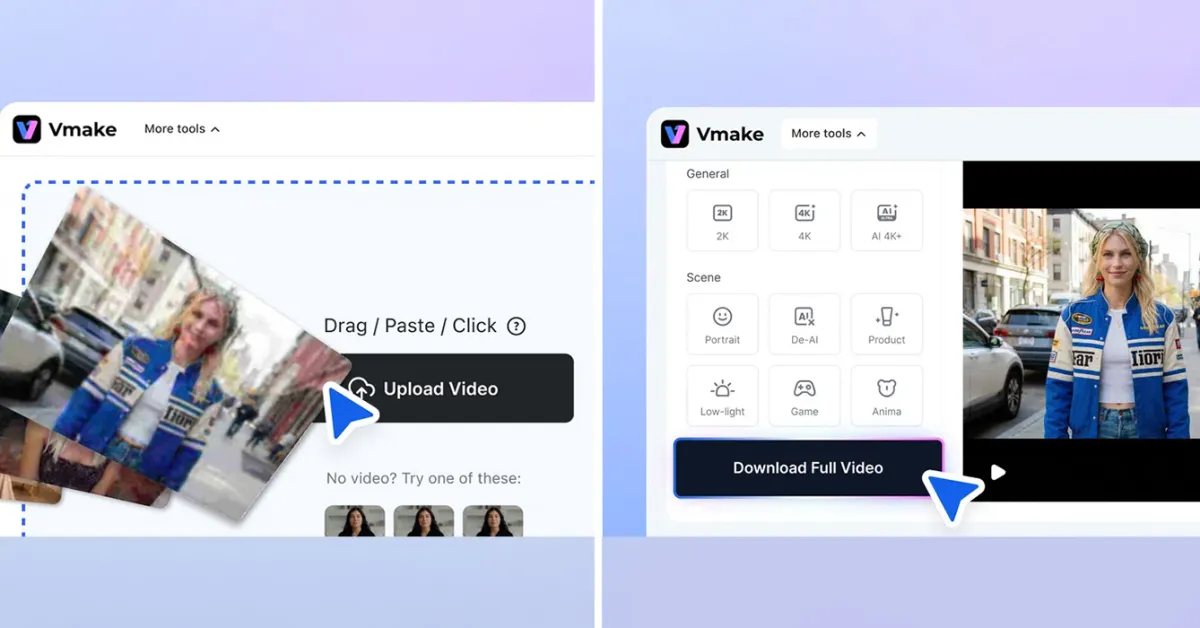
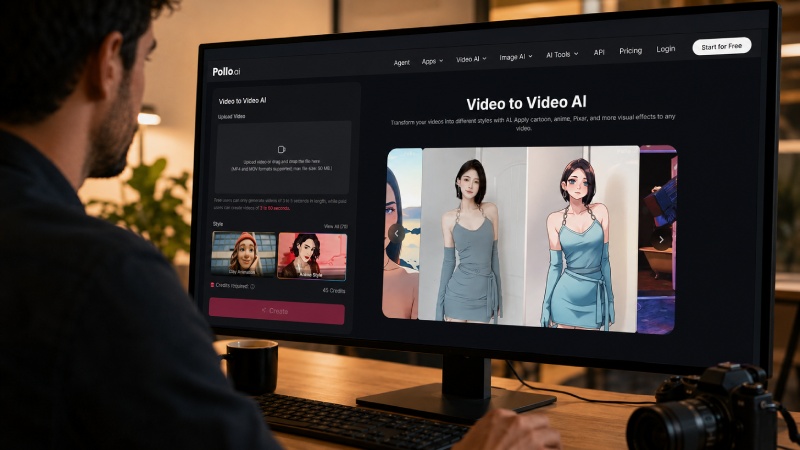
There's a quiet revolution happening in video production, and it doesn't involve cameras, studios, or expensive post-production teams. It involves feeding your existing footage into an AI model and getting something fundamentally better — or at least fundamentally different — back out. Video-to-video AI has matured fast, and the people paying attention are already using it to do things that would have required a full production pipeline twelve months ago.
This isn't about replacing creativity. It's about eliminating the friction between having a good idea and executing it at the quality level your audience expects.
The Problem With Existing Footage (And Why Reshooting Is Usually Off the Table)
Anyone who works with video content at scale knows the sinking feeling of reviewing footage that's almost right. The lighting is slightly off. The background doesn't match the aesthetic of the campaign it's supposed to support. The original was shot for one platform and now needs to work on another with completely different format expectations. The corporate training video from 2022 is still accurate but looks dated enough that employees are quietly ignoring it.