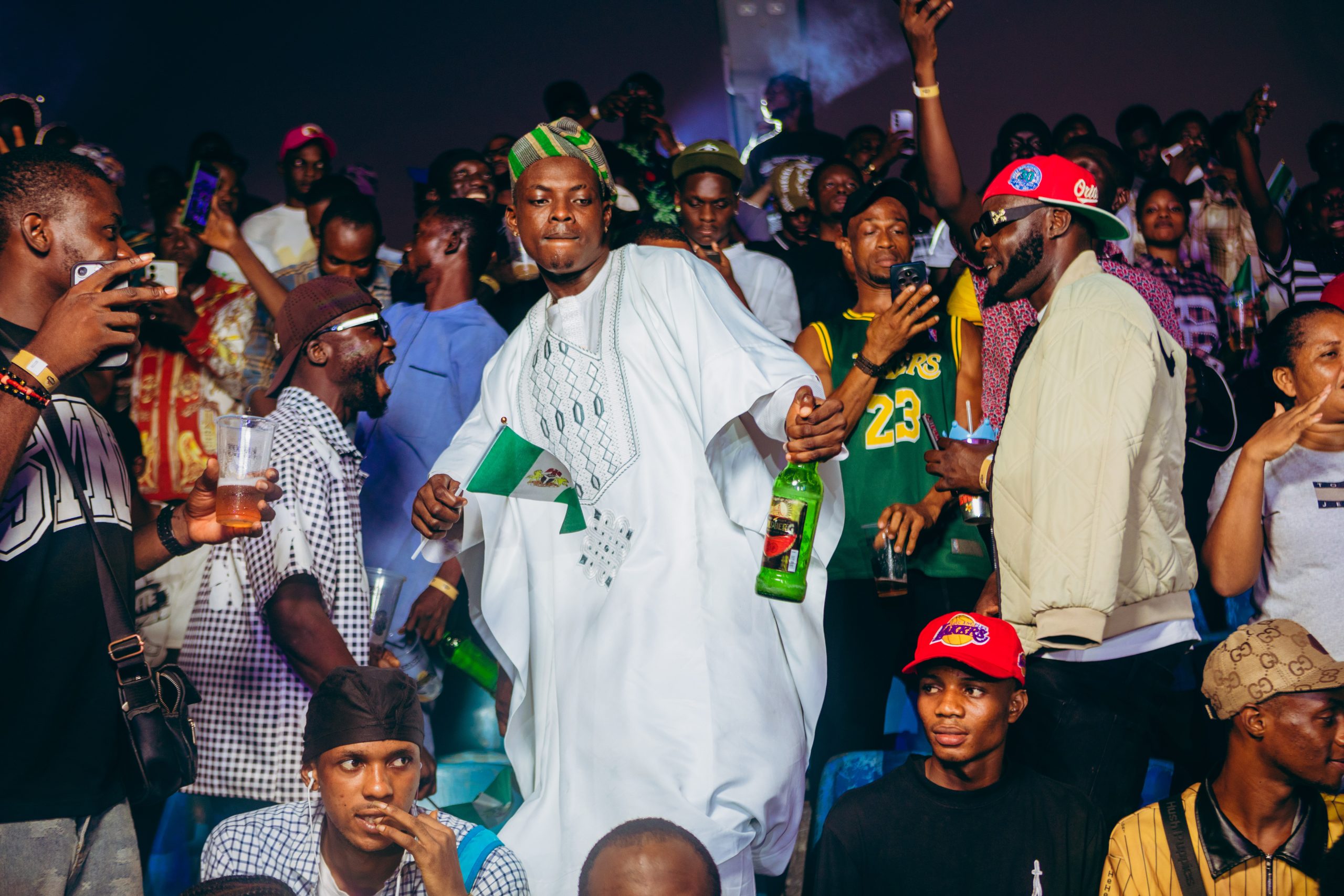
Nigeria is changing at a remarkable pace. Across the country, skylines are expanding, technology is reshaping everyday life and younger generations are engaging with the world in ways that would have been difficult to imagine just a few decades ago.
Yet amid all this change, one question continues to surface: Who gets to preserve culture?
For many people, culture is often viewed as something static; traditions preserved in museums, old photographs or history books. In reality, culture survives because people continue to practise it, reinterpret it and pass it on.
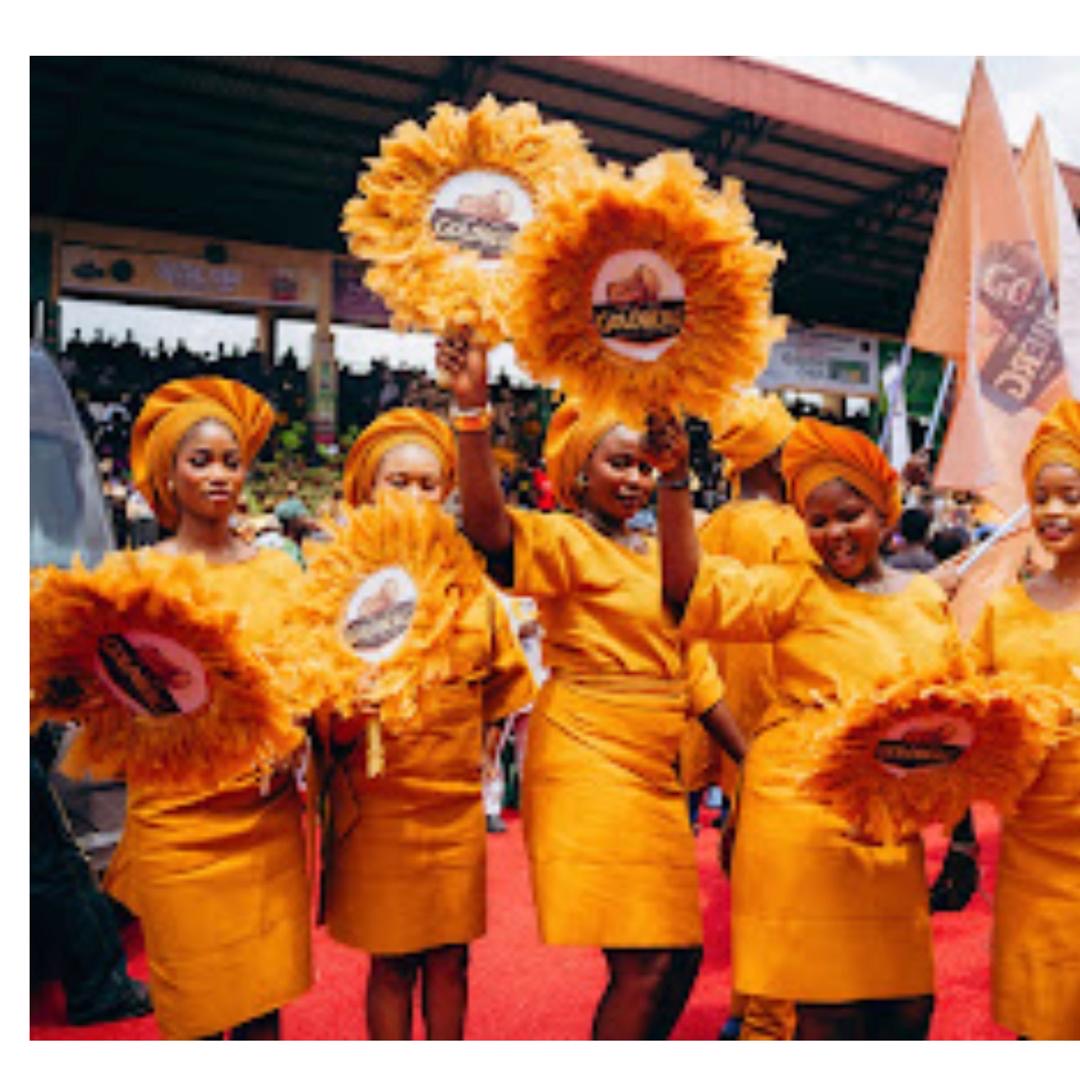
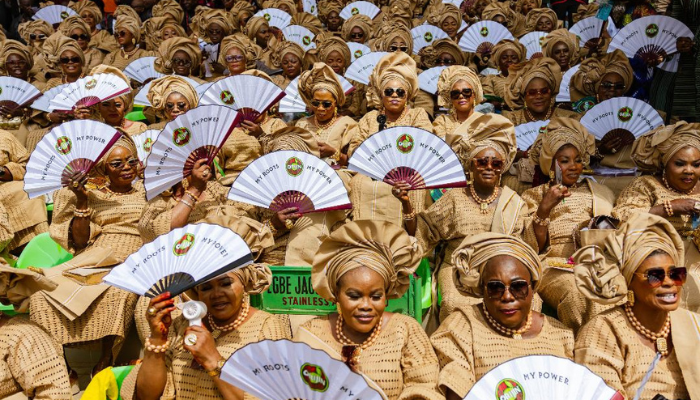
That process is happening every day across Nigeria. It can be seen in the young designer drawing inspiration from traditional fabrics while creating contemporary fashion. It is reflected in musicians blending indigenous sounds with modern genres. It is present in communities that continue to gather for festivals and cultural celebrations that have been observed for generations.
Far from disappearing, Nigerian culture is evolving. The challenge today is not whether culture exists. It is whether enough people are actively participating in keeping it alive.