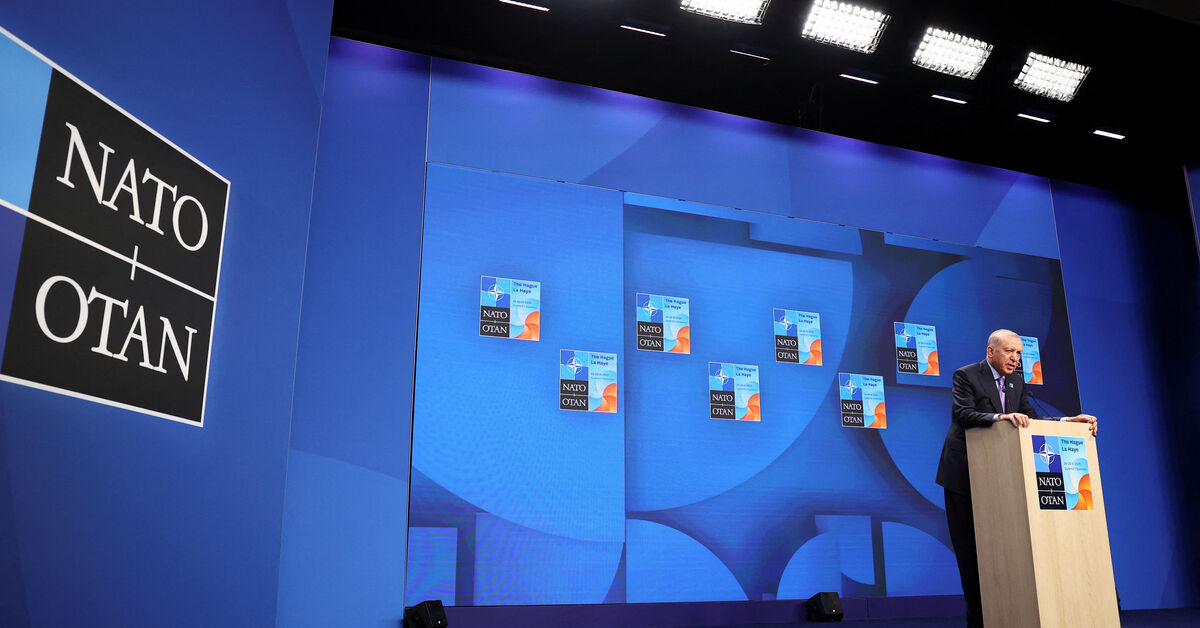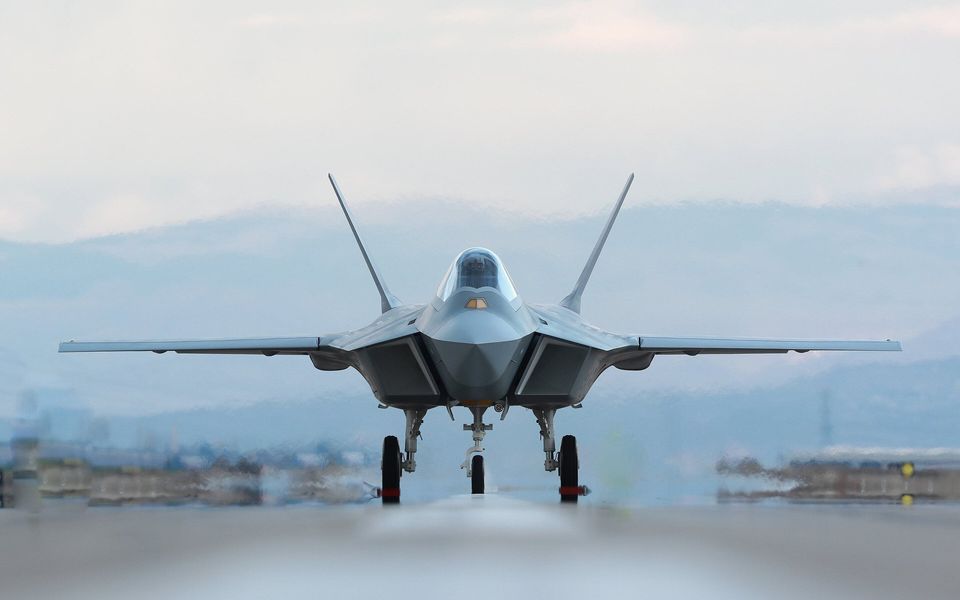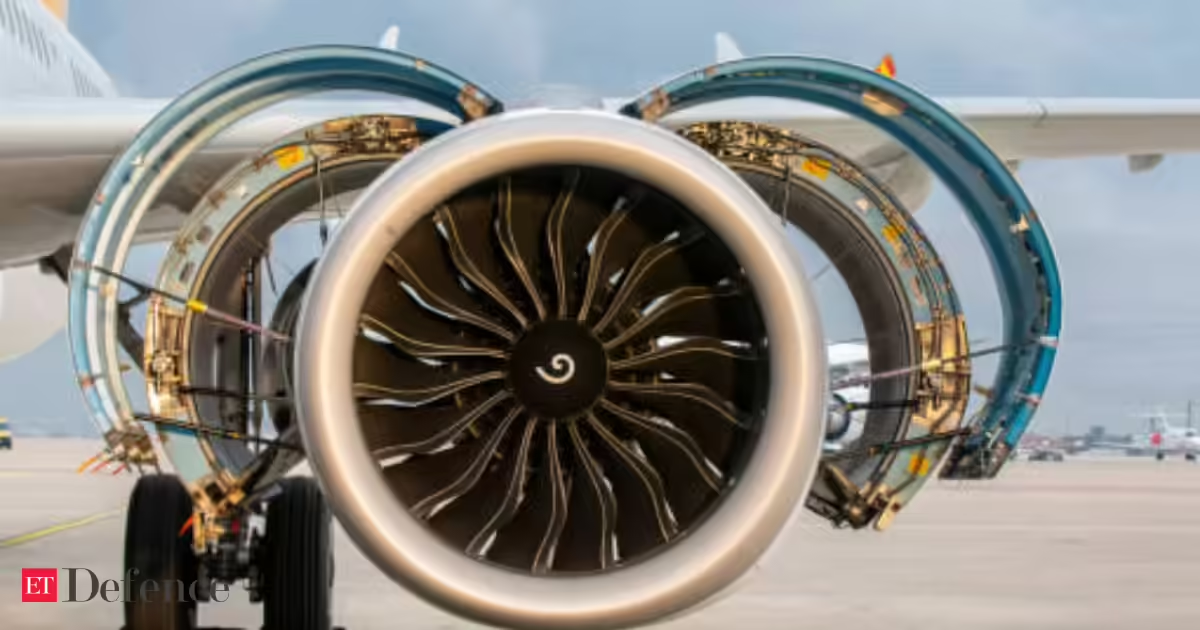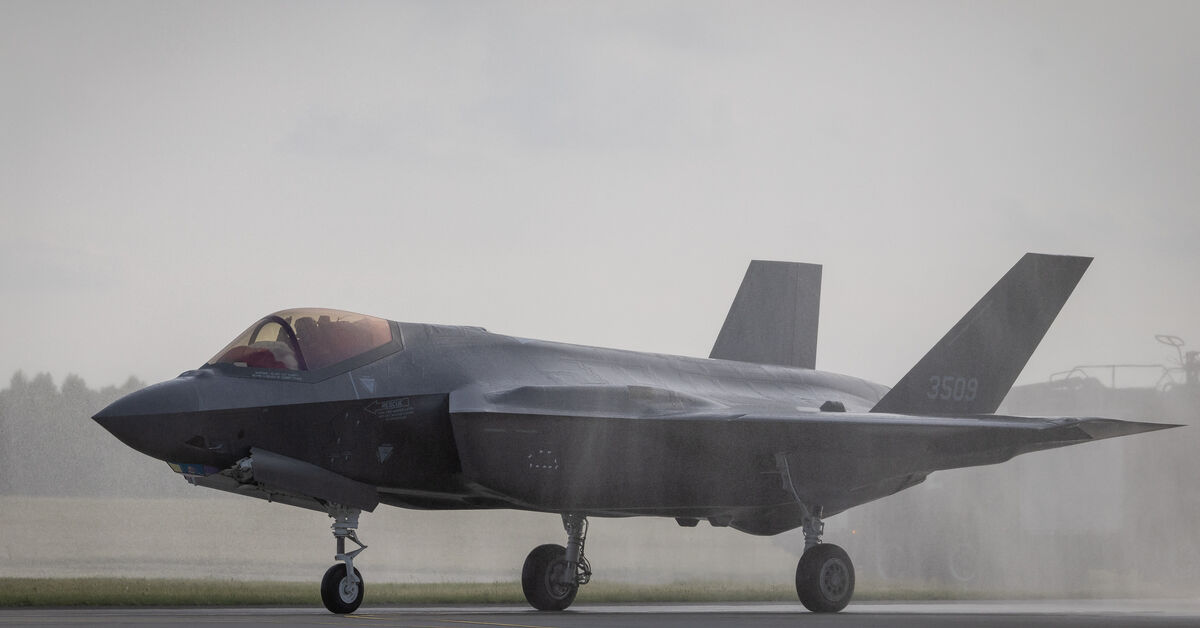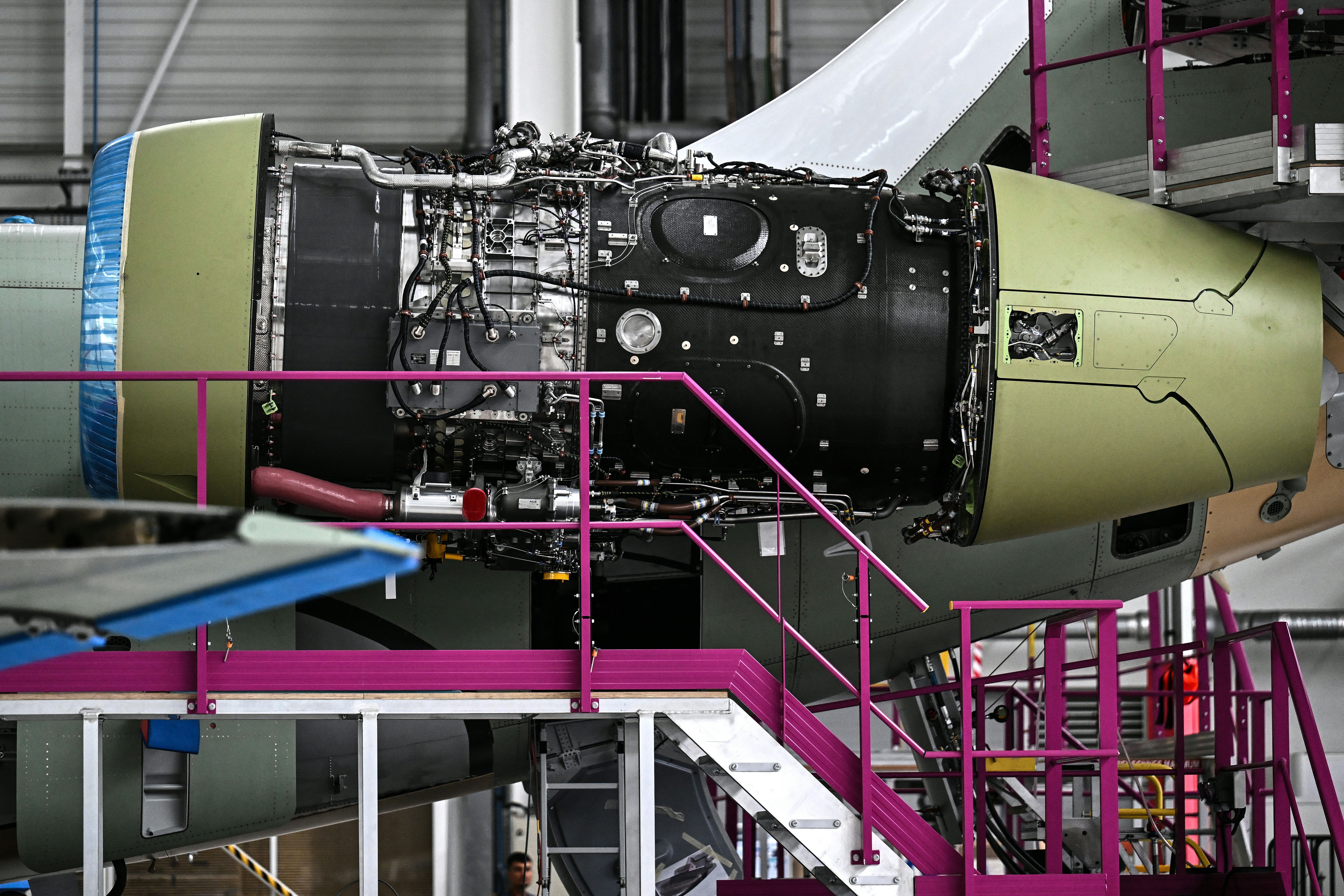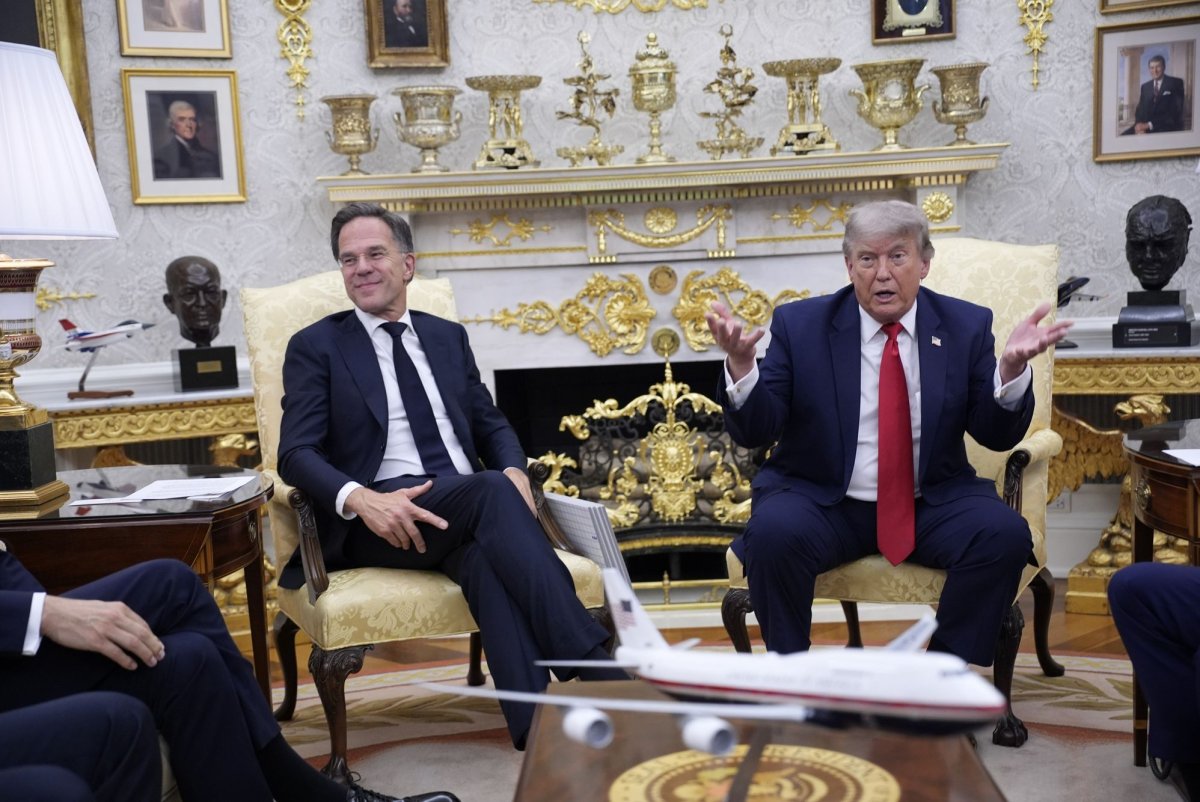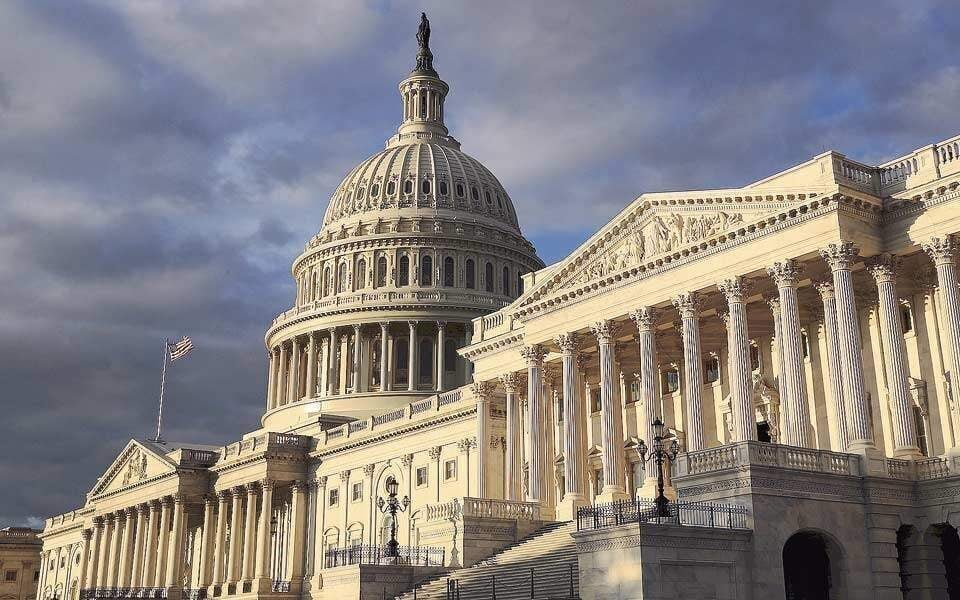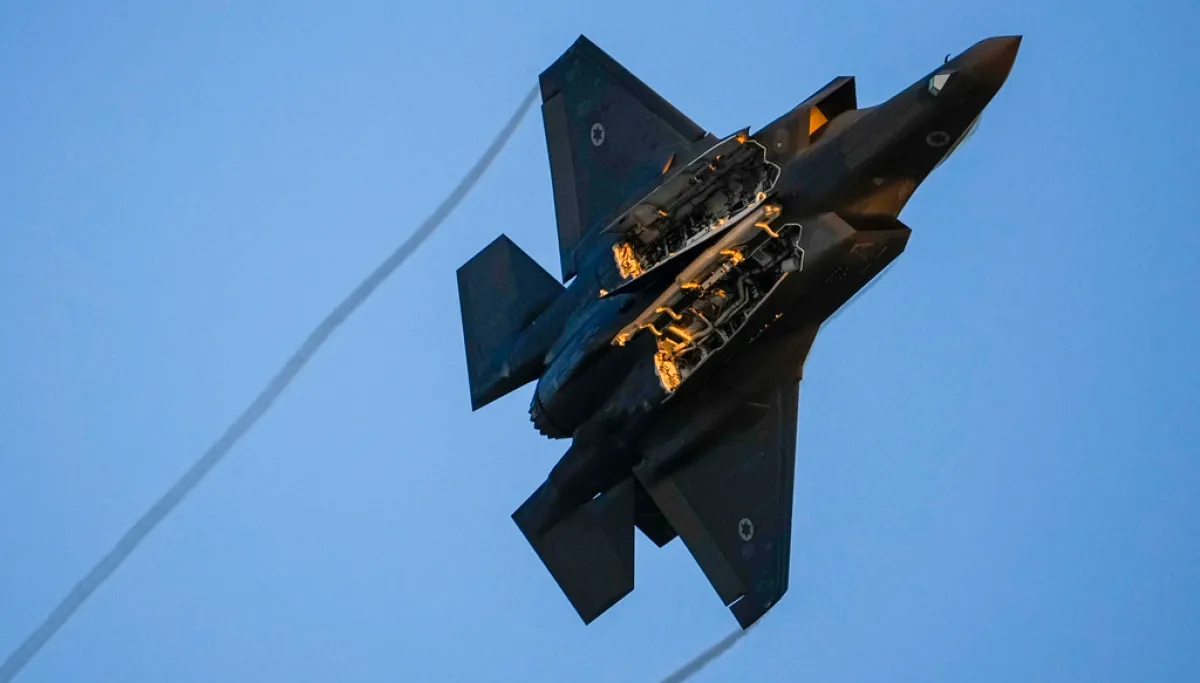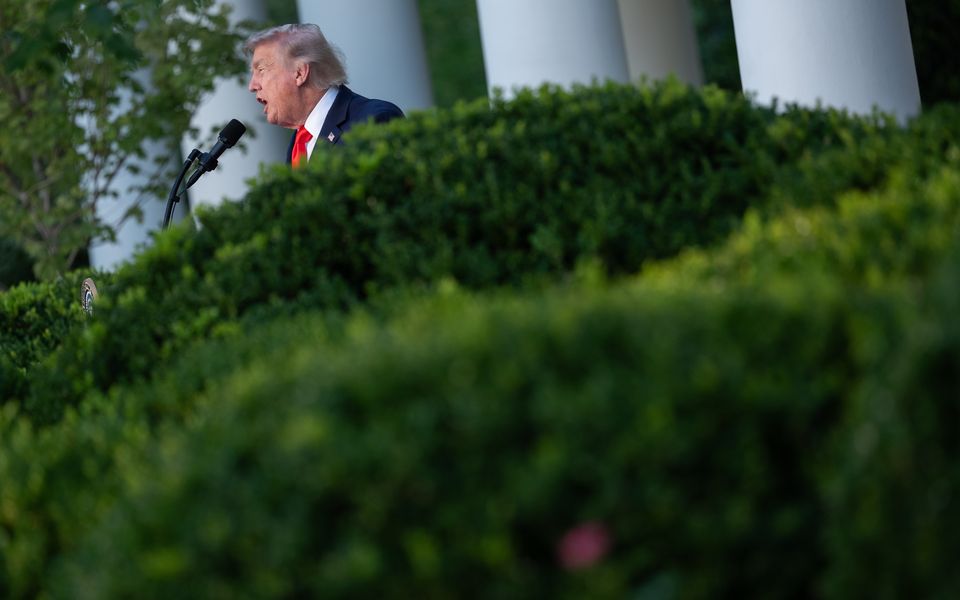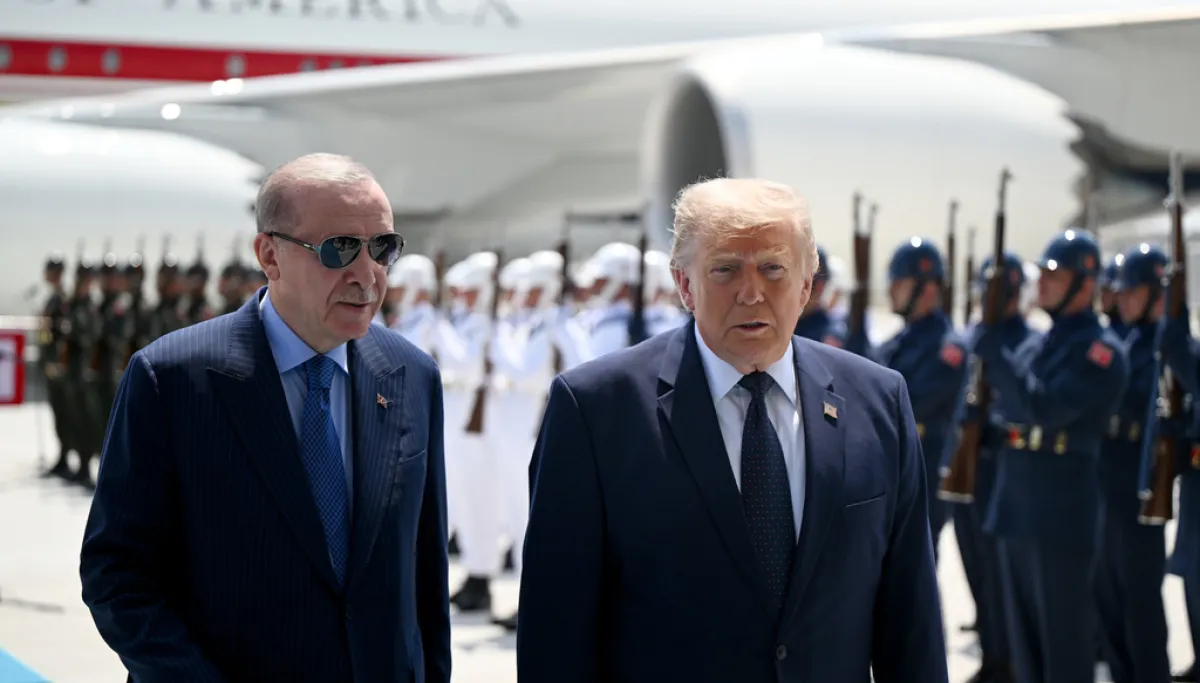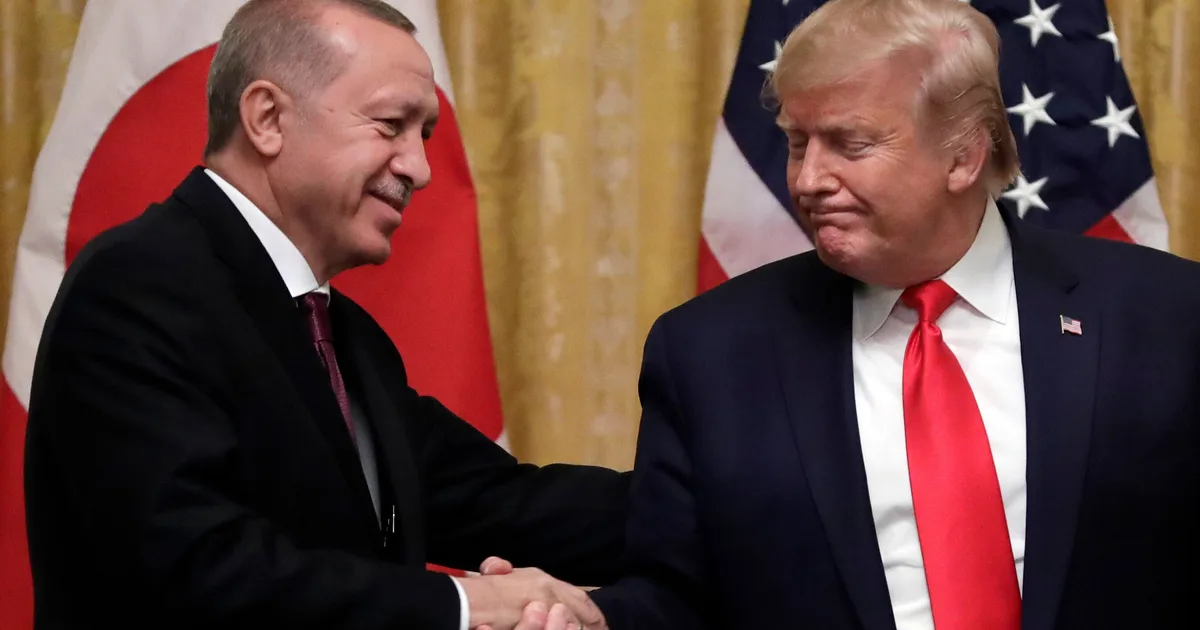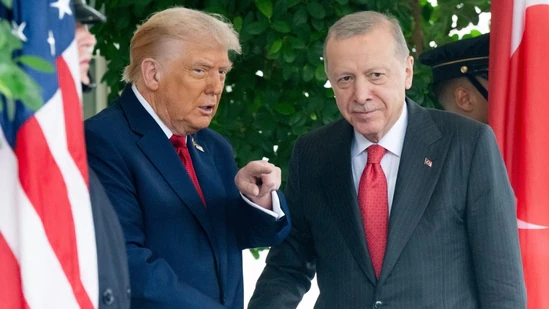
The Trump administration is in a standoff with a Democratic lawmaker who is blocking a proposed $750 million sale of jet engines to Turkey over concerns about the country’s ties to Russia.President Trump greeting Turkish President Recep Tayyip Erdogan at the White House in September.Rep. Gregory Meeks (D., N.Y.) is holding up the sale to Turkey—an important NATO ally that is hosting a summit meeting of the alliance next month—because the country continues to hold a Russian S-400 air-defense system that it bought roughly a decade ago.It is longstanding practice for the executive branch to secure the approval of key lawmakers to go ahead with such sales, though the administration could press ahead despite the hold, a person familiar with the matter said.The face-off at a sensitive time illustrates how Turkey’s purchase of the air-defense system continues to cloud its relations with the U.S. despite its important bases and role as a mediator in talks to end the wars in Iran and Ukraine. Critics worry the Russian system could gather key information on U.S. technology if used side by side, an issue that has also stymied Turkey’s attempts to buy advanced American F-35 fighters.A State Department spokesman declined to comment. The White House didn’t immediately respond to a request for comment.The disagreement comes as President Trump is expected to visit the Turkish capital Ankara in July for a summit of the North Atlantic Treaty Organization. It shows the limits of a recent thaw in Turkish-American ties resulting from a warm personal relationship between Trump and Turkish President Recep Tayyip Erdogan, who has lobbied the U.S. to lift limits on arms sales to Turkey.“That doesn’t necessarily always have the full trickle-down effect,” Alper Coskun, a former high-ranking Turkish diplomat who is now at the Carnegie Endowment for International Peace, said of the two leaders’ personal ties. “It’s more of a structural problem.”A spokesman for the Turkish Foreign Ministry didn’t reply to a request for comment.Turkey commands the second-largest army in NATO and plays an increasingly important role amid Trump’s friction with Europe.Turkey’s democracy has come under pressure as Erdogan has centralized power. But its growing defense industry has supplied weapons to Ukraine, and its government is viewed by some Western officials and analysts as a relatively steady security partner in the wider struggle with foes like Russia and Iran.During the war with Iran, Turkish leaders helped broker several rounds of ceasefire negotiations. NATO air defenses also detected and shot down Iranian ballistic missiles aimed at Turkey, including at a nuclear-armed U.S.-Turkish military base.In the arms sale at issue, the Trump administration asked congressional leaders to approve the sale of U.S.-made F-110 jet engines for future use in the KAAN fighter being developed by Turkey, U.S. officials familiar with the proposed sale said.Turkey already uses the engines in its fleet of F-16 jet fighters, the second largest in the world after the U.S. military’s, and produces components for the engines domestically as a part of a licensing program the U.S. has with a range of allies.Proponents of the sale said the holdup in Congress shows how negative views of Erdogan among some lawmakers are complicating other aspects of the security relationship with an important NATO ally.“We don’t ever talk about F-110 sales to, like, Denmark. It’s not controversial,” said Aaron Stein, president of the Foreign Policy Research Institute, an American think tank.Under a longstanding government procedure, the chair and ranking member of the House Foreign Affairs Committee and the Senate Foreign Relations Committee must sign off before the executive branch can proceed with a major foreign arms sale.This initial review usually takes place in secret before the State Department publicly notifies Congress of the intended sale. The sale of the jet engines is a so-called direct commercial sale in which U.S. companies can sell military equipment overseas with government permission, according to people familiar with the deal.Erdogan in 2017 decided to purchase the S-400 air-defense system from Russia, prompting the U.S. to impose sanctions on the Turkish government’s defense-industry agency and expel Turkey from the F-35 jet fighter program, cutting it out of America’s largest weapons program and spurring the Turkish government to further develop its own domestic defense industry.Erdogan has repeatedly urged the U.S. to readmit Turkey to the F-35 program, lift the sanctions and restore a full-fledged defense partnership. Trump last year said he was considering Turkey’s request.U.S. officials have conditioned the sale of the F-35 to Turkey and its readmission to the program on whether Turkey would get rid of the S-400. U.S. officials are concerned the S-400, one of the most advanced in the Russian air-defense array, could gather data about the F-35, including its radar signature, and send it to Moscow. The integration of the Russian system into NATO air defenses, along with the potential presence of Russian personnel, also raised concerns among Western defense officials.Congress passed a law in 2020 that explicitly barred the U.S. from allowing Turkey back into the F-35 program until Turkey agrees to remove all S-400 systems and commit to never acquire them or other Russian systems that could compromise the high-end U.S. jet fighter.Congressional officials view the administration’s push to sell the jet engines as an effort to overcome opposition in Congress to the sale of the F-35 to Turkey, according to people familiar with the matter.Tom Barrack, the Trump-appointed U.S. ambassador to Turkey who also plays a large role in shaping the administration’s approach to the Middle East, has been a proponent of breaking the impasse.Write to Jared Malsin at jared.malsin@wsj.com and Robbie Gramer at robbie.gramer@wsj.com
A Turkish Arms Sale Leads to a Face-Off Between Trump and Congress
The administration is expected to push for a rare override to get the deal through as the NATO summit in Ankara approaches. | World News
926 words~4 min read