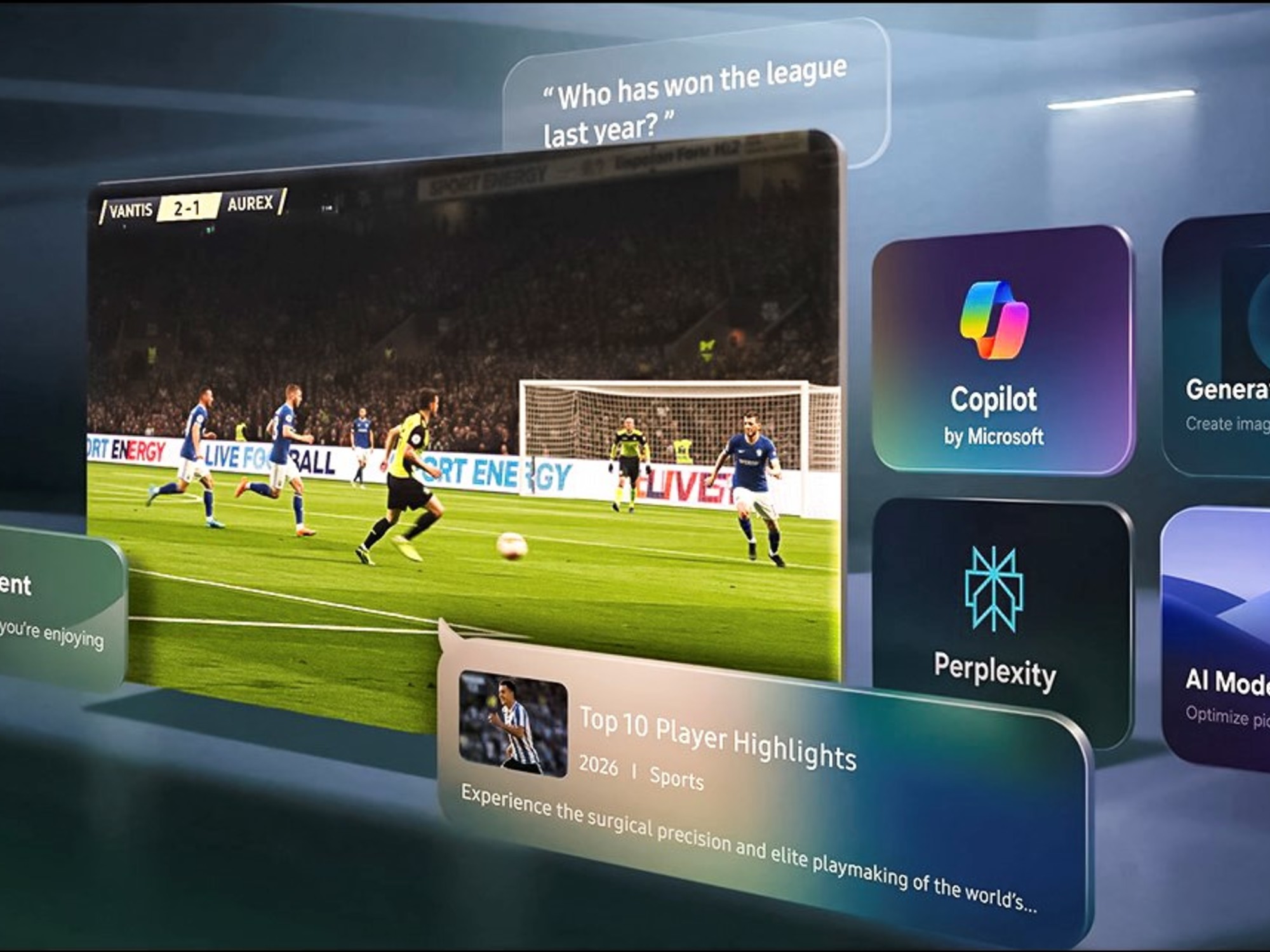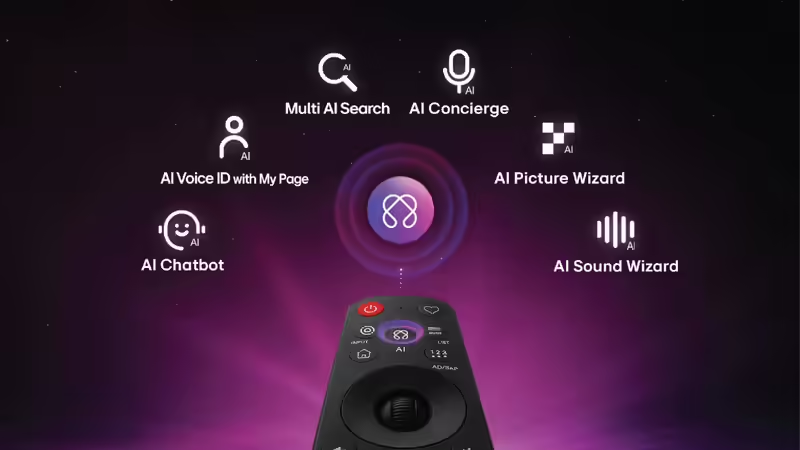
Artificial intelligence (AI) has quickly become one of the most talked-about technologies in consumer electronics. From smartphones and laptops to search engines and home appliances, AI is increasingly shaping how people interact with technology. Televisions are no exception. Yet despite the growing number of AI-powered TVs entering the market, many consumers still wonder what AI actually does inside a television and whether it genuinely improves the viewing experience.The answer goes beyond simple voice commands or content recommendations. Modern AI-powered TVs are designed to analyse what is being watched, optimise picture and sound settings in real time, personalise content discovery, and make navigation more intuitive. Rather than functioning as a standalone feature, AI increasingly acts as the intelligence layer that helps a TV adapt to individual users and their preferences.What is AI in a TV?In simple terms, AI in a television refers to the use of machine learning and intelligent processing to automate and enhance various aspects of the viewing experience.Unlike conventional smart TVs, which rely heavily on manual settings and fixed system rules, AI-powered TVs can analyse content, recognise patterns, and make adjustments dynamically. This can include improving picture quality based on the scene being displayed, adjusting sound output according to the content being played, or tailoring recommendations based on individual viewing habits.The goal is not to replace the viewer's control but to reduce the need for constant adjustments while delivering a more personalised experience. This shift is also changing how manufacturers approach TV innovation. Rather than focusing on a single feature, brands such as LG are integrating AI across multiple touchpoints of the viewing experience, creating televisions that can analyse, learn and respond in real time. AI Picture: Making every scene look its bestOne of the most visible applications of AI in modern televisions is picture optimisation.Traditionally, viewers had to manually adjust brightness, contrast, sharpness and colour settings to suit different content. Watching a live cricket match, a Hollywood blockbuster and a nature documentary often required entirely different picture preferences.AI-powered televisions are designed to simplify this process. By analysing content in real time, AI can identify the type of scene being displayed and optimise settings accordingly. This allows the television to enhance details, improve contrast and deliver more balanced colours without constant manual intervention.LG applies this concept through its AI Picture Pro technology, which uses intelligent processing to analyse content and optimise visual performance based on what is being watched. Whether viewers are streaming films, watching sports or gaming, the goal is to create a more immersive and consistent viewing experience.AI also plays an important role in upscaling. As not all content is produced in ultra-high resolution, intelligent processing can help refine lower-resolution content and present it with greater clarity on modern displays.AI Sound: Smarter audio for every type of contentPicture quality often receives the most attention when consumers shop for a television, but sound quality can be just as important to the overall experience.Different types of content place different demands on audio. Sports broadcasts require clear commentary, films benefit from cinematic depth, while dialogue-heavy programmes need speech to remain crisp and intelligible.AI-powered sound technologies help address these challenges by analysing audio signals in real time and adjusting output accordingly.LG's AI Sound Pro feature is designed to automatically optimise audio based on the content being played. Rather than relying on a single sound mode for every situation, the television can adapt its audio profile to create a more balanced and immersive listening experience.This type of intelligent audio processing helps reduce the need for manual adjustments while ensuring viewers can focus on the content rather than the settings menu.Why AI-powered search could change the way we find contentOne of the biggest challenges facing modern viewers is content overload.Between streaming platforms, live television channels and on-demand services, there is more content available than ever before. Yet finding something to watch often takes longer than expected.This is where AI-powered search is emerging as one of the most significant developments in television technology.Instead of relying solely on keyword-based searches, AI-enabled televisions are beginning to support more natural conversations. Users can ask questions in everydy language, request recommendations based on mood or genre, and receive more contextual responses.LG's Multi AI Search takes this concept further by integrating capabilities powered by Gemini and Microsoft Copilot. Rather than simply searching for titles, viewers can explore content, discover information and interact with their television in a more intuitive way.What is AI voice ID and why does it matter?Personalisation has become an expectation across digital services. Streaming platforms already recommend content based on viewing habits, while smartphones adapt to user preferences over time.Televisions are beginning to follow a similar path.AI Voice ID is designed to recognise individual users based on their voice. Once recognised, the television can tailor the experience to that specific person, helping surface relevant recommendations, preferred settings and personalised content suggestions.For households where multiple family members use the same television, this can create a more seamless experience by reducing the need to manually switch profiles.LG's implementation of AI Voice ID reflects a broader trend towards televisions that understand who is interacting with them and can respond more intelligently to individual preferences.AI agent and AI magic remote: Making TVs easier to useWhile picture quality and content discovery often dominate discussions around AI TVs, usability is becoming equally important.Consumers increasingly expect technology to feel intuitive. The best experiences are often those that require the least effort.AI Agents are designed to assist users through natural interactions, helping them access settings, discover content and navigate features more efficiently. Instead of searching through multiple menus, viewers can interact with the television in a more conversational manner.Similarly, LG's AI Magic Remote is designed to simplify how users interact with their TV. Combined with AI-powered features, it creates a more streamlined navigation experience that feels responsive and personalised.Together, these innovations demonstrate how AI is influencing not only what viewers watch but also how they interact with their televisions on a daily basis.AI TV vs traditional smart TV: What's the difference?While smart TVs and AI-powered TVs share many core features, there are important differences in how they operate.Traditional Smart TV AI-Powered TVFixed settings and presets Dynamic optimisation based on content Generic recommendations Personalised recommendations Keyword-based search Conversational AI searchManual adjustmentsAutomated picture and sound optimisationLimited user recognition Personalised user experiencesThe key distinction lies in adaptability. Traditional smart TVs provide access to content, while AI-powered TVs are increasingly designed to understand and respond to how that content is consumed.The future of AI-powered entertainmentArtificial intelligence is rapidly moving beyond standalone features and becoming an integral part of the television experience. As AI capabilities continue to evolve, viewers can expect smarter content discovery, more personalised recommendations, enhanced picture quality and increasingly intuitive interactions.The value of AI ultimately lies in convenience. It helps remove friction, automate routine tasks and create experiences that feel more tailored to individual users.Features such as AI Picture, AI Sound, Multi AI Search, AI Voice ID and AI Agents illustrate how televisions are becoming more responsive and intelligent. By integrating these capabilities across its latest TVs, LG offers a glimpse into how AI is shaping the future of home entertainment, not as a feature that sits in the background, but as a technology that actively enhances how people watch, search and interact with content every day.Disclaimer: This article has been produced on behalf of LG Electronics India by Times Internet’s Spotlight team.end of article
What does AI actually do on TV? Understanding the features behind smarter entertainment
Artificial intelligence (AI) has quickly become one of the most talked-about technologies in consumer electronics. From smartphones and laptops to search engines and home appliances, AI is increasingly shaping how people interact with technology. Televisions are no exception. Yet despite the growing number of AI-powered TVs entering the market, many consumers still wonder what AI actually does inside a television and whether it genuinely improves the viewing experience.The answer goes beyond simple voice commands or content recommendations.
1,230 words~6 min read