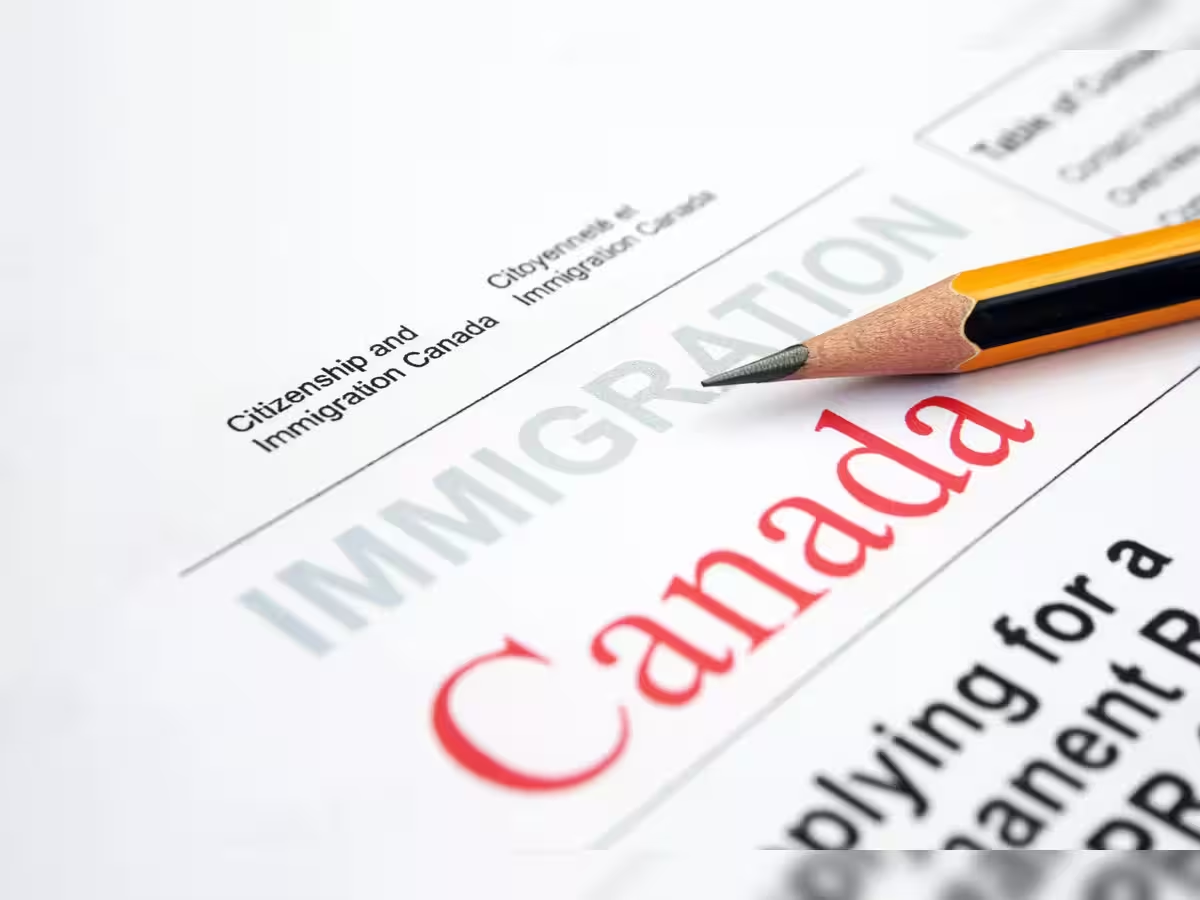
SynopsisCanada has tightened its immigration language test checks, implementing new verification procedures from June 23, 2026, to combat fraud. Immigration officers will now scrutinize applicant photos against test records and monitor for irregularities throughout the application process. A new escalation system directs suspected fraud to a dedicated unit, with confirmed misrepresentation leading to application refusal and removal of the option to retake tests.iStockCanada tightens scrutiny of language tests in immigration under new fraud-detection rulesCanada has introduced stricter checks on English and French language test results used in immigration applications, with new instructions issued on June 23, 2026, aimed at strengthening fraud detection, according to cic news.Under the updated guidance, immigration officers must now actively verify the authenticity of test results by cross-checking applicant photographs with test records, reviewing internal case notes, and monitoring “Info-Alerts” from testing providers for potential irregularities. These checks are required throughout the entire processing cycle, not just at a single stage.New fraud escalation system and stricter consequencesThe reforms also introduce a more formal escalation system. Any suspected fraud must be referred to the Tips and Reports Management Unit (TMRU), a dedicated fraud investigation body. If misrepresentation is confirmed, applications can be refused under Canada’s existing fraud provisions, subject to procedural fairness rules.Also Read: Canada updates police clearance requirements for International Experience Canada work permit applicantsThe updated rules remove an earlier option that allowed applicants to retake language tests under supervision if concerns arose, signalling a tougher, less flexible stance once doubts are triggered.Why language proficiency remains central to immigrationLanguage proficiency remains central to Canada’s immigration system, especially under Express Entry, where scores are converted into Canadian Language Benchmarks (CLB) or Niveaux de compétence linguistique canadiens (NCLC) and significantly influence ranking outcomes.Also Read: Canada changes evidence requirements for citizenship-by-descent applicantsApproved tests include IELTS, CELPIP, and PTE Core for English, and TEF and TCF for French. (Join our ETNRI WhatsApp channel for all the latest updates)...moreElevate your knowledge and leadership skills at a cost cheaper than your daily tea.Subscribe Now
Canada tightens scrutiny of language tests in immigration under new fraud-detection rules - The Economic Times
Canada has tightened its immigration language test checks, implementing new verification procedures from June 23, 2026, to combat fraud. Immigration officers will now scrutinize applicant photos against test records and monitor for irregularities throughout the application process. A new escalation system directs suspected fraud to a dedicated unit, with confirmed misrepresentation leading to application refusal and removal of the option to retake tests.
332 words~2 min read