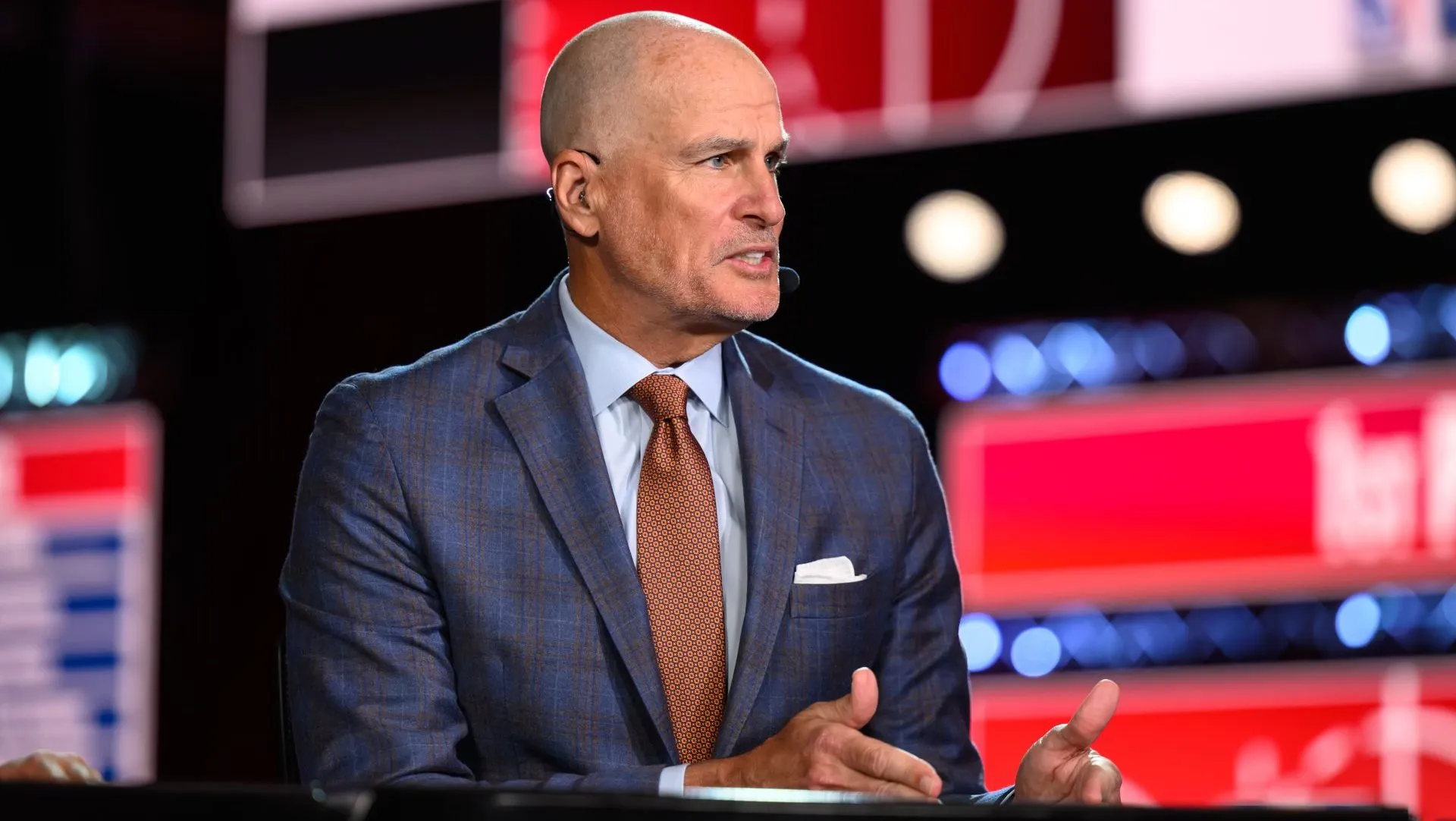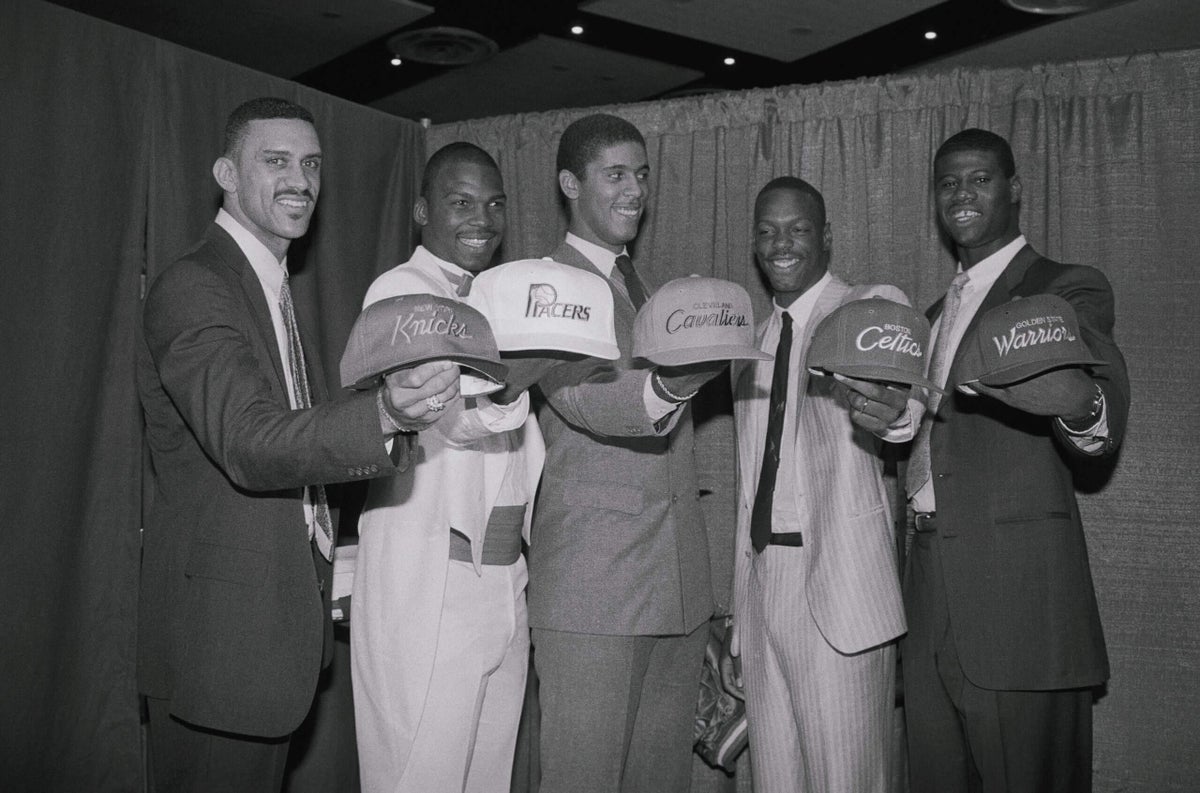
The 1986 NBA Draft was held on June 17, but it’s what happened two days later that defined one of the league’s deepest draft classes.Maryland forward Len Bias, taken with the No. 2 pick by the Boston Celtics, died as a result of a cocaine overdose. Bias was supposed to be the Boston Celtics’ bridge from Larry Bird to another generation of dominance. Instead, he became the first of four top-seven picks whose careers would be derailed by substance abuse.Beyond the tragedies and injuries that altered several careers, the 1986 class had a mass of talent and impact. It produced Hall of Famers and All-Stars and others who made their marks overseas. Some players set records, and others became coaches and team executives. But four decades later, the class continues to stand above most as an example of how potential can go unfulfilled.“Obviously, there were success stories as there are in most any drafts, because there were a lot of great players that year,” said ESPN college basketball analyst Jay Bilas, a fifth-round pick out of Duke by the Dallas Mavericks in 1986. “I think, though, it was a lot of unrealized potential.”The class was stacked with talent from the ACC and Big East, the two premier conferences at the time. It also featured potential stars from smaller conferences and players who had the chance to make an impact.The centers in the class were seen as potential franchise cornerstones at a time when teams favored a dominant big man to build around. There were also athletic wings and guards who were highly touted. But despite the success of many of the players — 68 of the 162 players selected during seven rounds played in an NBA game — Bias’ shocking death, and how it changed the Celtics’ future and the NBA, is what the draft year is most associated with.Bias, a two-time ACC Player of the Year, is the only No. 2 pick to never play in the NBA. The 6-foot-8 forward was supposed to help maintain the Celtics’ contender status after 1986. They won the NBA title a week and a half before the draft but wouldn’t win again until 2008.“I don’t know anybody that played against Bias that didn’t believe he was going to be an all-time great NBA,” Bilas said. “I think he, had he lived, would have been a direct counterpart to Michael Jordan. He would have been the face of the Boston franchise after the Bird-McHale-Parish years.”Harold Pressley, out of Villanova, was the 17th pick by the Sacramento Kings and thought Bias “was going to be something special.”“(It was) his ability to play the game hard and his athletic ability and his determination,” Pressley said. “I had the unfortunate pleasure of playing against him twice that year (in ’85). After one game, I thought, ‘What the heck am I going to do with this guy if I ever see him again?’”That’s not to say there weren’t other first-rounders who went on to have good careers. Chuck Person, the No. 4 pick, was the eventual NBA Rookie of the Year and one of the league’s best shooters during his 13-year career. Ron Harper, the eighth pick in the draft, won five NBA titles: three with Michael Jordan and the Chicago Bulls and two more with Kobe Bryant, Shaquille O’Neal and the Los Angeles Lakers.Dell Curry (15th), Johnny Dawkins (10th), John Salley (11th), Buck Johnson (20th), Scott Skiles (22nd) and Arvydas Sabonis (24th) were other notable first-round selections. Skiles still holds the single-game NBA record for assists with 30. And the No. 1 pick, Brad Daugherty, made five All-Star teams in eight years before back problems forced his retirement.
The 1986 NBA Draft: Talent, infamy and ‘unrealized potential,’ 40 years later
Four decades later, some still believe that class could've been among the greatest ever.
1,744 words~8 min read