Two big things are true about the 2026 NBA Draft:
There hasn’t been as much excitement leading up to a draft in several years
There hasn’t been as little excitement during the draft itself in several years.
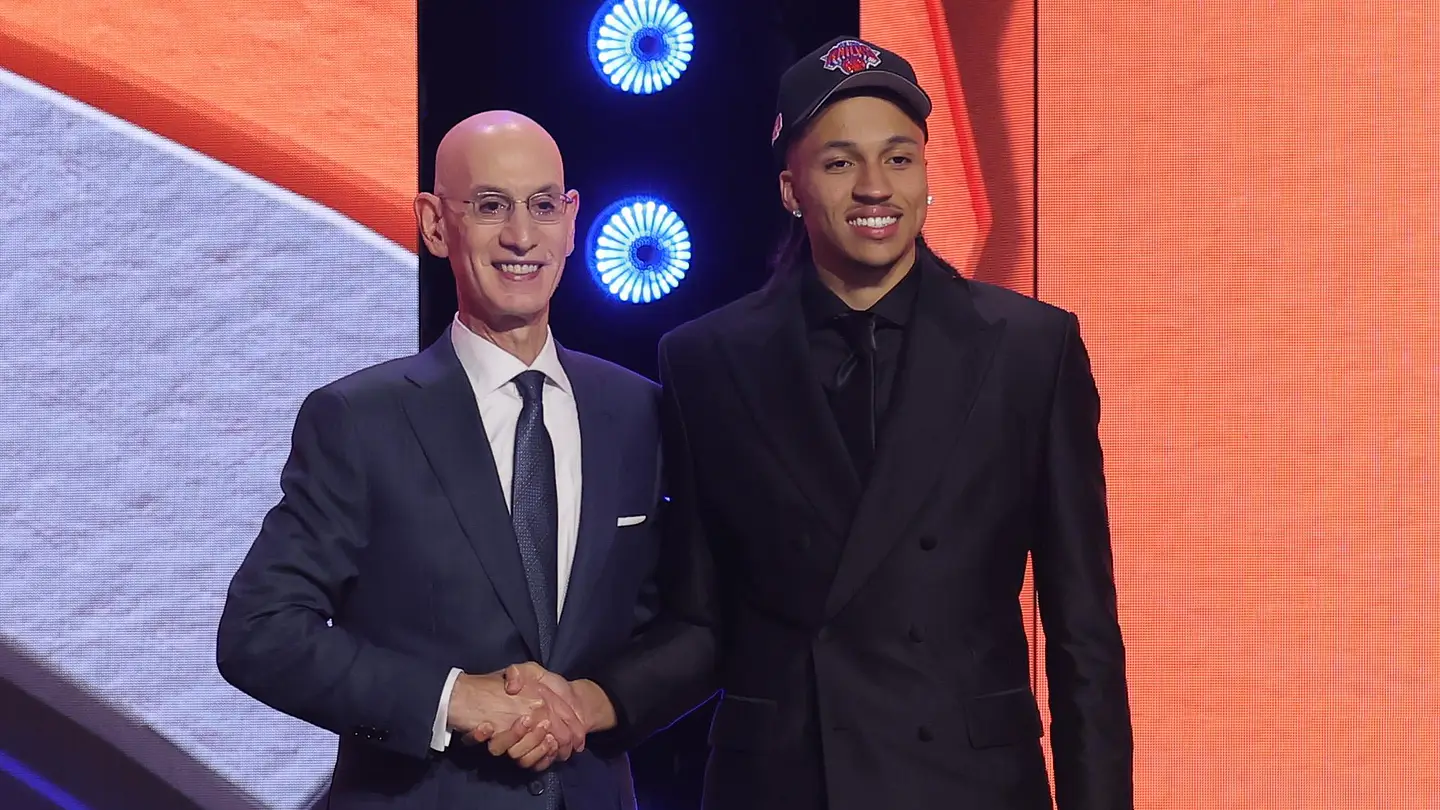
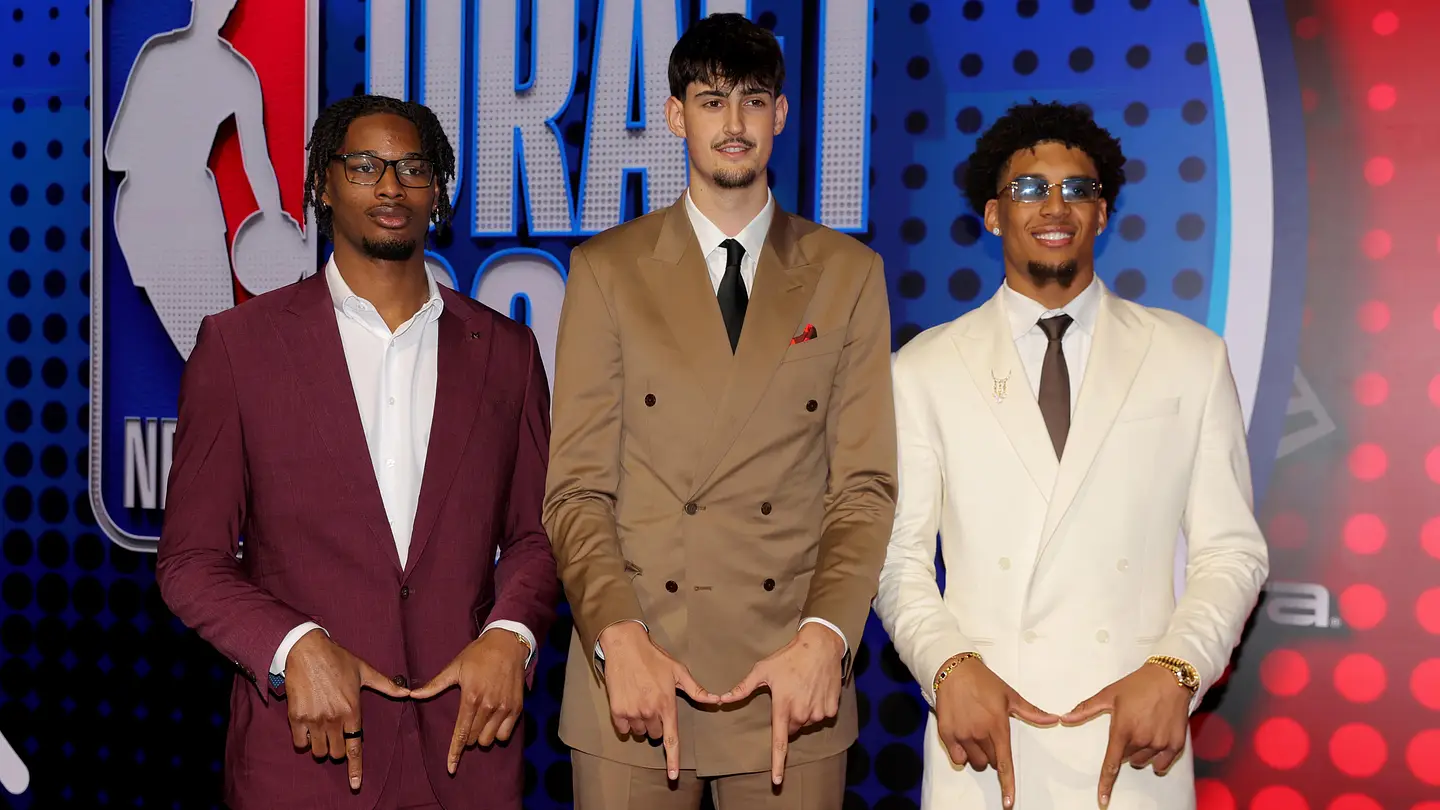
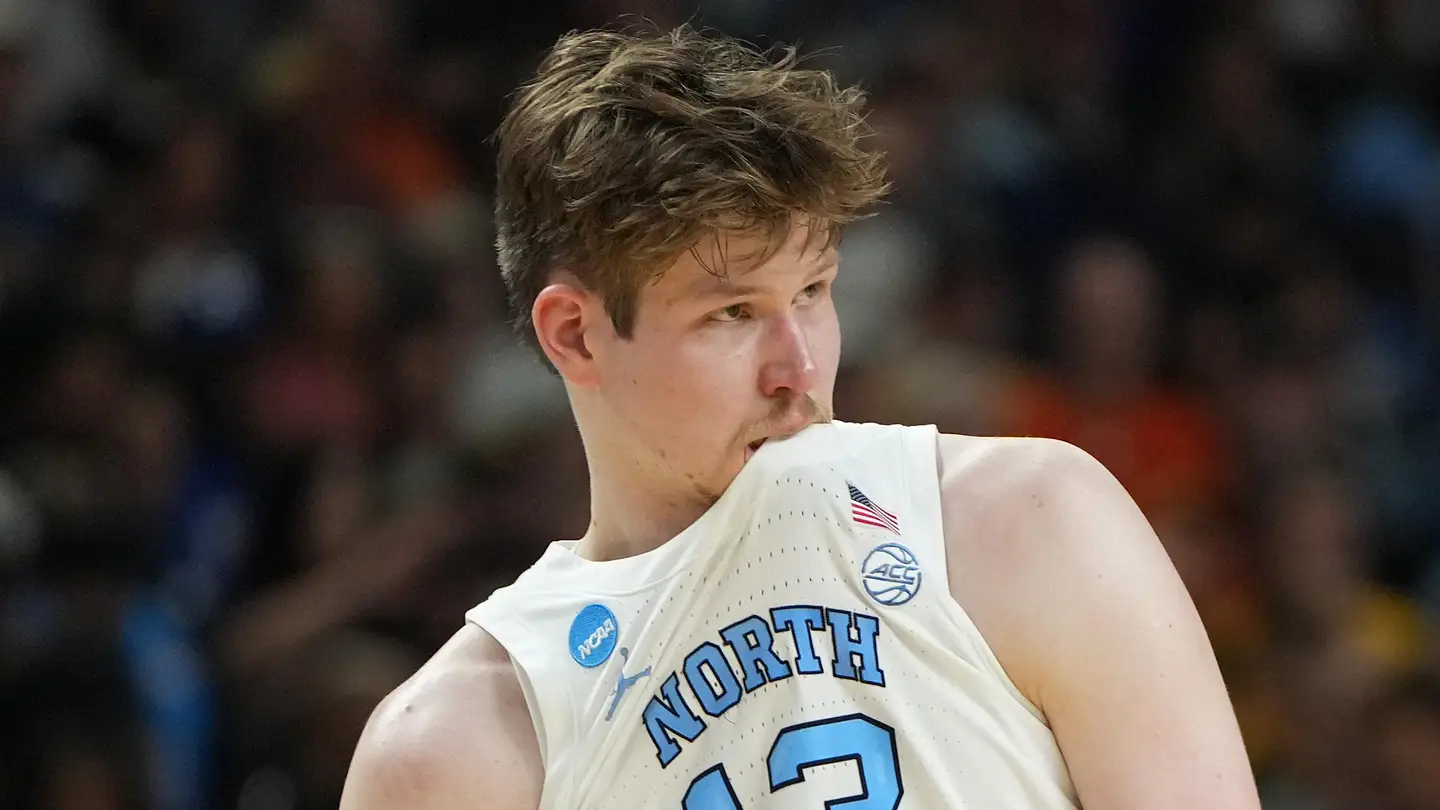
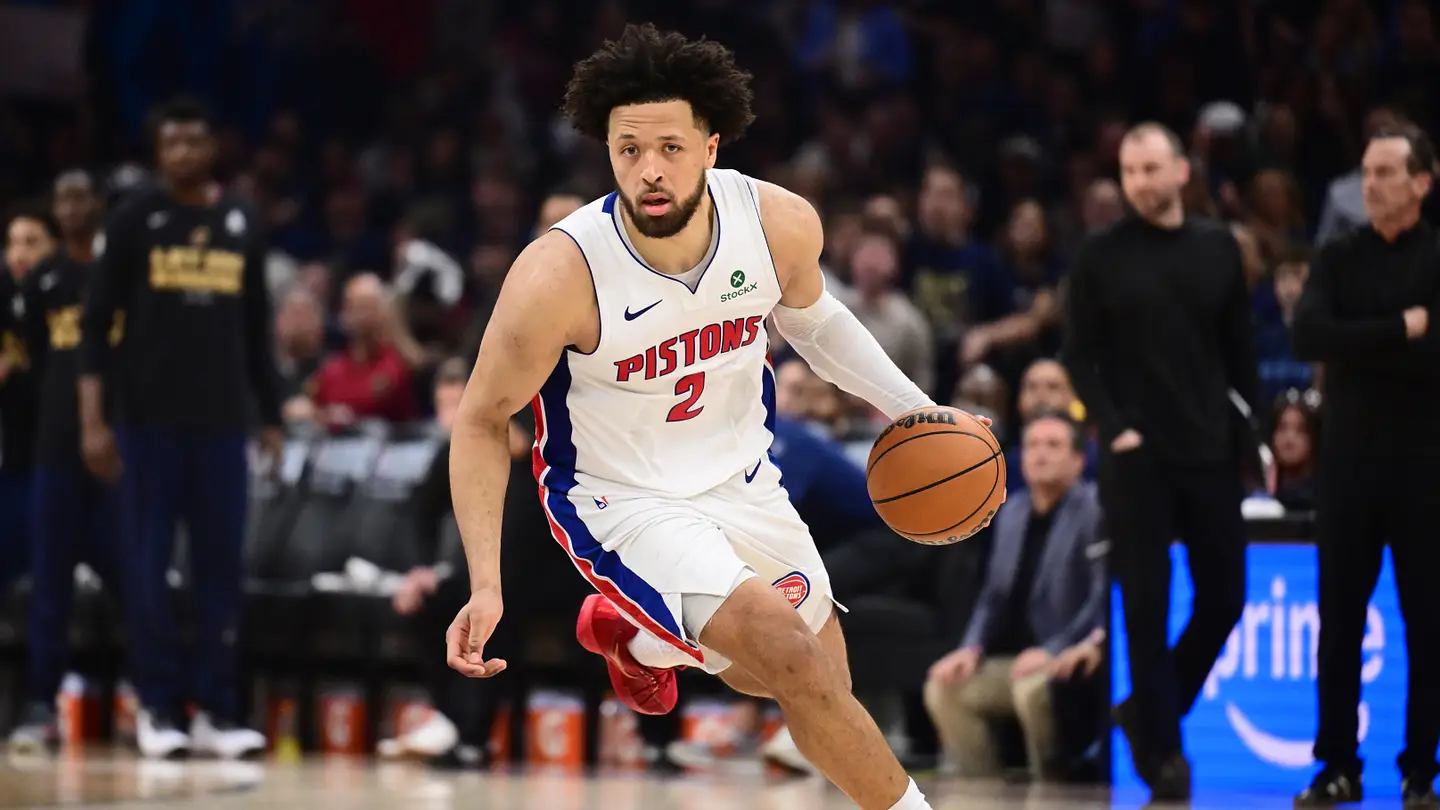
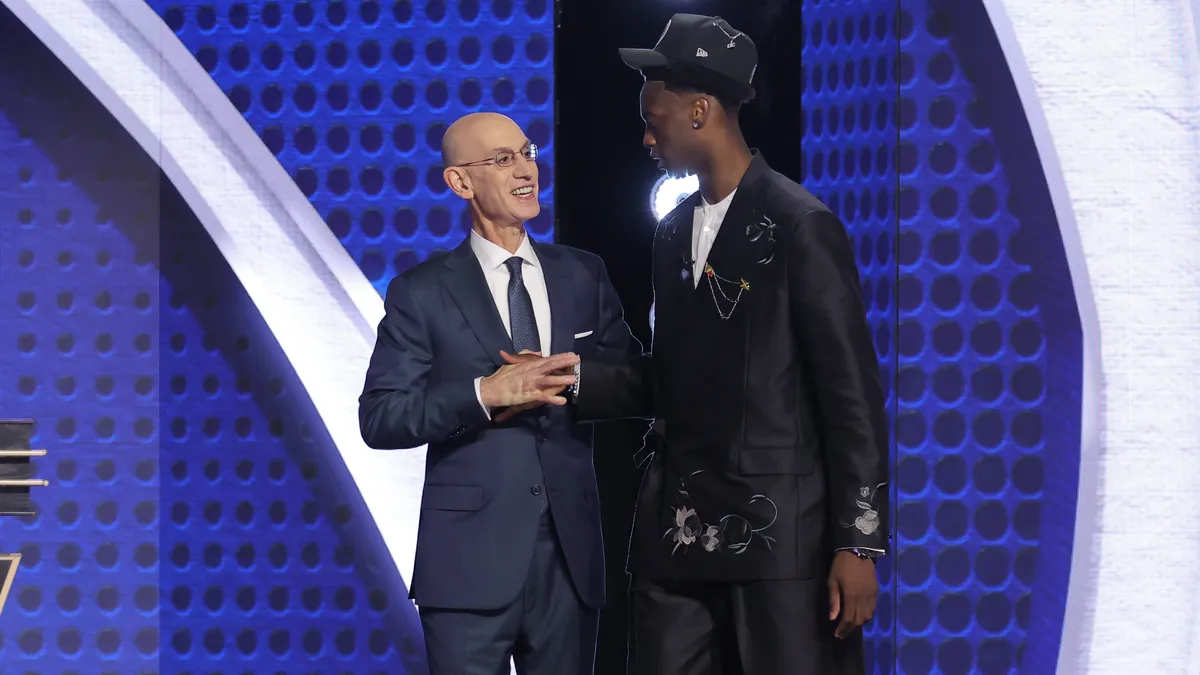
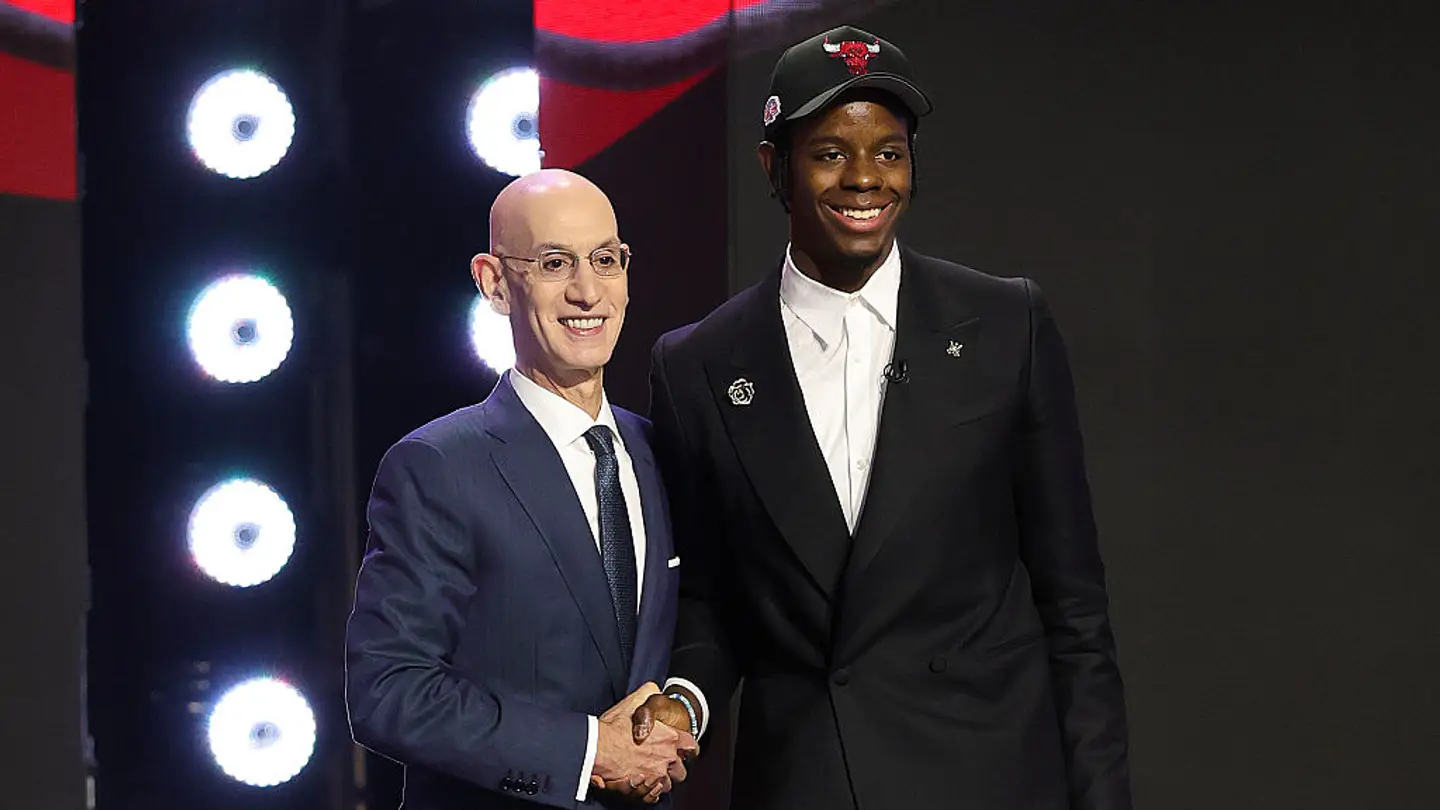
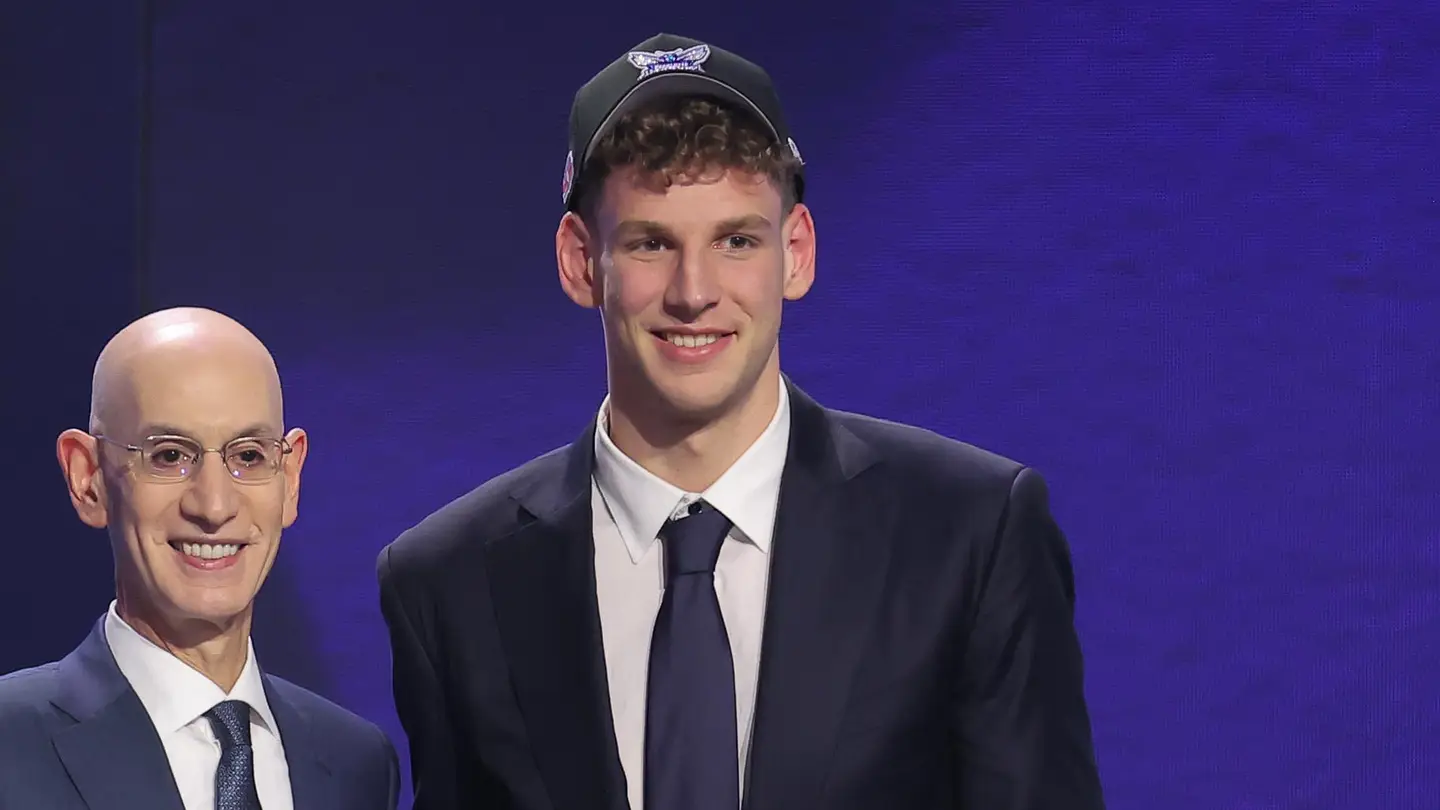
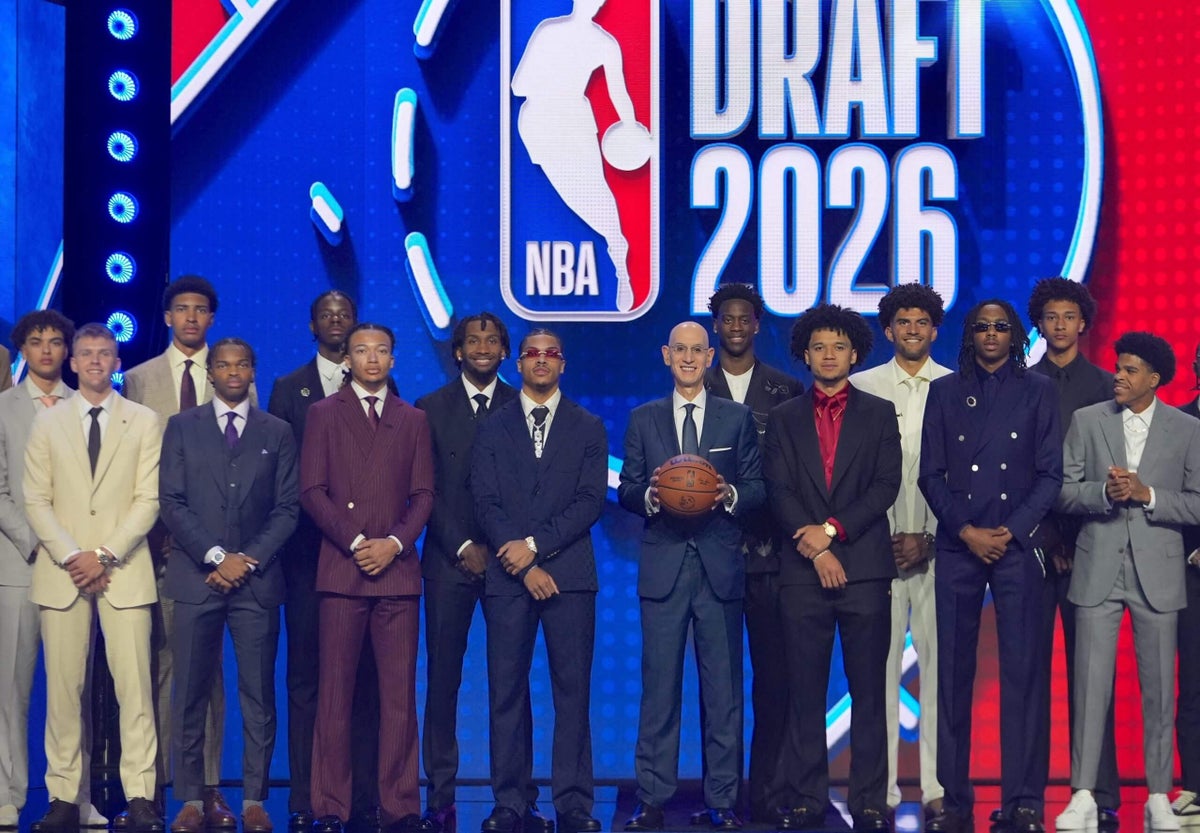
Holy chalk-amoley. At times, it seemed everyone was working off the same draft board; the first eight picks were exactly what everyone expected, the first 22 players picked were in literally every single public-facing draft analyst’s top 25 and, by the middle of the second round, 40 of my top 43 players had been selected.Meanwhile, none of the top 15 picks were traded, nobody jumped in with an outrageous selection of a guy 30 picks ahead of his projected spot, and even the picks in the 50s were relatively orderly. The biggest drama of the second night was that North Carolina center Henri Veesaar, projected to go in the late 20s, slid to pick 52.Nonetheless, we still had our notable moments of interest, especially since matters outside the draft were still taking place around the same time: Contract extensions, a player trade in the middle of the draft, and even an exciting after-party of LaMelo Ball rumors.How excited is AJ Dybantsa about being the number 1 pick?Josh Robbins and Jeshua KiddDown the road, everyone will look back on this draft will focus on the top four picks, because they were in their own talent tier. Even if none become Wemby-esque superstars, odds are that AJ Dybantsa, Darryn Peterson, Cam Boozer and Caleb Wilson will all become one of the two best players on a playoff-caliber team. Peterson has perhaps the most suspicious case to me (I ranked him fourth), but he also enters the best situation: a Utah Jazz roster ready-made to plug in his skill set as a scorer and floor spacer.After that, the next 18 players all have a decent-to-good chance of developing into at least plus-rotation players, if not long-term starters. The draft didn’t really soften up until the mid-20s, but then it went downhill fast. Contending teams bailed on late first-round salaries to try to manage the tax aprons, and, as ever, picks in the second round changed hands so much you could barely keep up. Toronto’s pick at 50 (Arizona guard Jaden Bradley) was the only one used by its original owner.Let’s tackle the best, worst and weirdest from an unusually orderly 48 hours:NBA Draft 2026: Winners and Losers from Round 1Zach Harper and CJ MooreWeirdest consecutive trades: Detroit and MemphisDetroit traded three second-round picks to Memphis on Tuesday to move up from No. 21 to No. 17 and select guard Ebuka Okorie. And then, just 24 hours later, Memphis gave those same picks right back to Detroit to acquire rugged big man Isaiah Stewart. I can’t ever remember a sequence of transactions like this where the same two teams traded assets to one side, and then traded them right back.The nature of this trade obviously opens suspicion to what else Detroit might have up its sleeve. The Pistons had no particularly urgent need to trade Stewart and the return on the deal wasn’t overwhelming … unless they needed to move salary to facilitate a larger trade. Detroit has been rumored to have eyes for Milwaukee’s recently acquired Tyler Herro, for instance, and the rumors of Jaylen Brown’s availability may also have got their attention.The Pistons have two pathways to player acquisition, either by using Stewarts’s outbound $15 million as part of their matching salary (the deal with Memphis likely won’t be completely until July and can be looped into a larger trade), or by generating cap space from dumping this and other contract (the Pistons have $24 million in room right now and could fairly painlessly generate $14 million more by offloading Caris LeVert).While we wait for the other shoe to drop, the deal bizarrely nets out as Detroit trading Stewart to move up just four spots in the draft. As for Memphis, the Grizzlies can either take Stewart into their non-taxpayer midlevel exception or into a $28.9 million trade exception for Jaren Jackson Jr.; which one they choose likely depends on how these next two weeks play out.Most problematic contract for a No. 1 pick: Trae Young’s dealDybantsa moves into a good situation in some ways: The Wizards have two strong defensive big men behind him in Anthony Davis and Alex Sarr, and he’s playing with an elite passer in Trae Young.But the one thing now hanging over Washington is Young’s new contract, a four-year, $212 million pact agreed to days before the draft that left most observers shocked. Young’s average salary on the deal is $53 million per annum, paying him max money through his age 31 season.In contrast, Atlanta was so loath to pay him nearly that amount for one season that the Hawks essentially traded him for expiring money and no picks, presumably because they couldn’t find a better offer anyplace else. The deal by Washington looks unfavorable enough that the fact he also got a player option is hardly even a concern; the risk of him outrunning the contract and hitting free agency seems negligible.The particular problem with giving Young a fourth year at this number, aside from the dramatic overpay, is that it also clogs the cap in the best year for a team with a talented young player to make a move: between his third and fourth season. That’s the sweet spot before the player’s likely max extension hits the cap (Dybantsa will make just $17 million in 2029-30) and the team has the wherewithal to absorb a star contract. That liquidity may now be soaked up by Young’s money.Obvious questions come to mind here. Who were the Wizards bidding against here? If another team was actually dangling the max for him, at what point are you better off just letting him go? Was this something they tacitly agreed to when acquiring Young (and then shutting him down) last winter? At any rate, this contract is likely to hang over Dybantsa’s rookie contract in D.C.Best value award: Atlanta and MemphisI think a lot of teams made out very well from this draft, just because of the sheer talent, but in terms of value for where they picked, I thought Atlanta and Memphis did the best.The Grizzlies, of course, nabbed my top ranked player with the third pick in Cam Boozer, so right away they’re off to a great start. But it was the middle of the first round where they really shined, getting Stewart from Detroit, plucking two seconds from Oklahoma City just to drop a single spot from 16 to 17, and still grabbing my 12th-ranked prospect, Mexican forward Karim Lopez, with the No. 21 pick. Memphis also took a shot on Richie Saunders, a good player rehabbing a torn ACL, with pick 32, and presumably will slot him into a two-way contract while he rehabs — a necessary move given how crowded the Grizzlies’ roster looks.As for Atlanta, the Hawks needed a true point guard and, of the eight selected between picks 5 and 22, got the highest-rated one on my board in Kingston Flemings, a turbo-booster penetrator with excellent court vision and instincts. Later, they took St. John forward Zuby Ejiofor at 23, an undersized but highly impactful college player who could play rotation minutes right away at backup 4 and 5.And finally, they solved the mystery of the biggest slider of the night by trading up with cash from No. 57 to select North Carolina stretch five Henri Veesaar at No. 52. Veesaar needs to fill out physically and improve his stamina, but he has inside-outside potential as a stretch big who can also score in the paint.Best second-round pick: Isaiah Evans to MinnesotaI like the second-round picks by Atlanta and Memphis, above, but if I had to pick one second-rounder to stick with his new team it would be Evans, a skinny sharpshooter who showed strong improvement in his second season at Duke that Minnesota picked 33rd. The Wolves moved their highest pick in this draft from No. 28 to No. 33 in the Julius Randle trade earlier in the week, partly as a means to roughly halve the salary they would owe for that roster spot — sub-apron breathing room that may now be needed for their sudden pursuit of LaMelo Ball.But even in the absence of salary dynamics, this was nice work by Minnesota to land Evans so late. The Wolves have a paucity of shooting around Anthony Edwards, especially with Donte DiVincenzo likely to miss the season, and Evans won’t cure it by himself. But adding a guy who launched 16.4 times per 100 possessions and made 84.9 percent career from the line seems like a solid way to make up some of that missing volume from DiVincenzo.Worst trend: Chicago selling picksIt’s a new day in the Chicago front office, but alas, it’s the same owner. Chicago, despite being in the early stages of a rebuild, sold not one but two second-round picks on Wednesday, rather than trading them for future draft capital or, you know, actually selecting a player.The Bulls technically traded the 38th pick for a package that included Kam Jones, two future second-round pick swaps and cash. But c’mon, you can’t fool me with that — second-round pick swaps are near-worthless and the Pacers were likely cutting Jones and his partially guaranteed contract. Y’all sold the pick.Chicago also sold the 56th pick to the Lakers, who then bizarrely turned and sold the pick again to Dallas. House-flipping, NBA style? Personally I wasn’t a fan of the shiplap cabinetry they added, but I hope they turned a profit.Best fit: Yaxel Lendeborg in Golden StateSpread the word: The Warriors have somebody who can dunk! No, seriously! Lendeborg gives the Warriors a lot of what they’ve missing the last few years: A huge forward with athletic juice who can grab-and-go off the glass, make decisions on the move in transition, and guard multiple positions very effectively.While he’s an older player, he was arguably the best player in college basketball last season and should be able to start right away. He’ll immediately be the best defender on the team not named Draymond and likely will check every opponents’ best wing … if he’s not playing as a switching small-ball 5, something he also does extremely well.Lendeborg being 24 when camp opens rightly scared away some of the rebuilding teams picking ahead of Golden State, especially in concert with his iffy outside shot. But at pick No. 11, with the truly elite talent off the board, this was a home run for the Warriors. Some will note that the history of older lottery picks isn’t great, but that history all pre-dated NIL; for instance, Lendeborg would have been a late first-rounder out of UAB in 2025 if not for Michigan coming with a giant bag last spring. He is exactly what this team needs.Yaxel Lendeborg is one of the best high-leverage role player bets in the 2026 NBA DraftSam VecenieStrangest reach: Dallas’s Morez Johnson pickIt was an orderly lottery on Tuesday, with one exception: The Mavs reaching for Michigan big man Morez Johnson Jr. with the ninth pick. I like Johnson and think he’ll have a nice career, but I had him several spots lower on my board.As part of its ongoing project to give Cooper Flagg as little floor space as possible, Dallas passed on a talented guard (Brayden Burries, whom Milwaukee giddily snagged with the next pick) to cram Johnson into a crowded frontcourt littered with fours and fives, while Kyrie Irving and Max Christie are basically the only rotation-caliber guards on the roster.Obviously, one wonders how much influence newly hired coach Dusty May had on this pick; although his hiring only became official the day before the draft, he came from Michigan, where Johnson played last season. (As did fellow lottery picks Yaxel Lendeborg and Aday Mara.)This wasn’t quite New Orleans trading a potential No. 1 pick for Derik Queen or Toronto taking Bruno Caboclo, but it was the biggest record scratch in this year’s first round. While we’re here: Give Dallas credit for a shrewd move later in the first round, moving up to grab the wildly underrated Sergio De Larrea at No. 25.Most ganz ausgezeichnet draft: CharlotteOnly two players with German passports were realistic prospects in this draft cycle, and somehow the Hornets picked both of them. At 14, Charlotte selected Washington big man Hannes Steinbach, a glass-crasher from Wurzburg, Germany. (Also the hometown of one other German basketball legend. No, not Maxi Kleber, the other one.)And then, just four picks later, Charlotte picked sharpshooting guard Christian Anderson Jr. from Texas Tech. While Anderson grew up in the Atlanta area, he also has a German passport and played with Steinbach on Germany’s gold-medal winning Euro U-18 team in 2024.Will it add up to a fairy-tale pairing for the Hannes-Christian Anderson duo? (Editor: Sorry.) Or is their outlook at his level more Grimm? (Editor: Again, apologies. We have spoken to John about this on numerous occasions.)The two rookies are likely to play together quite a bit on Charlotte second units, and it will be interesting to see how much synergy they can carry over from their international experience together. No matter what, the four Charlotte-Orlando games on the schedule are now appointment viewing in Berlin.Most puzzling trend: The Spurs chasing centersDid San Antonio need more size? The Spurs walked away from the first round with not one but two centers, even though they already employ the best center in the league and have a fairly capable backup signed for the next three seasons.Nonetheless, the Spurs drafted Jayden Quaintance with the 20th pick — a medical case who may not play much this season while he rehabs a torn ACL from his 2024-25 season at Arizona State — and then jumped back into the back of the first round to nab UConn big man Tarris Reed Jr. at No. 26. Reed seems almost like insurance for Quaintance, which seems fairly expensive insurance versus just signing a vet to the minimum.Regardless, it hints at another possibility: That the Spurs may see Victor Wembanyama’s best use as a stretch big playing next to another imposing big man. Quaintance, in particular, is potentially a monster on defense, and uniting him with Wembanyama might make this team virtually impenetrable.The argument has been that San Antonio needs quality forwards with size, but you can hardly do better on the “quality” and “size” fronts than with Wemby himself. On the other hand, units with Wembanyama and Luke Kornet together didn’t exactly cook this year, and the Spurs pivoted away from them as last season went on.We’ll get more hints about the Spurs’ feelings as we go through this transaction cycle, especially with San Antonio still having nearly $50 million in wiggle room below the tax line. But on a sleepy draft night for teams in the contender class, this was by far the most noteworthy development.