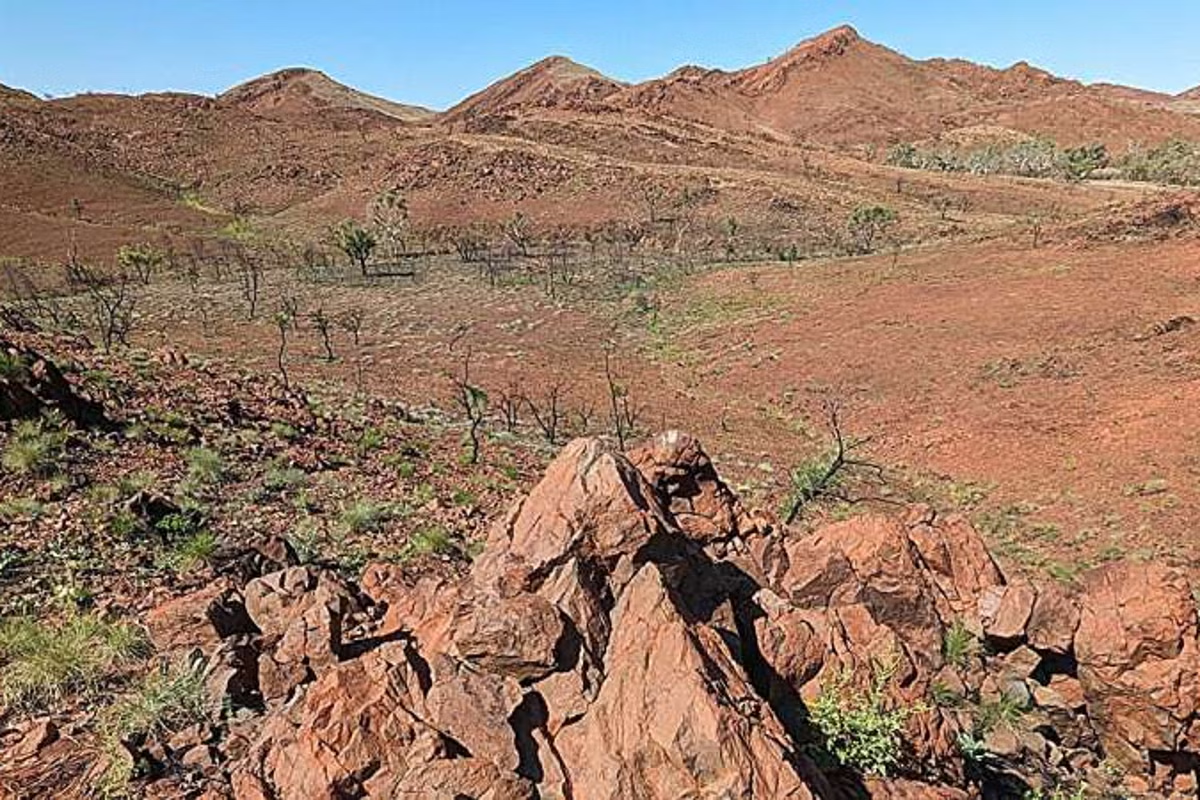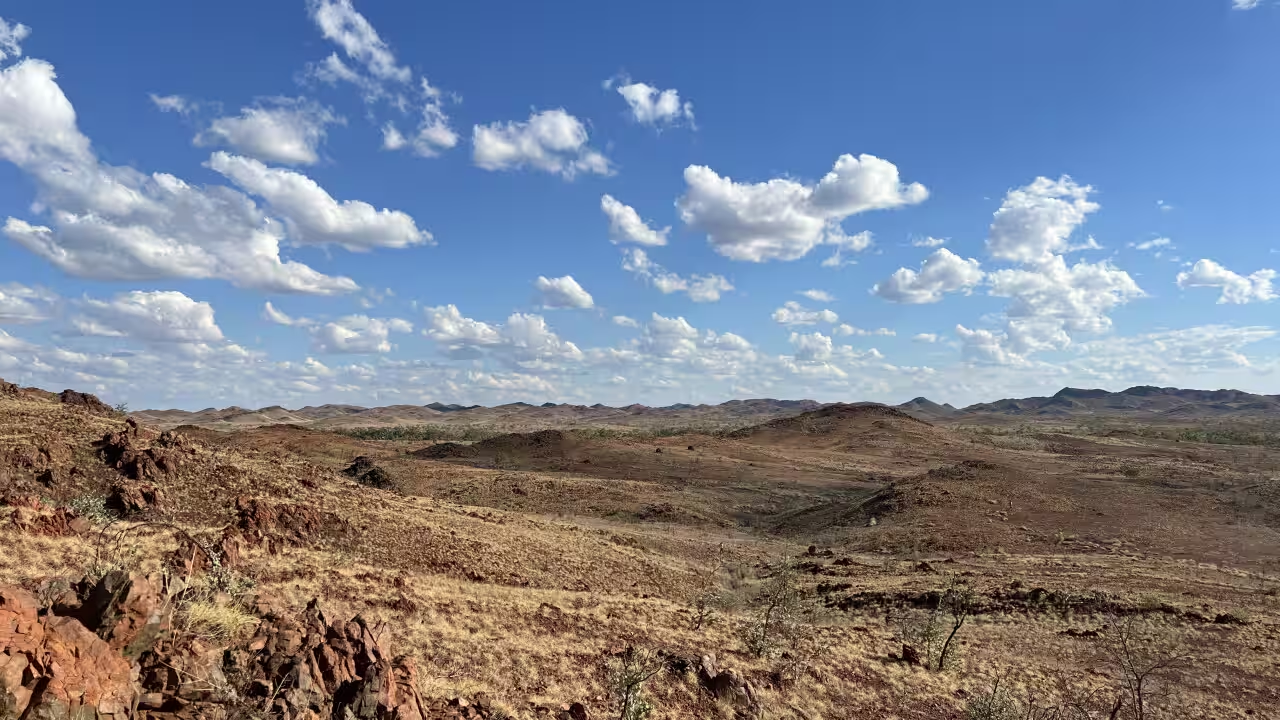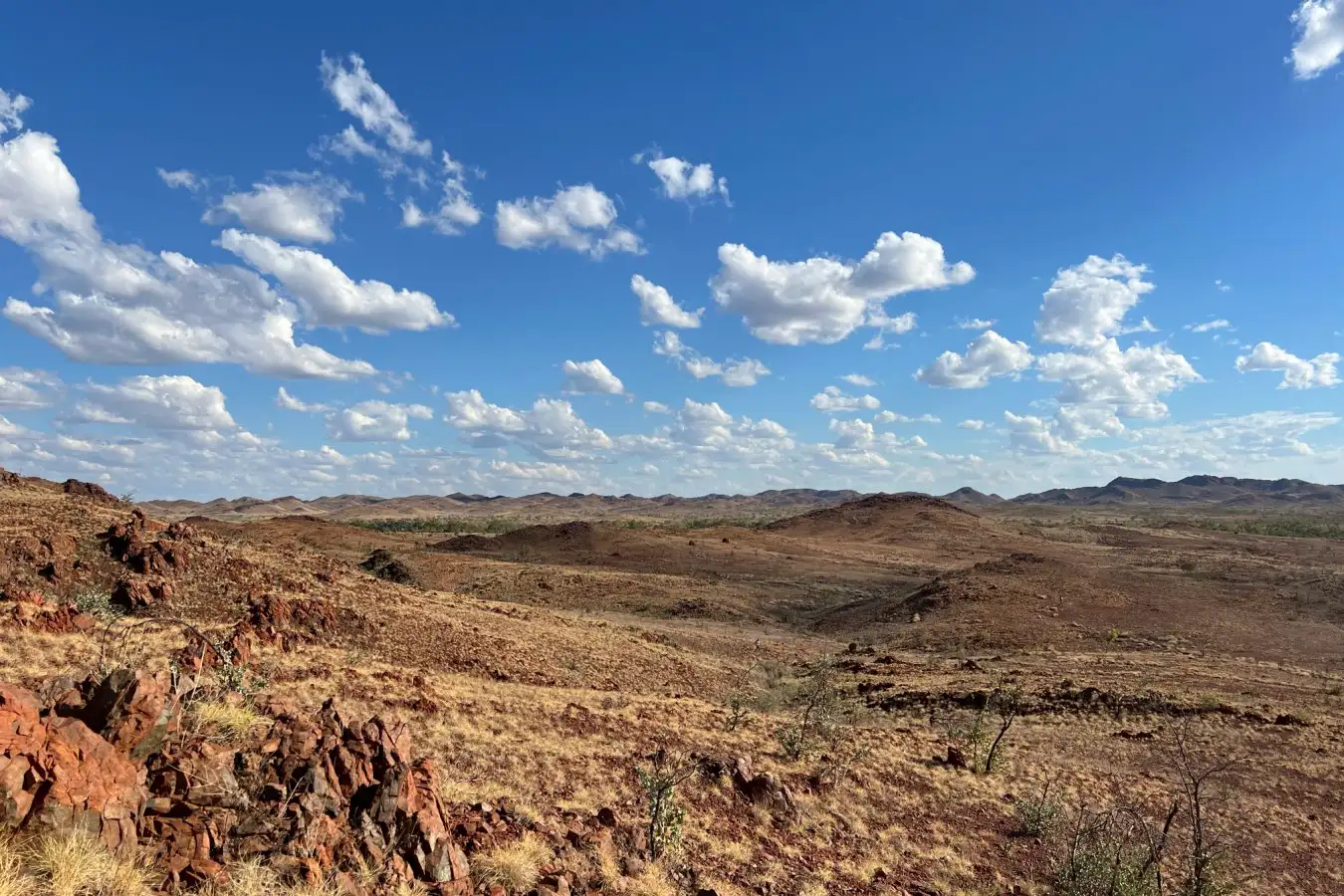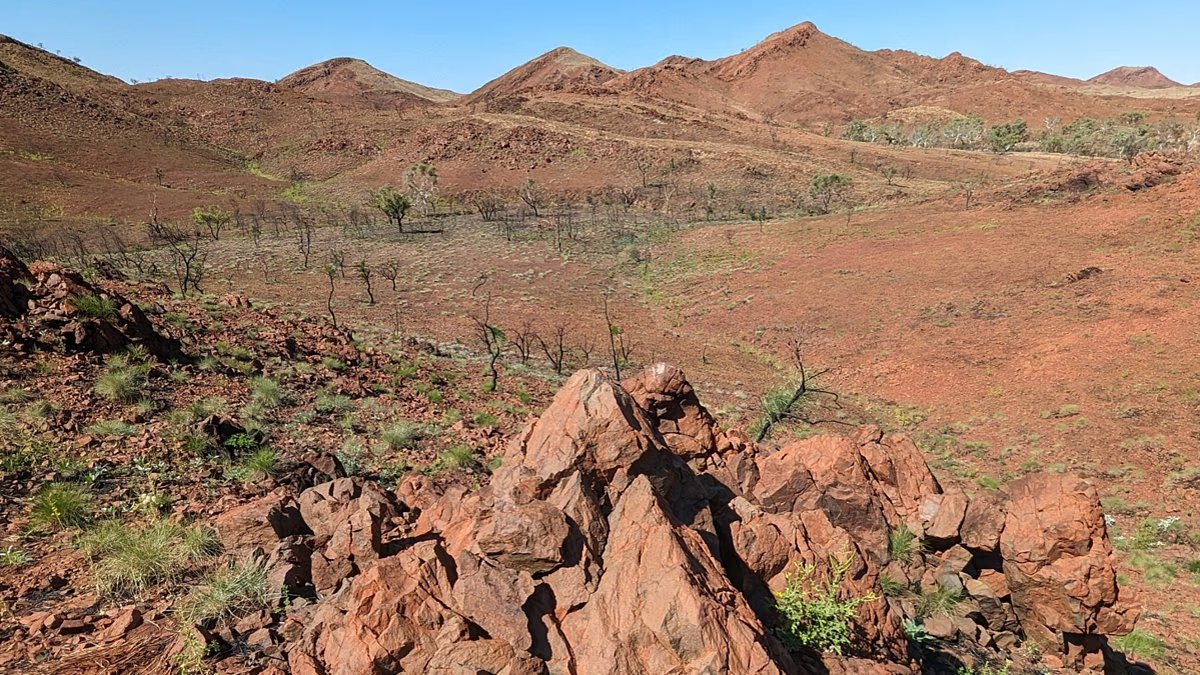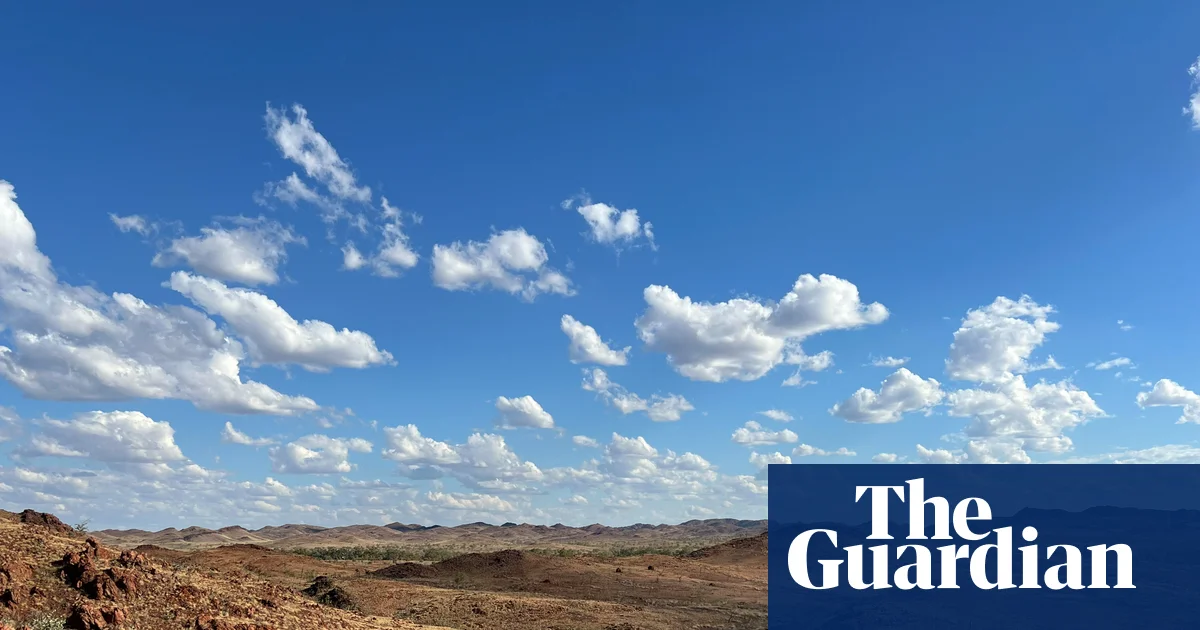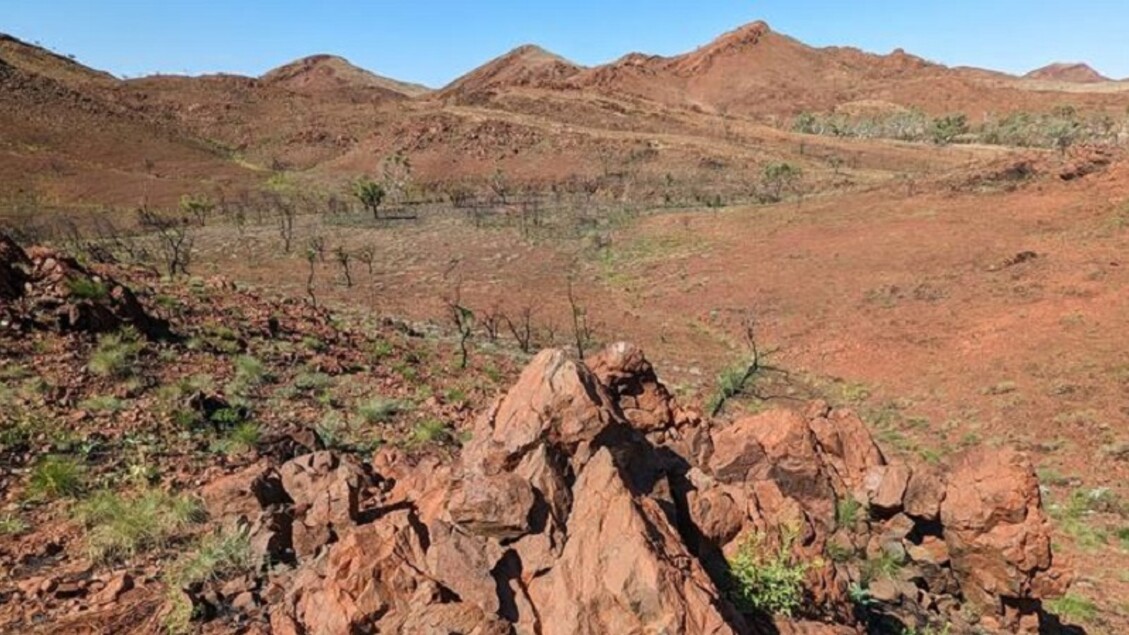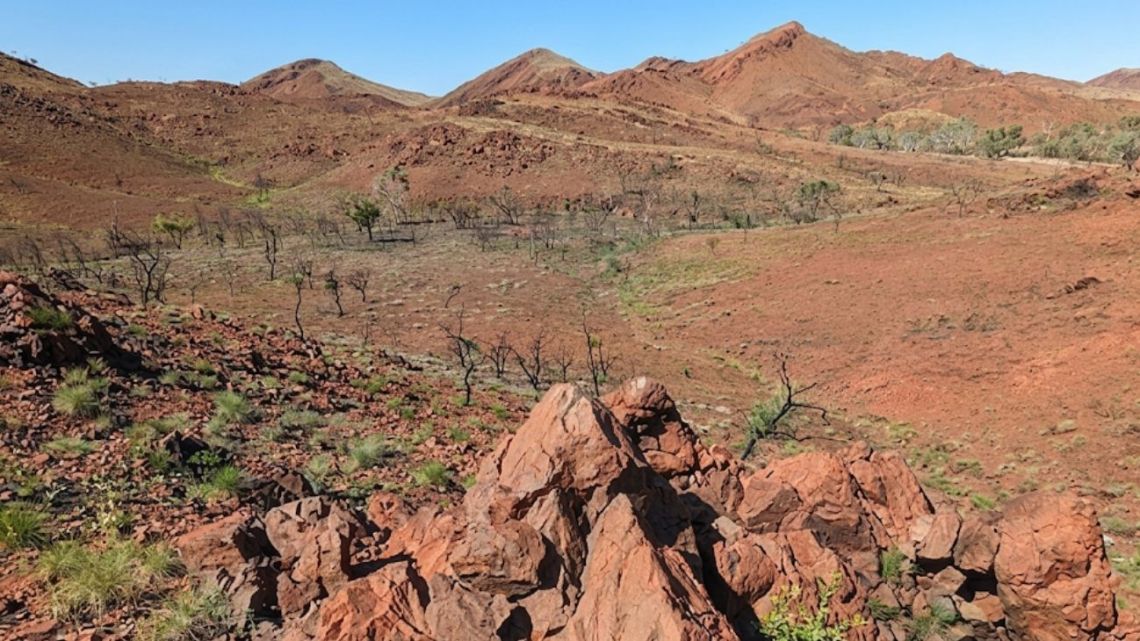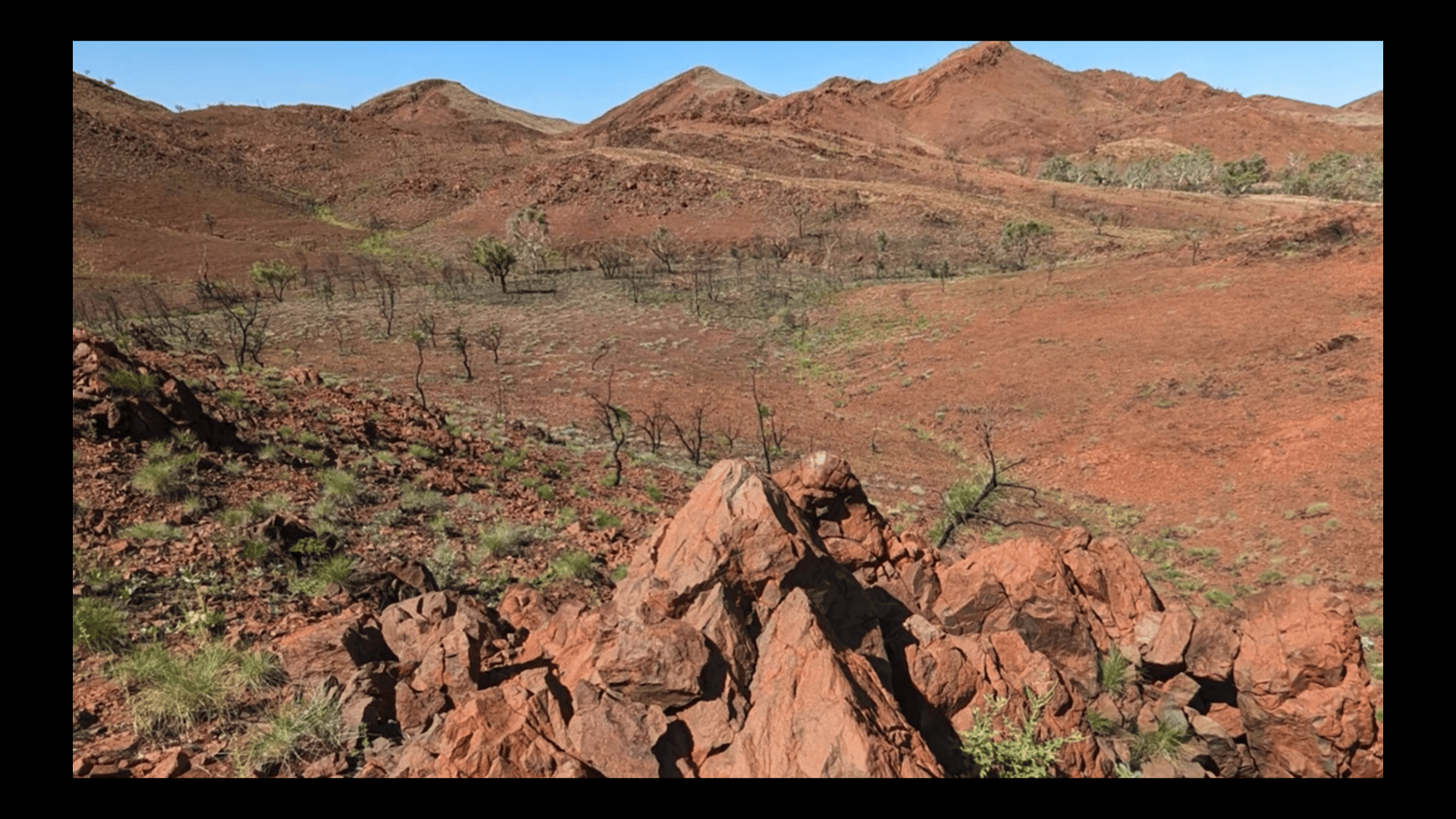
Rock formations at the North Pole Dome in the Pilbara region of Western Australia.
(Image credit: Chris Kirkland/Curtain University)
The oldest known asteroid impact site on Earth was created 3.02 billion years ago in what's now Western Australia — not far from where we've seen the oldest traces of life on our planet.A rock formation in Western Australia's Pilbara region seems to offer evidence of an asteroid slamming into Earth's newly-formed rocky crust around 3.02 billion years ago. That makes the formation, called the North Pole Dome, the oldest evidence of an asteroid impact on Earth, according to a recent study, which dated crystals in the rocks shocked and reshaped by the impact's tremendous heat and pressure.It's the latest salvo in an ongoing debate about the age of the crater (or what's left of it after billions of years of erosion), and there's more at stake than bragging rights: a crater dating back this deep in Earth's distant past could shed light on the rise of the continents and the origin of life.A rare glimpseInside most rocks in Earth's crust, tiny grains of mineral called zircon quietly record the passage of eons. Zircon contains tiny amounts of uranium, which slowly but steadily breaks down into lead; that steadiness is key, because the ratios of those two elements reveal how long it's been since a grain of zircon crystallized from hot, molten rock. In this case, zircon grains told Kirkland and his colleagues that it had been about 3.02 billion years since the tremendous heat and pressure of an asteroid impact melted zircon crystals in the rocks around North Pole Dome."Some zircons at the North Pole Dome have unusual branching, skeletal shapes," Kirkland said in an emailed press release. "We interpret these as impact-modified crystals, formed when older zircon was disrupted, partly recrystallized, and in places, regrown during the intense heating caused by the impact."If Kirkland and his colleagues are right, the area, also called the Miralga Impact Structure, is the oldest trace of an asteroid colliding with our planet. The newly published date makes Miralga a relic of a tumultuous period in our solar system's history, called the Late Heavy Bombardment, when the giant planets were still jockeying for position in their orbits around the sun, flinging asteroids and comets toward the inner solar system in the process (or so cosmologists theorize). Amid this rain of space rocks, Earth was midway through the Archaean Eon, with the planet's surface finally cooling to form a thin crust of solid rock. Earth's surface lay beneath an orangish haze of methane, a little like a warmer version of Saturn's moon Titan.And somewhere in there, the first life took shape.The oldest traces of that early life are just a few kilometers from North Pole Dome: limestone stromatolites, made of layers of tiny sediment grains trapped in, and eventually left behind by, sheets of early bacteria. The ones in Pilbara are about 3.5 billion years old, another date courtesy of zircon grains. If the Miralga impact happened 3.02 billion years ago, it struck a world already teeming with overlapping mats of bacteria.