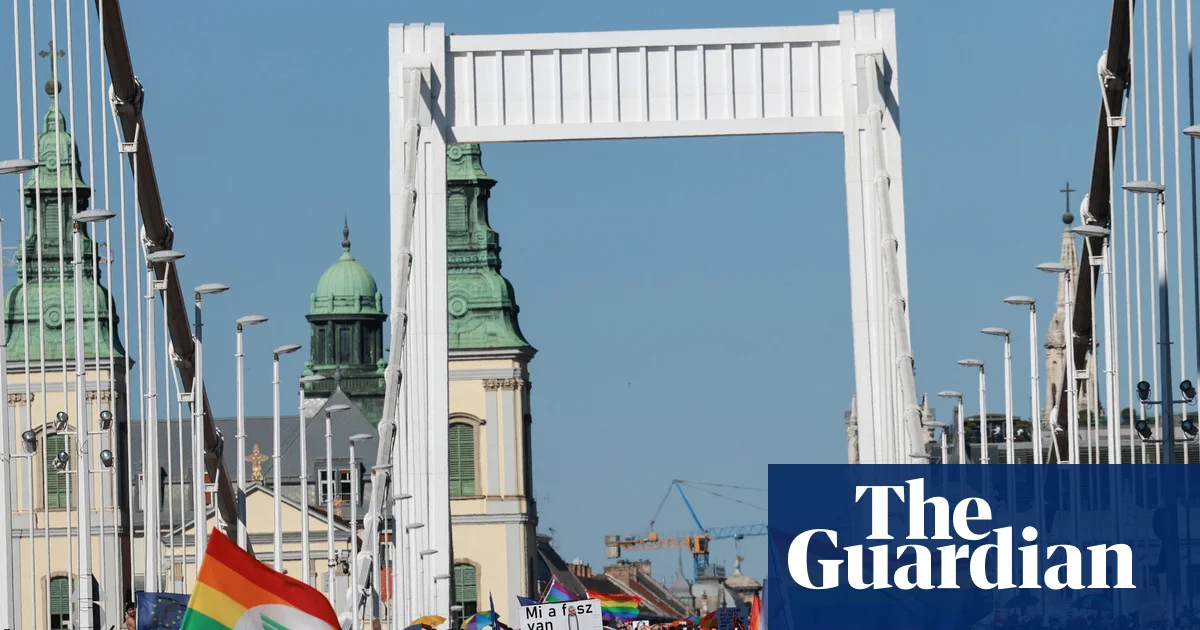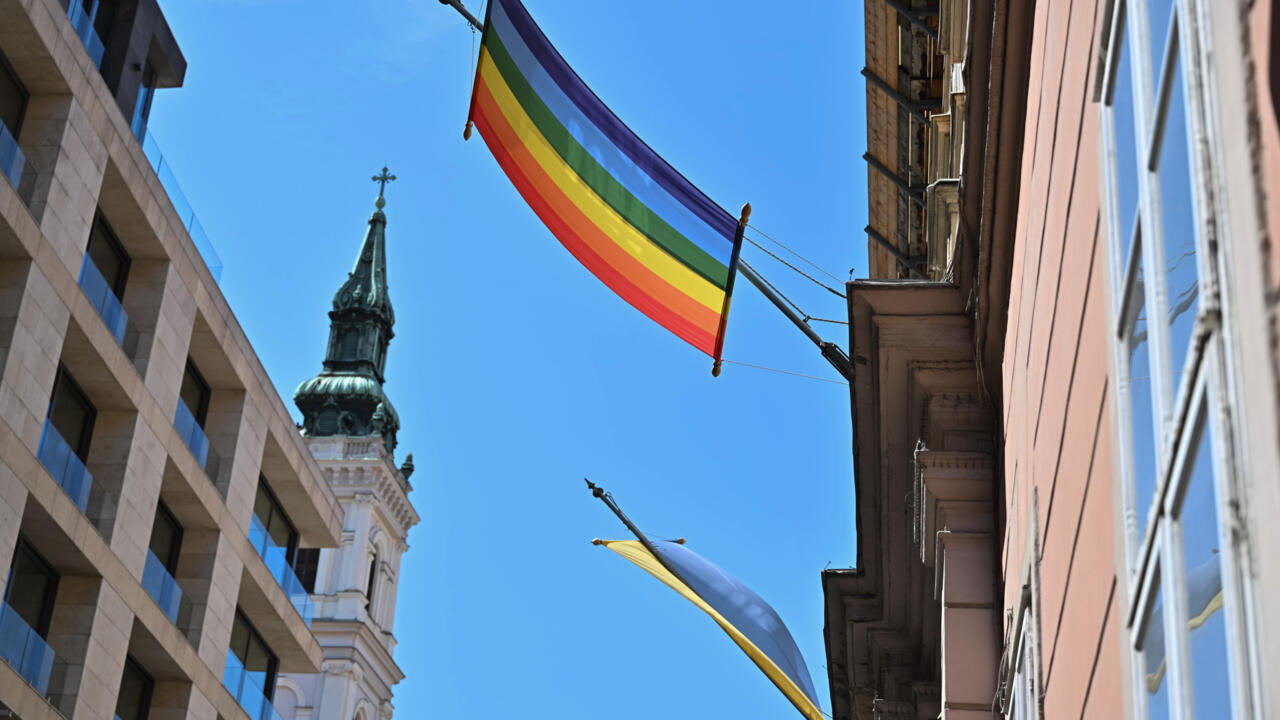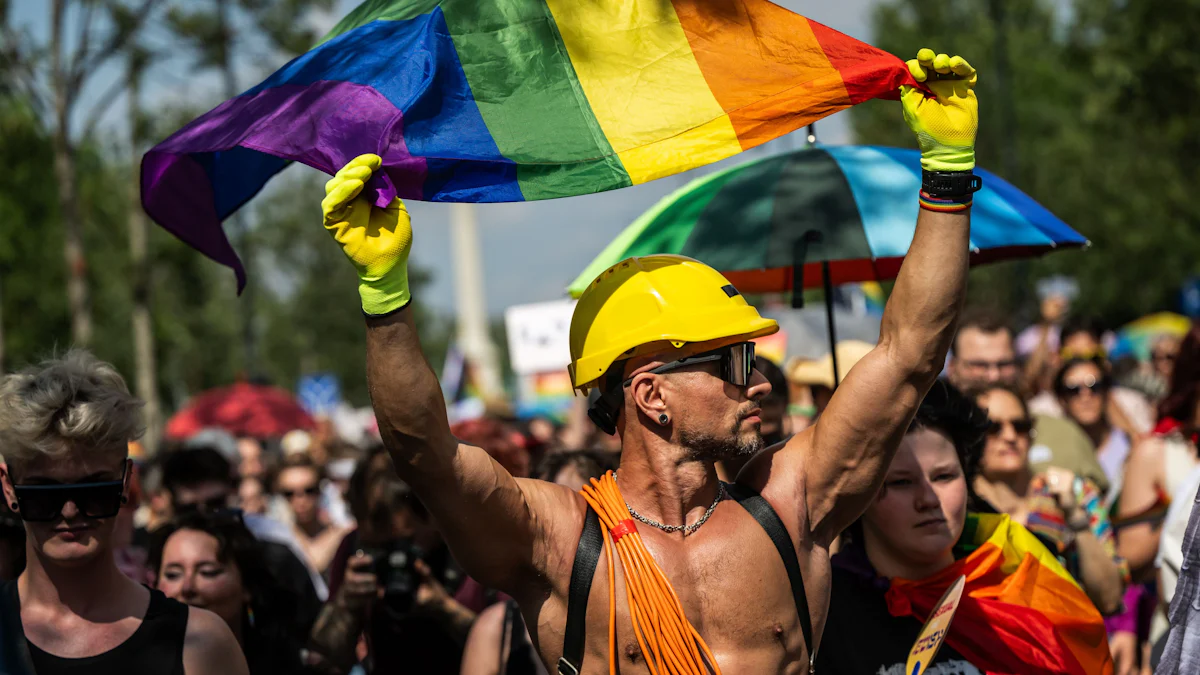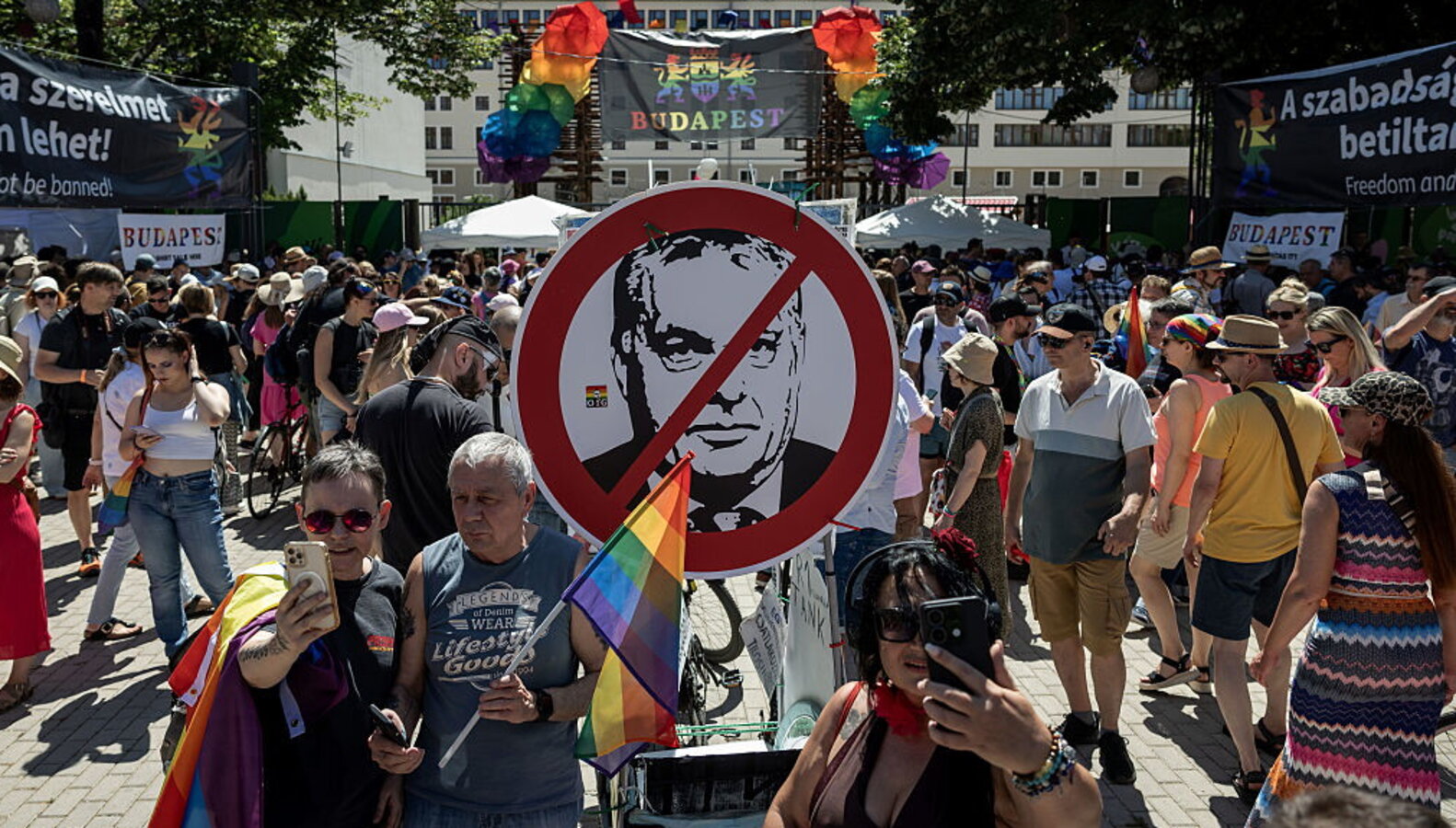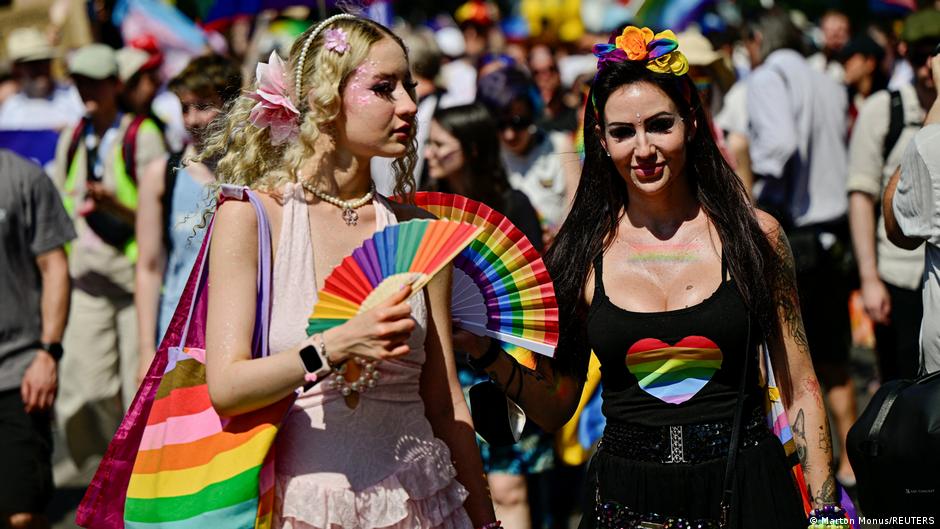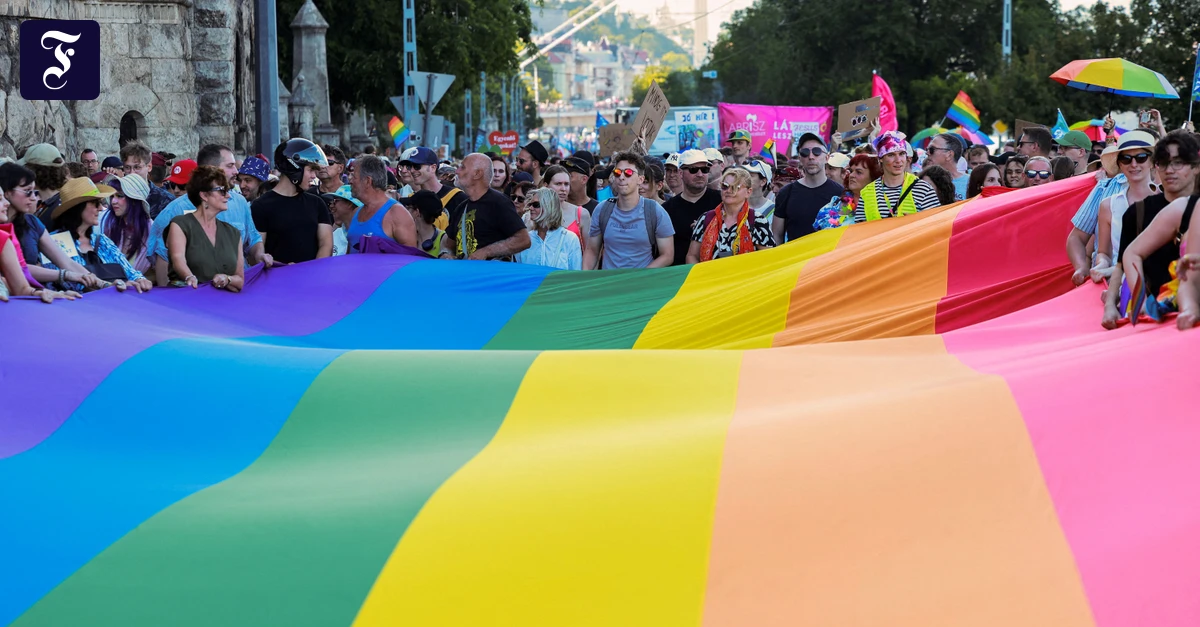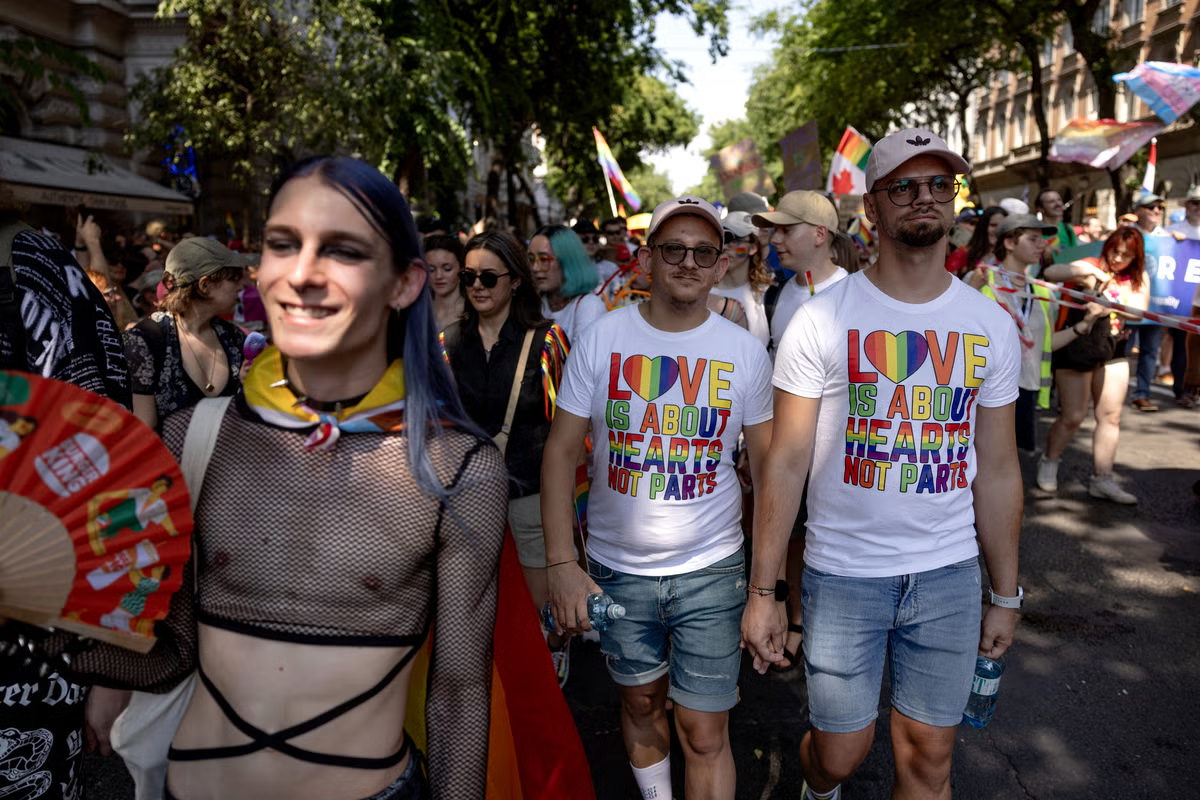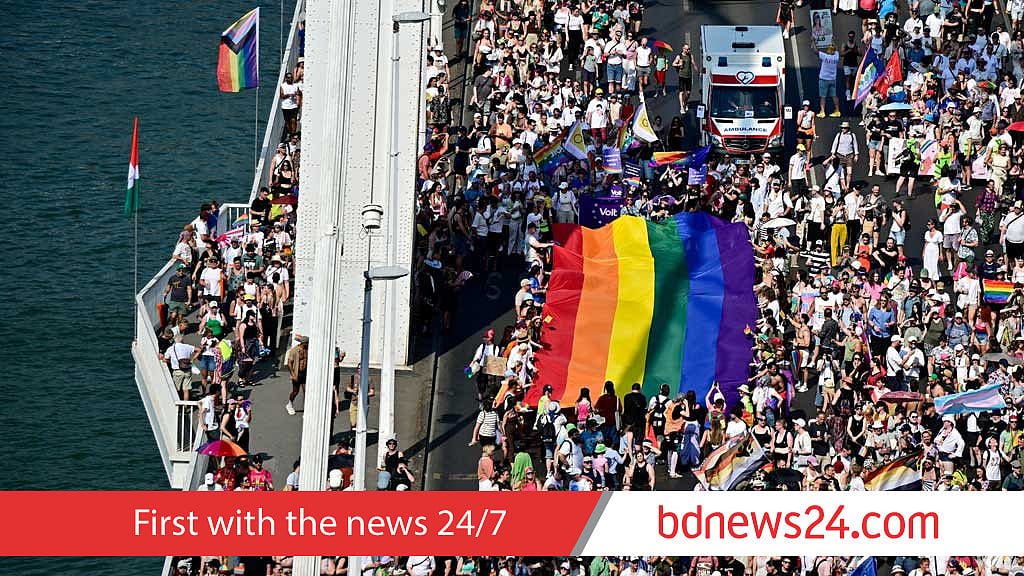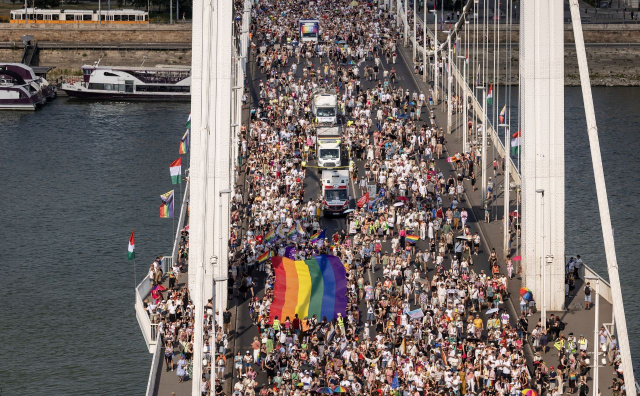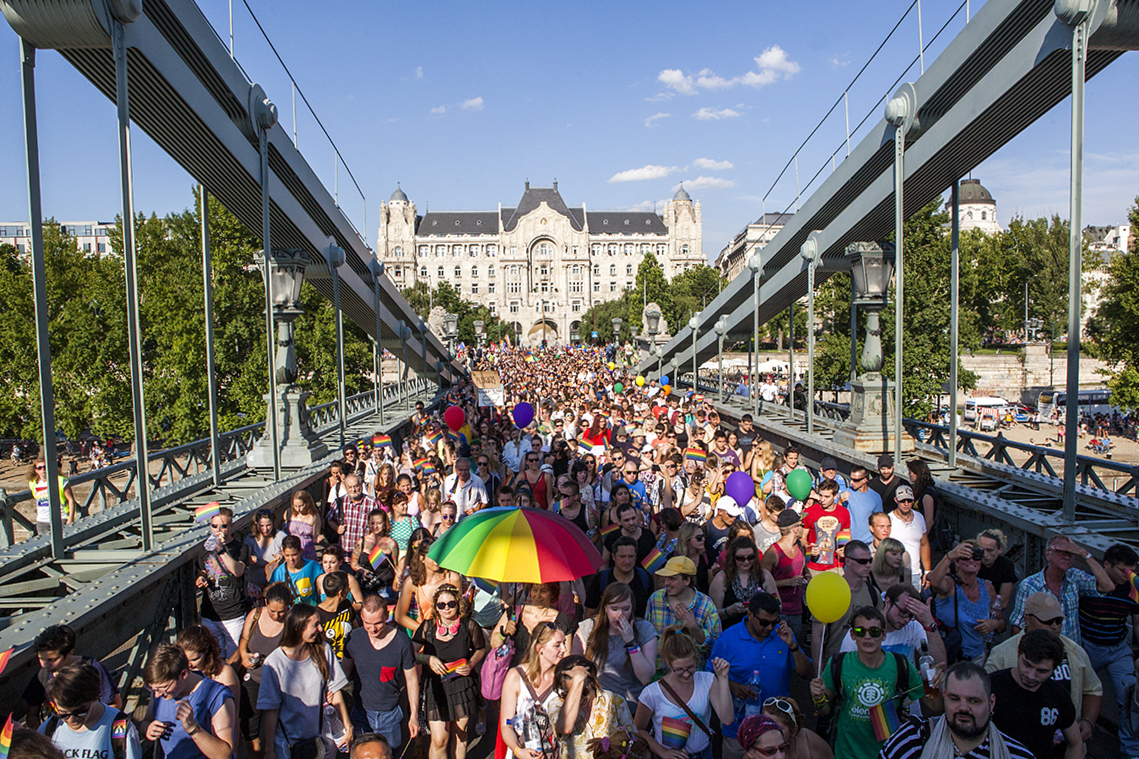
This year, Hungarians can celebrate Pride openly. For the first time in history, there are rainbow flags on the streets and bridges of the Hungarian capital.
The police have officially acknowledged this year’s Budapest Pride march on Saturday (27 June), marking a sharp departure from the previous government’s hostility. After years of attacks on LGBTQIA+ people and on the freedom of assembly, this change matters. It deserves recognition.
Yet celebration cannot obscure the central challenge. The laws that criminalise Pride participation and enable biometric surveillance of protesters remain in force.
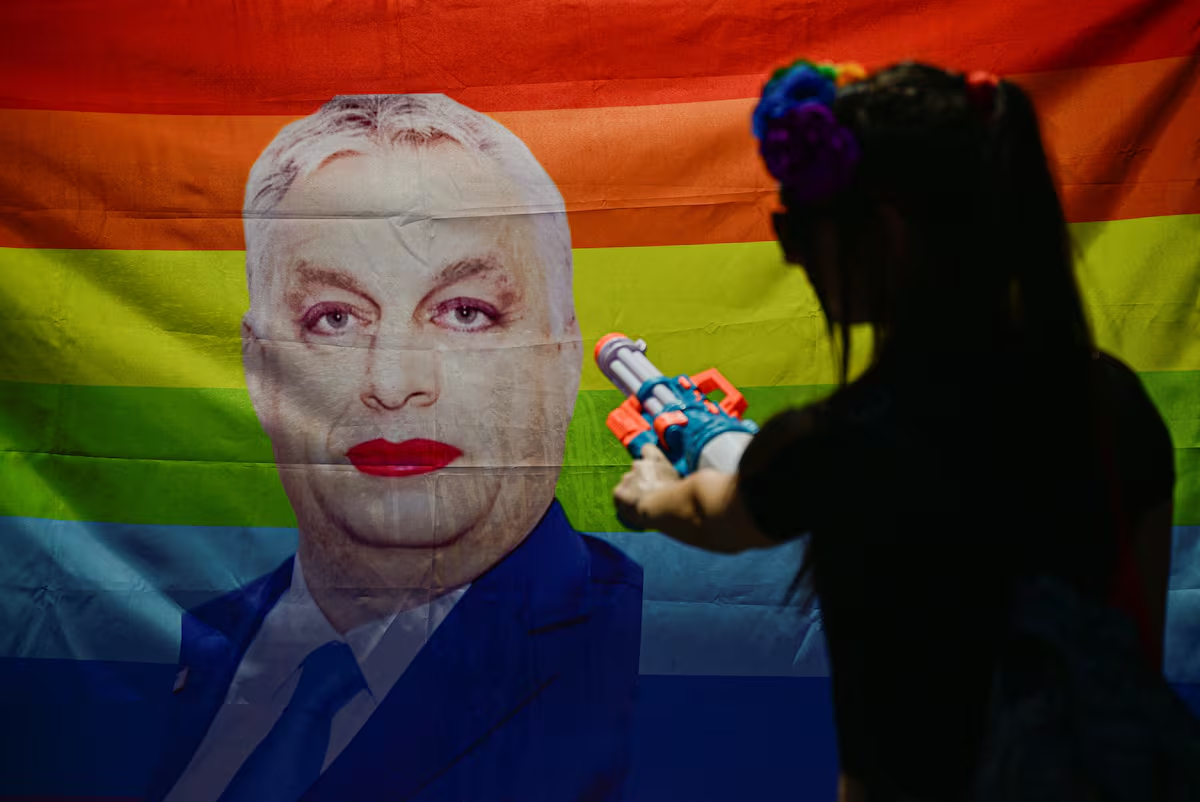
The question now is whether Péter Magyar’s new government will turn its public support for Pride into legal reform by dismantling the anti-Pride infrastructure inherited from Orbán.
In March 2025, the Orbán government rushed through amendments classifying Pride participation as a minor offence. They also expanded facial recognition to cover all petty offences, allowing the police to identify march participants.