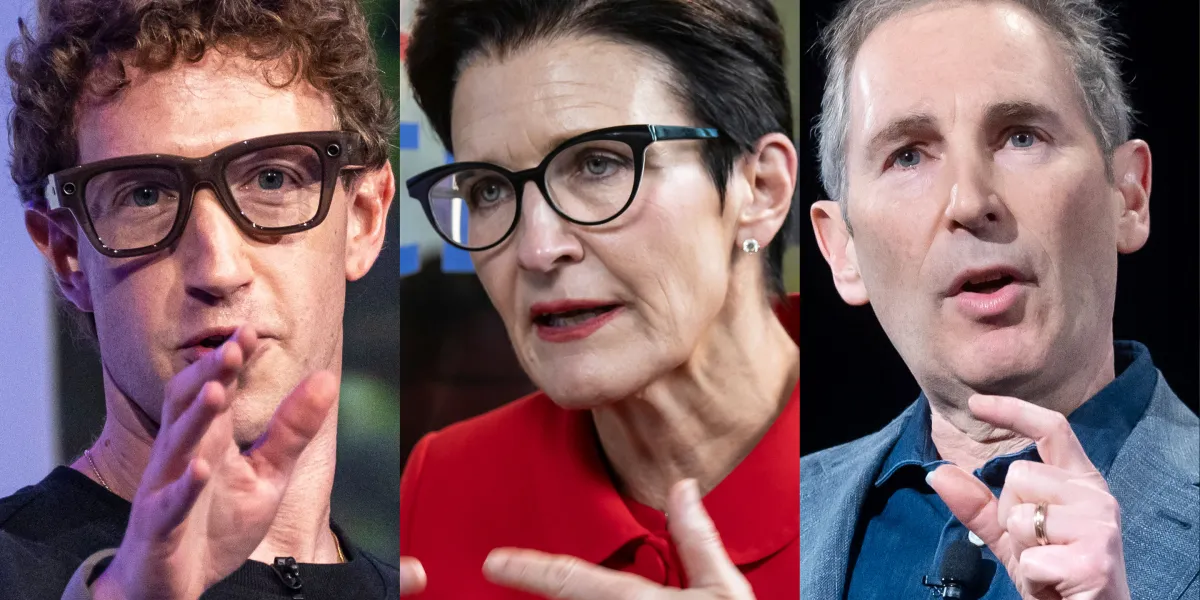
Good morning. Claire Zillman writing from London this morning. CEOs have offered many different reasons for calling workers back into the office—despite research that suggests working from home can be as effective, if not more effective, than in-office work. Amazon’s Andy Jassy says in-person collaboration is “simpler and more effective.” Jamie Dimon calls Zoom-heavy work “management by Hollywood Squares.” Instagram’s Adam Mosseri says five days in-office breeds creativity. Larry Fink even floated the idea that getting bodies back in chairs could help beat inflation.
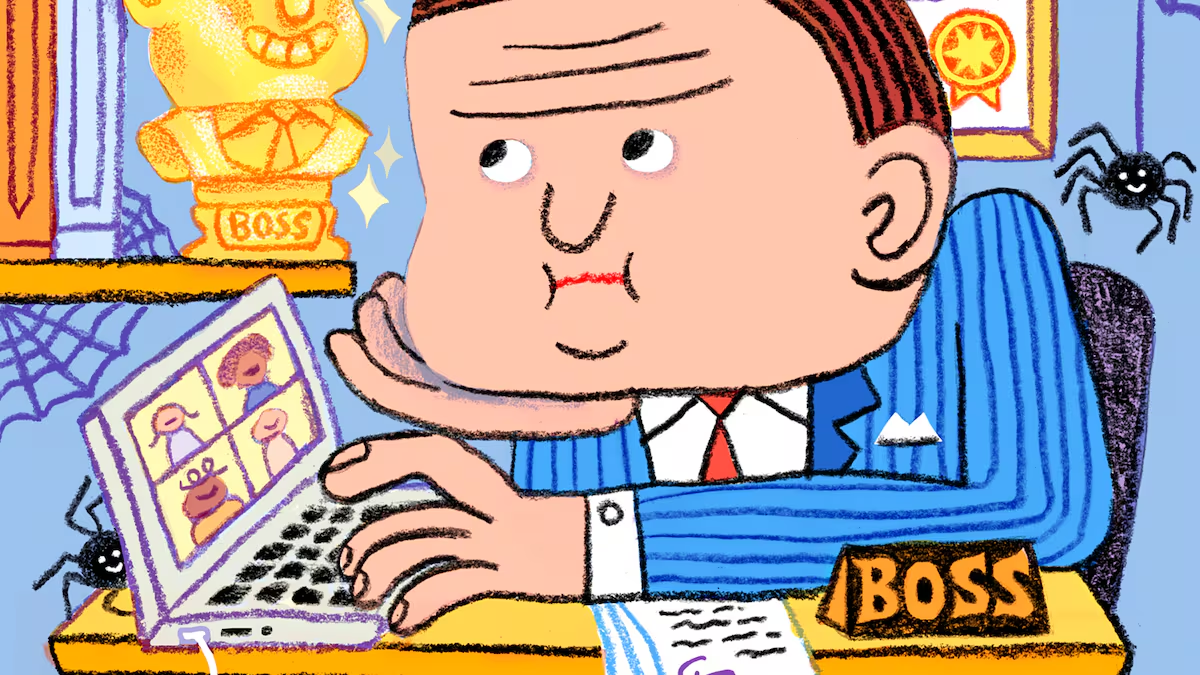
These are the arguments CEOs have made publicly. But a new study suggests there’s a less flattering explanation that nobody has put in a memo. A Wharton study co-authored by organizational psychologist Adam Grant found that leader narcissism is directly associated with resistance to remote work. The main reason? Power is easier to perform in person.
In the six-year study, researchers collected data on Fortune 500 CEOs, using behavioral proxies—signature size, photo size in annual reports, pay gap relative to peers—to construct narcissism scores. The higher the score, the more likely a CEO was to publicly oppose remote and hybrid work and seek additional status (like a board chairmanship). In a separate experiment, CEOs whose egos were primed—by reflecting on the assertive leadership styles of Steve Jobs and Larry Ellison—showed significantly greater opposition to working from home than a control group.