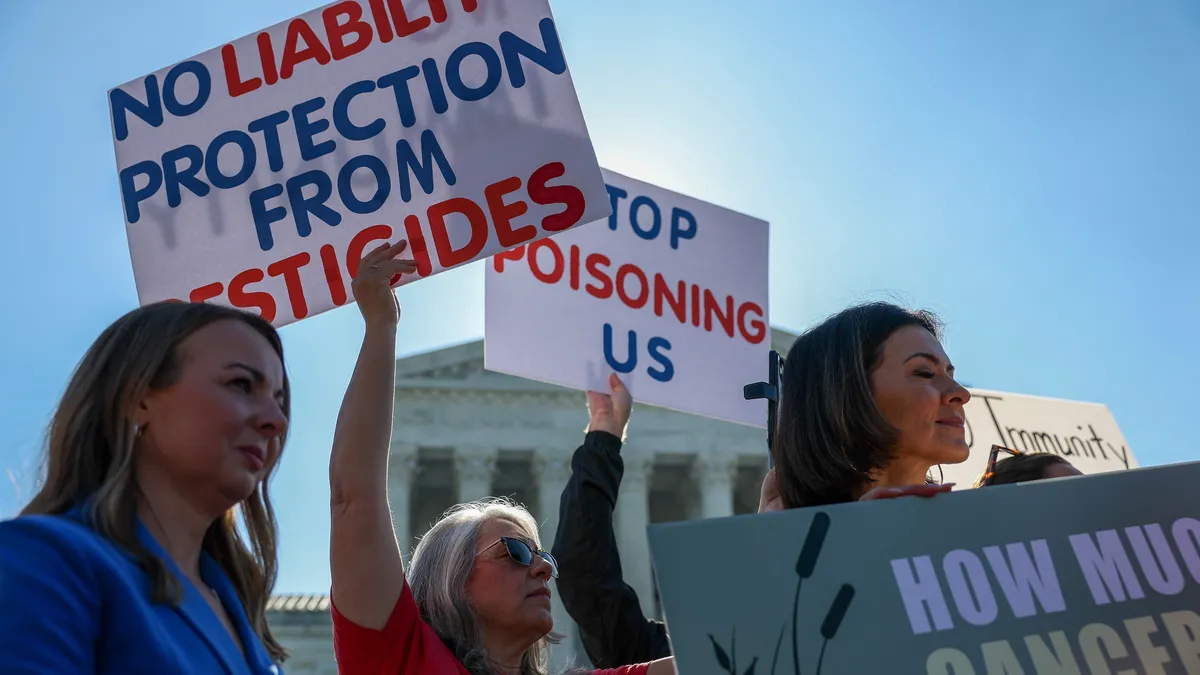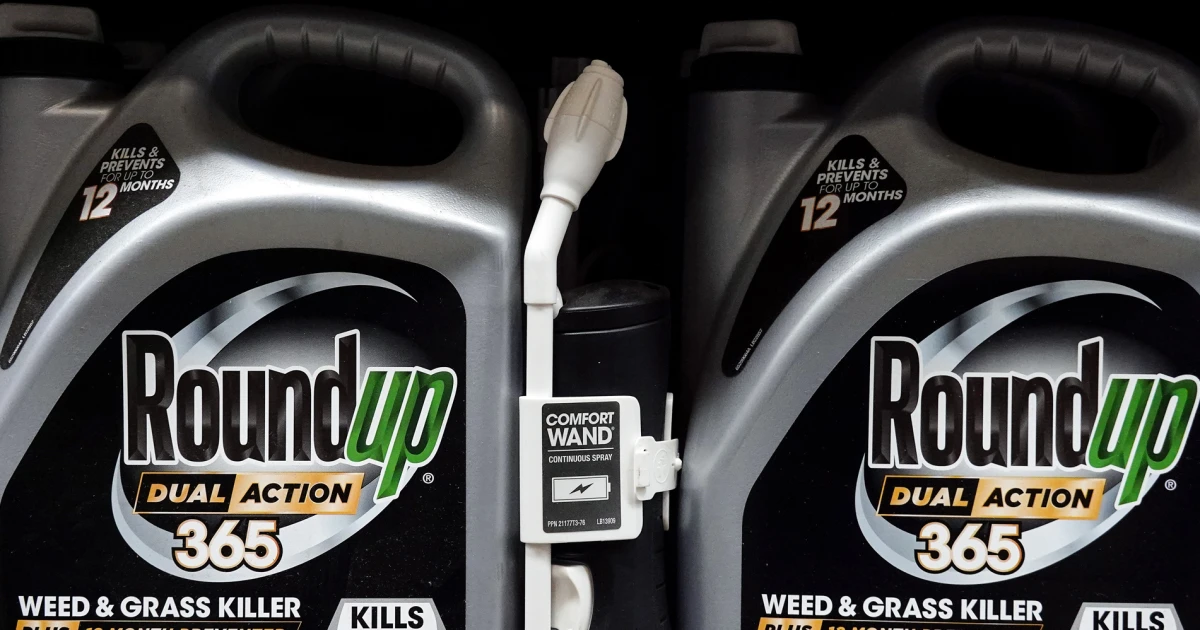
MONTPELIER, Vt. (AP) — Vermont has become the first U.S. state to ban paraquat, one of the most commonly used herbicides, with lawmakers citing a possible link between the weed killer and Parkinson’s disease.The ban has been widely celebrated by advocates who hope Vermont’s move will prompt similar action in other states to prevent the neurologic disease that robs people of control over their movements and affects about 1 million Americans.“Vermont took the step to be the leader in this, and that’s significant because it shifts the conversation,” said Dan Feehan, with The Michael J. Fox Foundation, the world’s largest nonprofit funder of Parkinson’s research. “Now, ‘will your state be the last to ban it?’ becomes the question.”However, for some farmers, the ban could potentially threaten their already slim profit margins. Attempts to prohibit paraquat’s use in other states where the chemical is more heavily used have repeatedly stalled.
The U.S. Environmental Protection Agency is currently reviewing the safety of paraquat after saying there’s no clear link between the herbicide and Parkinson’s.
4 MIN READ
6 MIN READ
Syngenta, a Swiss chemicals company that has made paraquat for years, announced earlier this year that it would stop global manufacturing or selling of the chemical, but also defended the herbicide’s safety. Other companies continue to sell it.“Despite decades of investigation and more than 1,200 epidemiological and laboratory studies of paraquat, no scientist or doctor has ever concluded in a peer-reviewed scientific analysis that paraquat causes Parkinson’s disease,” the company said.