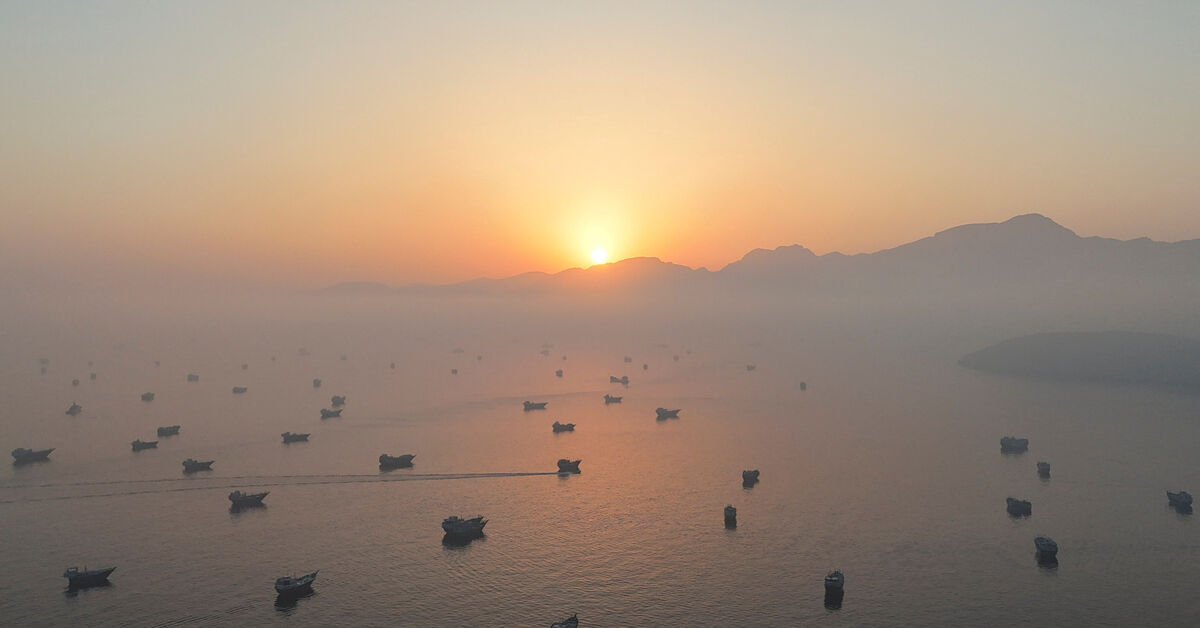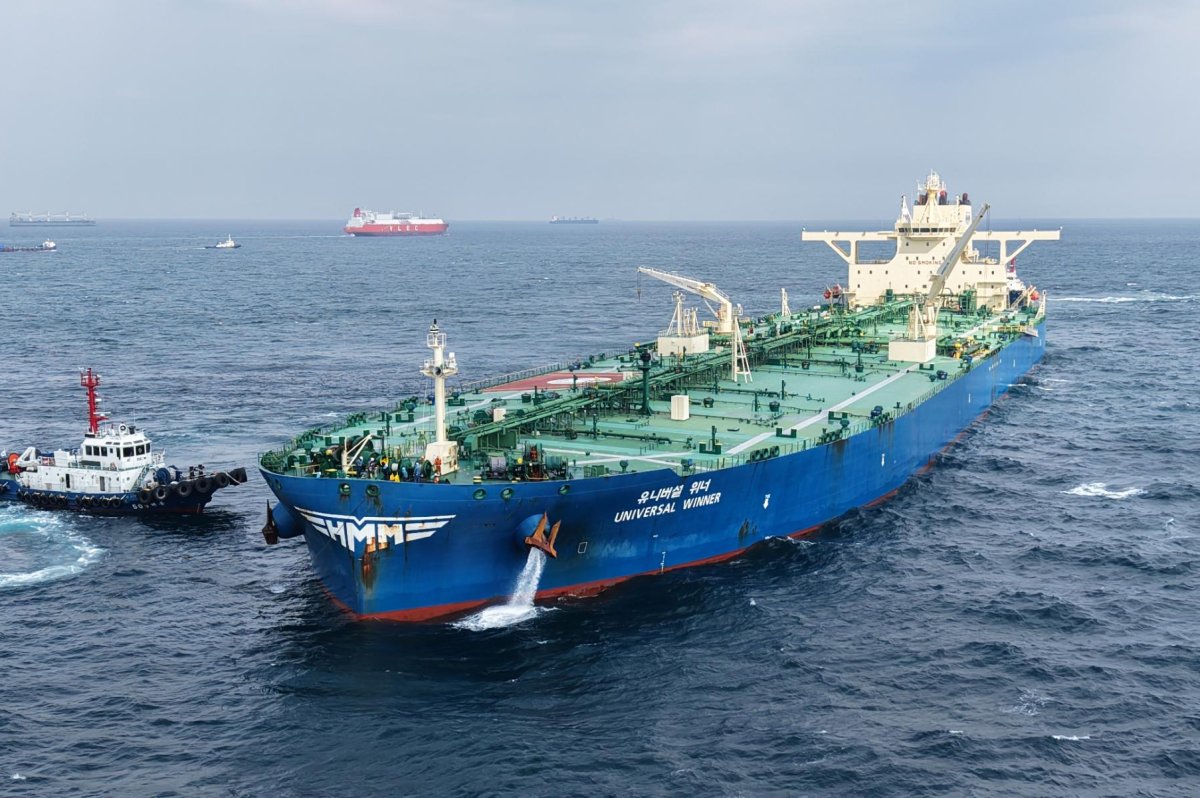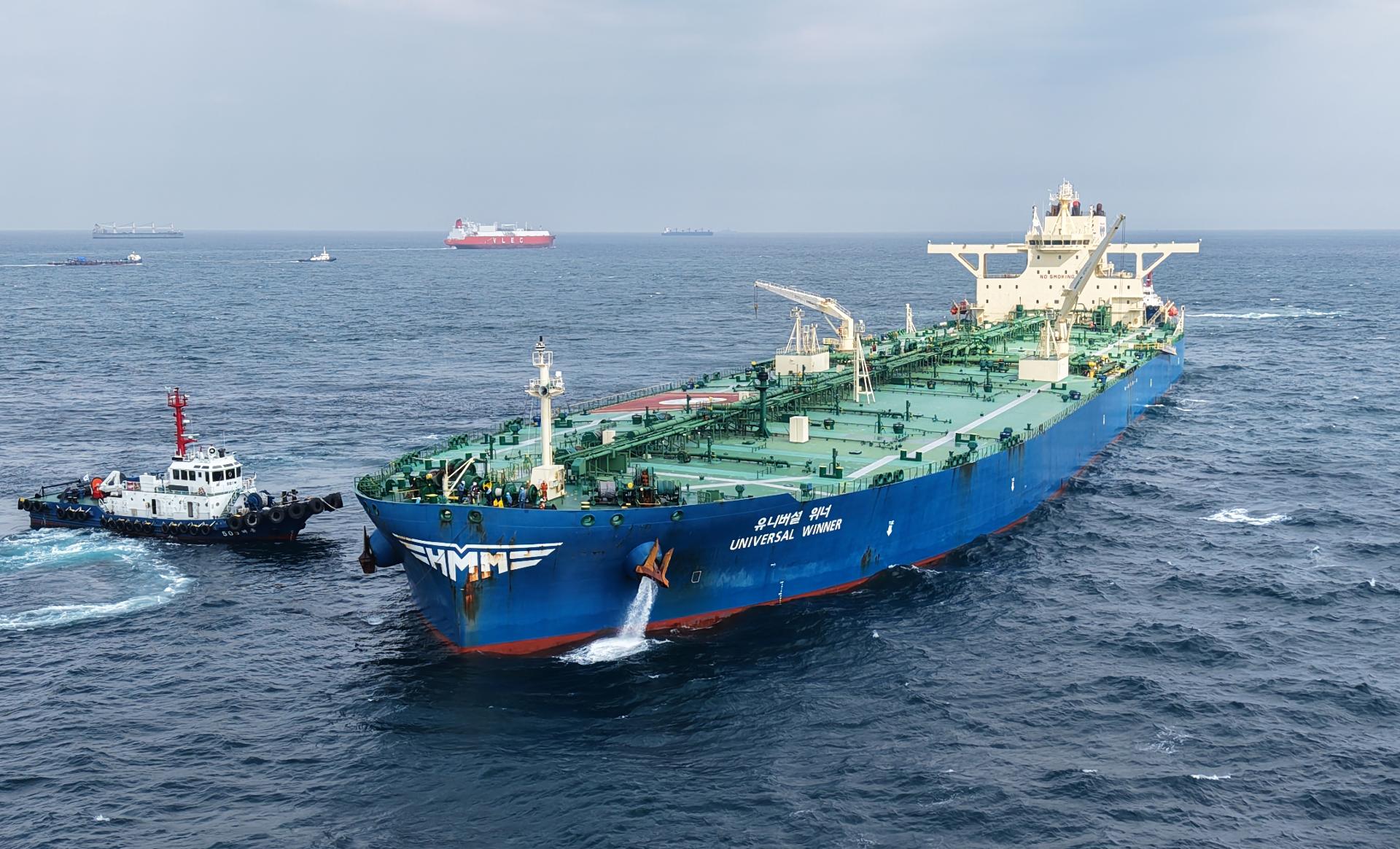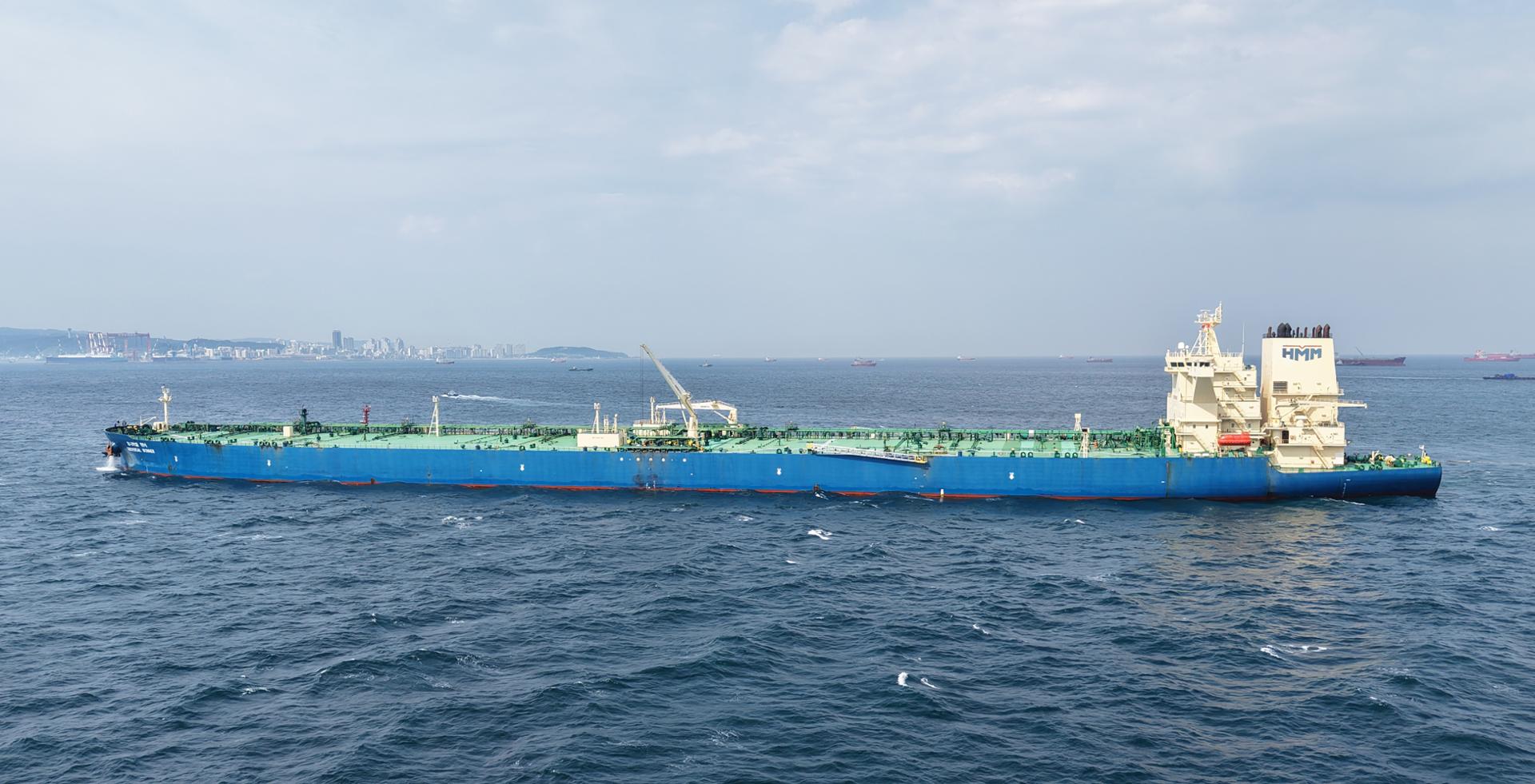
South Korea's Foreign Ministry holds a videoconference on June 19 to review the safety and transit status of South Korea-linked vessels in the Strait of Hormuz. The meeting, chaired by Chung Kwang-yong, director general for African and Middle Eastern Affairs at the Foreign Ministry, was attended by officials from the Ministry of Oceans and Fisheries and South Korean embassies in the United States, Iran, Oman, Japan, Qatar and Pakistan. (Ministry of Foreign Affairs) Most South Korea-linked vessels stranded in the Strait of Hormuz following the recent Middle East conflict are expected to clear the strategic waterway within days, with the government expressing optimism that the long-running disruption to maritime traffic is nearing an end.A Foreign Ministry official said on condition of anonymity Thursday that vessel movements through the strait are proceeding normally and that the issue appears to be moving toward resolution unless security conditions deteriorate unexpectedly."Transit through the Strait of Hormuz is taking place normally," the official told reporters. "Unless external factors emerge, such as a sudden deterioration in the security situation, the issue of our vessels' passage through the strait, which has remained a key concern, is now largely coming under control."Immediately after the outbreak of the conflict between Israel, the United States and Iran, 26 South Korea-linked vessels were stranded inside the strait.Since South Korean shipping company HMM's very large crude carrier Universal Winner became the first to transit the waterway on May 20, a total of 13 vessels have exited the strait, the official explained.Of those, 11 vessels have transited the waterway since the United States and Iran signed a memorandum of understanding on June 18 that paved the way for the resumption of shipping through the Strait of Hormuz.Seoul expects most of the remaining vessels to leave the strait in the coming days. However, the South Korean-operated cargo vessel HMM Namu, which is undergoing repairs at a shipyard in the United Arab Emirates after being struck by two airborne projectiles while transiting the Strait of Hormuz in May, is expected to remain out of service.South Korean authorities have concluded that one of the projectiles was highly likely to have been an Iranian-developed Noor-series anti-ship missile. The vessel's return to service will depend on the progress of repairs.Officials attributed the recent acceleration in vessel movements to improved maritime security conditions following the US-Iran agreement. They also cited the International Maritime Organization's announcement on June 23 of a coordinated vessel traffic support plan involving Iran, Oman and the United States as a factor that has further stabilized conditions in the waterway.Since the outbreak of the conflict, Seoul has held four phone calls between the foreign ministers of South Korea and Iran and dispatched a special envoy to Tehran. It has also continued discussions on the safety of South Korea-linked vessels through diplomatic channels, including the Iranian Embassy in Seoul.The Foreign Ministry said it has worked closely with the Ministry of Oceans and Fisheries and South Korea's overseas diplomatic missions under a "one-team" approach, sharing real-time information on vessel movements and coordinating responses."The Ministry of Oceans and Fisheries and our overseas missions are working closely together to continuously monitor the safety of vessels and crew members," the official said. "We will continue to support the remaining vessels so they can transit the strait as quickly and safely as possible."
Seoul optimistic most South Korean vessels will clear Hormuz within days
Most South Korea-linked vessels stranded in the Strait of Hormuz following the recent Middle East conflict are expected to clear the strategic waterway within d
552 words~3 min read