The last inhabited Almaz outpost was short-lived, secretive, and remarkably accident-prone
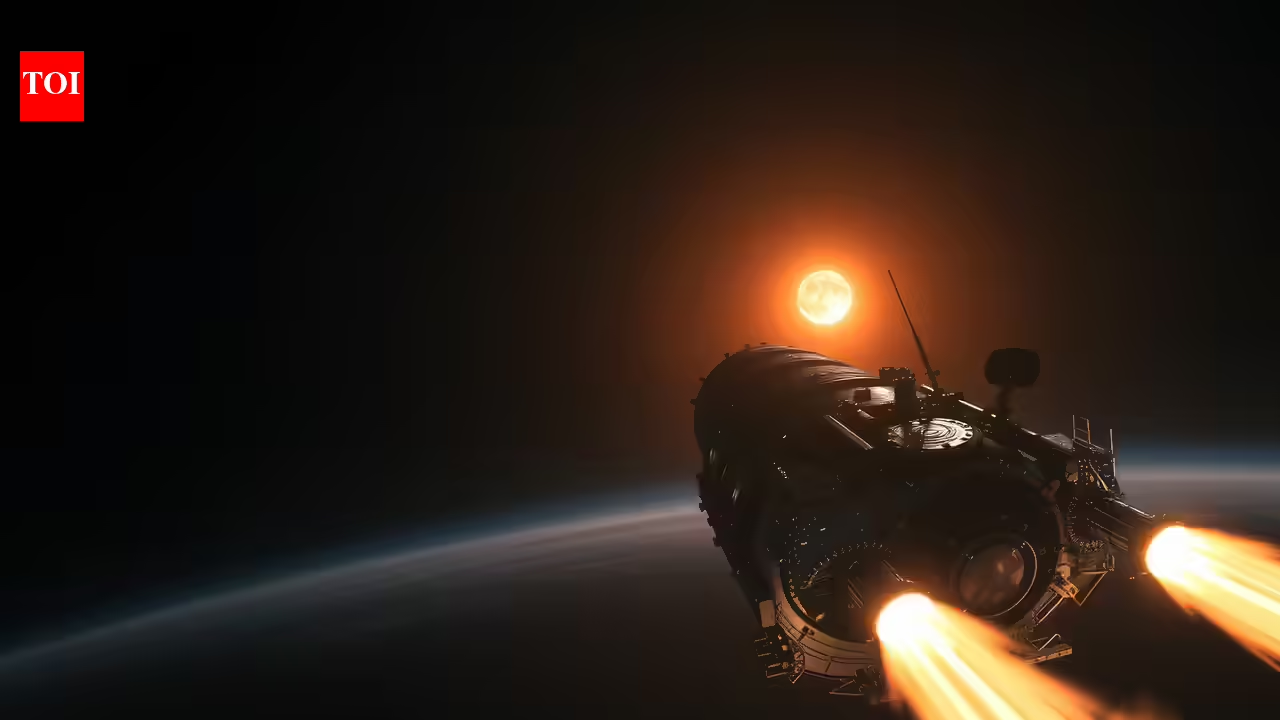
It is half a century since the Soviet Union launched the final crewed Almaz space station, also known as Salyut 5, which was home to two crews, while a third mission failed to dock and nearly came to a watery end.The Almaz stations were launched for the Soviet military and are better known as Salyut 2, 3, and 5. There were additional stations under construction, but the crewed program was canceled after Salyut 5. While we hesitate to use the word "cursed," Salyut 5 was certainly an eventful program for its crews. The station was launched on June 22, 1976, atop a Proton-K rocket from Baikonur. Known internally as OPS spacecraft (Orbital Piloted Stations), the Almaz stations had a pair of solar arrays, reconnaissance equipment, and a cannon mounted at the base of each station, which was test-fired on Salyut 3 while uncrewed. The first crewed mission was expected to last more than 50 days, and three further missions were planned.
The mission did not go according to plan.
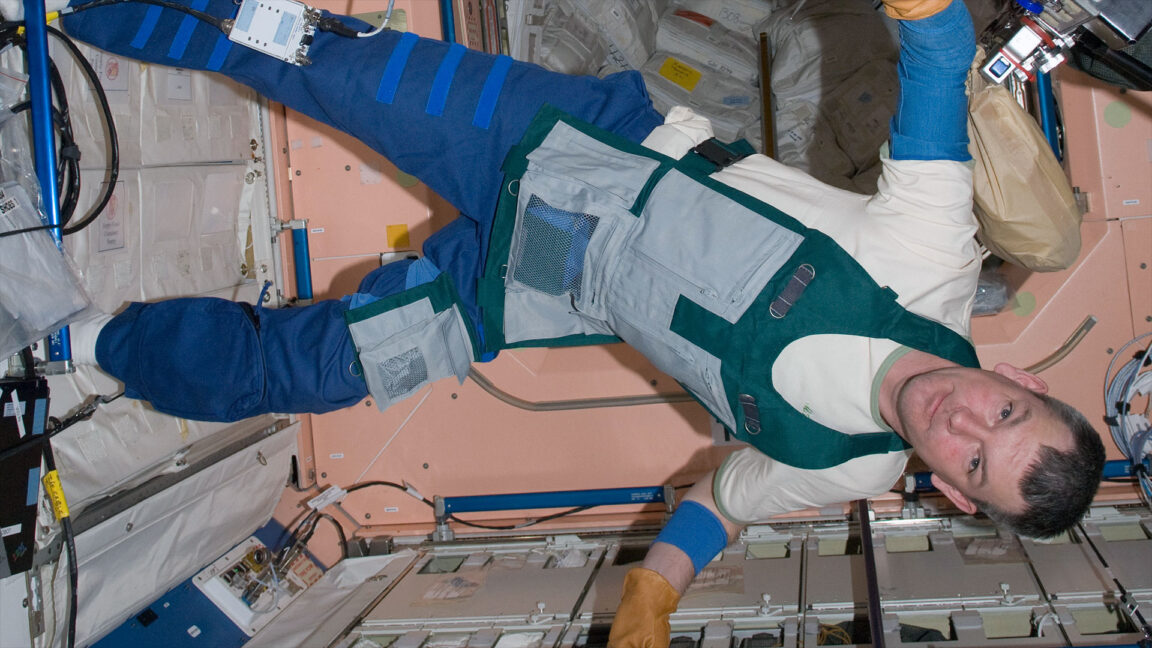
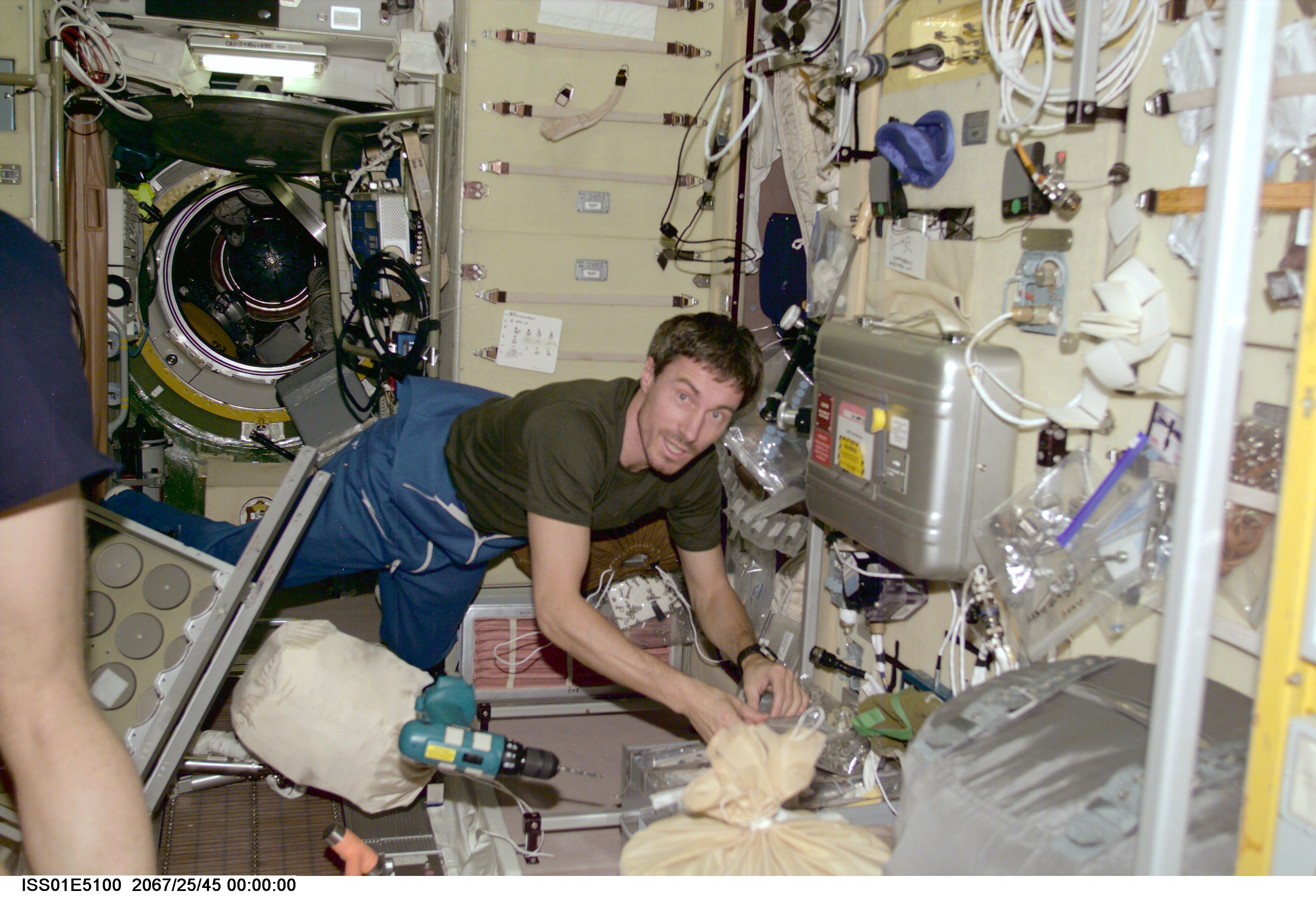
Soyuz 21, carrying cosmonauts Boris Volynov and Vitaly Zholobov, was launched to the station on July 6, 1976. At first, everything went swimmingly. The duo conducted experiments aboard the space station and undertook reconnaissance. After all, this was the Soviet answer to the US's Manned Orbiting Laboratory (MOL), which would have used astronauts to perform surveillance on targets from a space station. The MOL was canceled before any crews were flown.The Soyuz 21 crew began experiencing problems in August. David Harland's book, The Story of Space Station Mir, notes that Russian newspapers "reported on 18 August that the cosmonauts seemed to be suffering from 'sensory deprivation' and that psychologists monitoring their health had suggested that music be played to them over the voice uplink." A few days later, Radio Moscow took a different line, noting that a prolonged flight could be on the cards due to favorable levels of solar radiation.On August 24, the crew returned to Earth after 49 days, earlier than scheduled. It's unclear what happened, although most reports suggest an acrid odor developed aboard the station, possibly from chemicals used to develop photographs from the surveillance equipment or from fumes leaking from the Salyut's fuel tanks. The station's environmental systems were unable to address the problem, and officials, fearing for the cosmonauts' health, elected to bring them back early. A second mission to the station, Soyuz 23, was launched on October 14, 1976, but an equipment malfunction stopped the crew from docking with Salyut 5. The failed docking was only the beginning for the two cosmonauts on board, Vyacheslav Zudov and Valery Rozhdestvensky. The spacecraft splashed down in the freezing waters of Lake Tengiz, and the pair were stranded in the capsule until rescuers dragged it to shore the following morning. "It was fortunate that such an ordeal had not befallen Volynov and Zholobov in their weakened condition," Harland noted.