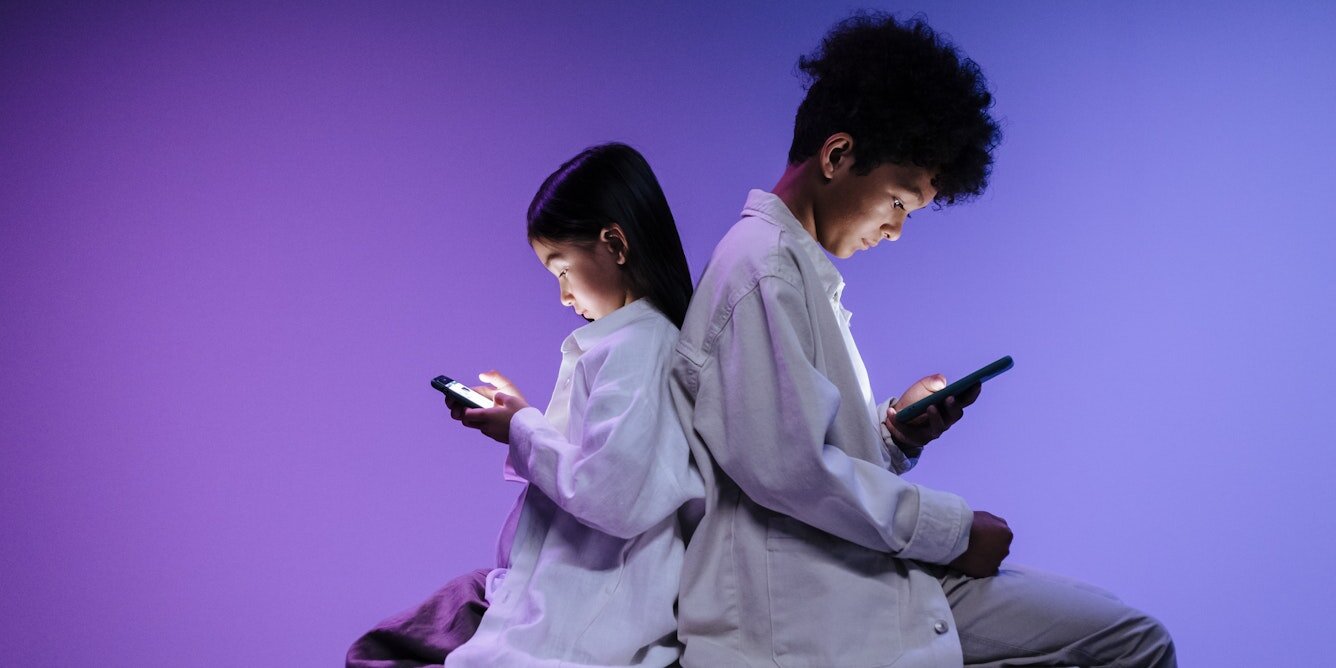
New research suggests that long-term Instagram use may influence the way people experience their own identity and distinguish themselves from others.
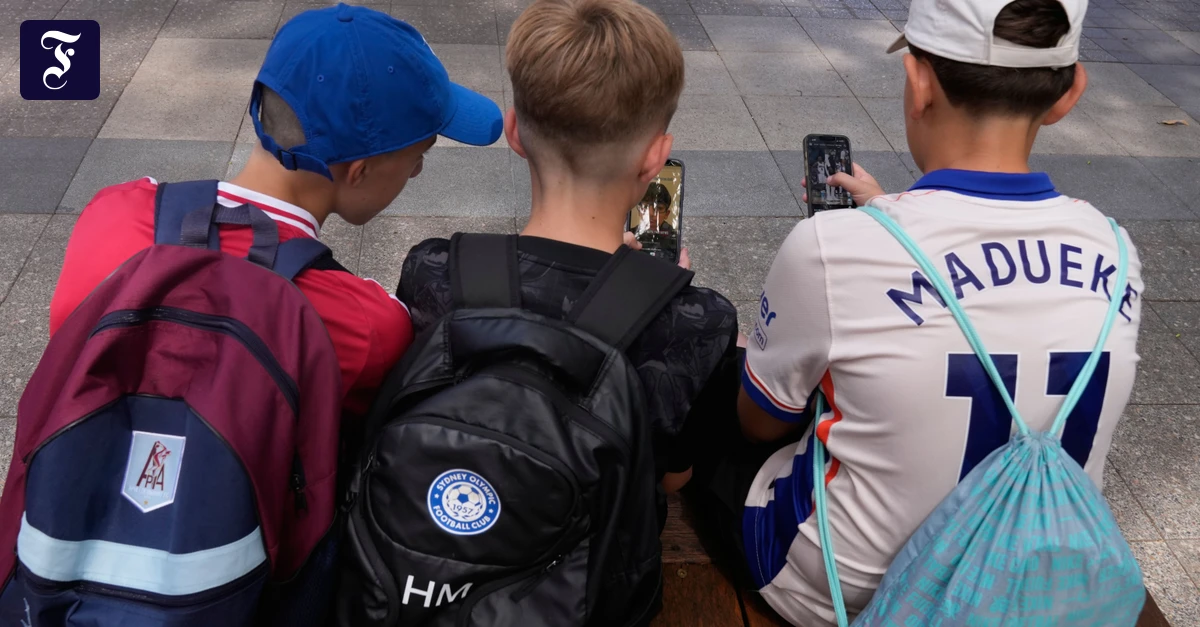
Growing concerns about the effects of social media on young people have become a global policy issue, prompting governments around the world to act. Australia has introduced a social media ban for under-16s, with numerous other countries considering similar restrictions. France and Norway have also moved to increase transparency, requiring influencers and advertisers to disclose digitally altered images.
As social media is fundamentally an environment of self-representation, much of this debate has focused on how these platforms affect the way young people see their appearance and value their bodies. Yet appearance is only one dimension of how people experience themselves. This raises a broader question: what if body satisfaction is not the only important change taking place?
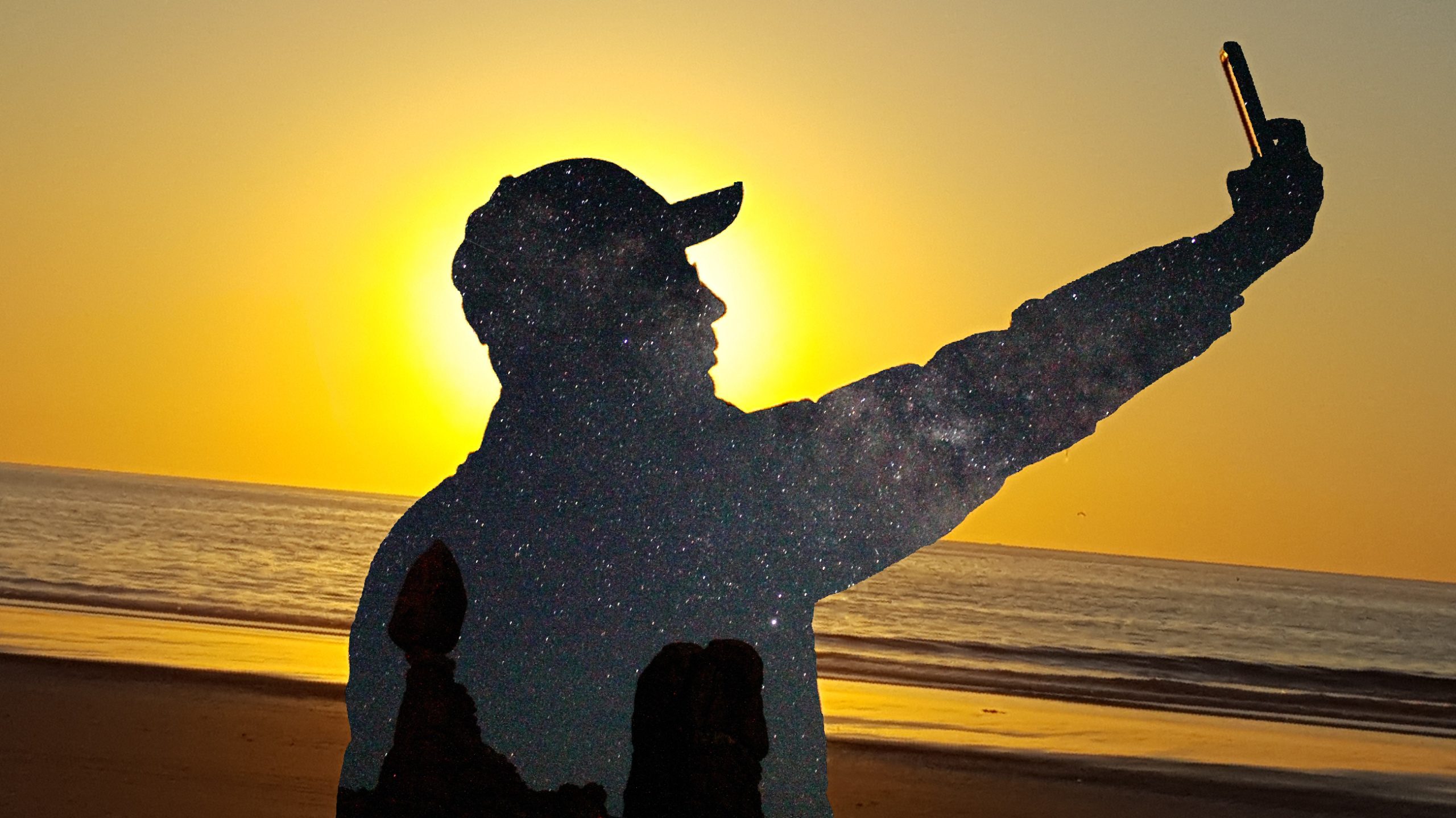
A less explored question is whether repeated interactions with Stories, selfies, filters and digital versions of ourselves could influence the processes through which we develop a sense of identity.
Beyond appearance