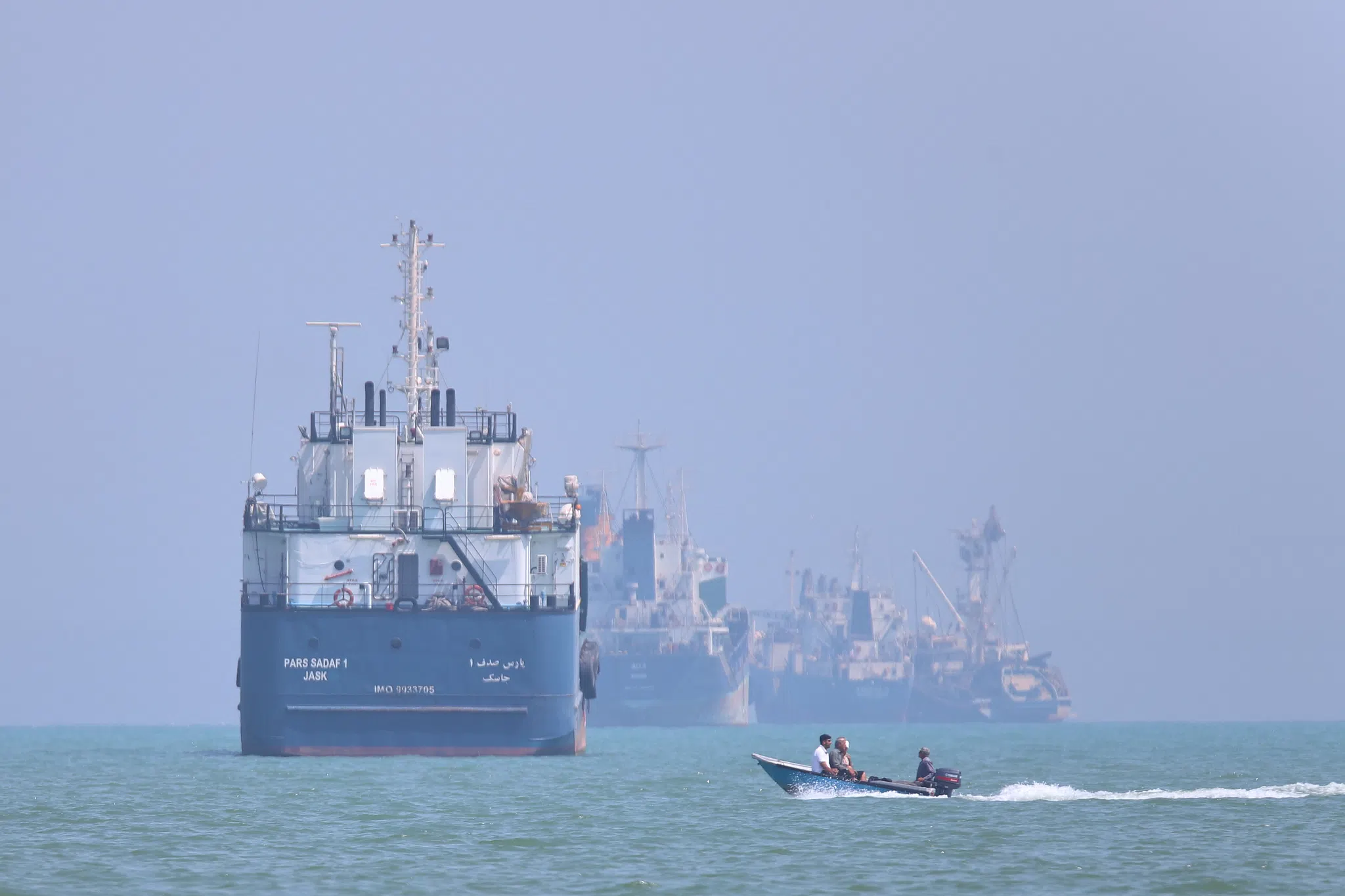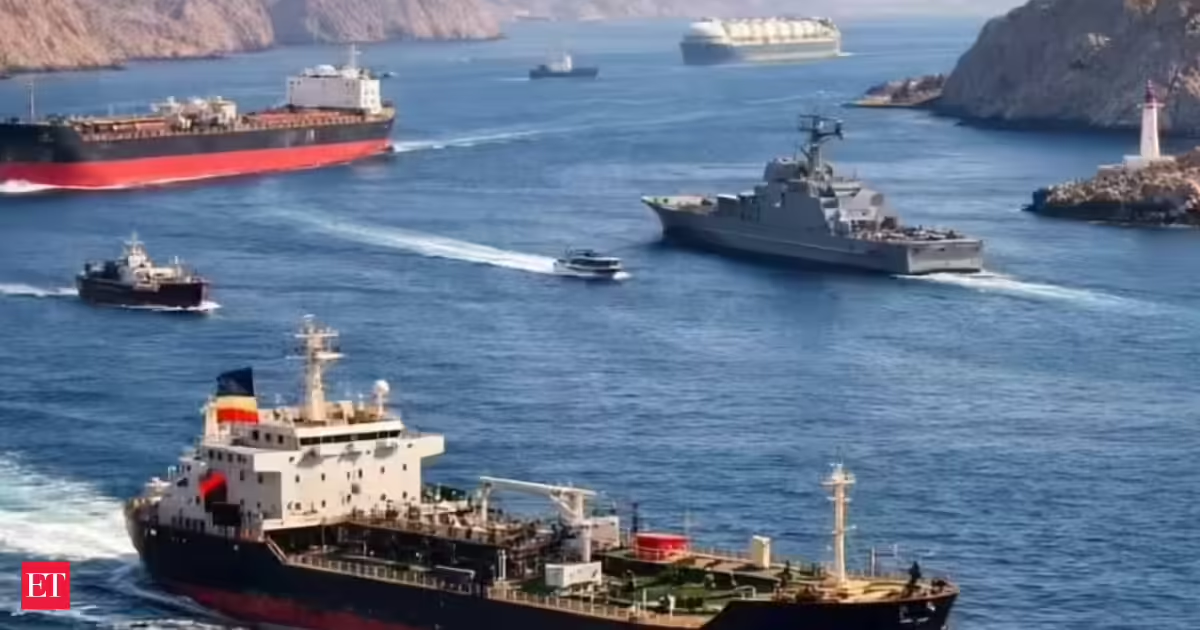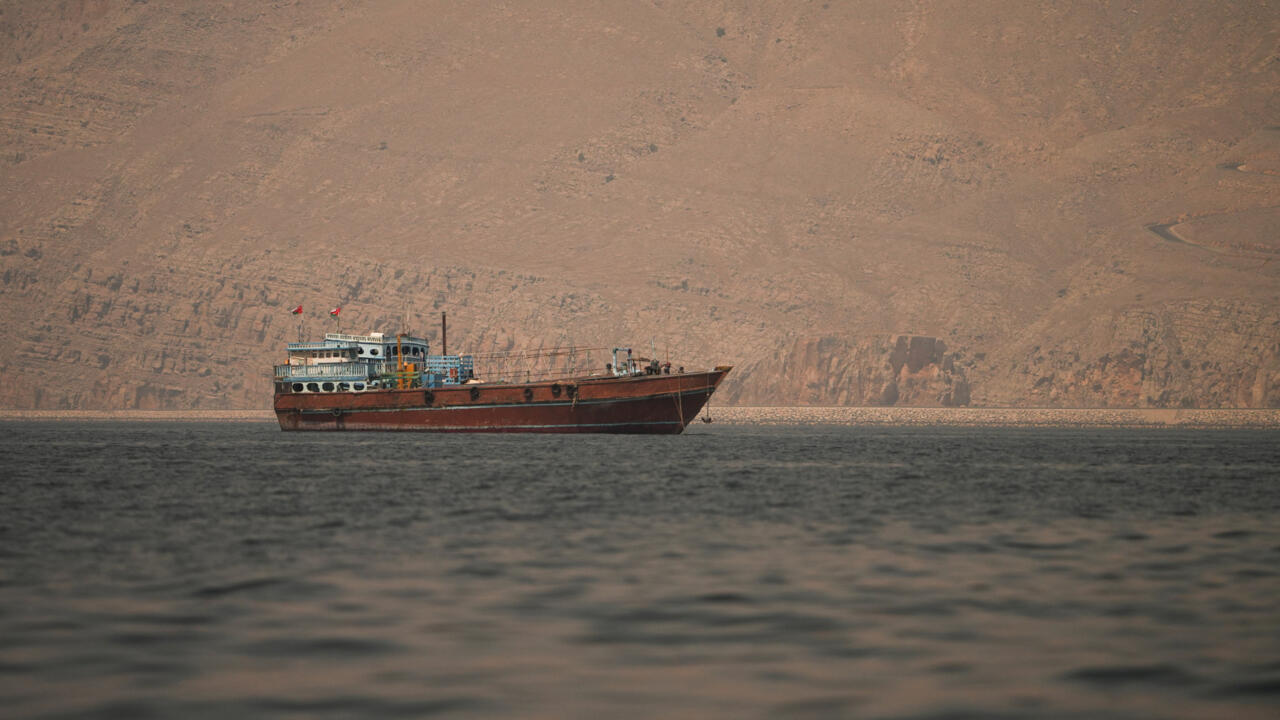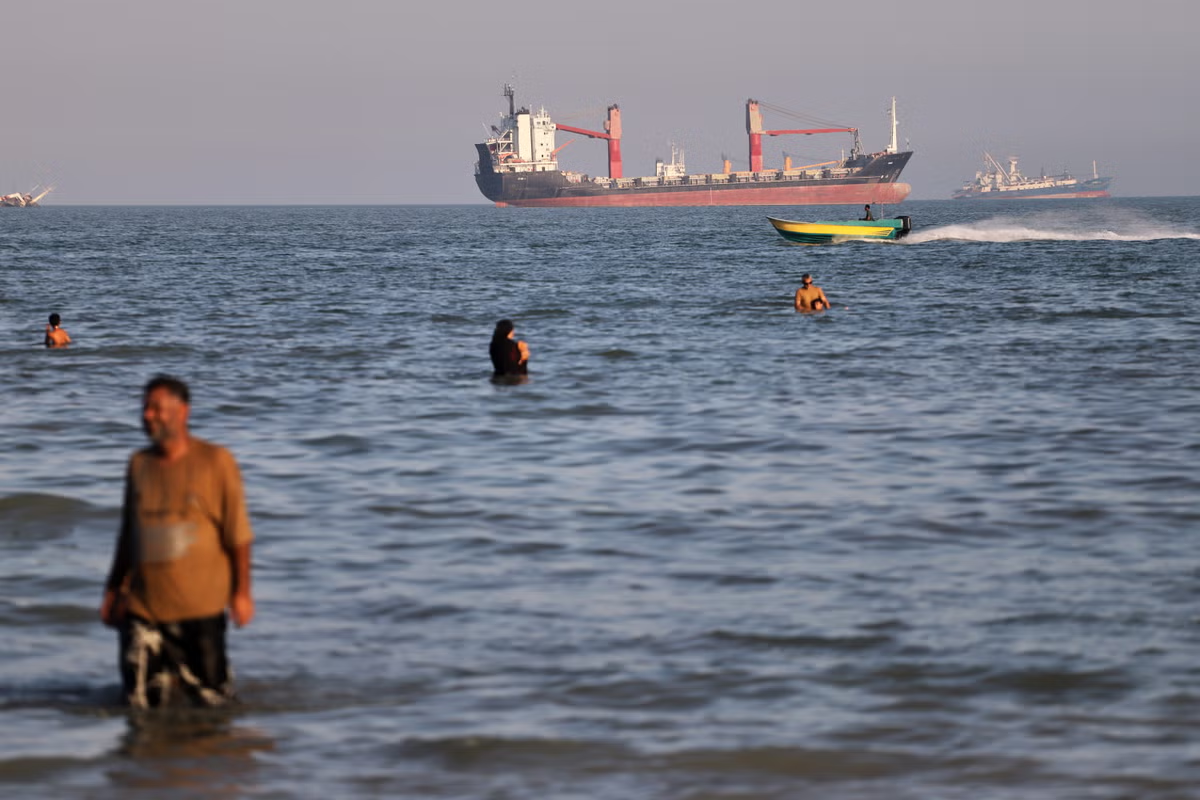
A Liberian oil tanker made its way out of the Strait of Hormuz on Thursday using a new route close to Oman's shore that has been promoted by a U.N. maritime agency, despite threats to shipping from Iran's paramilitary Revolutionary Guard. The transit of the Stoic Warrior and the threats come as tensions rise between Iran and the United States over the terms of their interim accord aimed at permanently ending the Iran war. From getting ships through the narrow mouth of the Persian Gulf to the future of Iran's stockpile of highly enriched uranium, the two nations are increasingly debating the terms of the deal signed last week. Through the signing of the memorandum of understanding, the U.S. and Iran agreed to a 60-day period to iron out these and other details. Until that happens — during private talks — leaders from both countries will also continue to negotiate in public, raising the risks of derailing the shaky ceasefire in the region.A major treat to the deal is the flareup of fighting in Lebanon between Israel and the Iranian-backed militia Hezbollah. On Wednesday. Israel launched an airstrike that killed two people in southern Lebanon, the country’s state-run news agency said. It was Israel’s first airstrike on Lebanon since the latest ceasefire took effect on Saturday. Tanker sails through Strait of Hormuz The Stoic Warrior — signaling that it planned to transit the Strait of Hormuz — took off early Thursday morning on a trip that saw it hug the coast of the United Arab Emirates and then Oman. The vessel then traveled around Oman's Musandam Peninsula fairly close to the shore, part of a route that Oman laid out alongside the International Maritime Organization, an agency of the United Nations that oversees shipping at sea. North of the route is the Traffic Separation Scheme, the route in the center of the strait that for decades ships moved through freely. The route is used for transport of about a fifth of all the world’s oil and natural gas. However, there has been the report of at least one mine sighted in the water after the Guard said that it mined the passage during the war that started on Feb. 28 with U.S. and Israeli strikes on Iran. The threat of mines shut off the route. The naval arm of the Revolutionary Guard, apparently reacting to Oman and the IMO's route, gave an angry warning Thursday, carried by Iran's state-run IRNA news agency. “A few hours ago, without notice or coordination with the Islamic Republic of Iran, some authorities announced a new route for ship traffic in the Strait of Hormuz, which is unacceptable and completely dangerous,” the Guard said.“It is hereby notified to all that the only authorized route for passing through the Strait of Hormuz is the one declared by the Islamic Republic of Iran," the Iranian force said. "Vessel traffic outside these routes is extremely dangerous and prohibited.”It added: “Violators will be dealt with,” without elaborating. There were no immediate reports of any incidents in the strait as the Stoic Warrior passed. Several ships trailed behind it, according to ship-tracking data. Anwar Gargash, a senior Emirati diplomat, warned Iran on Thursday over trying to impede the strait or put fees on vessels plying its waters. “New geopolitical facts cannot be imposed on the Arab Gulf states as a result of a treacherous aggression against them,” Gargash wrote on X. “It sows new seeds of discord and conflict for the future. And this is precisely what applies to the Strait of Hormuz.”
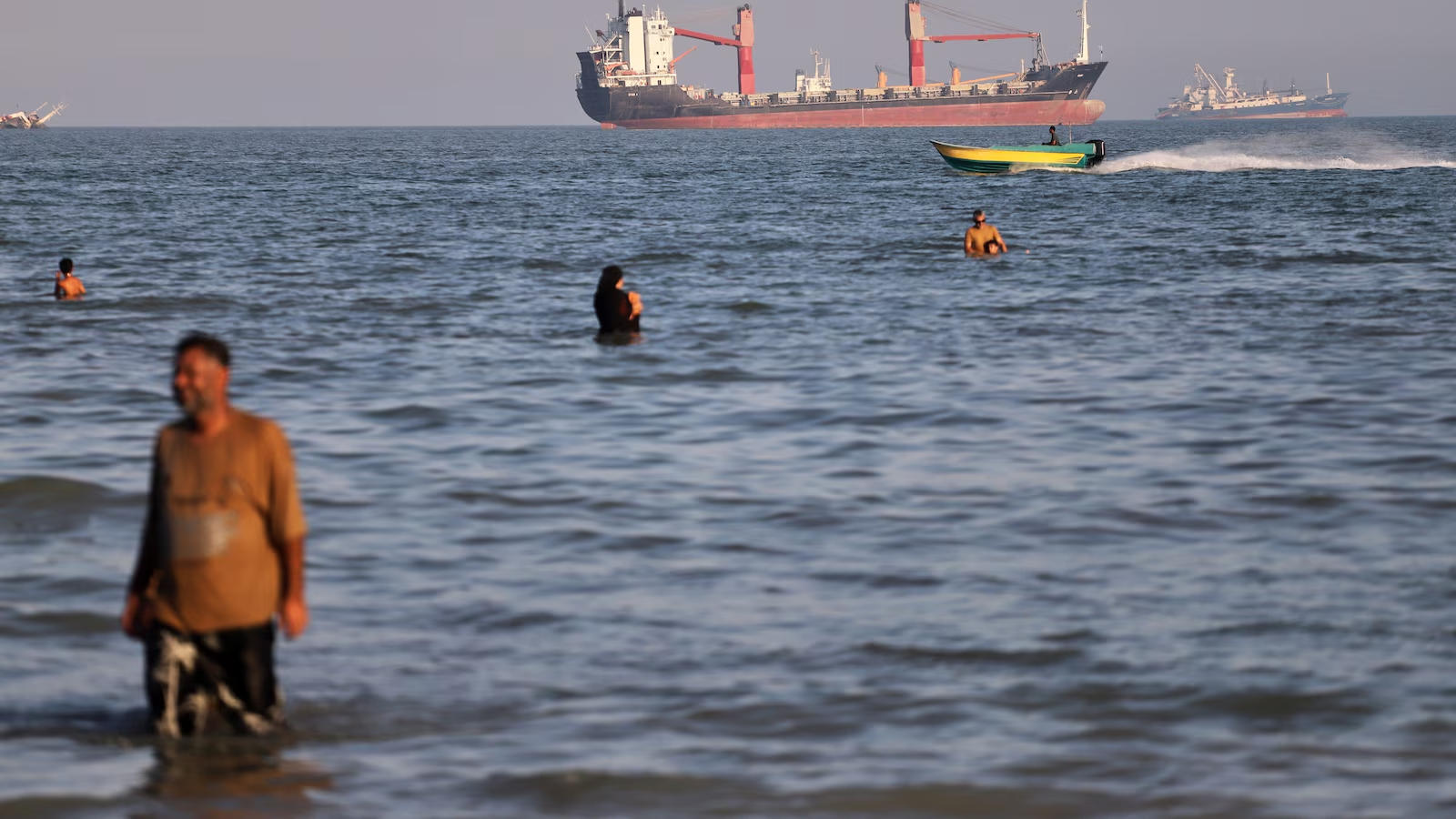
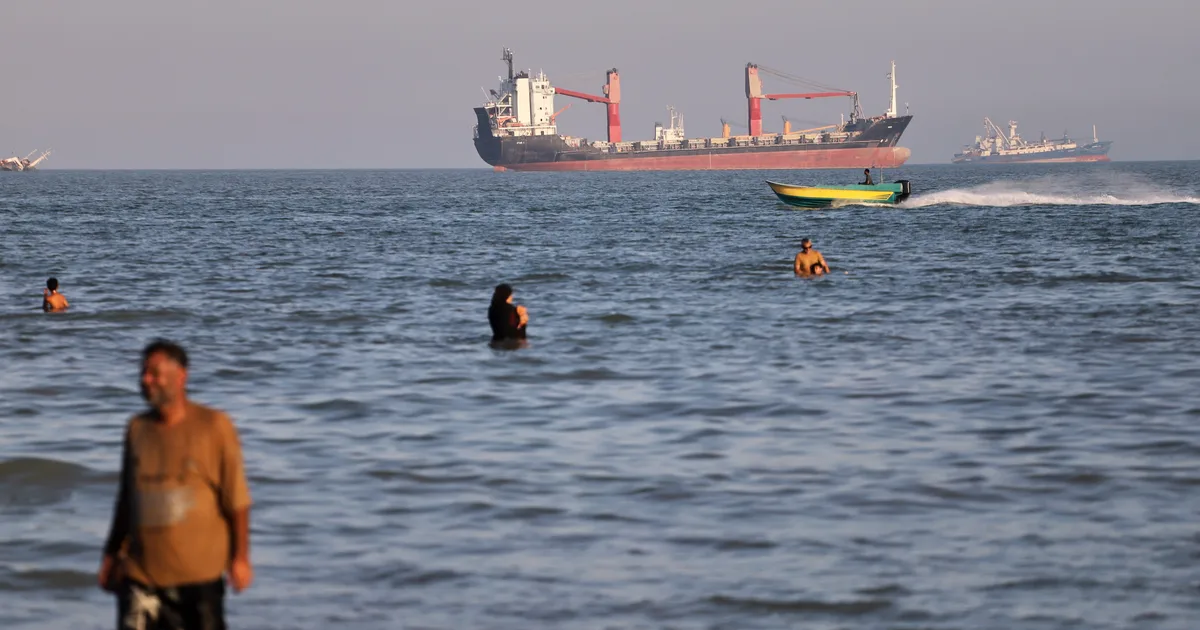
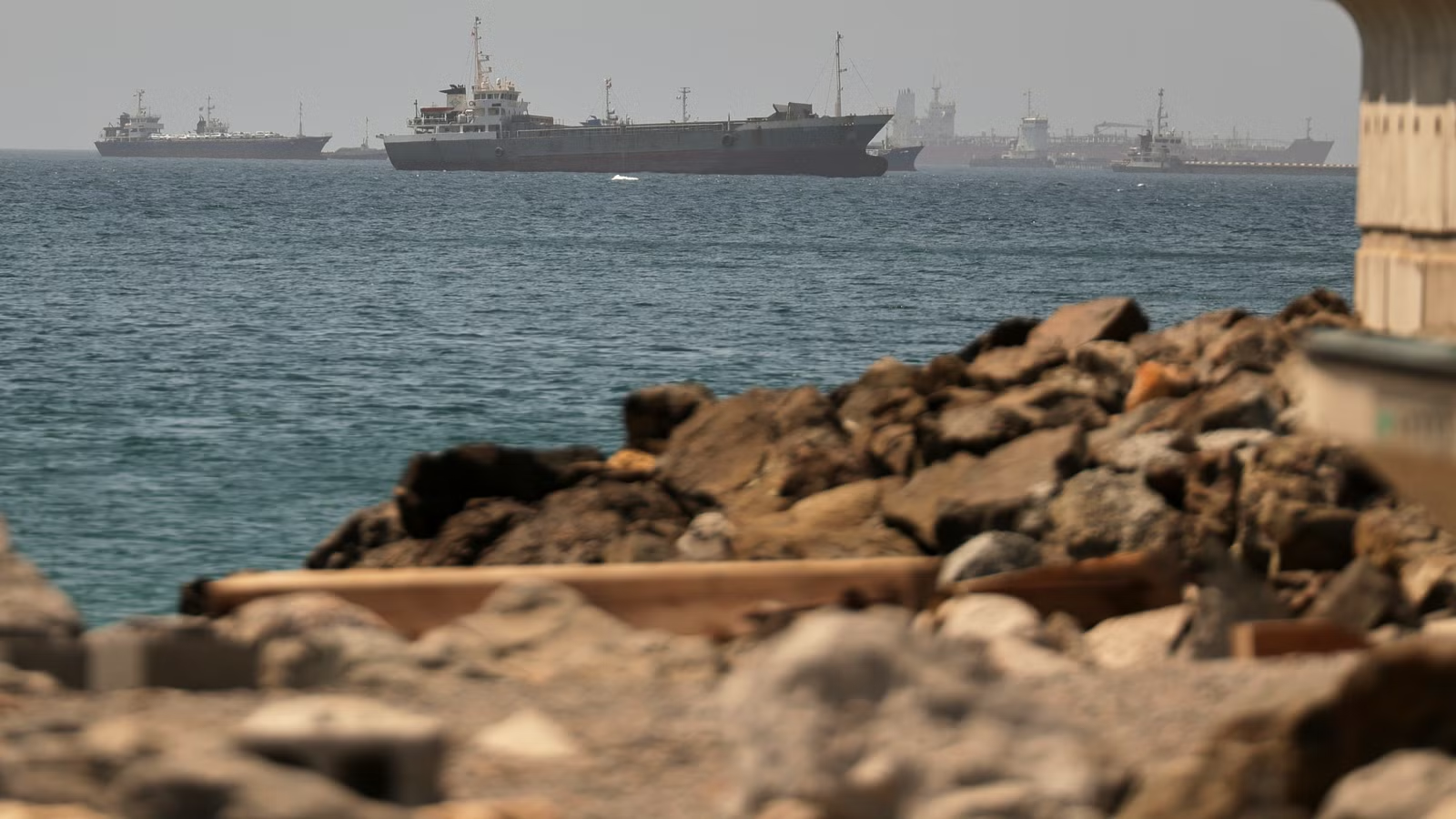
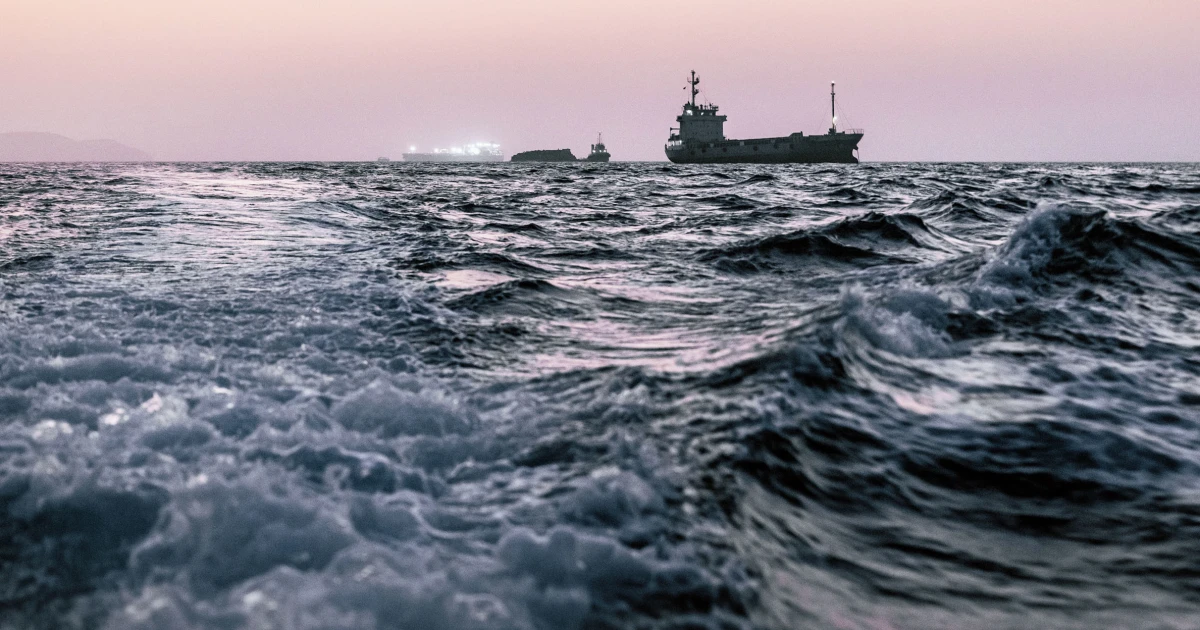
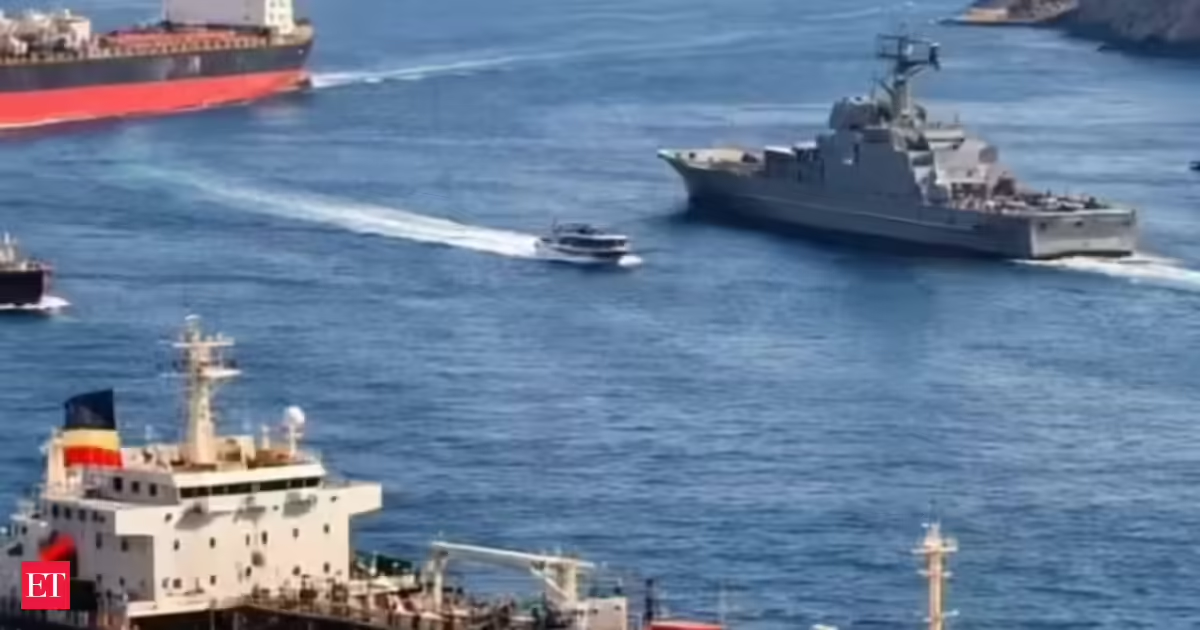
An oil tanker navigates the Strait of Hormuz despite threats from Iran's Revolutionary Guard
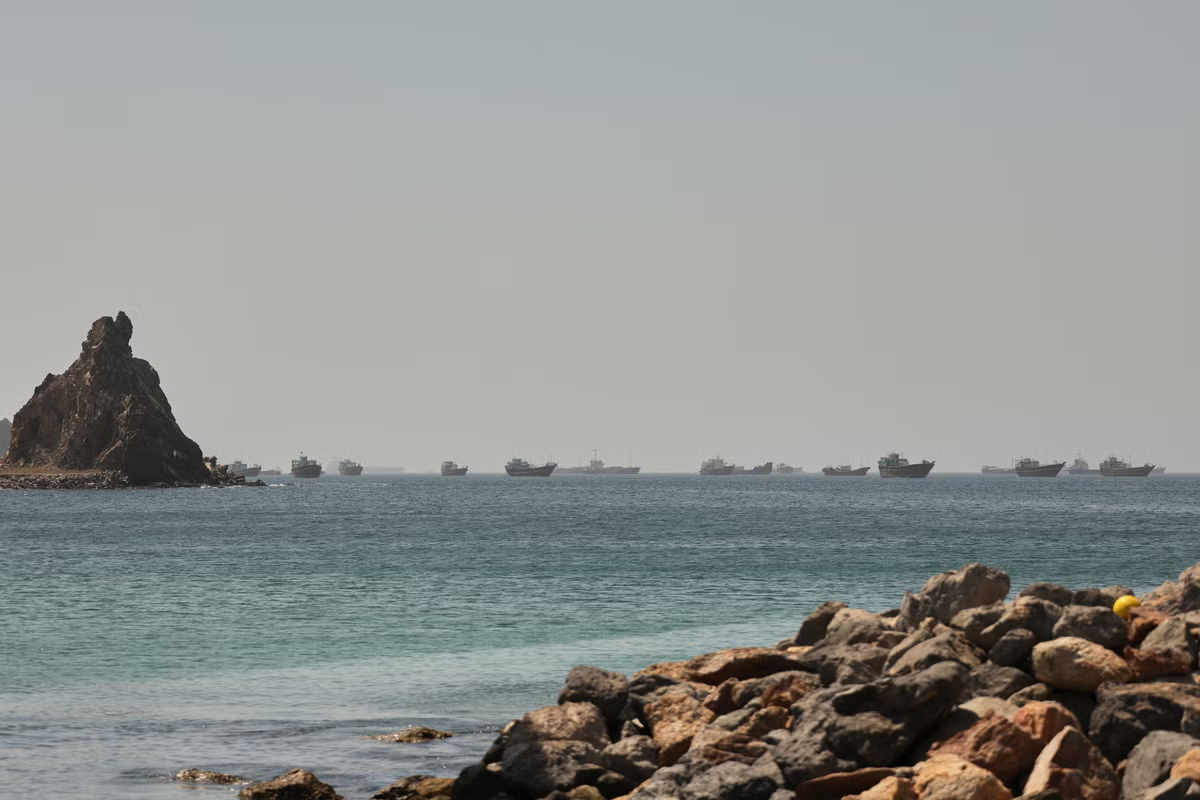
A Liberian oil tanker has navigated the Strait of Hormuz, using a new route close to Oman's shores that has been promoted by the Arab country and a U.N. maritime agency
593 words~3 min read