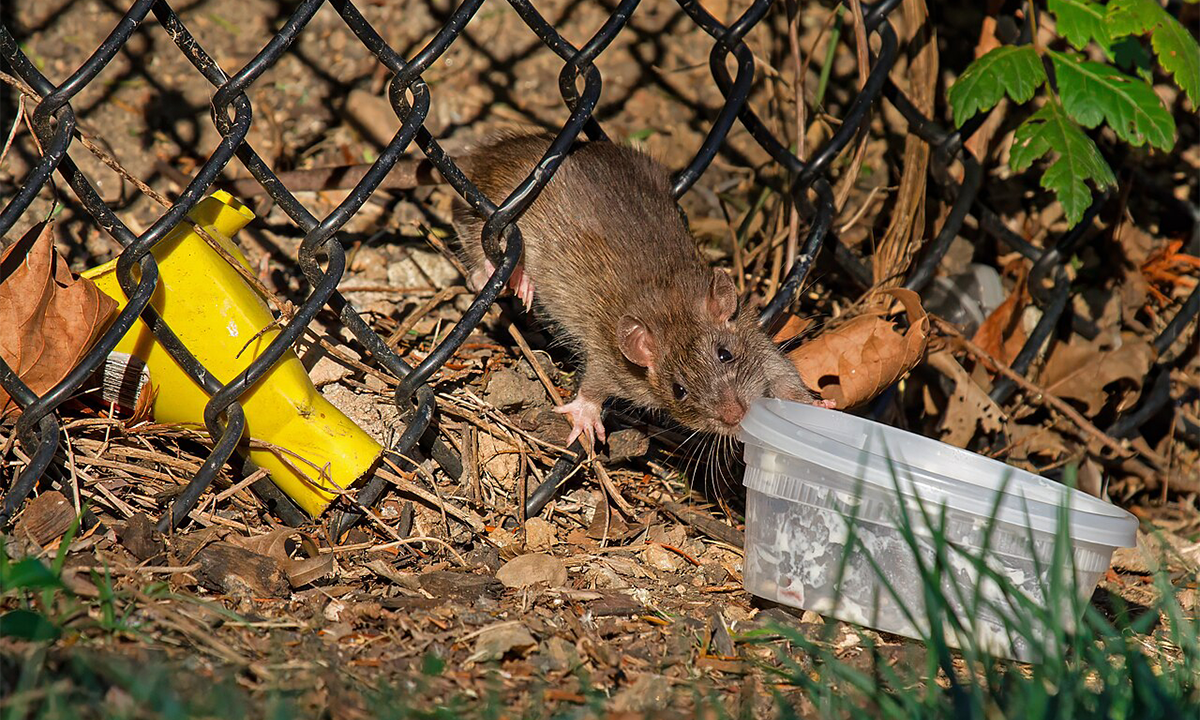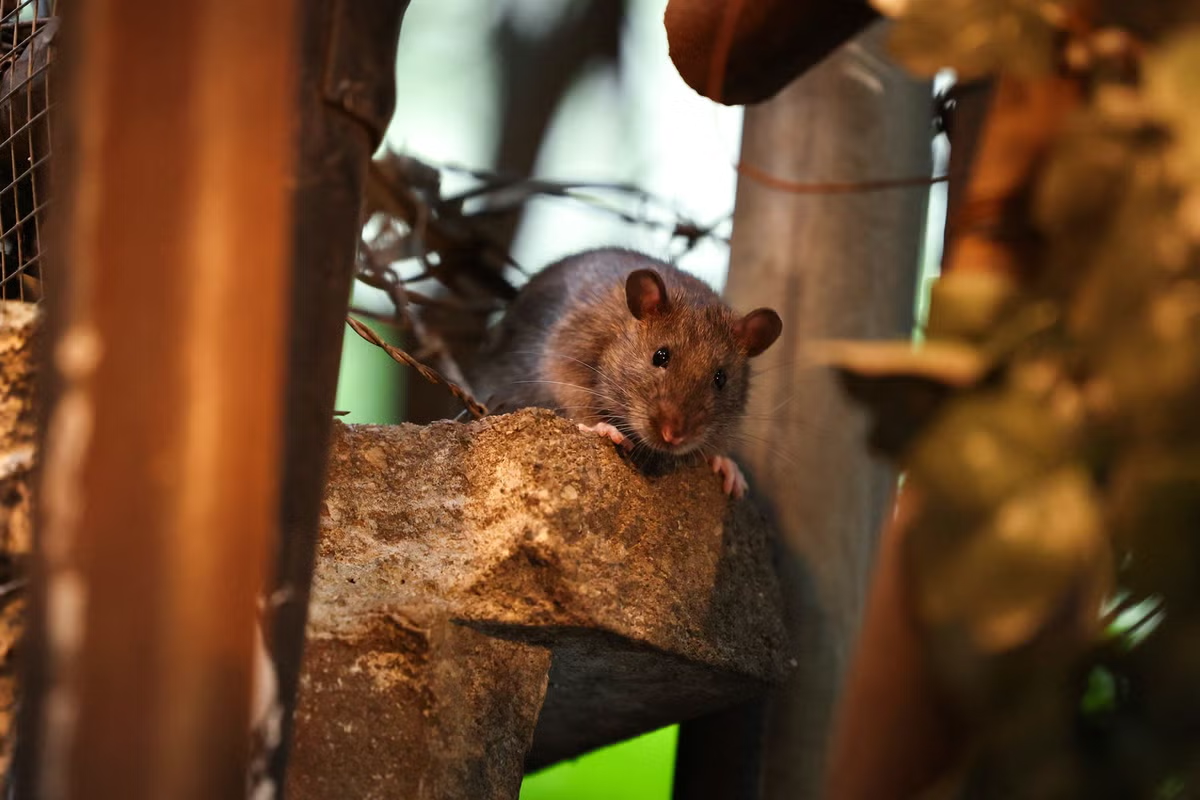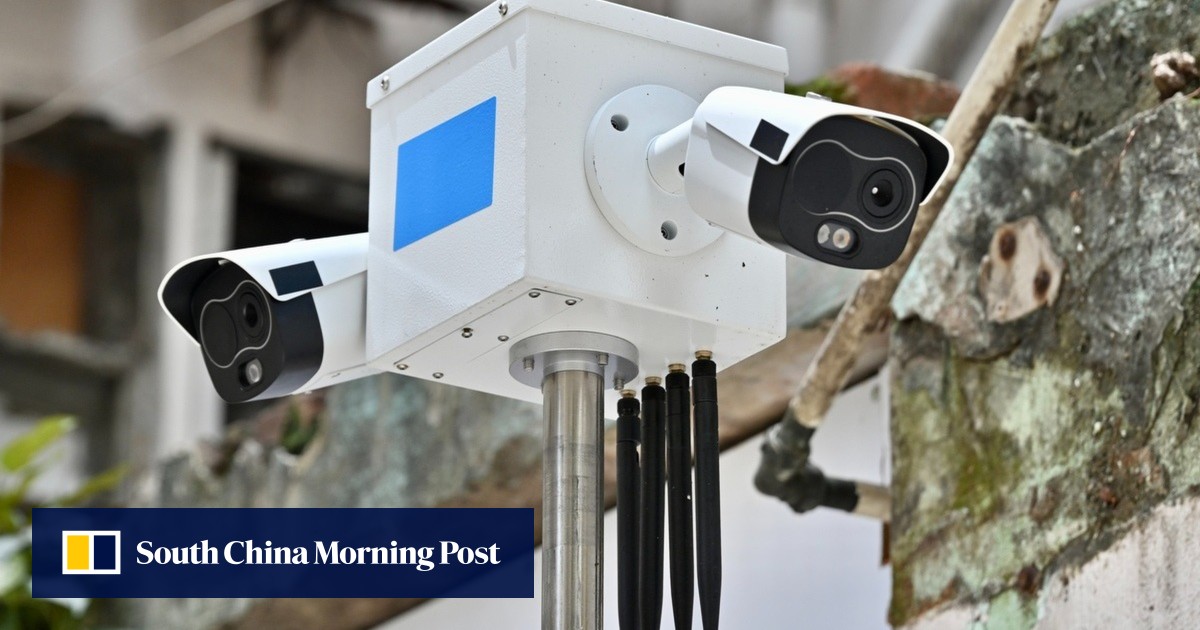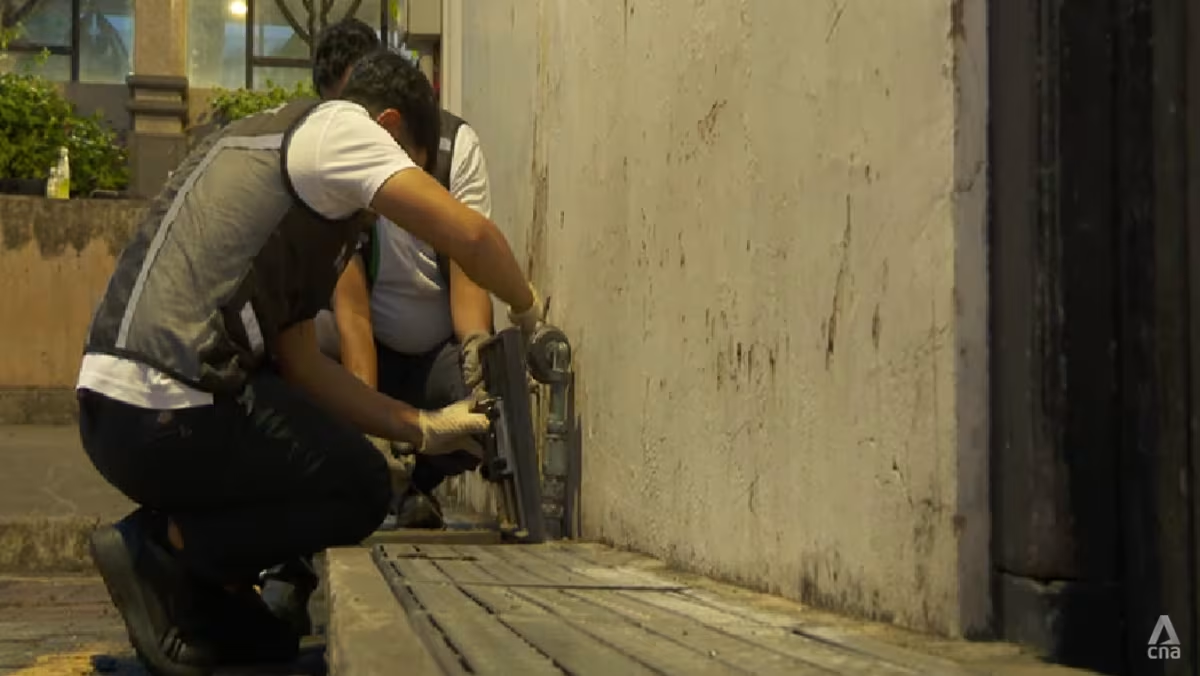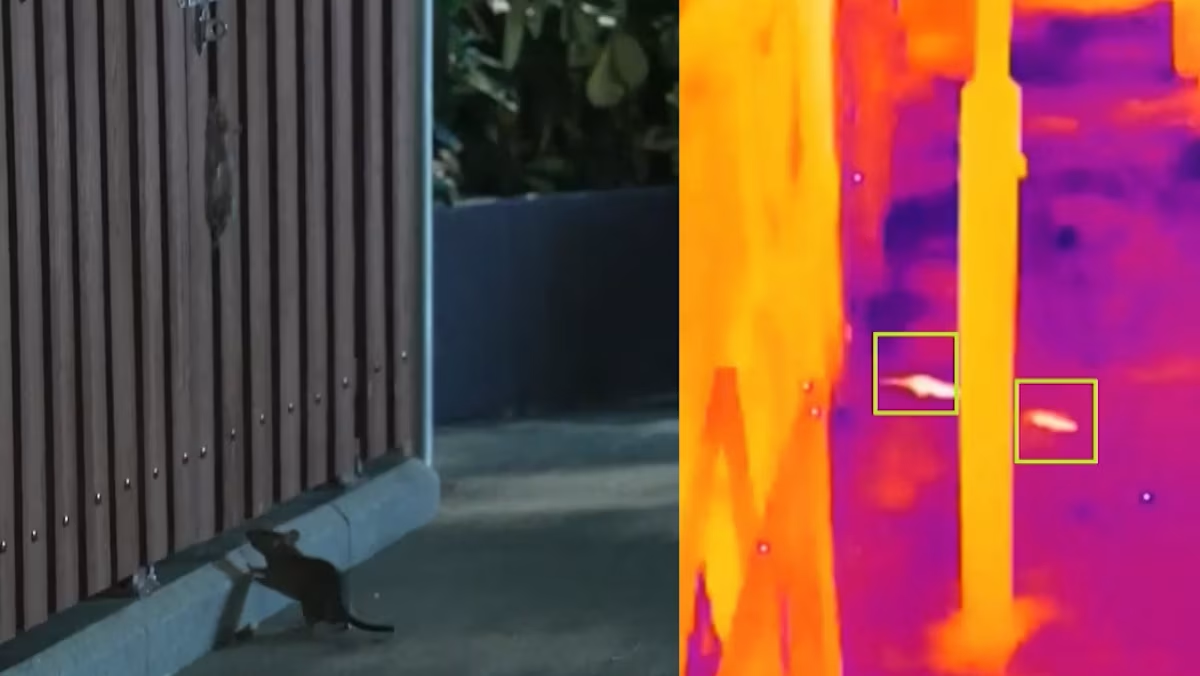
HONG KONG: Rats have long thrived in Hong Kong's crowded streets, parks and back alleys despite years of pest control efforts and complaints about widespread infestations."I used to live in one area and there were a lot of rats – and then when I moved to a new place, (there were) still a lot of rats. They are huge," said a Hong Kong resident who gave her name as Rain.Now, the densely populated city is turning to artificial intelligence, using thermal imaging cameras to monitor rodent activity primarily at night.The AI-powered surveillance system, introduced in 2024, analyses these thermal images to generate a “Rodent Absence Rate” (RAR) – the percentage of images captured at a location that show no rats – to help authorities target infestations more effectively.According to Hong Kong's Food and Environmental Hygiene Department, data collected last year showed "significant improvement" in more infested areas.However, government data also showed dozens of survey locations recorded an RAR of below 80 per cent. This means more than one in five images captured at those locations still showed rats.AI CANNOT FULLY SOLVE THE ISSUEFor a city of more than 7 million people, experts say Hong Kong's rat problem remains an environmental management challenge that AI can help monitor, but not solve on its own.“It's one measurement that has to be added to several other measurements. We measure food sources, how available food is, and does that increase or decrease?” said New York-based urban rodentologist Bobby Corrigan.“We measure how many rat signs we see in a park – rats love parks. And so, we will count all their rat burrows … and put all these things in a formula, if you will, to add up to the big picture," added Corrigan, who has designed rodent control programmes for cities in the United States and Canada for about 20 years.
Hong Kong turns to AI to tackle persistent rat infestations, but challenges remain
Experts say the city’s rat problem remains an environmental management challenge that artificial intelligence can help monitor, but not solve on its own.
670 words~3 min read