The race for the agent runtime isn't about models. It's about who controls the layer that keeps an agent alive, gives it memory, and decides what it can touch.
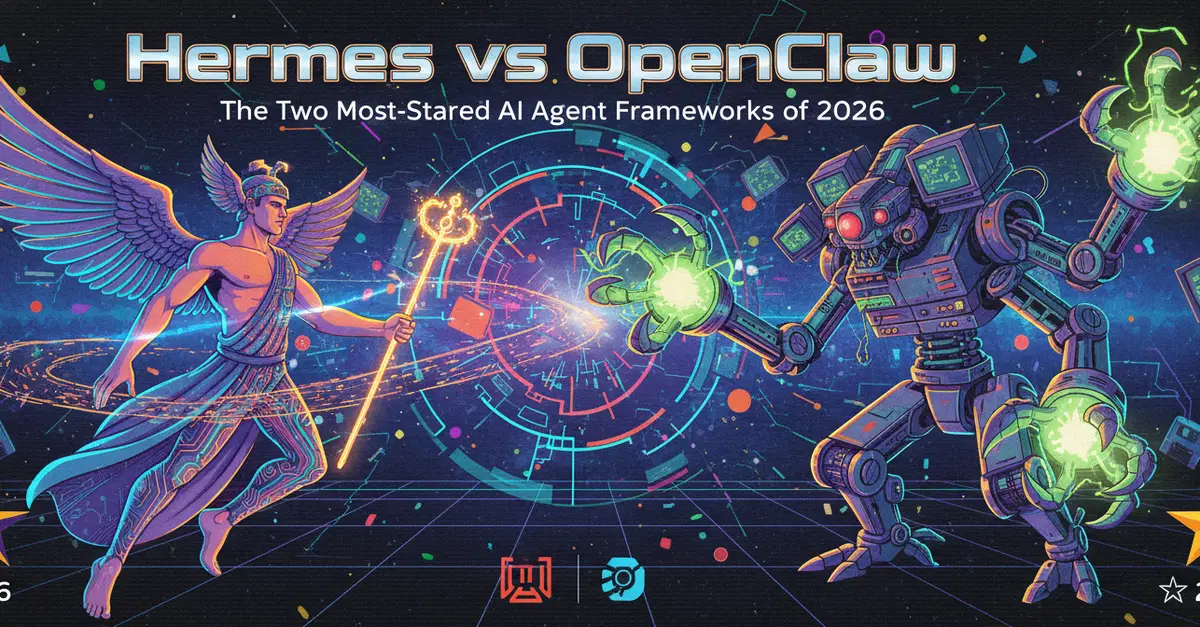
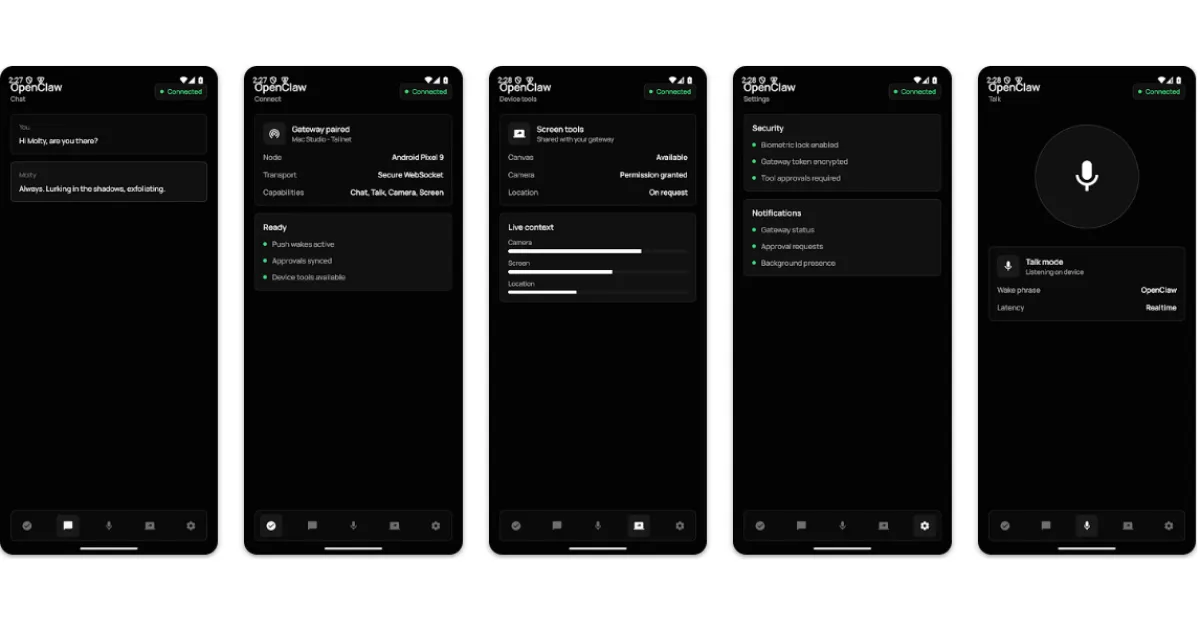
Two open projects defined that layer in 2026. OpenClaw, built around a broad gateway connecting agents to dozens of messaging channels, drew OpenAI, Nvidia, and Microsoft into its orbit. Hermes Agent, from Nous Research, built around persistent memory that learns a developer's codebase and refines itself over time — and overtook OpenClaw in OpenRouter's daily token rankings in May.
They agree on what an agent harness is. They disagree on which part matters most.
What actually changed
OpenClaw went enterprise via platform vendors. Nvidia wrapped it in NemoClaw at GTC in March, sandboxing each agent and enforcing policy from outside the agent's reach. Microsoft made it native to Windows execution containers at Build in June, shipping Scout — an enterprise agent with an Entra identity, wired into Teams, Outlook, and SharePoint. Breadth got distribution; the platform vendors added the controls.