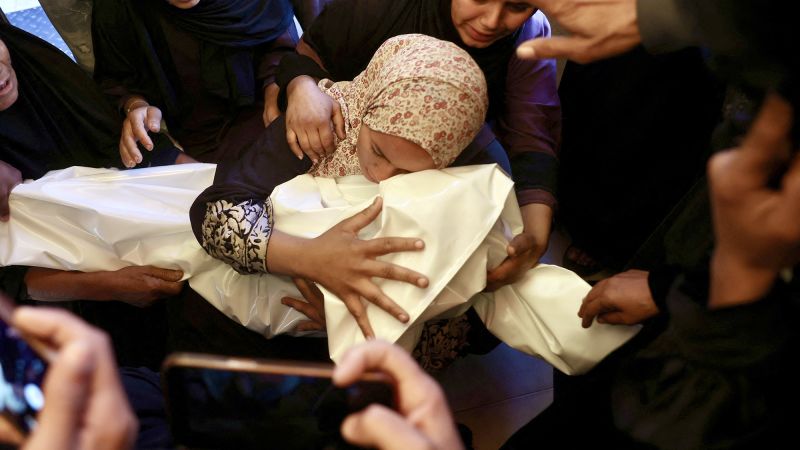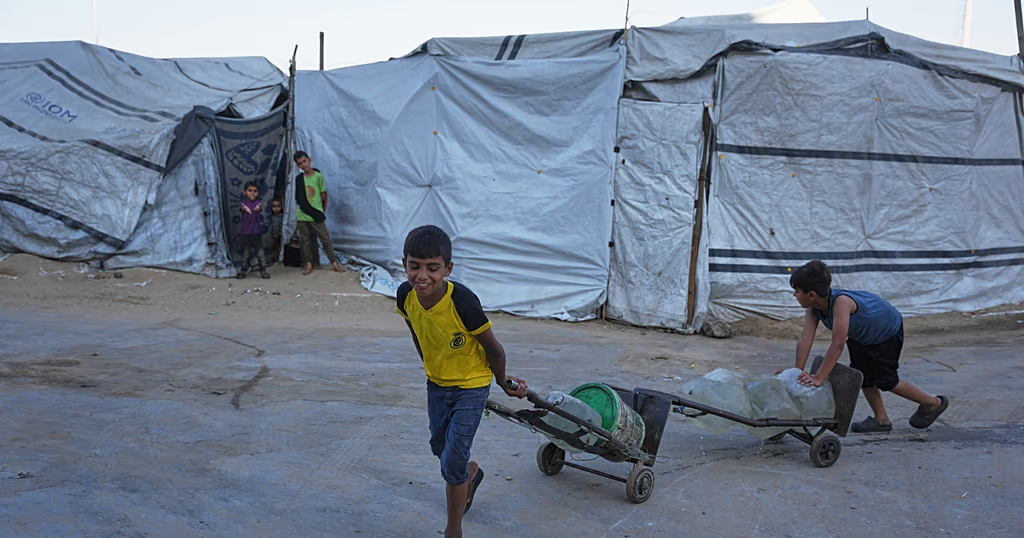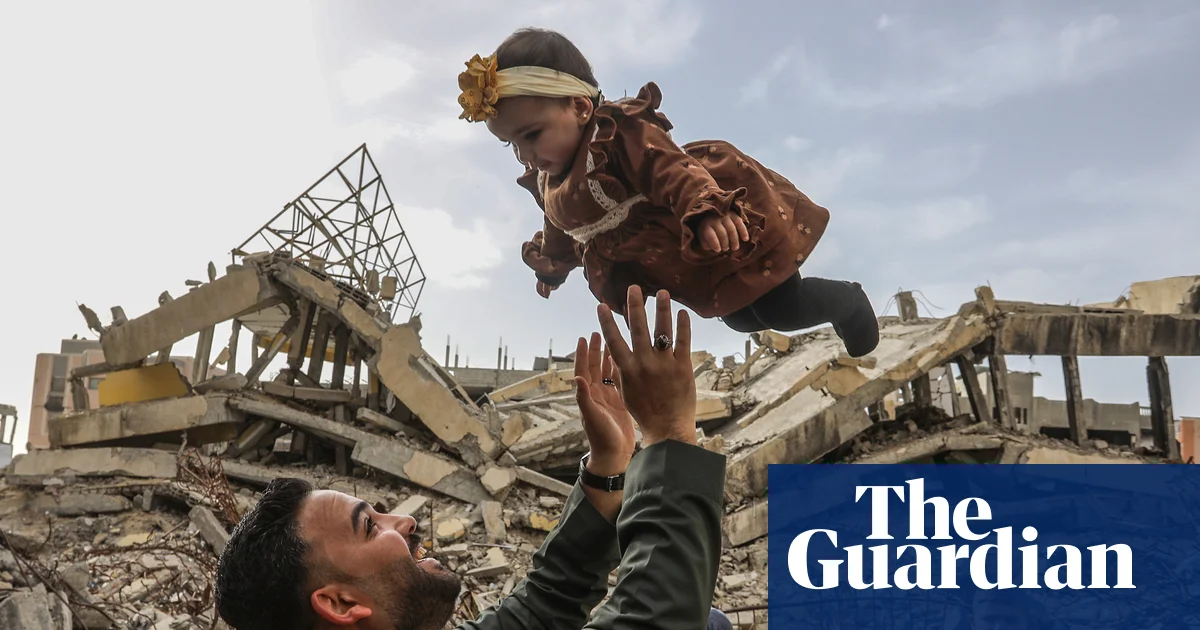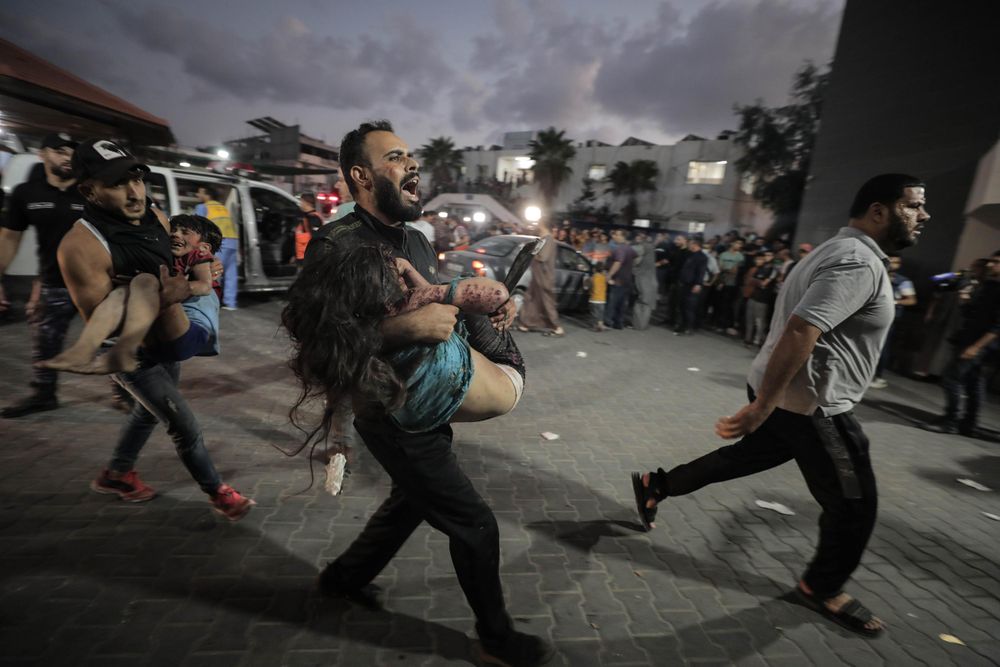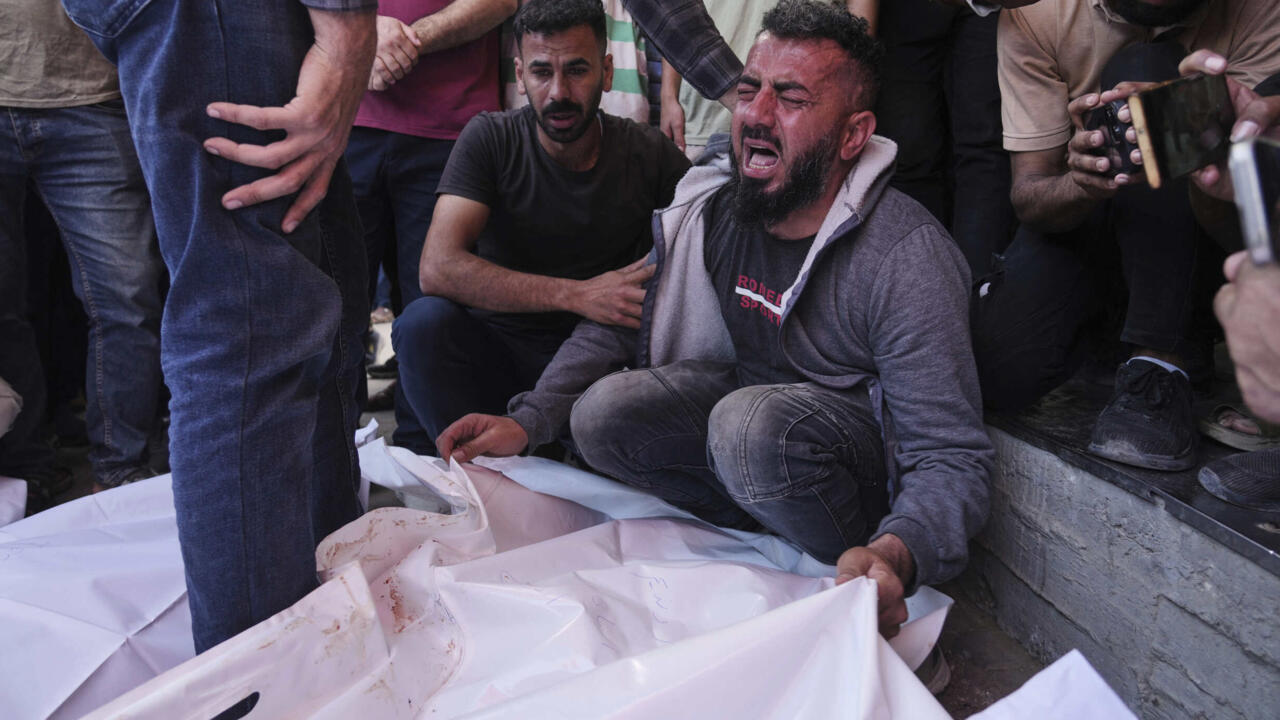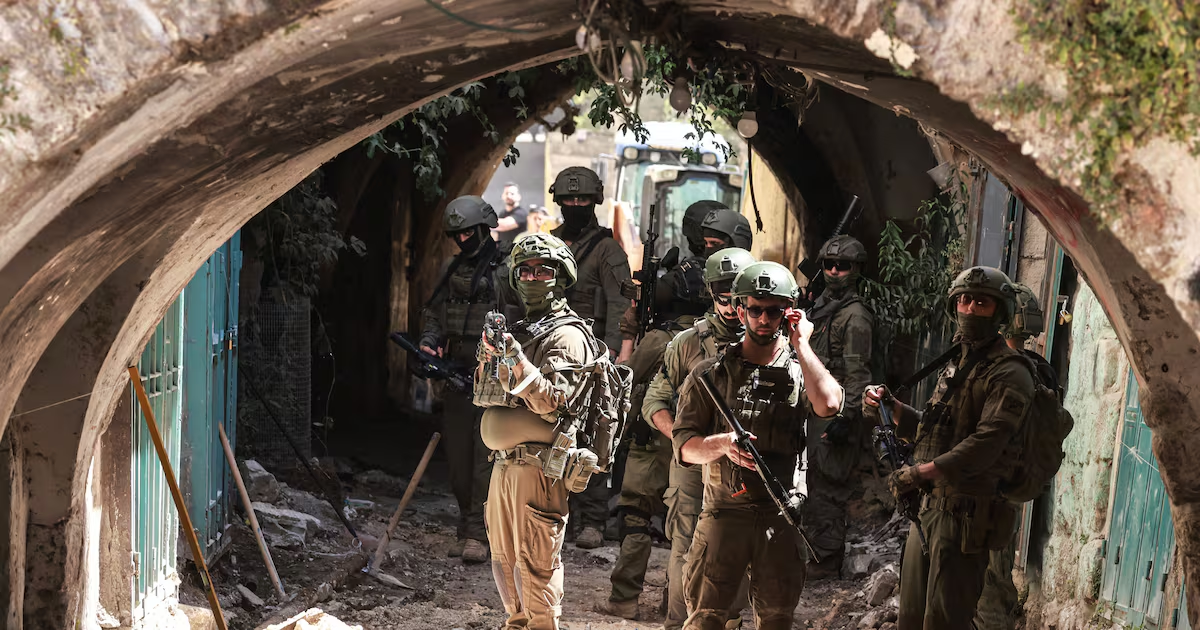
A new United Nations-sponsored report documents the targeted killing of children in Gaza and identifies the weapons used, as well as the Israeli military units responsible. Some of the arms manufacturers involved are making a killing in Europe.Holding child killers to accountThis week’s report by an international commission of inquiry mandated by the UN human rights council made headlines partly on account of its description of Israel’s deliberate targeting of children in Gaza as genocide. But it also breaks new ground in terms of accountability by identifying the Israel Defense Forces (IDF) units responsible for specific killings, as well as the weapons and technology systems they used.The report concludes that Israel has killed 20,000 children and injured 44,000 since October 7th, 2023, and that the evidence shows that its forces have deliberately targeted Palestinian children. It says that severe physical and mental injuries, mass trauma, orphanhood, separation, disability, starvation and the collapse of education and healthcare have erased childhood and will continue to affect children in Gaza throughout their lives.“Even if the bombs and guns fall silent in Gaza and West Bank, Palestinian children will not simply recover overnight,” the commission’s chair, Srinivasan Muralidhar, said. “The destruction of their health, education and development is irreversible.”Among the incidents the commission investigated was the killing of five year-old Hind Rajab on January 29th, 2024, as well as six members of her extended family and two paramedics who came in an ambulance in an attempt to rescue her. Hind had spent hours on the phone to the Palestine Red Crescent, trapped in a car targeted by the IDF after her uncle, her aunt and her 15 year-old cousin had been killed before she herself was shot and killed.Israel said that its forces were not nearby at the time, a claim the commission finds to be false, concluding that the IDF’s 401st Brigade, under the 162nd Division, had been operating in the area and had deliberately targeted and killed Hind and her extended family, as well as the paramedics in the ambulance. It said the same unit was responsible for an incident a month earlier in Sheikh Radwan when soldiers threw four grenades into a house where 30 members of a family were sheltering, severely injuring a five-year-old boy before entering the building where they shot and killed eight family members, including the parents.The commission found that members of the IDF’s Kfir Brigade targeted two brothers aged nine and 10, killing them in a drone strike near Khan Younis on November 29th, 2025, (a month after the ceasefire between Israel and Hamas) as they gathered firewood for their father, who used a wheelchair. The report documents the extensive use of drones in the killing of Palestinian children, including a new generation of quadcopters with an advanced shooting system allowing precision strikes beyond visual range.Former IDF soldiers have compared using attack drones to playing a video game and one soldier who used them in Gaza told the ITVX documentary Breaking Ranks: Inside Israel’s War that it is the technology that most dehumanises the other side.“You see everything on a screen. You drop the bomb. It feels like a game. You can sit in some basement of a house, safe, with your helmet off, scratching your balls, half-dressed, and kill Palestinians,” he said.The commission identified attack drones developed by Elbit Systems called Birds of Prey and another developed by Xtend (both Israeli companies) as among those used by the IDF. The report found that the machine gun used in the killing of five-year old Hind Rajab was a model developed by the Belgian firm Fabrique Nationale/FN Herstal.All these companies stand to benefit from the dramatic expansion in European defence budgets, despite the fact that the EU’s €800 billion Readiness 2030 plan is designed to favour European manufacturers. Elbit last month announced a $1.4 billion, five-year contract for an unidentified European military customer, including autonomous unmanned systems, advanced land electronic warfare capabilities, software-defined radios, electro-optical reconnaissance systems and precision-guided artillery and air-to-ground munitions.It is one of the company’s biggest recent deals and Europe is becoming a central growth engine for Elbit, accounting for 23.4 per cent of its total revenue in the first three months of this year.“Europe continues to hold record opportunities for us,” Elbit chief executive Bezhalel Machlis said. “Countries across the Continent are investing heavily in building independent defence capabilities, and we are well positioned thanks to our extensive network of subsidiaries, which have become an integral part of local industries and are building production capabilities for the long term.”Please let me know what you think and send me your comments, thoughts or suggestions for topics you would like to see covered to denis.globalbriefing@irishtimes.com
Israeli companies that make weapons killing children in Gaza set for European growth
UN report identifies weapons used in Israel’s targeted killing of Gaza children, as well as the military units responsible
780 words~4 min read