As digital technologies become increasingly central to economic competitiveness and strategic influence, questions of data control, platform ownership and technological governance have moved to the centre of global politics. What makes South Korea’s experience particularly striking is that these pressures originate not from outside the alliance network, but from within it.
Two disputes currently shaking South Korea’s digital landscape reveal the broader challenges of preserving digital sovereignty while deepening alliance partnerships.
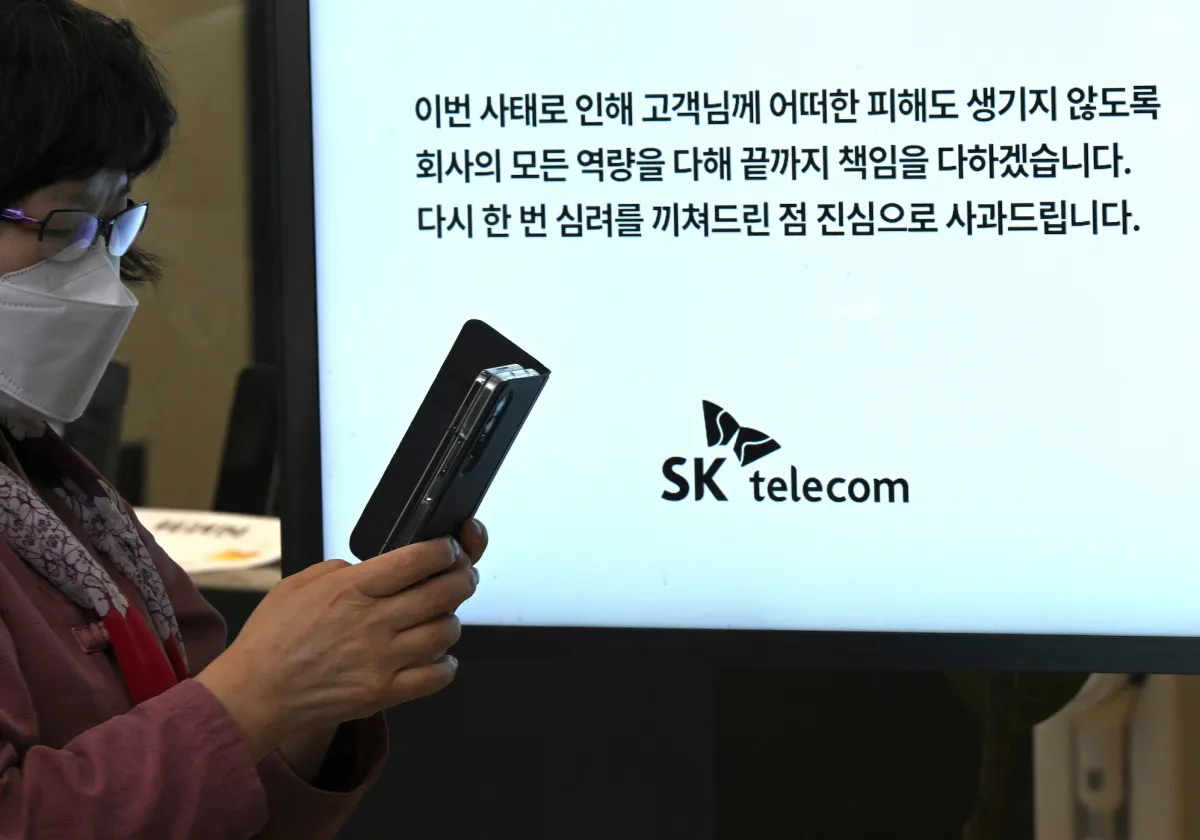
The first case concerns Japan’s pressure on South Korean conglomerate Naver’s ownership stake in messaging app LINE — one of the most successful overseas ventures of a South Korean digital platform. LINE is Japan’s top messaging application, operated by LY Corporation — a joint venture between South Korea’s Naver and Japan’s SoftBank. Following a 2023 cyberattack on Naver Cloud that exposed user data, Japanese regulators initiated a review of the platform’s governance.
Such concern is consistent with a global trend in which governments are becoming more assertive in securing control over critical digital infrastructure. But Japan’s Ministry of Internal Affairs and Communications extended its intervention beyond technical remediation, delivering an administrative guidance in 2024 which encouraged LY Corporation to reassess its capital relationship with Naver. While formally non-binding, this guidance carried considerable influence. By early 2026, LY Corporation had largely eliminated operational dependencies on Naver, with influence increasingly shifting towards Japanese stakeholders.