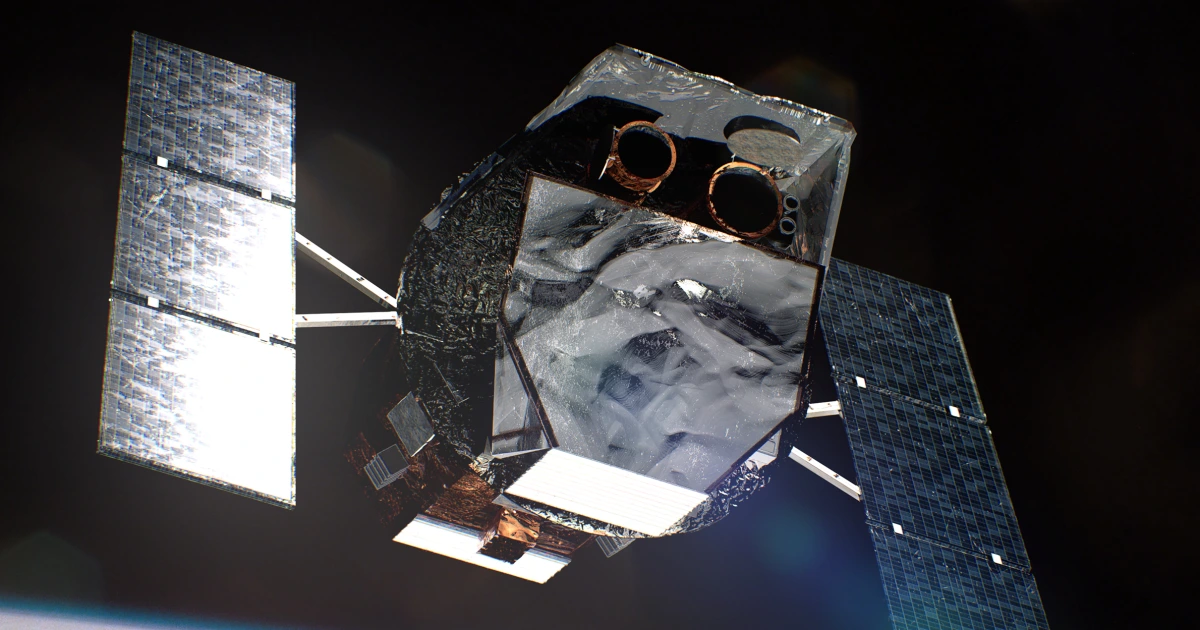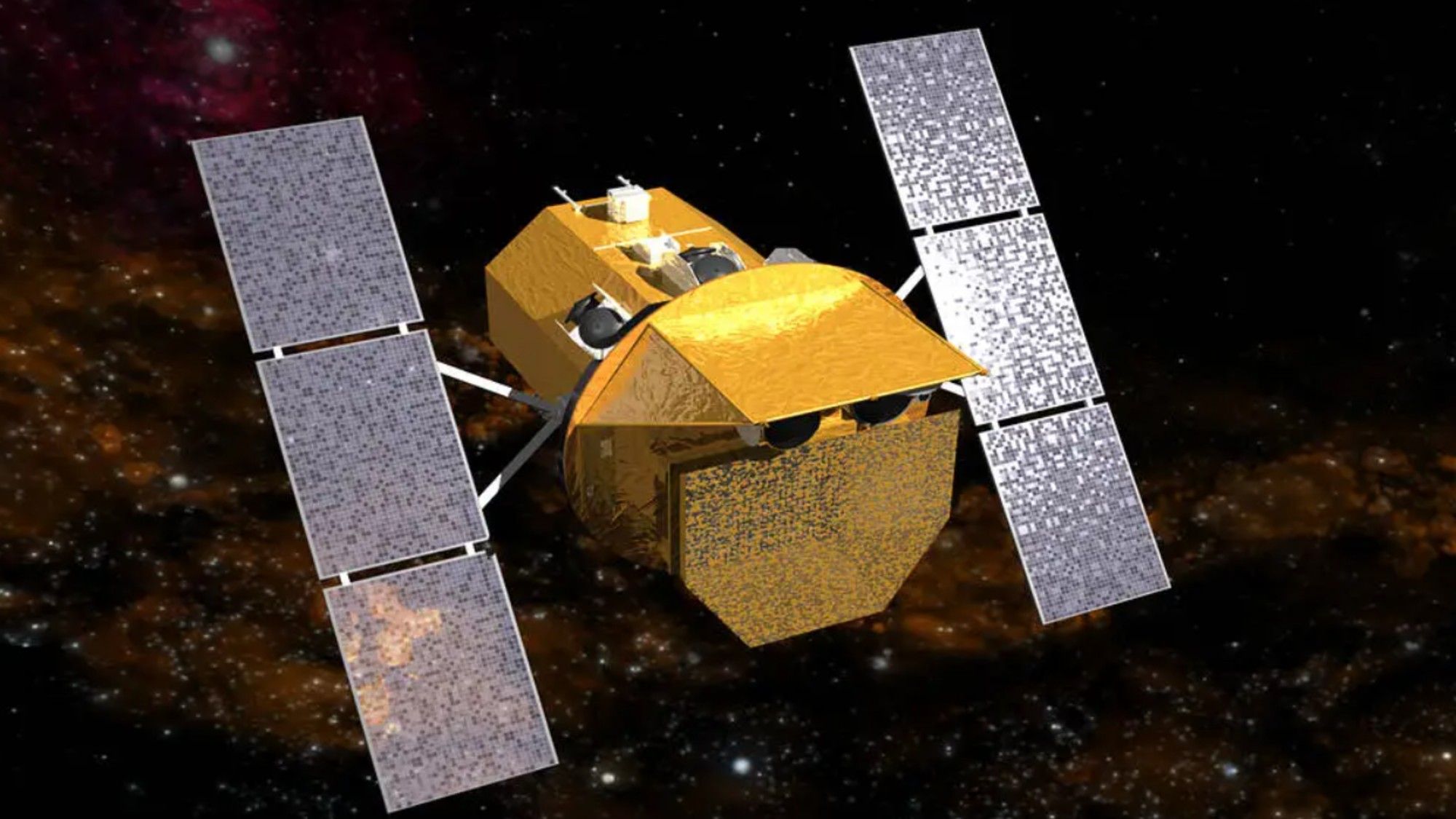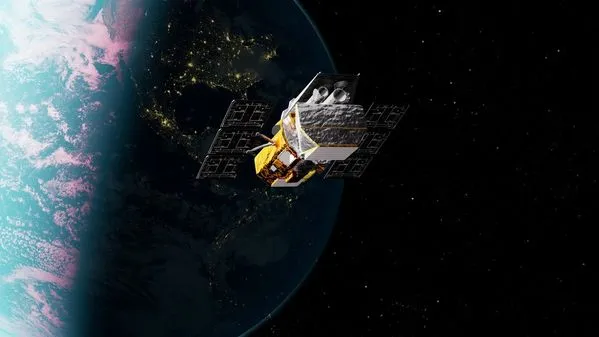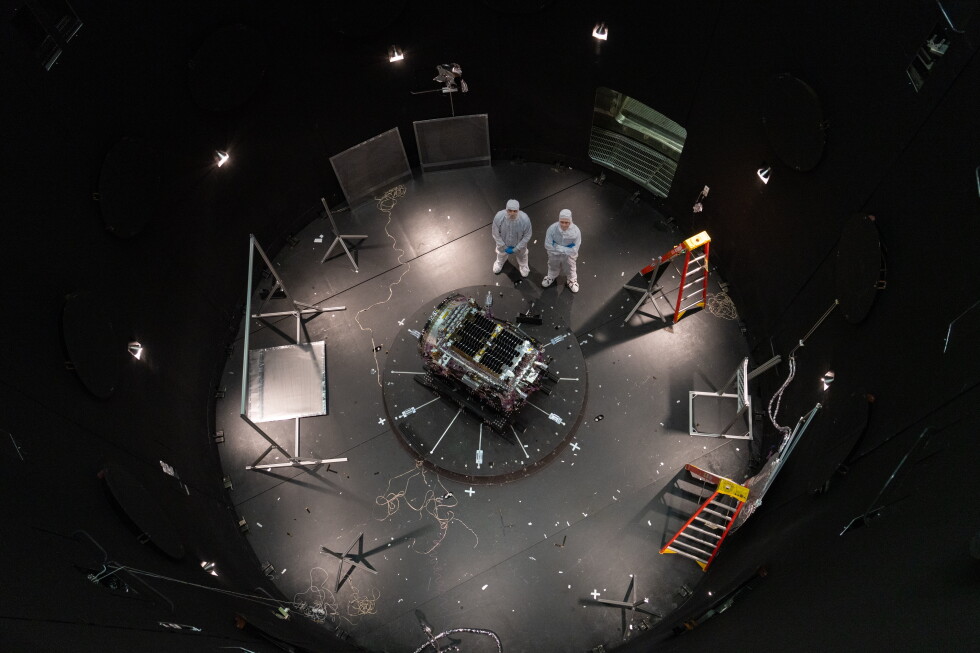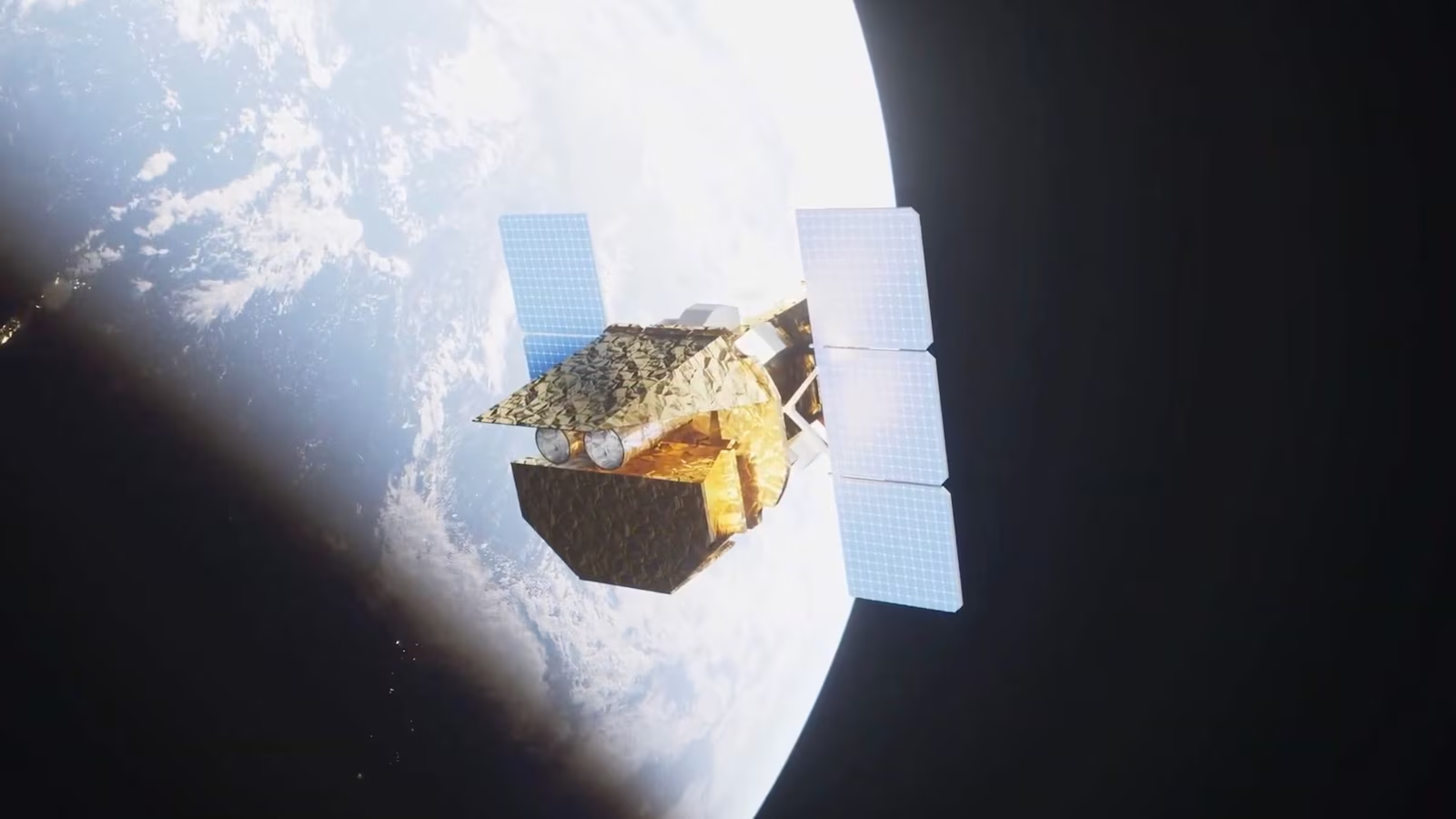
For more than two decades, NASA's Neil Gehrels Swift Observatory has acted as one of astronomy's fastest cosmic first responders.
The space telescope has detected thousands of powerful gamma-ray bursts, monitored exploding stars and helped scientists study some of the universe's most extreme phenomena.
Despite being well beyond its original mission lifespan, Swift remains a crucial tool for astronomers around the world.Today, however, the observatory faces an unexpected threat, not from the harsh environment of space, but from the gradual loss of altitude that is pulling it closer to Earth.
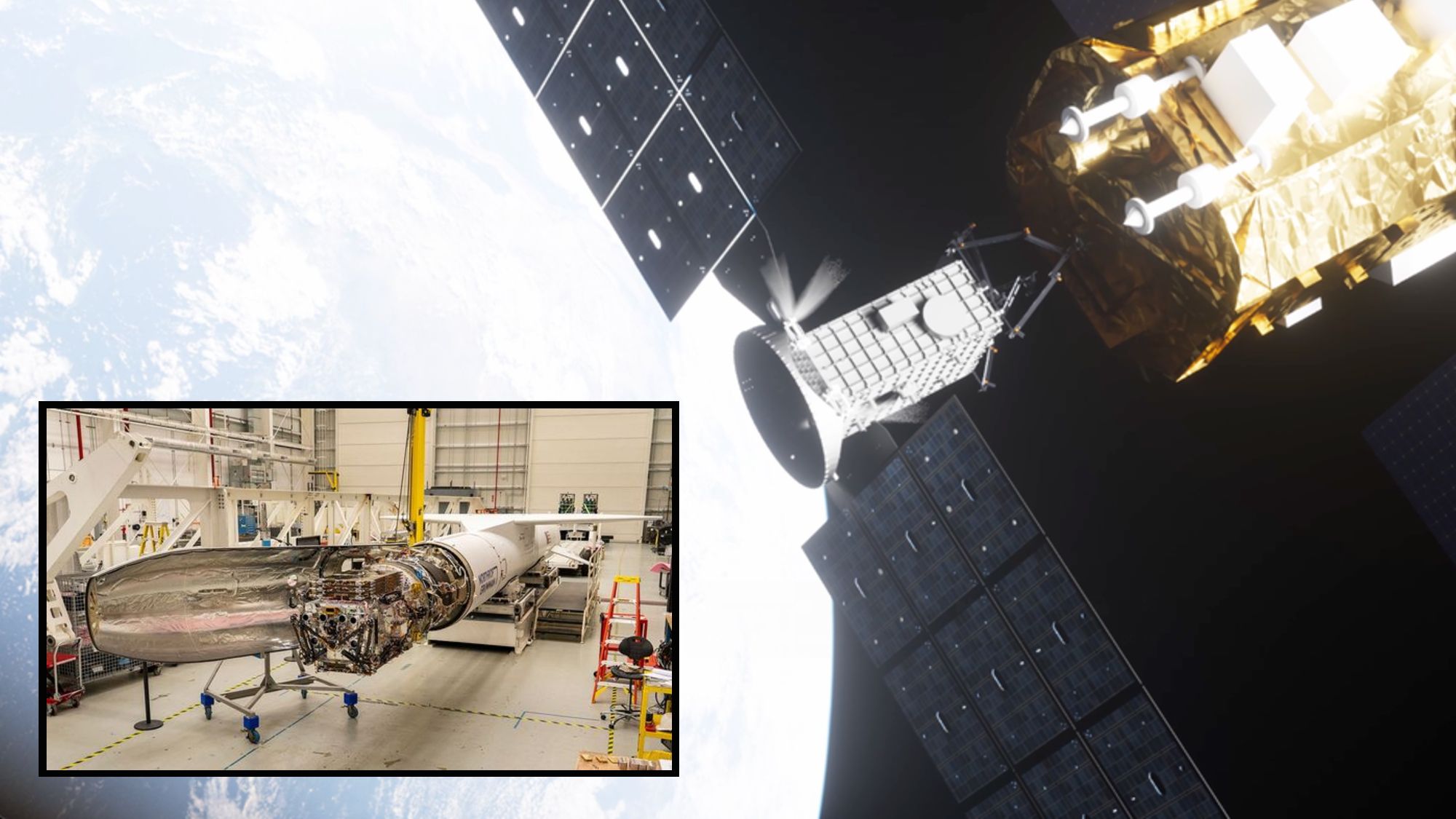
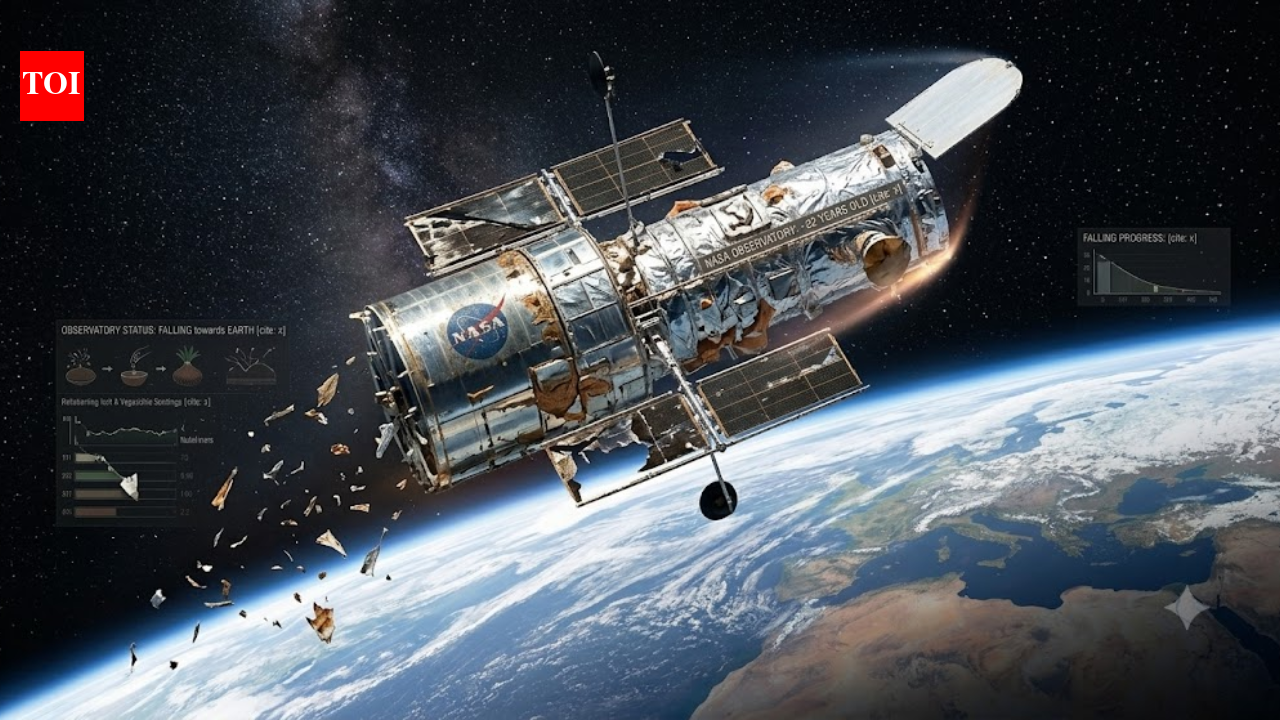
Increased atmospheric drag caused by heightened solar activity has accelerated the spacecraft's orbital decay, raising concerns that the telescope could eventually re-enter the atmosphere and be lost.
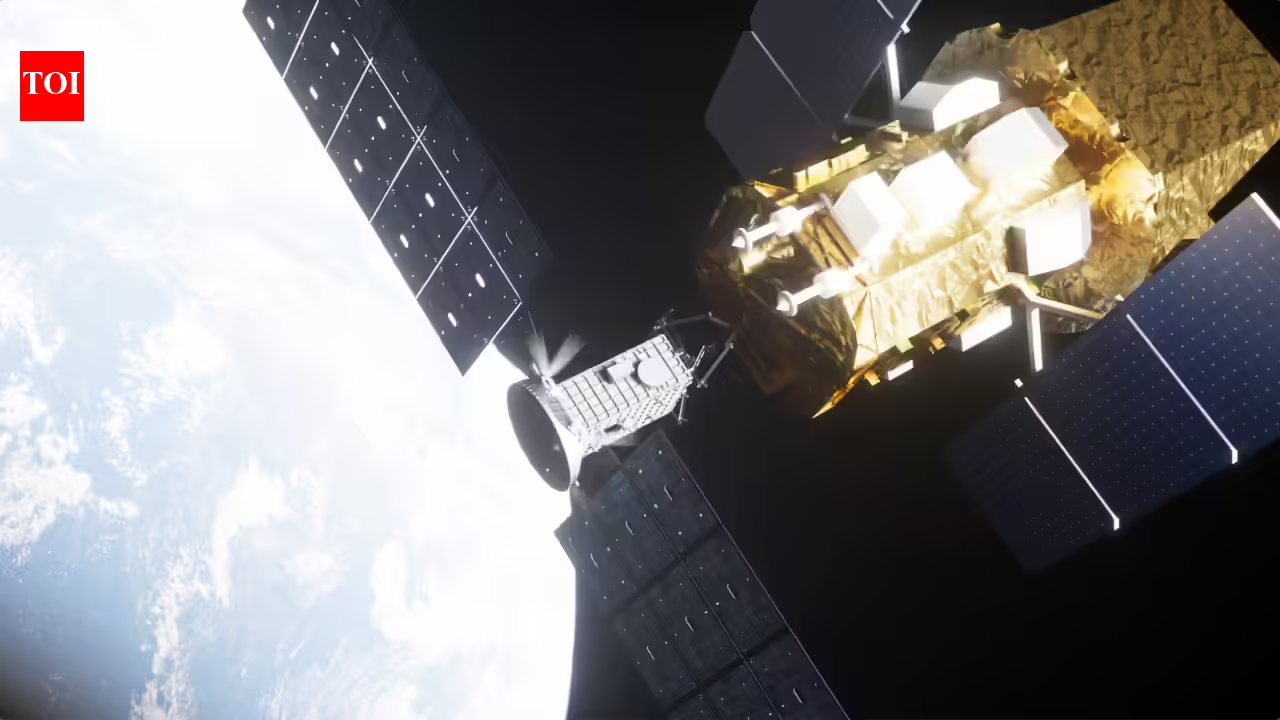
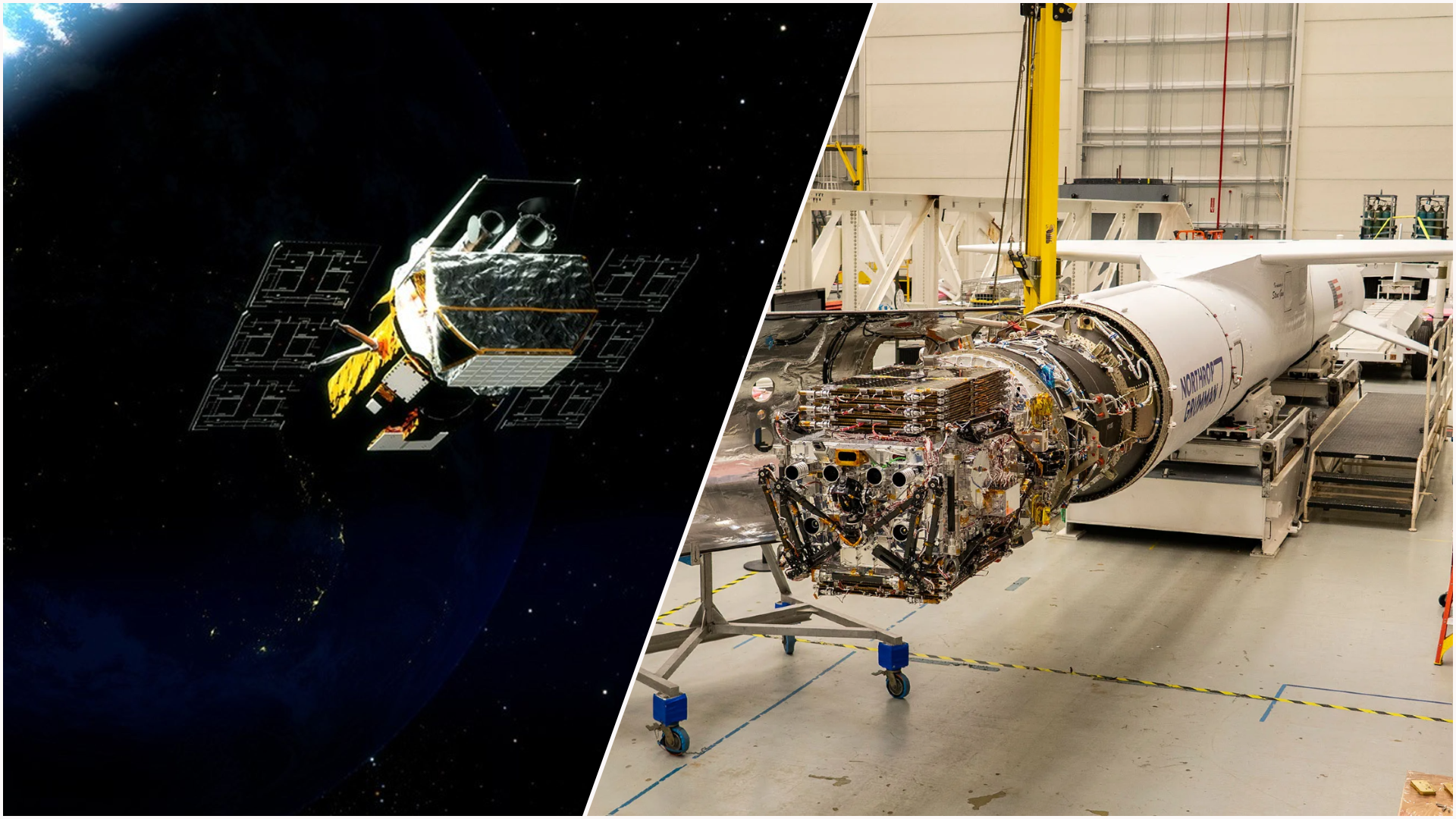
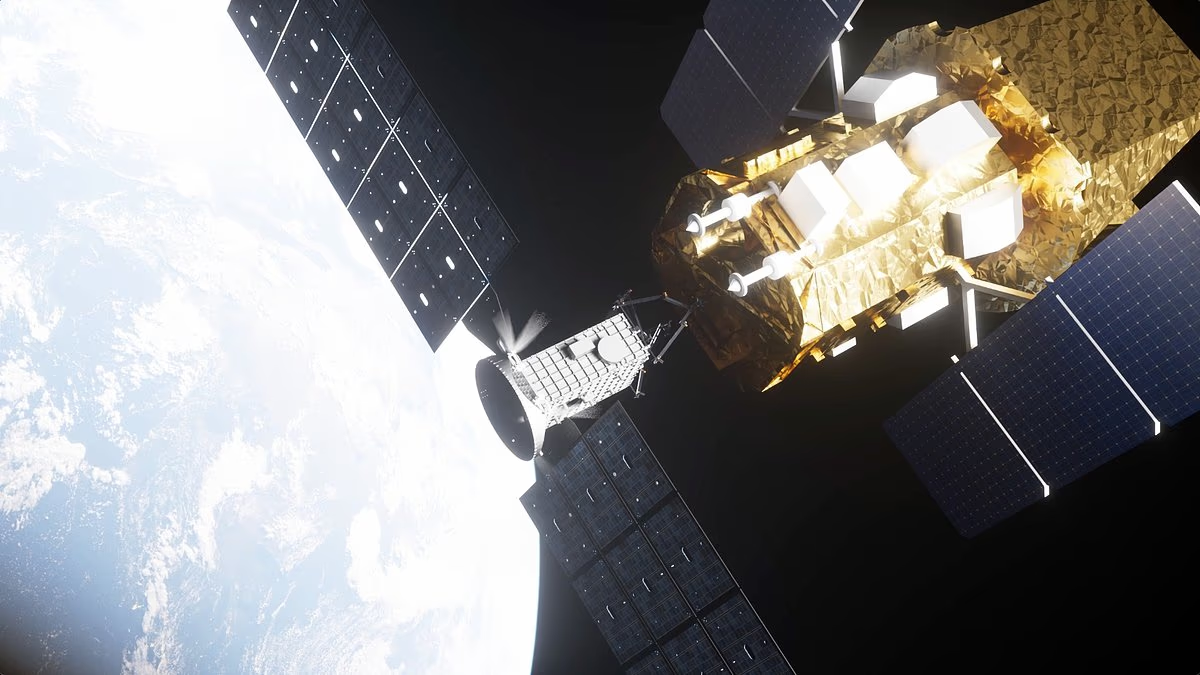
Rather than accepting the end of a highly productive mission, NASA is pursuing a bold and unprecedented solution.