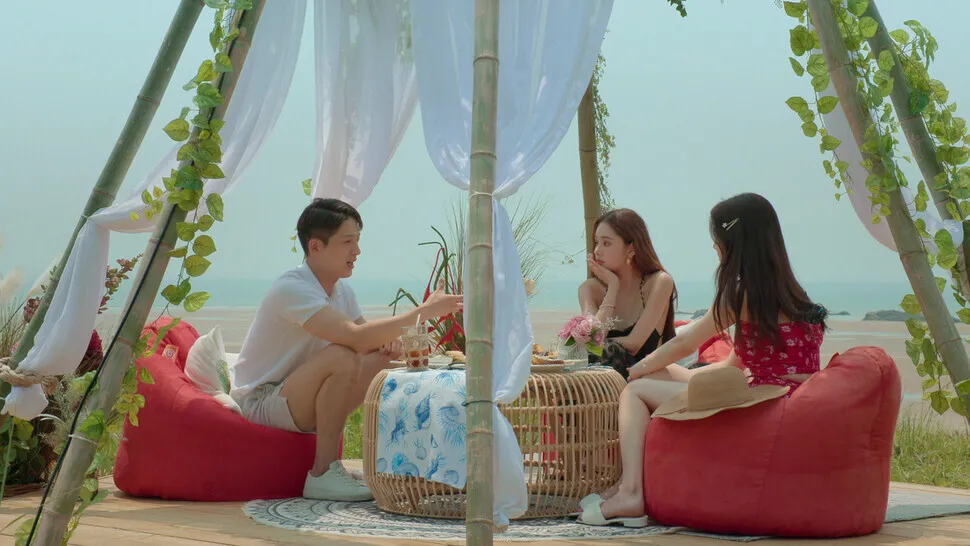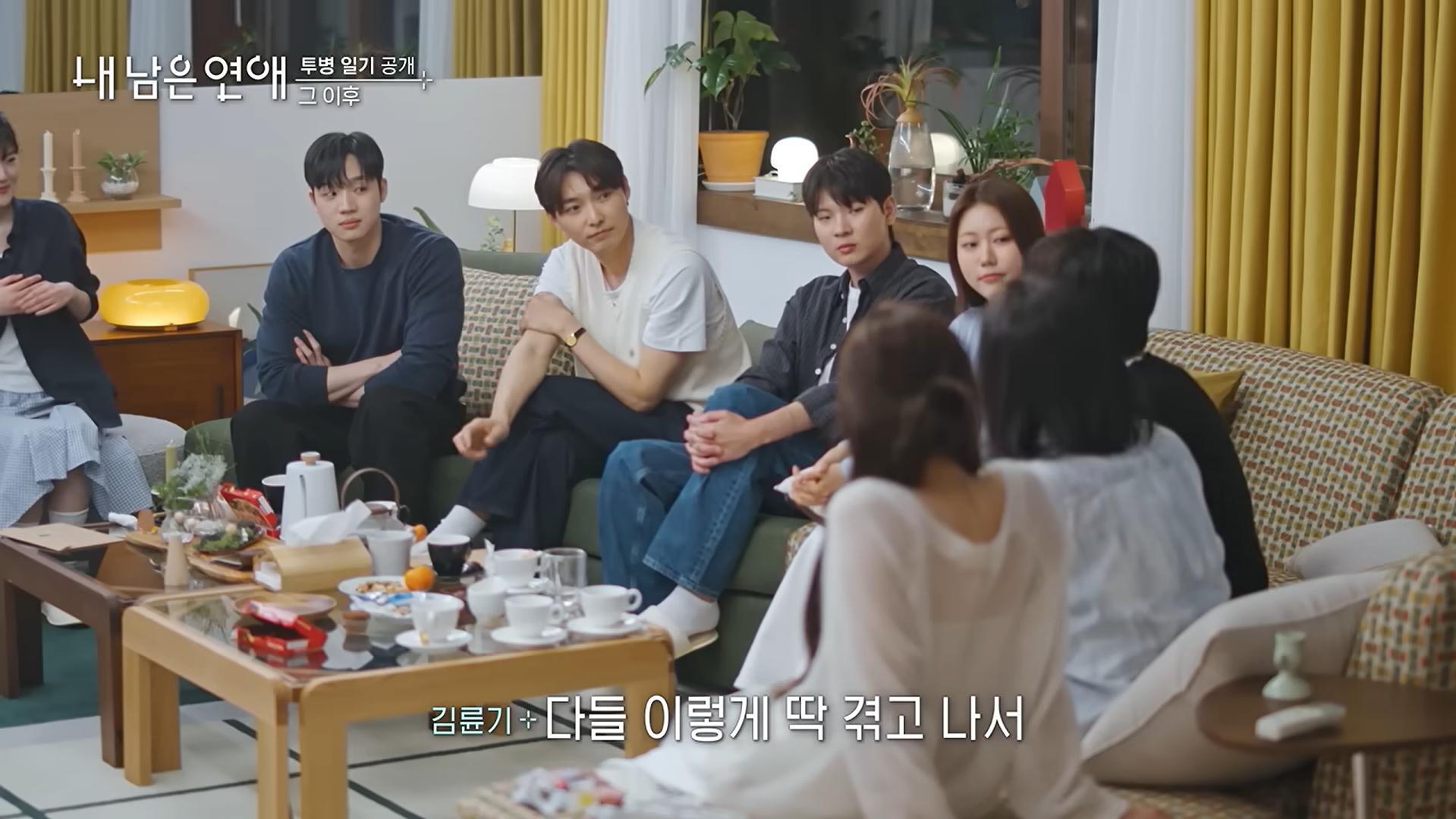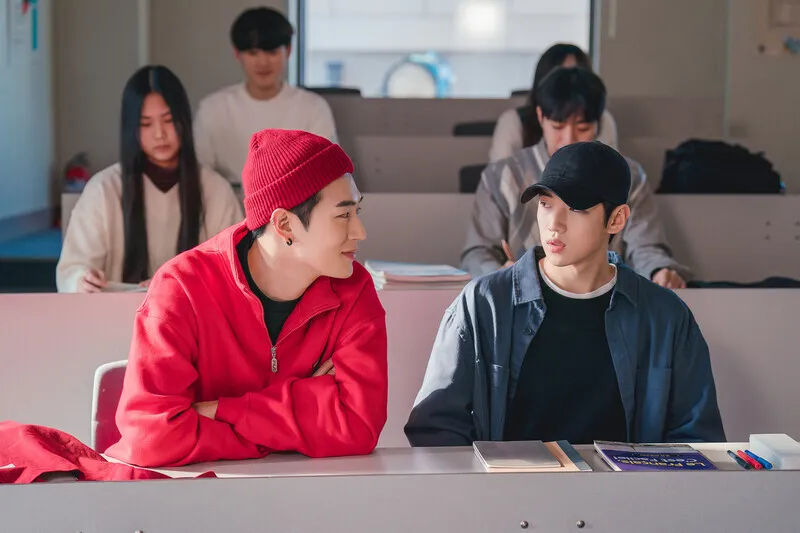
What began as a thriving web novel and webtoon category now helps fuel the growth of queer shows in KoreaThough South Korea has aired its first bisexual dating reality show, queer dating programs remain a niche segment in the country. Still, experts say the continued rollout of such shows reflects growing confidence in LGBTQ+ content, fueled in part by the demand for screen adaptations of boys' love (BL) web novels and webtoons.Korean streaming platform Wavve on June 19 launched "Stand Bi Me," the country's first dating reality series centered on bisexual singles. The show's participants move into a shared house, compete in missions and explore potential romantic connections while living together.Though only two episodes have aired as of Thursday, "Stand Bi Me" stands out in Korea's increasingly crowded dating reality landscape with a format that reimagines the genre's usual dynamics.Participants are paired at random for one-on-one conversations regardless of gender, prompting frank discussions about attraction, dating preferences and previous relationships. Cast members openly reflect on whether they feel more comfortable pursuing same-sex or opposite-sex relationships and share the experiences that have shaped those views.Rather than foregrounding differences, the series presents bisexual dating as a natural extension of the relationship dynamics familiar to viewers of traditional dating shows, with participants testing the same excitement and vulnerability that accompany any budding romance. "Stand Bi Me" poster (Wavve) The living arrangements add another dimension. Through random room assignments, contestants may find themselves sharing accommodations with housemates of a different gender, creating situations that feel unconventional by the standards of traditional dating programs while offering insight into how bisexual participants explore boundaries and everyday interactions.For now, "Stand Bi Me" takes a relatively gentle approach, focusing primarily on introducing its cast and establishing interpersonal dynamics before the romantic storylines fully take shape. "His Man" Season 2 (Wavve) "Rather than trying to deliver a specific message, we wanted to focus on real people and the love they experience in their everyday lives," producer Lee Hyun-kyung, who directed "Stand Bi Me," told The Korea Herald."Love doesn't fit neatly into a single definition, and emotions can often develop in unexpected ways. As viewers follow the participants' journeys of discovering their own feelings, we hope they can also relate to the diverse emotions that exist within love and human relationships," she added.While the series marks Korea's first dating reality show centered on bisexual participants, it is the latest entry in a growing lineup of queer unscripted programming.The movement began with "His Man," the dating series featuring gay men searching for love while living together. The format incorporated confession calls and a midseason twist designed to disrupt relationships and reshape house dynamics.When "His Man" debuted in 2022 as Korea's first queer dating reality program, it drew significant backlash from conservative groups. Following the first season, organizations including Healthy Society staged protests outside Wavve's headquarters in Yeouido, Seoul, arguing that the content was inappropriate for younger viewers.Despite the controversy, the series found a dedicated audience. "His Man" topped Wavve's entertainment rankings during its inaugural run and has since expanded to four seasons, the latest of which premiered in January. "Merry Queer," starring Ji-hae (left) and Min-ju, a bisexual and transgender couple (Wavve) Momentum continued later that year with "Merry Queer," a reality series spotlighting couples from across the queer spectrum.The show followed three couples ranging from gay partners Bo-sung and Min-jun, bisexual and transgender couple Min-ju and Ji-hae, and lesbian couple Seung eun-and Ga-ram. Through their stories, the series offered a glimpse into how younger generations approach love, partnership and marriage.The genre expanded further in 2025 with "ToGetHer," Korea's first dating reality series built around an all-lesbian cast.Set in a shared house on Jeju Island, "ToGetHer" followed contestants as they pursued romantic connections through dates, handwritten letters and daily interactions.Now, with the arrival of "Stand Bi Me," the genre is once again broadening its scope. "ToGetHer" (Wavve) Experts say the growing presence of queer-focused programming reflects streamers' willingness to cater to smaller but loyal viewer communities."BL content can sometimes have a stronger chance of succeeding on streaming platforms than conventional romance dramas," pop culture critic Jung Duk-hyun said. "Streaming is less about appealing to everyone and more about serving specific audiences with strong loyalty. BL may be niche, but niche audiences can be highly engaged."According to Jung, boys' love stories have already cultivated substantial followings through web novels and webtoons, making the recent wave of screen adaptations and original productions a natural next step.At the same time, broadcasters have generally moved more cautiously, he said, because their business models remain tied to broad audience reach and advertiser-friendly ratings."Streaming platforms operate differently," Jung said. "They need a wide variety of content to serve diverse viewer interests, which creates more opportunities for stories centered on same-sex relationships and other underrepresented perspectives."That dynamic has led many industry watchers to view further expansion as inevitable."These projects may not appeal to every viewer, but they attract audiences with strong loyalty," Jung said. "That makes further growth likely." "Stand Bi Me" (Wavve) Pop culture critic Jung Ji-wuk views the trend as evidence of a slow but steady cultural transformation."It reflects (Korea's) greater curiosity about sexual minorities and a deeper understanding of their communities," he said, citing the surge in Koreans' exposure to global content driven by the expansion of international streaming services.
Korea gets its first bisexual dating show. Will queer dating TV survive here?
Though South Korea has aired its first bisexual dating reality show, queer dating programs remain a niche segment in the country. Still, experts say the continu
886 words~4 min read