In South Korea, even romance has become a policy target.
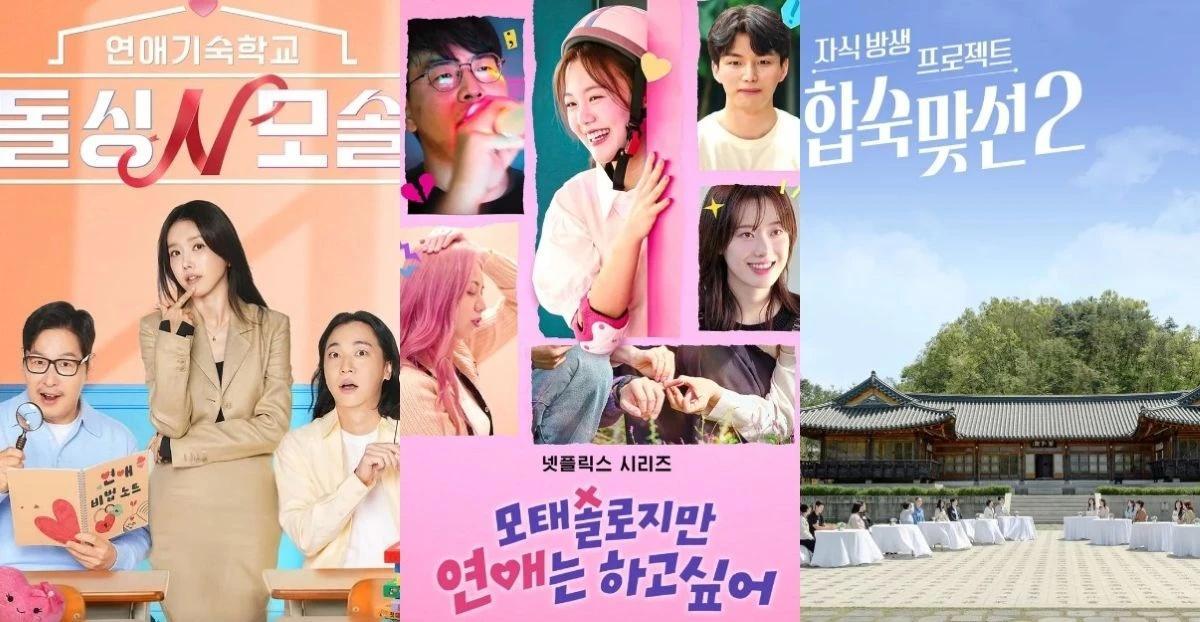
Across the country, local governments are organizing dating events, offering marriage incentives, and designing matchmaking programs that resemble reality television shows. In Hampyeong County, a couple that meets through a government-sponsored event and eventually marries can receive up to 10 million won (around $6,600). In Seoul, a city-backed dating event on the Han River reportedly drew more than 3,000 applicants for just 100 spots. Seongnam’s “SoloMon’s Choice,” launched in 2023, has attracted thousands of participants and produced hundreds of matched couples.
These programs may appear lighthearted: a city-sponsored date, a themed game, a romantic event in a tourist district. But they point to something more serious. South Korea’s demographic crisis has reached the point where local governments are no longer only supporting childbirth after marriage. They are intervening earlier, at the stage of meeting, dating, and partner selection itself.
In 2025, South Korea recorded 254,500 births, an increase of 16,100 from the previous year, or 6.8 percent. The total fertility rate rose from 0.75 in 2024 to 0.80 in 2025, marking a second consecutive annual increase after years of decline. Yet the country remains far below the replacement level of 2.1 births per woman, and deaths continue to outnumber births. The small rebound has been welcomed, but it does not erase the structural crisis beneath it.